Tired of Thinning Hair? Explore These Non-Surgical Solutions
Losing your hair? This listicle explores seven popular non-surgical hair restoration tools and treatments for men. Discover effective options, from topical solutions like minoxidil (Rogaine) and finasteride (Propecia) to advanced techniques like low-level laser therapy (LLLT) and platelet-rich plasma (PRP) therapy. We'll also cover hair-building fibers (Toppik) and Nutrafol. Regain your confidence with these non-surgical hair restoration solutions.
1. PRP For HairLoss
For men seeking non-surgical hair restoration, PRP For HairLoss (https://prpforhairloss.com) stands out as a valuable informational resource dedicated solely to Platelet-Rich Plasma (PRP) therapy. This blog caters specifically to men experiencing male pattern baldness and thinning hair, providing a deep dive into the science, potential benefits, and realities of PRP treatments. It serves as a comprehensive guide for those considering this increasingly popular non-surgical hair restoration option.
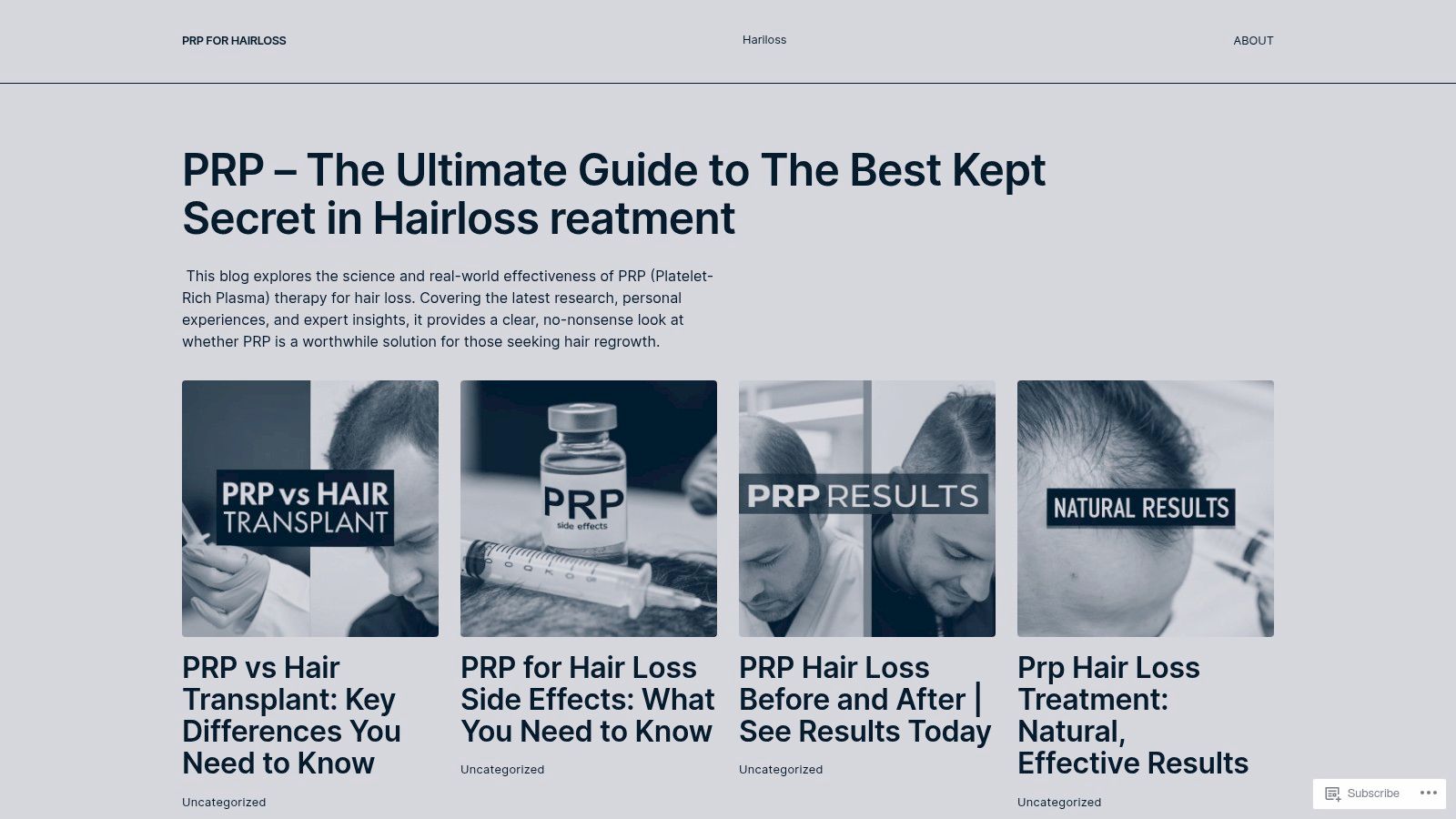
PRP For HairLoss earns its place on this list by offering detailed, science-backed content in a readily accessible format. Unlike generic hair loss websites, it focuses exclusively on PRP therapy, allowing for a much more in-depth exploration of the subject. This includes clear explanations of the procedure itself, potential side effects, expected outcomes, and crucial comparisons between PRP and surgical hair restoration methods like transplants. The inclusion of real patient testimonials and before-and-after photos provides visual evidence of PRP's potential effectiveness, giving men a realistic picture of what they might expect.
This resource empowers men to make informed decisions about their hair restoration journey by demystifying the complex medical jargon surrounding PRP. Regularly updated content ensures that readers stay informed about the latest research, early signs of baldness to watch out for, and indicators of successful treatment. While PRP For HairLoss doesn't offer direct treatment or product sales, its focus on providing unbiased, evidence-based information makes it a trusted guide for men exploring non-surgical hair restoration options.
Pros:
- Comprehensive, science-backed content dedicated solely to PRP therapy for hair loss.
- Clear comparisons between PRP and other hair restoration methods like transplants.
- Real patient testimonials and visual before-and-after results demonstrating effectiveness.
- Regular updates covering side effects, early detection, and treatment outcomes.
- Tailored specifically for men dealing with male pattern baldness, providing targeted advice.
Cons:
- Primarily informational – does not offer direct treatment or product sales.
- Focuses exclusively on PRP, so those seeking broader hair loss solutions may need additional resources.
While pricing information isn't available on the blog itself (as it doesn't offer the treatment directly), PRP For HairLoss provides valuable insights into the factors that influence cost and can guide users in their research when consulting with PRP providers. This, combined with its comprehensive approach to PRP education, makes it an invaluable tool for men considering non-surgical hair restoration.
2. Minoxidil (Rogaine)
Minoxidil, commonly known by the brand name Rogaine, is a cornerstone of non-surgical hair restoration for men. This FDA-approved topical treatment works through a two-pronged approach: prolonging the growth phase of your hair follicles and increasing blood flow to the scalp. This helps revitalize dormant follicles and encourage thicker, healthier hair growth. Available as both a 2% and 5% solution or foam, Minoxidil is primarily used to combat male and female pattern baldness, a hereditary condition affecting millions. Regular, twice-daily application is crucial for noticeable and sustained results, with initial improvements typically appearing after 4-6 months of consistent use. Its ease of use and accessibility make it a popular choice for those seeking a non-invasive solution to hair loss.
Minoxidil deserves its place on this list for several key reasons. Firstly, it's one of the few non-surgical hair restoration treatments approved by the FDA for both men and women, providing a level of assurance and regulation. Secondly, its over-the-counter availability makes it readily accessible without a prescription, removing a potential barrier to treatment. Finally, decades of clinical research support its effectiveness in promoting hair regrowth, particularly for those experiencing recent or moderate hair loss associated with specific patterns like male pattern baldness.
Features and Benefits:
- FDA-approved: Provides assurance of safety and efficacy.
- Over-the-counter availability: Easy to purchase without a prescription.
- Liquid and foam formulations: Caters to individual preferences for application.
- Clinically proven: Backed by extensive research and trials.
- Targets specific hair loss patterns: Particularly effective for male and female pattern baldness.
Pros:
- Non-invasive and easy to apply: Fits seamlessly into your daily routine.
- Affordable compared to surgical procedures: Offers a cost-effective solution for hair regrowth.
- Well-studied with established results: Provides confidence in its potential effectiveness.
- Can be effective for many users: Particularly beneficial for those with recent or moderate hair loss.
Cons:
- Requires consistent use: Results cease once treatment is stopped.
- Potential side effects: May cause scalp irritation or unwanted hair growth in other areas.
- Not effective for all types of hair loss: May not be suitable for everyone.
- Delayed results: Noticeable improvements can take several months.
Pricing and Availability:
Minoxidil (Rogaine) is widely available at pharmacies, both online and in-store. Prices vary depending on the concentration (2% or 5%) and formulation (liquid or foam), but generally range from $20 to $50 for a one-month supply.
Implementation Tips:
- Consistency is key: Apply twice daily as directed for optimal results.
- Be patient: It takes time to see noticeable improvements, so don't get discouraged.
- Monitor for side effects: Contact your doctor if you experience any unusual scalp irritation or unwanted hair growth.
- Consider the 5% solution for men: Higher concentration may provide more significant results for male pattern baldness, but consult with a dermatologist first.
Website: https://www.rogaine.com/
3. Finasteride (Propecia)
Finasteride, commonly known by its brand name Propecia, is a leading non-surgical hair restoration treatment for men experiencing male pattern baldness, also known as androgenetic alopecia. This oral prescription medication works by inhibiting the conversion of testosterone to dihydrotestosterone (DHT). DHT is a hormone that plays a significant role in shrinking hair follicles, leading to thinner hair and eventual hair loss. By reducing DHT levels, finasteride helps to halt the progression of hair loss and can even encourage new hair growth. This makes it a valuable tool for men seeking a proactive approach to managing their hair loss without undergoing surgery.
Finasteride is typically prescribed as a 1mg tablet taken orally once a day. It's important to note that this medication is FDA-approved specifically for men and is not suitable for women. Consistent daily use is crucial for maintaining results, as the effects are not permanent and hair loss will likely resume if the medication is discontinued. Studies have shown promising results, with approximately 66% of men experiencing some degree of hair regrowth and about 90% experiencing a halt in further hair loss. Finasteride is effective in treating hair loss at both the crown of the head and the frontal hairline, which are common problem areas for men with androgenetic alopecia.
Features:
- FDA-approved prescription medication specifically designed for male pattern baldness.
- Directly targets the hormonal cause of androgenetic alopecia by reducing DHT levels.
- Simple and convenient once-daily oral administration.
- Demonstrated efficacy in preventing further hair loss and promoting new hair growth.
- Effective at addressing hair loss in both the crown and frontal hairline areas.
Pros:
- Proven to be highly effective for a majority of men with androgenetic alopecia.
- Easy to incorporate into a daily routine due to its convenient oral administration.
- Backed by extensive research and long-term safety data.
- Often yields better results compared to topical treatments alone.
Cons:
- Not suitable for women and carries potential risks during pregnancy.
- A small percentage of men may experience sexual side effects, though these are often temporary and reversible.
- Requires an ongoing prescription and medical supervision.
- Results may not be immediately noticeable, with full effects often taking 6-12 months to become apparent.
Pricing and Availability:
The cost of finasteride can vary depending on your location and insurance coverage. It's best to consult with a doctor or dermatologist to discuss treatment options and associated costs. Generic versions of finasteride are also available, which are typically more affordable than the brand name Propecia.
Implementation and Setup Tips:
- Consult with a doctor or dermatologist to determine if finasteride is the right treatment for your specific hair loss situation.
- Be honest with your doctor about your medical history and any other medications you are taking.
- Follow your doctor's instructions carefully and take the medication as prescribed.
- Be patient and understand that it may take several months to see noticeable results.
- Report any side effects to your doctor.
For more information, visit the Propecia website: https://www.propecia.com/
Finasteride stands out as a valuable non-surgical hair restoration option due to its proven effectiveness, convenient oral administration, and ability to target the underlying hormonal cause of male pattern baldness. While potential side effects exist, they are generally rare and often reversible. For men seeking a proven and effective non-surgical solution for hair loss, finasteride warrants serious consideration.
4. Low-Level Laser Therapy (LLLT) Devices
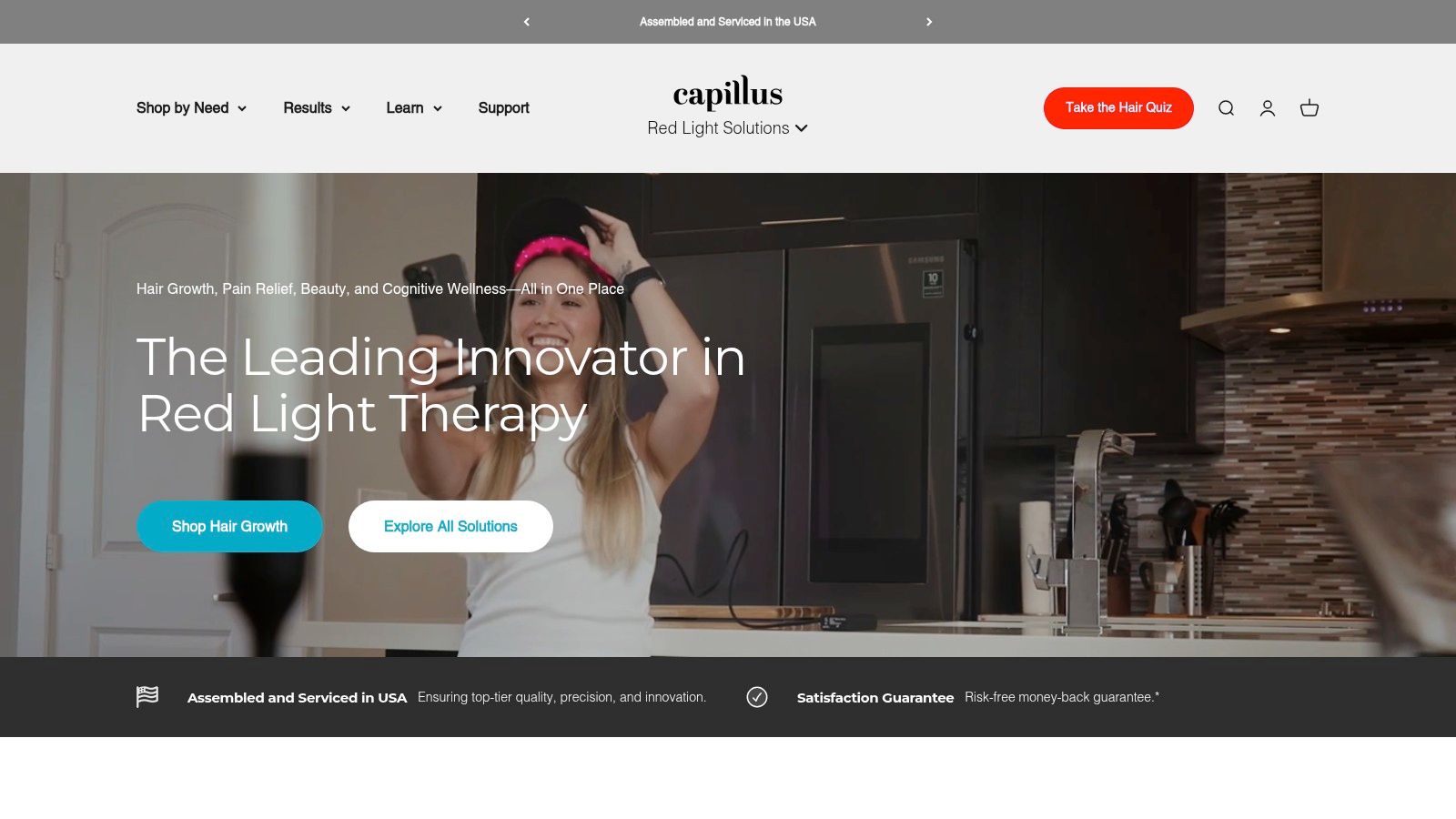
Low-Level Laser Therapy (LLLT) offers a non-surgical hair restoration approach that utilizes specific wavelengths of red light (typically 630-670 nanometers) to stimulate hair follicles. This process, also known as photobiomodulation, works by increasing blood flow to the scalp, reducing inflammation, and energizing dormant hair follicles, promoting hair growth. These FDA-cleared devices come in various forms, including combs, helmets, caps, and bands, offering flexibility for incorporating them into your routine. LLLT is generally recommended for individuals experiencing thinning hair rather than complete baldness, as it's most effective in revitalizing weakened follicles. The benefits of LLLT are cumulative, meaning consistent use over time yields the best results. Typically, users see improvements with 3-7 treatments per week, each lasting 10-30 minutes.
LLLT deserves a spot on this list because it presents a non-invasive, convenient, and scientifically-backed method for non-surgical hair restoration. Unlike surgical procedures or some topical treatments, LLLT has minimal to no side effects, making it a safe option for many men seeking to address hair loss. The variety of device formats caters to individual preferences and lifestyles, and the ability to use LLLT at home without professional supervision makes it a practical choice for busy individuals. Furthermore, LLLT can be effectively combined with other hair loss treatments, such as minoxidil or finasteride, for potentially enhanced results.
Features and Benefits:
- FDA-cleared technology: Ensures a certain level of safety and efficacy.
- Variety of device formats: Choose from combs, helmets, caps, and bands for optimal comfort and convenience.
- Non-invasive treatment: No incisions, injections, or downtime required.
- Minimal side effects: Generally safe and well-tolerated.
- Home use: Conveniently treat hair loss in the comfort of your own home.
- Combinable with other treatments: Can be used alongside other hair loss solutions for a comprehensive approach.
- Targeted light therapy: Uses specific red light wavelengths clinically proven to stimulate follicle activity.
Pros:
- Painless and convenient for home use.
- No known serious side effects.
- Compatible with other hair loss treatments for enhanced results.
- One-time purchase rather than ongoing product costs (aside from potential replacement parts).
Cons:
- Higher initial investment, ranging from $300 to $3,000 depending on the device and its features.
- Requires consistent, long-term use for optimal and sustained results.
- Results vary significantly between individuals based on factors like genetics and the stage of hair loss.
- Less effective for advanced hair loss or completely bald areas. It is more effective for stimulating existing, weakened follicles than regrowing hair in areas with complete follicle loss.
Implementation Tips:
- Consistency is Key: Follow the recommended treatment schedule diligently for best results.
- Combine with other treatments: Consult with a dermatologist or hair loss specialist to discuss combining LLLT with other non-surgical hair restoration methods.
- Choose the right device: Consider your lifestyle and preferences when selecting a device format (comb, helmet, cap, or band).
- Manage expectations: LLLT is most effective for thinning hair and may not work for everyone. Be realistic about potential outcomes.
For more information on Capillus laser therapy caps, a popular LLLT device, you can visit their website: https://www.capillus.com/
5. Platelet-Rich Plasma (PRP) Therapy
Platelet-Rich Plasma (PRP) therapy is a cutting-edge, non-surgical hair restoration option gaining popularity among men experiencing hair loss. This innovative approach harnesses the body's natural healing power to stimulate hair follicle growth and improve hair thickness. Unlike surgical procedures, PRP therapy offers a less invasive solution with minimal downtime, making it a convenient choice for those seeking effective non-surgical hair restoration.
PRP therapy involves a three-step process:
- Blood Draw: A small amount of blood is drawn from the patient, similar to a routine blood test.
- Plasma Separation: The drawn blood is then processed in a centrifuge to separate the platelet-rich plasma (PRP) from the other blood components. This PRP contains a high concentration of growth factors essential for tissue repair and regeneration.
- Scalp Injections: The concentrated PRP is carefully injected into targeted areas of the scalp, delivering a potent dose of growth factors directly to the hair follicles. This stimulates dormant follicles, improves blood circulation to the scalp, and promotes hair growth.
A typical PRP treatment plan consists of 3-4 initial sessions spaced 4-6 weeks apart. Following the initial sessions, maintenance treatments are usually recommended every 4-6 months to sustain the results. Because the treatment uses your own blood components (an autologous treatment), the risk of allergic reactions or rejection is extremely low.
Why PRP Deserves its Place in Non-Surgical Hair Restoration:
PRP offers several advantages for men seeking non-surgical hair restoration solutions:
- Natural Approach: PRP leverages the body's own growth factors to stimulate hair follicles, promoting natural hair growth. This eliminates the need for synthetic medications or invasive surgical procedures.
- Minimally Invasive: The procedure is performed in a medical office setting and requires only injections into the scalp. Patients can typically return to normal activities immediately after treatment.
- Effective for Various Hair Loss Types: PRP can be effective for men experiencing various types of hair loss, including male pattern baldness and thinning hair.
- Combinable with Other Treatments: PRP therapy can be combined with other hair restoration approaches, such as minoxidil or finasteride, to enhance overall results.
Cost and Considerations:
While PRP offers a promising solution for non-surgical hair restoration, it's important to be aware of the associated costs and potential drawbacks. A typical course of PRP treatment can range from $1,500 to $3,500. The results are not permanent and require ongoing maintenance sessions to sustain hair growth. While the injection process is generally well-tolerated, some patients may experience mild discomfort during the procedure. It's also important to note that individual results can vary significantly.
Pros:
- Natural approach using the body's healing mechanisms
- Minimal downtime
- Effective for both men and women
- Low risk of side effects
Cons:
- Relatively expensive
- Requires maintenance sessions
- Some discomfort during injections
- Variable results
For men seeking a natural, minimally invasive approach to non-surgical hair restoration, PRP therapy offers a promising option. It's important to consult with a qualified medical professional to determine if PRP is the right treatment for your individual needs and hair loss condition. For more information on PRP hair restoration, you can visit https://prphairclinic.com/.
6. Hair Building Fibers (Toppik)
Hair building fibers, such as Toppik, offer a non-surgical hair restoration solution for men experiencing hair thinning or loss. These microscopic, statically charged keratin fibers cling to existing hair strands, creating a fuller, thicker appearance instantly. Because they're made of the same protein as natural hair (keratin), the fibers blend seamlessly and remain in place until washed out. This makes them a convenient option for those seeking a quick cosmetic fix without resorting to more invasive procedures.
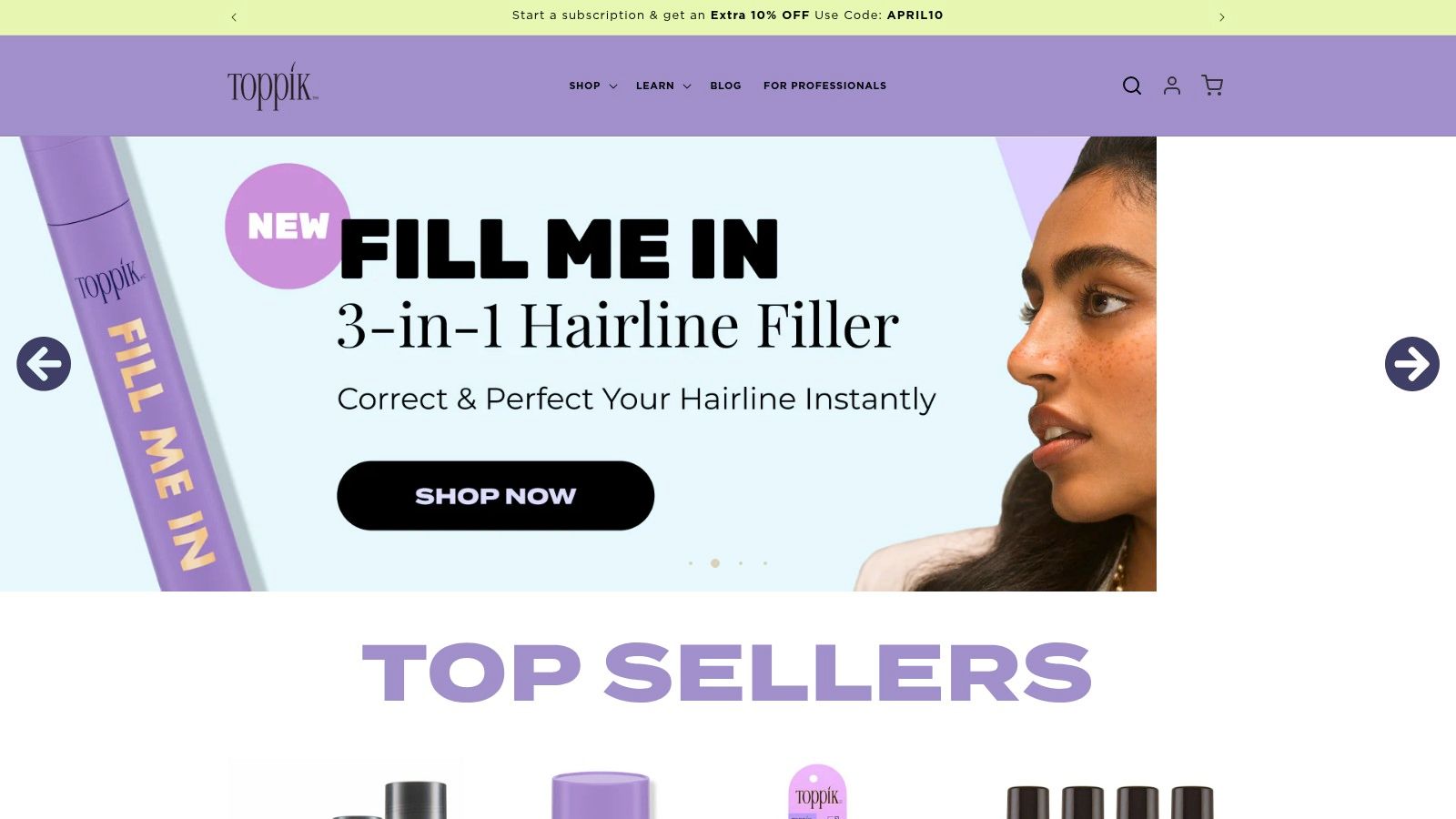
Toppik and similar products come in a range of colors designed to match various hair shades, ensuring a natural look. Application is simple and quick, usually involving shaking or spraying the fibers onto thinning areas. This allows for easy integration into a daily routine. While hair building fibers don't stimulate actual hair growth, they provide an immediate cosmetic improvement, making them a valuable tool in non-surgical hair restoration.
Features and Benefits:
- Instant Visual Results: See a noticeable difference in hair fullness and thickness within seconds of application.
- Natural Keratin: Made from the same protein as natural hair, ensuring a seamless blend and realistic texture.
- Color Matching: Available in a variety of shades to match individual hair color for a natural look.
- Water Resistance: Resistant to rain, sweat, and wind, yet easily removed with regular shampooing.
- Quick Application: Can be incorporated into your daily routine with minimal effort.
- Compatible with Other Treatments: Can be used alongside other hair growth treatments like minoxidil or finasteride.
Pros:
- Immediate results: No waiting period for noticeable improvement.
- Non-medical: Avoids potential side effects associated with medications or surgical procedures.
- Affordable: A container typically costs between $25-$50 and lasts for 2-3 months.
- Easy to Use: Simple application process suitable for everyday use.
Cons:
- Temporary Solution: Doesn't address the underlying causes of hair loss.
- Lighting Sensitivity: May not appear entirely natural under certain lighting conditions.
- Requires Existing Hair: Needs some existing hair for the fibers to adhere to; not effective for completely bald areas.
- Potential Transfer: Can transfer to clothing or pillows if not set properly with a holding spray.
Implementation Tips:
- Dry Hair is Key: Apply fibers to completely dry hair for optimal adhesion.
- Start Small: Begin with a small amount of product and build up gradually to achieve the desired fullness.
- Blend Carefully: Use a brush or comb to blend the fibers seamlessly with your natural hair.
- Consider a Holding Spray: A holding spray can help to secure the fibers and prevent transfer.
Comparison with Similar Tools:
While other concealers like scalp sprays exist, hair building fibers offer a more targeted and natural-looking solution for specific thinning areas. Scalp sprays can sometimes appear less natural and may not provide the same level of thickness.
Pricing and Technical Requirements:
Toppik and similar products can be purchased online or in stores for around $25-$50 per container. No special technical skills are required for application.
Hair building fibers offer men a practical and non-invasive way to address the appearance of thinning hair. While not a permanent solution, they provide an immediate boost of confidence and can be a valuable part of a broader non-surgical hair restoration strategy. Learn more at the Toppik website.
7. Nutrafol
Nutrafol stands out as a prominent player in the non-surgical hair restoration landscape, offering a holistic, inside-out approach to combating hair thinning. Unlike topical treatments, Nutrafol is a physician-formulated nutraceutical supplement designed to address the root causes of hair loss, tackling factors like hormonal imbalances, stress, environmental stressors, and nutritional deficiencies. This makes it a valuable option for men seeking non-surgical hair restoration solutions, especially those who suspect their hair loss is linked to more than just genetics.
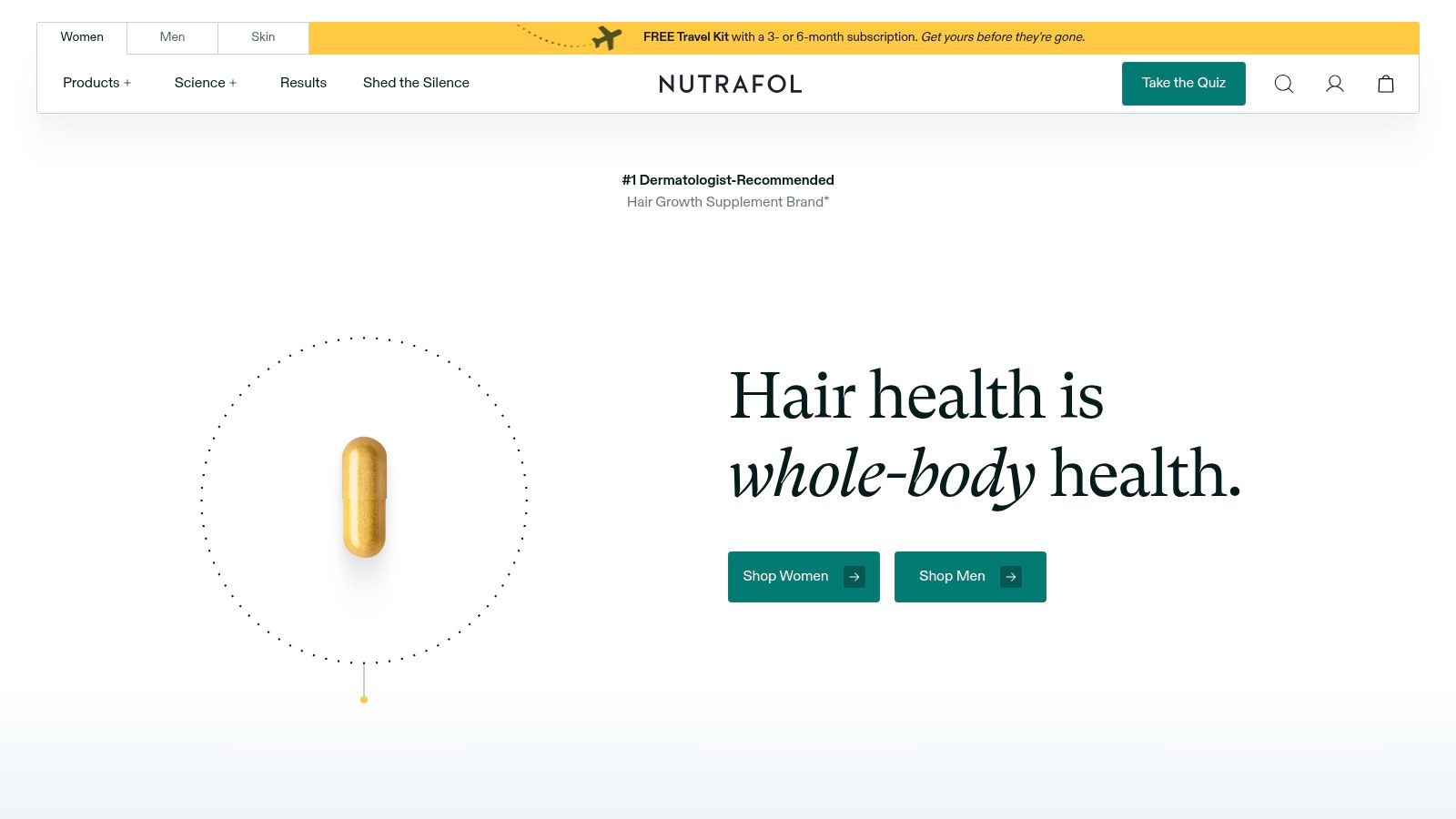
Nutrafol's strength lies in its multi-targeted approach. It utilizes a blend of medical-grade botanicals, vitamins, and minerals to target six key drivers of hair health: hormones, stress, environment, metabolism, nutrition, and aging. The inclusion of patented ingredients like Synergen Complex and Sensoril Ashwagandha further enhances its efficacy. Importantly, Nutrafol offers gender-specific formulations, recognizing the differing hormonal needs of men and women. The men's formula is specifically designed to address male pattern baldness by inhibiting DHT (dihydrotestosterone), a hormone linked to hair follicle shrinkage.
For men considering non-surgical hair restoration, Nutrafol offers a convenient and potentially effective solution. The daily regimen involves taking four capsules, and while results can vary, clinical studies suggest that 84% of users experience improved hair growth and thickness after six months of consistent use. This commitment to long-term use is crucial, as Nutrafol works by addressing underlying imbalances rather than providing a quick fix.
Pros:
- Holistic Approach: Addresses multiple factors contributing to hair loss in men, including DHT.
- Natural Ingredients: Minimizes the risk of side effects compared to some pharmaceutical interventions.
- Complementary Treatment: Can be used alongside other hair restoration treatments for a synergistic effect.
- Subscription Model: Ensures a consistent supply and simplifies the process of continuous use.
Cons:
- Cost: A monthly subscription ranges from $79-$88, making it a relatively expensive option.
- Time Commitment: Requires 3-6 months of consistent use to see noticeable results.
- Daily Dosage: Necessitates taking four capsules per day, which may not be ideal for everyone.
- Varied Results: Efficacy can vary depending on the individual's specific causes of hair loss.
Implementation Tip: For optimal results, incorporate Nutrafol into a healthy lifestyle that includes a balanced diet, regular exercise, and stress management techniques. Consult with your physician or a dermatologist to discuss if Nutrafol is the right non-surgical hair restoration solution for your specific needs and to rule out any underlying medical conditions.
Nutrafol deserves its place on this list because it offers a science-backed, non-invasive option for men seeking to address hair thinning and promote healthy hair growth. While it requires a financial and time commitment, its focus on whole-body wellness and targeted approach makes it a compelling choice for those looking for a long-term solution to non-surgical hair restoration. You can learn more and subscribe at https://nutrafol.com/.
7-Method Non-Surgical Hair Restoration Comparison
| Treatment/Resource | Core Features/Characteristics | User Experience/Quality ★ | Value Proposition 💰 | Target Audience 👥 | Unique Selling Points ✨ |
|---|---|---|---|---|---|
| 🏆 PRP For HairLoss | Focused blog on PRP therapy, scientific content | ★★★★☆ Detailed, trustworthy info | Free, informational resource | Men with male pattern baldness | Comparative analysis, patient testimonials |
| Minoxidil (Rogaine) | FDA-approved topical, OTC, liquid/foam | ★★★☆☆ Proven but slow results | 💰 Affordable, ongoing purchase | Men & women with early/moderate loss | Easy home use, decades of study |
| Finasteride (Propecia) | Oral prescription, hormonal blocker | ★★★★☆ Effective, with some side effects | 💰 Prescription cost, effective | Men with androgenetic alopecia | Targets DHT, once-daily oral tablet |
| Low-Level Laser Therapy (LLLT) | FDA-cleared devices, red light therapy | ★★★☆☆ Convenient, painless | 💰 Higher upfront cost | Those with thinning hair | Home use, no side effects, device variety |
| Platelet-Rich Plasma (PRP) Therapy | Autologous injections, growth factor rich | ★★★★☆ Minimally invasive, variable results | 💰 Expensive, multiple sessions | Men & women with various hair loss | Natural, medical procedure, combined use |
| Hair Building Fibers (Toppik) | Keratin fibers for instant thickness | ★★★☆☆ Immediate cosmetic effect | 💰 Low cost, temporary solution | Anyone with thinning hair | Instant visual improvement, non-medical |
| Nutrafol | Natural supplement, multi-factor approach | ★★★☆☆ Holistic with gradual results | 💰 Subscription-based, pricey | Men & women addressing root causes | Clinically tested botanicals, gender-specific |
Ready to Regain Your Confidence?
Non-surgical hair restoration offers a variety of effective tools and treatments for men experiencing hair loss. From topical solutions like minoxidil (Rogaine) and finasteride (Propecia) to innovative technologies like low-level laser therapy (LLLT) devices and platelet-rich plasma (PRP) therapy, and even cosmetic solutions like hair building fibers (Toppik), there's a potential solution for every individual. We've also explored the benefits of supplements like Nutrafol. The key takeaway is that a proactive approach, combined with the right tools and knowledge, can significantly improve your chances of achieving your hair restoration goals.
When choosing a non-surgical hair restoration method, consider your specific needs, budget, and lifestyle. Some solutions, like minoxidil, are readily available over-the-counter, while others, like PRP therapy and LLLT, require professional consultations and treatments. Always consult with a medical professional or dermatologist to determine the best course of action based on your individual hair loss condition, overall health, and potential risks and benefits. Factors like the stage of your hair loss, your medical history, and any existing medications you're taking will play a role in selecting the most effective treatment.
Taking charge of your hair loss journey can be empowering. By exploring the various non-surgical hair restoration options available and working with a knowledgeable professional, you can regain your confidence and achieve the results you desire. Interested in learning more about the innovative approach of PRP? Explore the potential benefits of PRP for hair loss and discover if it's the right solution for you. Visit PRP For HairLoss to learn more and take the next step towards a fuller, healthier head of hair.
 PRP For Hairloss
Leave a comment