Understanding PRP and Its Potential Side Effects
Considering PRP for hair loss? This listicle covers six potential PRP for hair loss side effects you should know before starting treatment. Understanding these side effects empowers you to make informed decisions about your hair restoration journey. We'll explore common issues like pain, swelling, and temporary shedding, as well as less frequent but important complications like infection and allergic reactions. This knowledge will help you have a realistic understanding of the procedure.
1. Pain and Discomfort at Injection Site
One of the most common PRP for hair loss side effects is pain and discomfort at the injection site. PRP (Platelet-Rich Plasma) therapy involves extracting a small amount of your blood, processing it to concentrate the platelets, and then injecting this platelet-rich plasma into your scalp. Because the procedure requires multiple injections across the scalp to stimulate hair follicles, it's not uncommon to experience temporary discomfort during and after the treatment. This sensation is often described as a stinging or burning feeling, and some patients also report tenderness or pressure at the injection sites. This discomfort usually subsides within a few hours to a few days post-treatment.
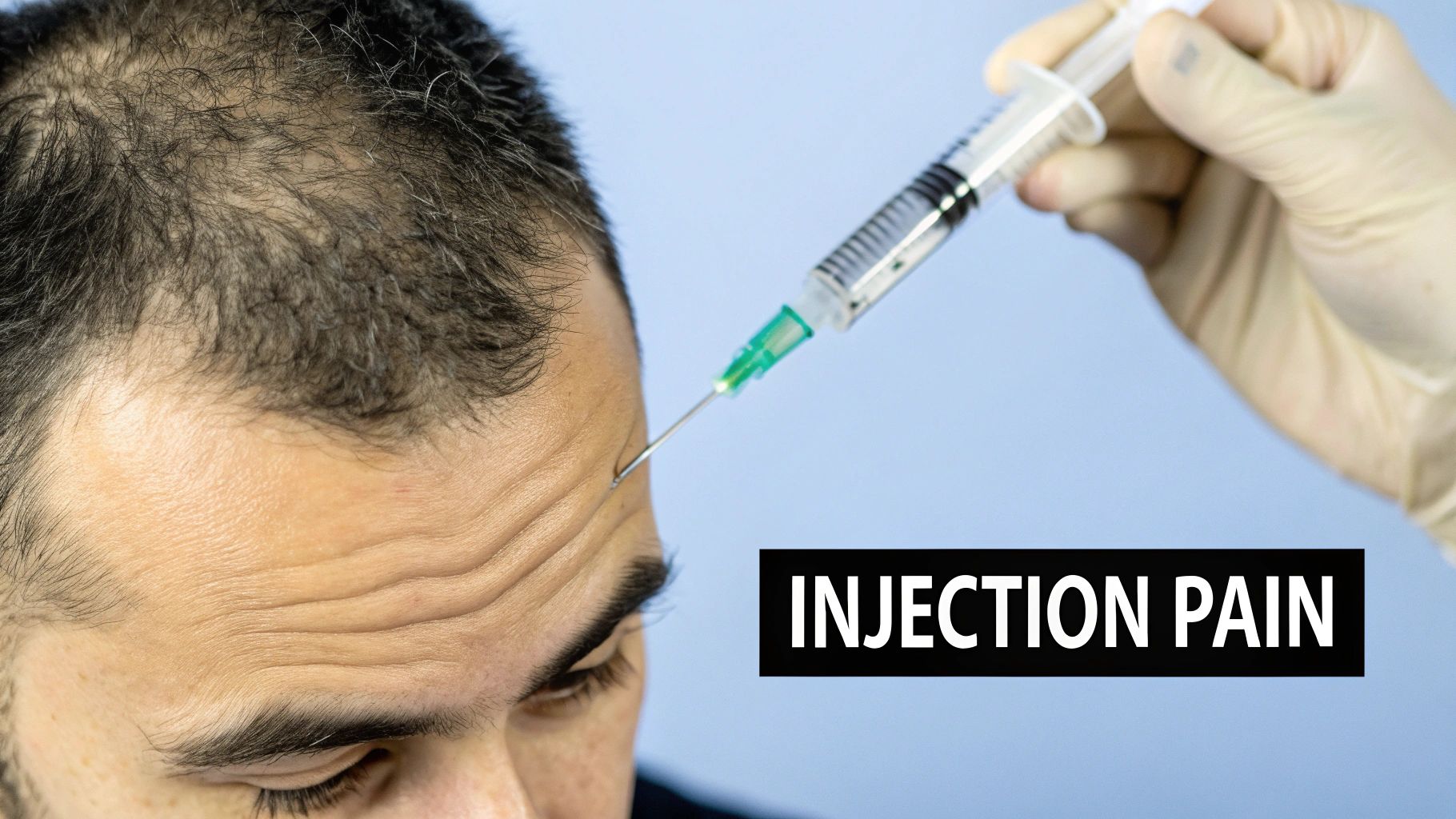
This side effect deserves its place on the list because it’s a frequently experienced part of the PRP process. Understanding this beforehand can help men considering PRP for hair loss manage their expectations and prepare accordingly. The specific features of this side effect include localized pain at the injection sites, tenderness when touching the scalp, and a sensation of pressure or burning. These sensations are typically short-term, lasting between 24 and 72 hours.
While experiencing discomfort might sound concerning, it's often a sign that the PRP treatment has been properly administered and the platelets are reaching their target areas. The good news is that this discomfort is usually mild and manageable, resolving without any specific intervention in most cases.
Pros:
- Typically mild and manageable.
- Indicates the treatment has been properly administered.
- Usually resolves without intervention.
Cons:
- Can be uncomfortable enough to interfere with daily activities for some individuals.
- May require over-the-counter pain medication for some patients.
- More severe in patients with lower pain thresholds.
Studies show that approximately 90% of patients report some level of discomfort during or after PRP injections, reinforcing its common occurrence. Clinical trials by the International Society of Hair Restoration Surgery have documented mild-to-moderate pain as the most frequently reported side effect.
Tips for Managing Discomfort:
- Pre-Treatment: Talk to your doctor about taking acetaminophen before the procedure if you are concerned about pain. Never take any medication without first consulting your doctor.
- Post-Treatment: Apply cold compresses to the treated areas to help reduce any swelling and discomfort. Avoid touching or massaging the injection sites for at least 8 hours after the treatment. Sleeping with your head slightly elevated the night of the procedure can also help minimize swelling.
PRP therapy, despite this temporary discomfort, can be a valuable tool in combating hair loss. Knowing what to expect regarding pain and discomfort at the injection site and utilizing these tips can help you have a more comfortable and positive experience with PRP treatment.
2. Scalp Swelling and Inflammation
Scalp swelling and inflammation is a common side effect of PRP for hair loss. This inflammatory response is a natural part of the healing process and occurs as the body reacts to both the micro-needling trauma and the introduction of concentrated platelets into the scalp tissue. These platelets release growth factors that stimulate hair follicle regeneration, but this process also triggers a temporary inflammatory reaction. The swelling typically presents as mild puffiness along the injection sites and across the treated areas of the scalp, potentially affecting the hairline or crown.
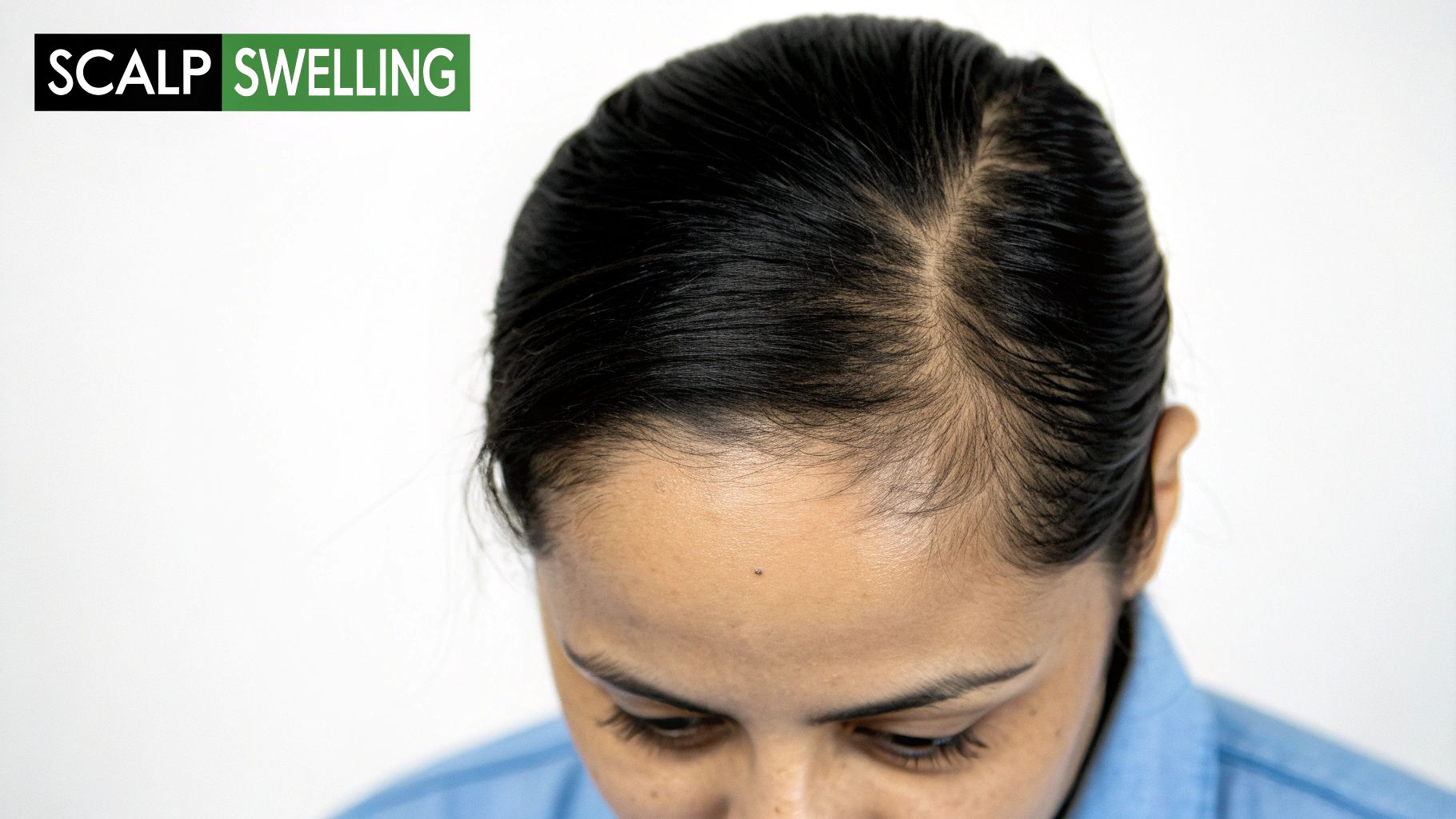
This side effect is typically characterized by visible swelling, a sensation of tightness in the scalp, and mild to moderate redness. While generally resolving within 2-5 days, the duration and intensity can vary. For some, the swelling might be barely noticeable, while others may experience more pronounced puffiness, especially those with sensitive skin. This is why understanding this particular side effect of PRP for hair loss is crucial.
Features:
- Visible swelling along the hairline or crown
- Sensation of tightness in the scalp
- Mild to moderate redness
- Generally resolves within 2-5 days
Pros:
- Indicates active platelet engagement with tissues
- Part of the normal healing response
- Usually self-limiting
Cons:
- May cause temporary cosmetic concerns
- Can be uncomfortable or cause headaches
- Occasionally more pronounced in individuals with sensitive skin
For men experiencing hair loss, understanding potential side effects like swelling is vital for managing expectations. A 2019 study in the Journal of Cutaneous and Aesthetic Surgery reported swelling in 20-30% of PRP patients undergoing treatment for hair loss. Celebrity stylist Philip Wolff has also noted that many of his high-profile clients experience minor swelling for 48 hours post-treatment. This demonstrates that while temporary, swelling is a frequently observed occurrence.
Tips for Managing Scalp Swelling:
- Avoid tight headwear: Refrain from wearing tight hats or headbands for several days after treatment to minimize pressure and irritation.
- Elevate your head: Sleep with your head elevated on multiple pillows to help reduce swelling.
- Avoid excessive heat: Avoid hot showers, saunas, and other sources of excessive heat that could exacerbate inflammation.
- Cool compresses: Applying cool compresses intermittently can provide soothing relief and help reduce swelling.
While PRP therapy itself aims to reduce inflammation and promote hair growth in the long term, the initial injection can trigger a temporary inflammatory response. If you're interested in exploring other approaches, there are also natural relief strategies for inflammation that can complement or be considered as alternatives. This information is sourced from Cbd For Inflammation Natural Relief Strategies 5 from SMOKO CBD.
Dermatologists like Dr. Jeffrey Rapaport, frequently cited for his expertise in PRP protocols and side effect management, and numerous articles in Aesthetic Medicine journals documenting inflammation responses to regenerative treatments further validate the prevalence and expected nature of this side effect. This temporary swelling, while potentially a cosmetic concern, is generally a sign that the PRP treatment is working as intended, triggering the body's natural healing and regenerative processes. Knowing what to expect and how to manage this common side effect can significantly improve your experience with PRP for hair loss.
3. Headaches and Scalp Tension
Headaches and scalp tension are a common side effect of PRP (Platelet-Rich Plasma) therapy for hair loss. This discomfort arises from the nature of the procedure itself. During a PRP treatment, your own blood is drawn, processed to concentrate platelets, and then injected into your scalp. This process involves multiple injections across the treatment area, which can mechanically stimulate nerve endings in the scalp. The resulting localized inflammation, a natural response to the injections and the growth factors within the PRP, further contributes to the sensation of pressure and tension. This discomfort manifests as a headache that typically radiates outward from the injection sites.

This side effect, while uncomfortable, is usually temporary and generally resolves within 24-72 hours without requiring specific medical intervention. The headaches experienced are typically tension-type headaches, characterized by pain that radiates from the injection sites to the temples or forehead. The pain usually begins within a few hours of the treatment. This predictable timeframe allows patients to prepare and manage potential discomfort. Understanding this potential side effect of PRP for hair loss is crucial for making an informed decision about this treatment option.
Features:
- Tension-type headaches
- Pain radiating from injection sites to temples or forehead
- Onset typically within hours of treatment
- Usually resolves within 24-72 hours
Pros:
- Generally temporary and self-resolving
- Not typically associated with serious complications
- Predictable onset allows for preparation
Cons:
- Can be severe enough to disrupt daily activities in some individuals
- May be mistaken for more serious conditions
- Can last longer for those with a history of migraines
Examples:
- Clinical data from Bernstein Medical Center indicated headaches in approximately 25% of their PRP hair treatment patients.
- A 2020 multicenter study identified tension headaches as the third most common side effect of scalp PRP injections.
Tips for Managing PRP-Related Headaches:
- Hydration: Stay well-hydrated before and after your PRP treatment. Dehydration can exacerbate headaches.
- Pain Relief: Consider taking approved over-the-counter pain relievers like ibuprofen or acetaminophen before symptoms escalate. Discuss this with your provider beforehand.
- Gentle Pressure: Applying gentle pressure to your temples can sometimes provide relief if a headache begins.
- Rest: If your headache is significant, rest in a dark, quiet environment.
- Communication: Inform your PRP provider about any history of migraines or chronic headaches before your treatment. They can advise on appropriate management strategies.
This information is intended for educational purposes and should not be considered medical advice. Always consult with a qualified healthcare professional for diagnosis and treatment of any medical condition. This detailed explanation of headaches as a potential side effect ensures men considering PRP for hair loss understand the potential discomfort involved and can weigh the pros and cons effectively. It highlights why this specific side effect deserves its place on the list of potential PRP for hair loss side effects, providing men with a comprehensive understanding of the procedure.
4. Temporary Shedding or Hair Loss
One of the more surprising prp for hair loss side effects is a temporary increase in hair shedding. This phenomenon, often referred to as "shock loss," can be disconcerting but is typically a sign that the treatment is working. It occurs because the PRP injections and the associated inflammatory response stimulate resting hair follicles to prematurely enter the shedding phase of their growth cycle. This shedding typically begins 1-3 weeks after the treatment and resolves as new, stronger hair begins to grow.

This temporary shedding primarily affects miniaturized or weakened hairs – precisely the hairs that PRP therapy aims to revitalize. Think of it as making room for the stronger, healthier hairs to come in. The process is self-limiting and usually resolves within 4-8 weeks, followed by improved hair regrowth. This predictable timeline allows for planning and manages expectations. This side effect earns a place on this list because while potentially alarming, understanding its temporary nature is crucial for patient adherence to the full PRP treatment protocol.
Features of Temporary Shedding:
- Increased hair fall 1-3 weeks post-treatment
- Primarily affects miniaturized or weak hairs
- Self-limiting, resolving within 4-8 weeks
- Followed by improved hair regrowth
Pros:
- Indicates the treatment is effectively cycling out weaker hairs.
- Temporary and leads to stronger hair growth.
- Predictable timing allows for planning and managing expectations.
Cons:
- Psychologically distressing for patients experiencing hair loss.
- Can temporarily worsen the appearance of hair thinning.
- Difficult to distinguish from treatment failure without professional guidance.
Examples of Documented Shedding:
Studies from the Harvard Medical School dermatology department have documented temporary shedding in 5-10% of PRP patients undergoing treatment for hair loss. Renowned hair restoration specialist Dr. Alan Bauman has also noted that approximately 15% of his patients experience some degree of post-PRP shedding. This underscores that while not universally experienced, it's a recognized and relatively common side effect.
Tips for Managing Temporary Shedding:
- Photographic Evidence: Take clear photographs of your hair before treatment to objectively compare and track progress later. This can help alleviate anxiety during the shedding phase.
- Gentle Styling: Avoid harsh styling products or treatments during the shedding phase to minimize stress on the scalp and hair follicles.
- Camouflage: Consider using colored hair fibers to temporarily mask shedding areas if the cosmetic impact is bothersome.
- Complete the Course: It's crucial to complete the full recommended course of PRP treatments despite initial shedding. The long-term benefits outweigh the temporary inconvenience.
This side effect has been popularized by experts such as Dr. Jeffrey Epstein, a facial plastic surgeon specializing in hair restoration. The Aesthetic Surgery Journal has also published protocols on managing post-PRP shedding. While temporary shedding can be concerning, understanding its transient nature and implementing the tips provided can help men navigate this phase and achieve the desired results from PRP therapy for hair loss.
5. Infection and Bleeding Complications
While PRP (Platelet-Rich Plasma) therapy is generally considered a safe and effective treatment for hair loss, it's crucial to be aware of the potential, albeit rare, risks of infection and bleeding complications. Understanding these potential prp for hair loss side effects will empower you to make informed decisions and take necessary precautions. This is why it's a critical point to consider when exploring PRP as a hair restoration option.
PRP therapy involves extracting your blood, processing it to concentrate the platelets, and then injecting this platelet-rich plasma into your scalp. Platelets contain growth factors that stimulate hair follicle activity and promote hair growth. However, any procedure that involves injections carries a small risk of introducing bacteria or causing damage to blood vessels.
How Infections and Bleeding Can Occur:
Infection can occur if bacteria are introduced during the injection process, either from contaminated equipment or inadequate sterilization techniques. Bleeding complications can arise if a blood vessel in the scalp is damaged during the injection.
Identifying Potential Problems (Features):
- Persistent redness beyond 72 hours post-treatment: While some redness is expected immediately after the procedure, it should subside within a few days. Persistent redness could indicate an infection.
- Unusual warmth in treated areas: A warm sensation in the treated area, accompanied by redness, can be another sign of infection.
- Purulent discharge from injection sites: Pus or any other discharge from the injection sites is a clear indication of infection and requires immediate medical attention.
- Excessive or prolonged bleeding during or after the procedure: While some minor bleeding is normal, excessive or prolonged bleeding could indicate a vascular injury.
Pros and Cons:
Pros:
- Extremely rare with proper protocols (less than 0.1% occurrence): When performed by experienced and qualified practitioners who adhere to strict sterilization protocols, the risk of infection and bleeding is extremely low.
- Readily identifiable with proper monitoring: Regular post-procedure check-ups and self-monitoring can help identify potential complications early.
- Generally responsive to prompt treatment: Infections are typically treated with antibiotics, and bleeding complications can be managed with appropriate medical intervention.
Cons:
- Can lead to serious complications if untreated: Untreated infections can spread and cause more serious health problems.
- May require antibiotic intervention: Infections often require a course of antibiotics, which can have their own set of side effects.
- Could potentially cause scarring that impedes future hair growth: In rare cases, infections or significant bleeding can lead to scarring, which can impact future hair growth in the affected area.
Examples of Low Complication Rates:
A comprehensive 10-year review of PRP complications by the International Society for Dermatologic Surgery reported infection rates of less than 0.01%. The American Academy of Dermatology guidelines cite proper technique as reducing bleeding risk to negligible levels.
Tips for Minimizing Risks:
- Choose a board-certified dermatologist or plastic surgeon with specific PRP experience: Experience and training are crucial for minimizing risks. Ask your practitioner about their experience with PRP for hair loss and their sterilization protocols.
- Disclose all medications, including blood thinners, before treatment: Certain medications, especially blood thinners, can increase the risk of bleeding.
- Follow all pre-procedure instructions carefully: Your practitioner will provide specific instructions to prepare for the procedure. Following these instructions carefully can help reduce the risk of complications.
- Report any unusual symptoms promptly: If you experience any of the symptoms mentioned above, contact your practitioner immediately.
- Avoid touching the scalp with unwashed hands after treatment: Keeping the treated area clean can help prevent infection.
By being aware of the potential prp for hair loss side effects and taking appropriate precautions, you can significantly reduce the risk of complications and maximize the benefits of this promising hair restoration treatment. While the possibility of infection and bleeding exists, the extremely low occurrence rate when performed correctly shouldn't deter men experiencing hair loss from considering PRP therapy.
6. Allergic Reactions and Hypersensitivity
While PRP therapy for hair loss is generally considered safe and relies on using your own blood, understanding potential side effects, including allergic reactions and hypersensitivity, is crucial for informed decision-making. This section delves into this rare but important aspect of PRP for hair loss side effects.
PRP therapy involves injecting concentrated platelets from your blood into your scalp to stimulate hair growth. Although the primary component is your own blood plasma, other substances are used in the process. These can include anticoagulants (to prevent clotting), local anesthetics (to numb the area), and activation agents (to trigger platelet activity). Allergic reactions and hypersensitivity related to PRP for hair loss are typically directed towards these added components, not the PRP itself.
Features of Allergic Reactions:
- Localized Reactions: Unexpected itching or hives at the injection sites are the most common signs of a mild reaction.
- Widespread Reactions: Facial flushing or a more widespread rash can indicate a more significant allergic response.
- Severe Reactions: In rare cases, difficulty breathing can occur, signaling a severe systemic reaction that requires immediate medical attention.
- Onset: Allergic reactions typically manifest within minutes to hours of the PRP treatment.
Pros:
- Rarity: Allergic reactions to PRP injections are extremely rare, impacting less than 0.01% of patients.
- Predictability (with known allergies): If you have known allergies to specific medications or substances, your provider can take precautions or choose alternative products to minimize the risk.
- Self-Limiting Nature: Most allergic reactions are mild and resolve on their own without lasting effects.
Cons:
- Potential Severity (rare cases): While rare, severe reactions can be medically serious and require emergency intervention.
- Treatment Interruption: An allergic reaction may prevent the completion of the planned series of PRP treatments.
- Difficult to Predict (without known allergies): For patients without a history of allergies, predicting potential reactions can be challenging.
Examples and Evidence:
A 2021 systematic review of PRP complications documented only 3 cases of significant allergic reactions among over 4,000 procedures, highlighting the rarity of this side effect. The American Academy of Dermatology also acknowledges the potential for allergic reactions, primarily to the additives used in the procedure rather than the PRP itself.
Tips for Minimizing Risk:
- Disclosure is Key: Inform your provider about all known allergies, including medications, foods, and other substances.
- Past Reactions: Discuss any history of unusual reactions to medical procedures, even if you're unsure if they were allergic in nature.
- Observation Period: Remain in the clinic for 15-30 minutes after your first PRP treatment to monitor for any immediate reactions.
- Emergency Preparedness: Familiarize yourself with the signs of a serious allergic reaction (difficulty breathing, swelling of the face or throat) and know when to seek emergency medical care.
Expert Opinions and Guidelines:
Dr. Robin Unger, a renowned hair transplant surgeon, has published protocols on managing PRP complications, including allergic reactions. The International Society of Hair Restoration Surgery also provides safety guidelines that address the potential for allergic reactions and hypersensitivity related to PRP treatments.
Allergic reactions, though infrequent, represent a potential side effect of PRP for hair loss. By understanding the signs, risks, and preventative measures, men experiencing hair loss can make informed decisions about whether PRP therapy is the right choice for them. Open communication with your provider and proactive disclosure of any allergies are essential for ensuring your safety and maximizing the potential benefits of this treatment.
6 Key Side Effects Comparison
| Side Effect | Implementation Complexity 🔄 | Resource Requirements ⚡ | Expected Outcomes 📊 | Ideal Use Cases 💡 | Key Advantages ⭐ |
|---|---|---|---|---|---|
| Pain and Discomfort at Injection Site | Low – routine injections with standard protocols | Minimal – common pain relief and cold packs | Short-term, mild to moderate localized pain resolving within 24-72 hours | Suitable for most patients undergoing PRP therapy | Indicates proper administration, usually manageable and self-resolving |
| Scalp Swelling and Inflammation | Low – expected inflammatory response post-injection | Minimal – cold compresses and rest recommended | Temporary, mild to moderate swelling and redness lasting 2-5 days | Common in initial treatment phases or sensitive scalps | Reflects active tissue response, generally self-limiting |
| Headaches and Scalp Tension | Low – related to injection technique and patient factors | Minimal – hydration, pain relievers suggested | Usually mild to moderate tension headaches lasting 24-72 hours | Patients prone to headaches or during intense injections | Predictable, transient, and responsive to conservative management |
| Temporary Shedding or Hair Loss | Moderate – requires patient education and monitoring | Minimal – mainly observation and patient support | Temporary increase in hair shedding 1-3 weeks post-treatment, resolves within 4-8 weeks | Patients informed on treatment phases with realistic expectations | Signals treatment efficacy with eventual improved hair regrowth |
| Infection and Bleeding Complications | Moderate – strict sterile technique essential | Higher – possible antibiotics, clinical follow-up | Rare but can cause serious complications if untreated | High-risk patients or improper procedural settings | Easily prevented with proper protocols; prompt recognition improves outcomes |
| Allergic Reactions and Hypersensitivity | Moderate – requires allergy assessment and monitoring | Moderate – emergency preparedness in clinical setting | Rare, typically mild; severe systemic responses possible | Patients with known allergies or sensitivities | Low incidence, predictable with proper screening and precautions |
Making Informed Decisions About PRP Therapy
Understanding the potential side effects of any medical treatment is crucial for making informed decisions about your health. As we've discussed, PRP for hair loss side effects are typically mild and temporary, ranging from minor pain and swelling at the injection site to temporary shedding or headaches. While more serious side effects like infection are rare, it’s important to be aware of all possibilities. The key takeaway is that knowledge is power when it comes to your hair restoration journey. By understanding the potential prp for hair loss side effects and discussing them openly with a qualified medical professional, you can weigh the benefits against the risks and determine if PRP therapy is the right path for you. Mastering these concepts empowers you to take control of your hair loss and make choices that align with your individual needs and comfort levels. This proactive approach can ultimately lead to a more satisfying and successful hair restoration experience.
Reclaiming your confidence starts with being informed. To delve deeper into PRP therapy and discover how it can address your specific hair loss concerns, visit PRP For HairLoss. PRP For HairLoss provides comprehensive information about the procedure, its benefits, and potential prp for hair loss side effects, empowering you to make a confident decision about your hair restoration journey.

 PRP For Hairloss
Leave a comment