The Science Behind PRP Hair Loss Treatment Success
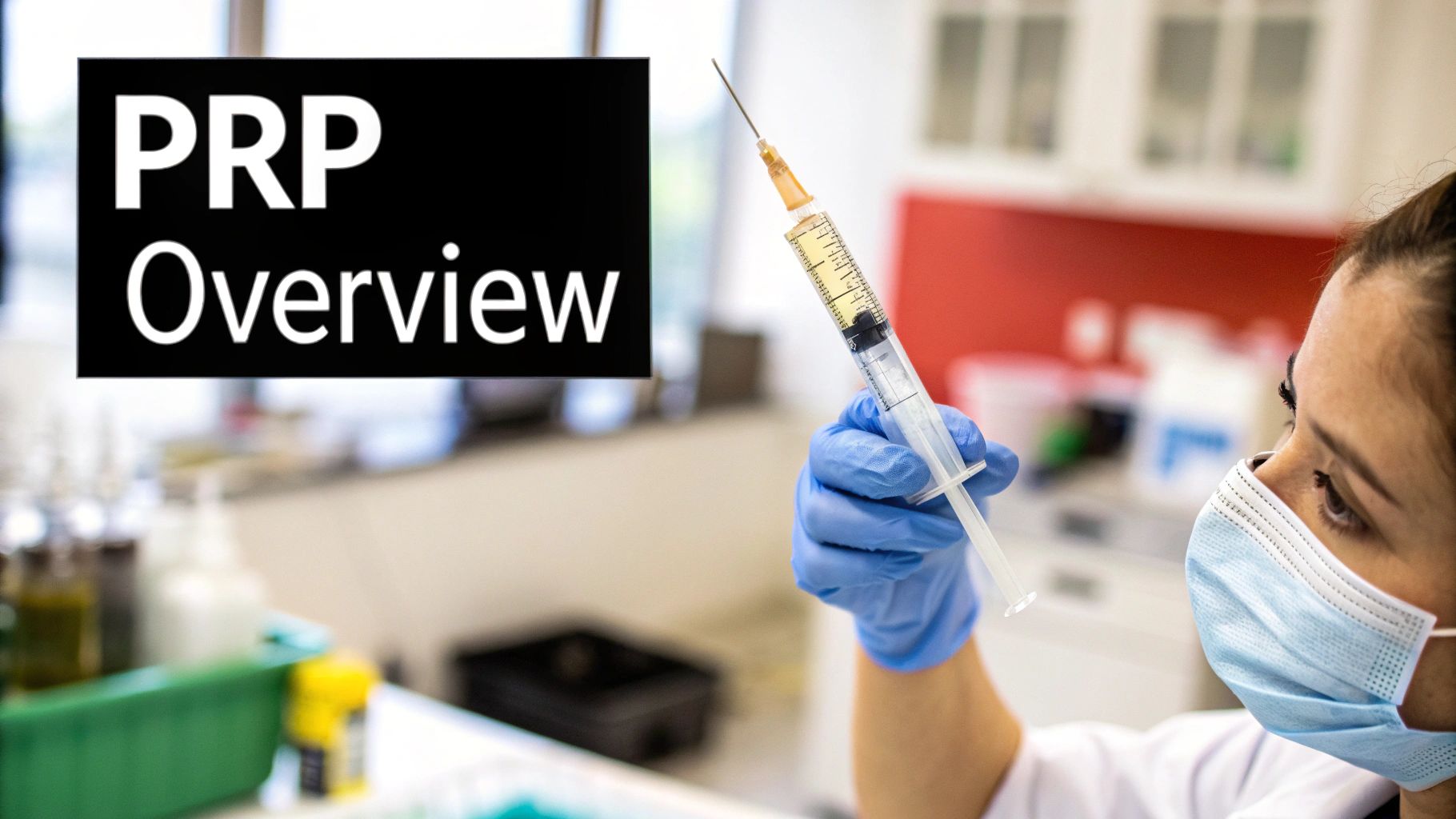
PRP hair loss treatment, or Platelet-Rich Plasma (PRP) treatment, uses your body's own healing power to fight hair thinning. This approach focuses on the growth factors found in your blood. These growth factors are essential for tissue repair and regeneration throughout the body, including stimulating hair follicles.
How Does It Work?
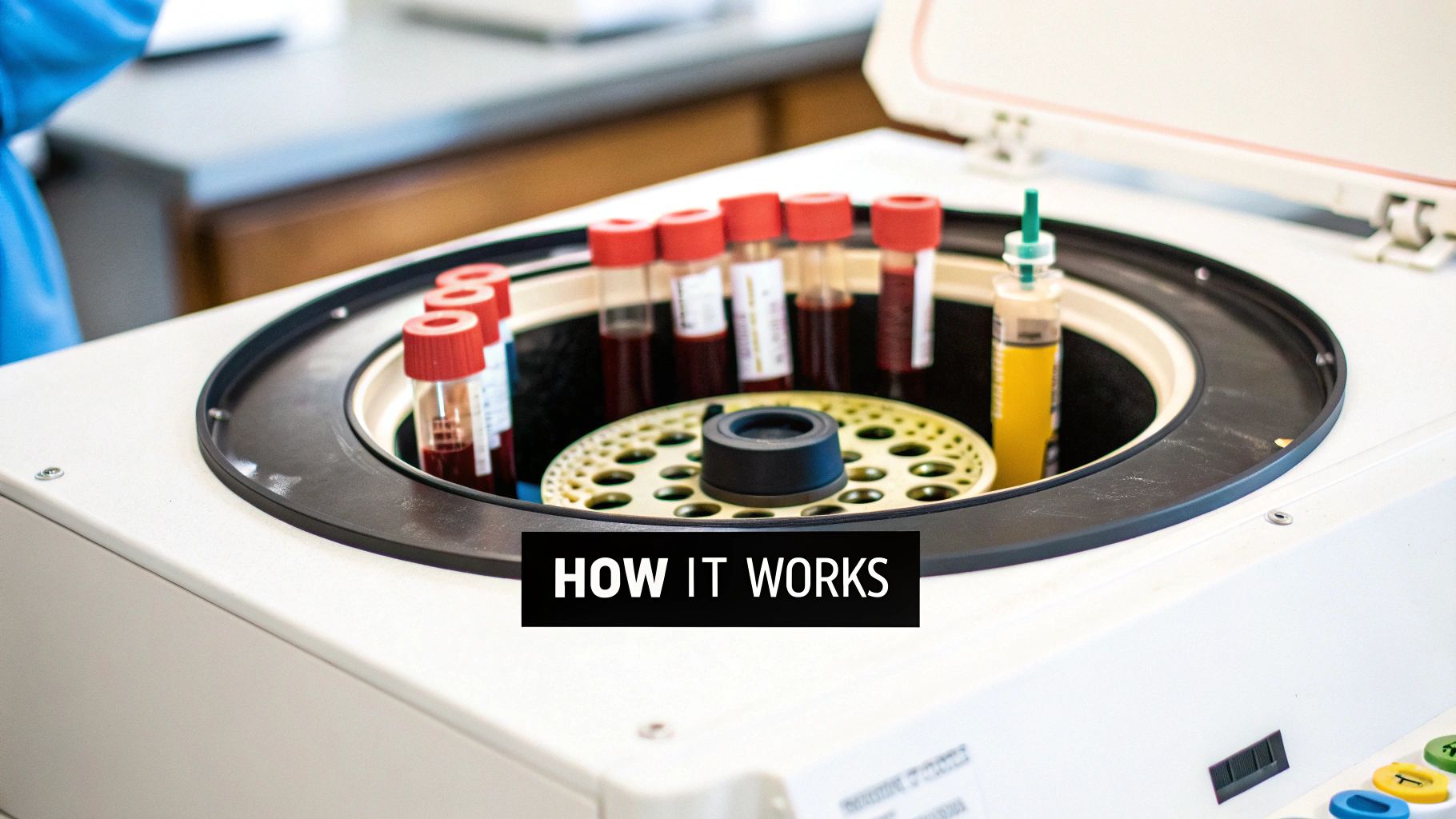
The process starts with a simple blood draw, much like a routine blood test. This sample is then put into a centrifuge, a machine that spins rapidly to separate the different parts of your blood. This isolates the platelet-rich plasma, which holds a concentrated amount of those vital growth factors. The PRP is then carefully injected into your scalp, targeting areas with hair loss.
Think of it like fertilizing a garden. Fertilizer provides nutrients for plant growth. Similarly, the PRP injection delivers a concentrated boost of growth factors to nourish and revitalize inactive hair follicles. These growth factors encourage the follicles to start growing hair again, leading to increased hair production and thickness.
The Role of Growth Factors
Several key growth factors in PRP make it effective for treating hair loss. One is Platelet-Derived Growth Factor (PDGF), which encourages cell division and growth. Another is Vascular Endothelial Growth Factor (VEGF), which supports healthy blood flow to the hair follicles. This improved circulation delivers the necessary nutrients and oxygen for optimal follicle function. Transforming Growth Factor-Beta (TGF-β) also helps regulate the hair growth cycle.
PRP Treatment Success Rates and Expectations
PRP hair treatment has gained popularity because of its promising success rates. Studies and clinical trials show success rates between 70% and 80%, with some patients seeing results as high as 90%. This is especially true for people in the early stages of hair loss who still have active hair follicles. The procedure involves drawing blood, processing it to concentrate the platelet-rich plasma, and injecting it into the scalp. This plasma is rich in growth factors and proteins that can stimulate dormant hair follicles, improve hair density, and encourage natural hair growth. Learn more about PRP treatment success rates here.
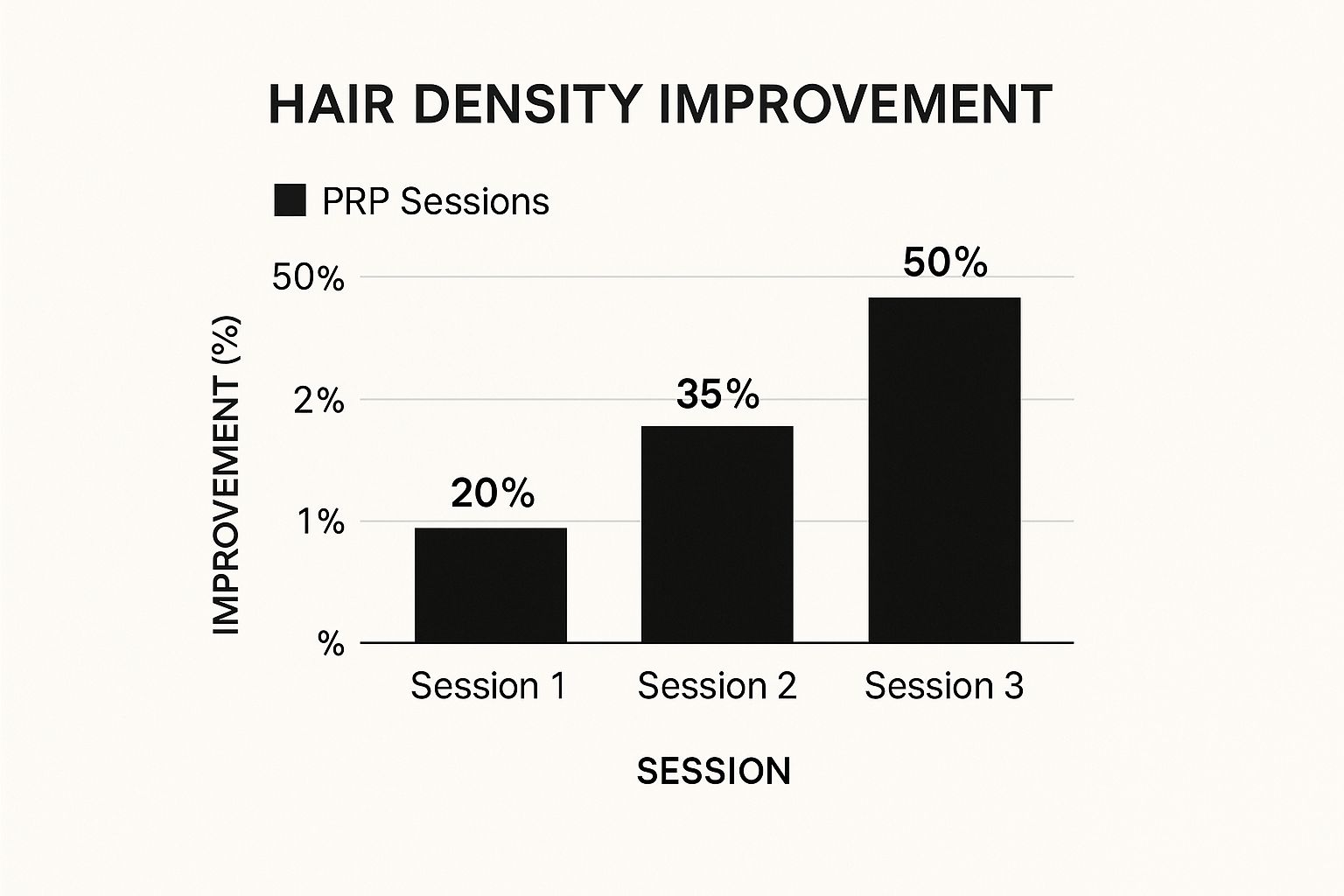
Treatment typically involves several sessions spaced four to six weeks apart, followed by maintenance treatments. While promising, individual results can vary based on factors like the stage of hair loss and the health of the patient's hair follicles.
What to Expect After Treatment
After treatment, some patients might feel mild soreness or tenderness where the injections were given. This is usually temporary and goes away within a few days. While results vary, many people start to see thicker and denser hair within a few months. Hair growth is a cycle, so PRP therapy often involves a series of treatments several weeks apart. Maintenance treatments are also recommended for sustained results. This ongoing process keeps the hair follicles stimulated and active, promoting continued hair growth and improved scalp health.
Why PRP Hair Loss Treatment Is Gaining Popularity
PRP hair loss treatment is quickly becoming recognized as a valuable option in hair restoration. This approach uses the body's own healing abilities to address hair thinning and encourage regrowth. The move towards natural solutions appeals to both practitioners and patients looking for effective, less invasive treatments.
The Appeal of Natural Therapies
A key reason for the growing interest in PRP therapy is its use of the body's own resources. Unlike medications or surgery, PRP uses platelet-rich plasma taken from the patient's blood. This natural approach reduces the chance of adverse reactions and fits with the increasing preference for therapies that work with the body. To better grasp the biological reasons behind PRP's success, consider research into general well-being, like the concepts discussed in this article on the Science Behind Lasting Happiness. This emphasis on natural processes gives patients reassurance and a sense of control over their treatment.
Advantages Over Traditional Treatments
Traditional hair loss treatments often have drawbacks. Medications can have undesirable side effects, and surgery can be invasive with lengthy recovery times. PRP therapy presents a strong alternative, offering a relatively fast, non-surgical procedure with minimal downtime. This convenience is a major benefit for people seeking effective solutions that fit easily into their lives.
The Role of Growth Factors
PRP's effectiveness comes from the concentrated growth factors found in platelet-rich plasma. These growth factors, such as PDGF and VEGF, are essential for tissue regeneration and stimulating inactive hair follicles. This focused delivery of growth factors creates an ideal environment for hair regrowth, leading to thicker, fuller hair and improved scalp health.
Market Growth and Future Potential
The U.S. market for PRP and stem cell alopecia treatment is experiencing significant growth. Valued at USD 255.20 million in 2024, it's projected to reach USD 438.91 million by 2030, expanding at a CAGR of 9.46%. This substantial growth reflects the increasing demand for innovative therapies like PRP that offer better patient results with fewer side effects. You can find detailed statistics here. PRP’s potential for quicker hair regrowth and longer-lasting results compared to traditional methods further contributes to its growing adoption.
Ongoing Advancements in PRP
The field of PRP therapy is constantly developing, with ongoing research and technological progress leading to refined treatment protocols and improved outcomes. These innovations ensure patients receive the most up-to-date and effective procedures, strengthening PRP’s position as a prominent hair restoration option.
PRP Hair Loss Treatment for Women: Breaking Barriers
Female hair loss can be a deeply personal struggle, presenting both emotional and physical challenges. While thinning hair affects both men and women, societal expectations can make the experience especially difficult for women. PRP (Platelet-Rich Plasma) hair loss treatment offers a discreet and increasingly sought-after solution, harnessing the body's own healing power to promote hair regrowth.
Understanding the Emotional Impact
Hair loss can significantly impact a woman's self-esteem and confidence. This can affect social interactions, personal relationships, and overall well-being. Many women experiencing hair loss describe feeling a loss of control over their appearance. PRP offers a way to regain that control, working with the body's natural processes to encourage new growth.
Tailored Treatment for Women
PRP therapy is adaptable to various forms of hair loss, including female pattern hair loss (FPHL), postpartum shedding, and thinning caused by hormonal changes. For instance, postpartum hair loss, frequently temporary and related to hormonal shifts after pregnancy, can be effectively addressed with PRP to expedite the recovery process and support healthy regrowth. Treatment protocols can be customized to each individual's needs and the specific type of hair loss they're experiencing.
Timing and Complementary Approaches
Careful consideration of timing is crucial for women considering PRP hair loss treatment. Certain life events, such as pregnancy or major surgery, might necessitate adjustments to the treatment schedule to ensure both safety and optimal outcomes. Integrating PRP with other therapies can further enhance benefits. Combining treatments, such as nutritional supplements or specialized hair care products alongside PRP injections, may create a synergistic effect that fosters overall scalp health and increased hair thickness.
Realistic Expectations and Timelines
It's essential to have realistic expectations with PRP treatment. Results are individual, and the process takes time. It’s not a quick fix. Studies highlight the potential of PRP therapy for female hair loss, with a substantial number of women experiencing improvements. Approximately 95% of patients report a cessation of hair loss within three months, while 86% see noticeable regrowth. PRP is utilized to treat FPHL, androgenetic alopecia (AGA), and telogen effluvium (TE) by enhancing tissue repair and stimulating hair follicle activity. Learn more about the promise of PRP therapy for female hair loss here. It's worth noting that ongoing discussion within the medical community centers around the consistency of research methodologies in this area.
Real Patient Journeys
Understanding the potential of PRP hair loss treatment often begins with hearing about real-life experiences. The stories of women who have experienced improvements in hair density and thickness offer valuable insights into what to expect during and after treatment. These real stories can help women make informed decisions about their own hair restoration journey.
PRP vs. Traditional Hair Loss Approaches: The Clear Winner?
Choosing the right hair loss treatment requires careful consideration of various factors. This section compares Platelet-Rich Plasma (PRP) therapy with traditional methods like topical solutions, oral medications, and surgical transplants, outlining the advantages and disadvantages of each. We'll also explore how individual needs and the stage of hair loss influence treatment decisions.
PRP: A Deeper Dive
PRP therapy involves injecting concentrated growth factors derived from your own blood into your scalp. These growth factors stimulate dormant hair follicles, promoting natural hair growth. PRP presents a minimally invasive alternative to surgery and typically has fewer side effects than medications.
Traditional Treatments: Benefits and Drawbacks
-
Topical Solutions (e.g., Minoxidil): Available over-the-counter, topical solutions provide an accessible first step for many experiencing hair loss. However, results can be limited and may cease upon discontinuation. Scalp irritation is a potential side effect.
-
Oral Medications (e.g., Finasteride): Effective for some men, oral medications can have potential side effects, such as decreased libido. These medications are generally not recommended for women.
-
Surgical Transplants: Offering a more permanent solution, hair transplants are invasive, expensive, and involve a significant recovery time.
Emerging Therapies: Expanding Options
Beyond traditional methods, emerging therapies like low-level laser therapy (LLLT) and microneedling are gaining popularity. LLLT employs low-level lasers to stimulate hair growth. Microneedling creates micro-wounds in the scalp to encourage healing and growth. Both therapies often show improved results when combined with other treatments like PRP or minoxidil. Newer treatments like KeraFactor combine growth factors with skin proteins to enhance hair growth. This in-office procedure involves creating micro-channels in the scalp before applying the serum, followed by LLLT for better absorption and efficacy.
Comparing Hair Loss Treatments
To help visualize the key differences between these treatments, the data chart below compares factors such as success rates, potential side effects, treatment time, and cost.
The data chart reveals that while PRP may require a higher initial investment, it boasts a higher success rate than minoxidil. Hair transplants, although offering a more permanent solution, are significantly more costly and involve longer recovery periods. The chart highlights PRP's cost-effectiveness compared to surgical options.
To further illustrate the comparisons, the following table provides a detailed breakdown of each treatment:
| Treatment Type | Success Rate | Side Effects | Treatment Time | Maintenance | Natural Results | Cost Range |
|---|---|---|---|---|---|---|
| PRP | 70-80% | Minimal | Moderate | Moderate | Yes | $$ |
| Minoxidil | 40-55% | Mild | Ongoing | Ongoing | Yes | $ |
| Finasteride | 60-70% | Moderate | Ongoing | Ongoing | Yes | $ |
| Hair Transplant | 80-90% | Significant | Extensive | Minimal | Yes | $$$$ |
| LLLT | Variable | Minimal | Ongoing | Ongoing | Yes | $$ |
Making the Right Choice
The optimal treatment depends on individual circumstances. Factors to consider include age, the type and extent of hair loss, budget, comfort level with various procedures, and lifestyle. A thorough consultation with a hair loss specialist is essential to determine whether PRP or a combination of therapies is the best approach. This discussion should encompass not only the initial cost but also long-term maintenance, sustainability, and the potential for combining PRP with other treatments for optimal results. An informed decision empowers you on your hair restoration journey.
Maximizing Your PRP Hair Loss Treatment Investment
The journey to restoring your hair involves more than just the PRP hair loss treatment. Truly maximizing your investment requires a comprehensive approach that supports the treatment and encourages long-term hair health. Think of it as creating the ideal environment for your hair follicles to thrive.
Factors like proper nutrition and specific lifestyle adjustments can significantly influence your results. This section explores science-backed methods to amplify PRP treatment results and ensure lasting improvement.
Nutritional Foundations for Hair Growth
Like plants needing the right nutrients, your hair follicles require specific building blocks for optimal growth. Biotin, zinc, and iron are key nutrients that play crucial roles in hair follicle function and the production of keratin, the primary protein in hair. Deficiencies in these nutrients can lead to hair thinning and shedding.
Other often-overlooked micronutrients, like vitamin D and selenium, also contribute to hair health. Ensuring adequate intake of these essential nutrients can support healthy hair growth from within.
Lifestyle Changes That Make a Difference
Beyond nutrition, several lifestyle changes can amplify the effectiveness of your PRP treatment. Managing stress through techniques like mindfulness or regular exercise can positively influence hair health. Stress reduction supports healthy hormonal balance, crucial for hair growth cycles.
For example, high stress is often linked to telogen effluvium, a type of temporary hair loss. Getting adequate sleep and staying properly hydrated are also essential for cell regeneration and overall follicle health. These lifestyle adjustments contribute to a healthier internal environment that supports hair growth.
Complementary Therapies for Enhanced Results
Certain complementary therapies can create synergistic effects with PRP hair loss treatment. Microneedling, which creates micro-channels in the scalp, can boost the absorption of growth factors. This minimally invasive procedure can enhance the delivery of PRP's benefits to the hair follicles.
Low-level laser therapy (LLLT) is another complementary therapy that can stimulate hair follicles, encouraging thicker, stronger hair. These combination therapies can be incorporated into your pre- and post-treatment protocols to enhance and maintain results. Making informed decisions about these therapies is key, much like choosing the right e-commerce platform, as highlighted in this Shopify vs WordPress comparison.
Pre- and Post-Treatment Protocols
Your practitioner will likely recommend specific pre- and post-treatment guidelines to optimize your results. Pre-treatment instructions may involve avoiding certain medications or supplements that could interfere with the PRP process. This ensures the treatment is as effective as possible.
Post-treatment protocols often focus on scalp care and promoting healthy circulation to the treated area. This might include gentle cleansing techniques and avoiding excessive heat or harsh chemicals. Following these guidelines is crucial for protecting your investment and achieving visible, sustainable improvements.
PRP Hair Loss Treatment Journey: What to Really Expect
Beginning PRP hair loss treatment is a journey that requires patience and realistic expectations. This guide provides a roadmap of what you can anticipate during and after your PRP treatments, from the first consultation to long-term maintenance.
The Initial Consultation: Setting the Stage
Your PRP journey starts with a consultation with a qualified practitioner. This critical first step includes a comprehensive assessment of your hair loss, medical history, and overall health. The practitioner will evaluate key factors such as the pattern and extent of your hair loss, family history, and any underlying medical conditions. This detailed evaluation enables a personalized treatment plan specifically designed for your individual needs and goals.
The Treatment Process: What to Expect
The PRP treatment itself is a multi-stage process. It begins with a standard blood draw. Your blood is then processed in a centrifuge to isolate the platelet-rich plasma (PRP) from other blood components. This PRP, concentrated with growth factors, is then injected into targeted areas of your scalp experiencing hair loss. You may feel mild, temporary discomfort at the injection sites. This discomfort usually resolves within a few days.
Post-Treatment: Understanding the Healing Phase
After the treatment, it is common to experience some scalp tenderness or redness. These are typically short-term effects that disappear naturally. It's important to carefully follow your practitioner’s post-treatment instructions. These might include guidelines for washing your hair, avoiding certain hair products, and managing any potential discomfort. This post-treatment phase is when the growth factors within the PRP are actively stimulating your hair follicles.
The Shedding Phase: A Temporary Setback
Many individuals experience a temporary shedding phase in the weeks following treatment. While this can be concerning, it's a typical part of the process and actually signals that the treatment is working. The shedding phase happens as the hair follicles transition from a dormant state to an active growth phase. Essentially, weaker hairs are shed to make way for the growth of new, healthier hair.
Timeline for Visible Results: Patience is Key
Noticeable changes typically start to appear a few months after the initial treatment. Individual responses, however, can differ. Hair growth is a gradual process, and it's important to maintain realistic expectations and be patient. Consistent adherence to your recommended treatment schedule is vital for achieving optimal, long-term results.
Long-Term Maintenance: Sustaining Your Results
PRP hair loss treatment often requires ongoing maintenance treatments to preserve the results you've achieved. These maintenance treatments help ensure the hair follicles remain stimulated and active, encouraging continued hair growth. The frequency of these treatments will depend on your individual needs and the recommendations provided by your practitioner.
Evaluating Your Progress: Beyond Hair Counts
Practitioners evaluate PRP treatment outcomes by considering a range of factors beyond simply counting hairs. These include hair thickness, density, and overall scalp health. They also monitor the coverage of the treated areas and assess the quality of new hair growth. This comprehensive evaluation ensures the treatment remains effective and addresses your individual concerns. Open communication with your practitioner is essential throughout the process. They can offer guidance on evaluating your progress and answer any questions.
To help illustrate the typical progression of results following PRP treatment, the table below outlines what you can generally expect at different time intervals:
PRP Hair Loss Treatment Timeline and Results
| Time Period | Expected Results | Recommended Actions | Consultation Points |
|---|---|---|---|
| Initial Consultation | Assessment and Personalized Treatment Plan | Discuss Goals and Expectations | Medical History Review |
| During Treatment | Mild, temporary discomfort at injection sites | Follow Practitioner's Instructions | Procedure Explanation |
| Weeks After Treatment | Temporary shedding phase, some scalp tenderness | Gentle scalp care, follow instructions | Address concerns, manage expectations |
| 3-6 Months After Treatment | Noticeable improvement in hair thickness/density | Continue maintenance treatments | Monitor Progress, Adjust Plan |
| Long-Term | Sustained hair growth with maintenance | Regular maintenance treatments | Ongoing support and evaluation |
This table offers a general overview, and your individual experience may vary. It's always best to discuss your specific progress and any concerns with your practitioner. They can provide personalized advice and adjust your treatment plan as needed.
Is PRP Hair Loss Treatment Right for Your Situation?
PRP hair loss treatment offers a promising approach to hair restoration, but it isn't a one-size-fits-all solution. Determining if PRP is the right choice for your individual needs requires careful consideration of several factors. This section will guide you through the key points to help you make an informed decision.
Factors Influencing PRP Treatment Success
Several factors play a crucial role in how well you may respond to PRP hair loss treatment. One primary consideration is the stage of hair loss. PRP tends to be most effective for people in the earlier stages of thinning, where hair follicles are still active, though weakened. For individuals with advanced hair loss and significant follicle miniaturization, PRP may be less effective on its own.
Age can also influence treatment outcomes. While PRP can benefit individuals of various ages, younger patients with stronger regenerative capabilities may generally see more improvement. Another critical factor is the overall health of your hair follicles. Practitioners often assess follicle viability through microscopic examination or other diagnostic methods to evaluate their regrowth potential.
Underlying Health Conditions and Medications
Your overall health profile can also impact PRP treatment effectiveness. Certain underlying health conditions, such as autoimmune disorders or hormonal imbalances, can affect hair growth and may necessitate additional medical care. For instance, conditions like thyroid disorders can trigger hair shedding, and managing these underlying issues is essential for successful PRP outcomes. Open communication with your practitioner about your medical history is vital.
Some medications, such as blood thinners or immunosuppressants, can interfere with the PRP process or affect healing. Blood thinners, for example, can influence the concentration of platelets in the PRP preparation, possibly decreasing the treatment's efficacy. Providing your practitioner with a complete list of your medications is crucial to identify any potential interactions or contraindications.
Alternatives and Complementary Options
PRP may not be the only solution for those with advanced hair loss or specific medical conditions. Alternative or complementary treatments might be more appropriate or can work in conjunction with PRP. Hair transplant surgery, for example, offers a more permanent solution for individuals with significant hair loss and healthy donor areas. Other treatments, like low-level laser therapy (LLLT) or microneedling, can potentially enhance PRP results when combined.
Self-Assessment and Making an Informed Decision
To determine if PRP is a suitable option for you, consider these questions:
- What stage of hair loss are you experiencing? Is it early thinning or more advanced?
- What is your overall health status? Are there underlying medical conditions or medications that could impact treatment?
- What are your hair restoration goals? Are you seeking a natural way to stimulate growth or a permanent surgical solution?
Honest answers to these questions can guide your initial assessment. A thorough consultation with a qualified practitioner, however, remains the most critical step. They can evaluate your hair loss and recommend the best course of action. This transparent assessment helps you make a well-informed decision before investing time and resources.
Ready to explore if PRP is the right solution for you? Visit PRP For HairLoss to learn more and begin your hair restoration journey.

 PRP For Hairloss
Leave a comment