PRP: Real People, Real Results
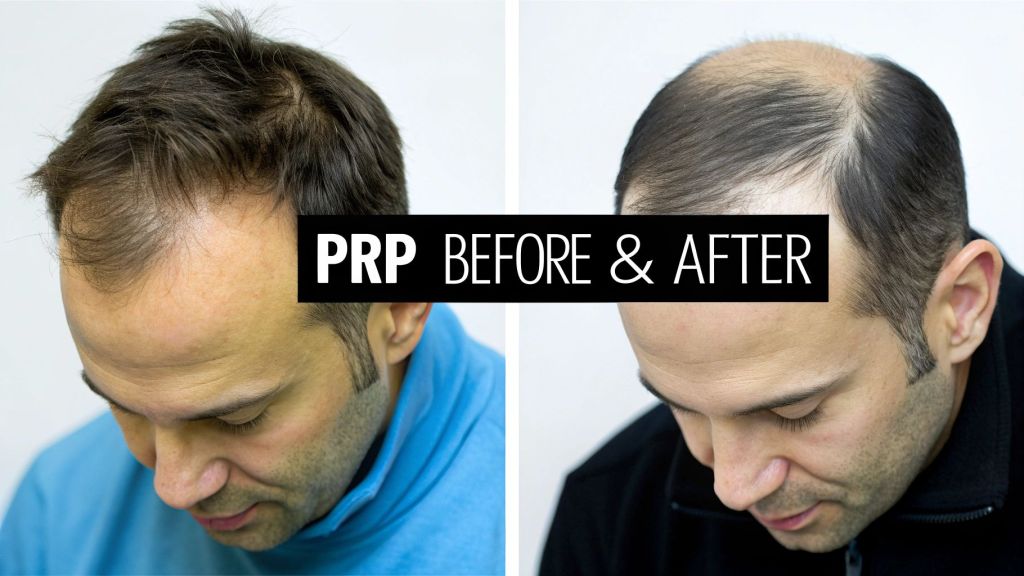
Losing your hair? Platelet-Rich Plasma (PRP) therapy may be the solution. See how PRP for hair loss can work for you with these six PRP hair loss before and after examples. Discover the impact of PRP treatment on various conditions, including male and female pattern baldness, post-pregnancy hair loss, alopecia areata, and even post-transplant enhancement. This list showcases the versatility and effectiveness of PRP, providing real-world results and offering hope for a fuller head of hair.
1. Early-Stage Male Pattern Baldness PRP Treatment
One of the most promising non-surgical treatments for hair loss, particularly in men experiencing early-stage androgenetic alopecia (male pattern baldness), is Platelet-Rich Plasma (PRP) therapy. This innovative approach leverages the healing power of your own blood to stimulate dormant hair follicles and promote hair regrowth. PRP therapy involves extracting a small sample of your blood, processing it to concentrate the platelets (which contain growth factors), and then injecting this platelet-rich plasma directly into the scalp in areas experiencing thinning. These growth factors work to rejuvenate the hair follicles and improve blood supply to the scalp, encouraging thicker, healthier hair growth. This treatment is particularly effective for men experiencing thinning hair in the crown and frontal areas (receding hairline).
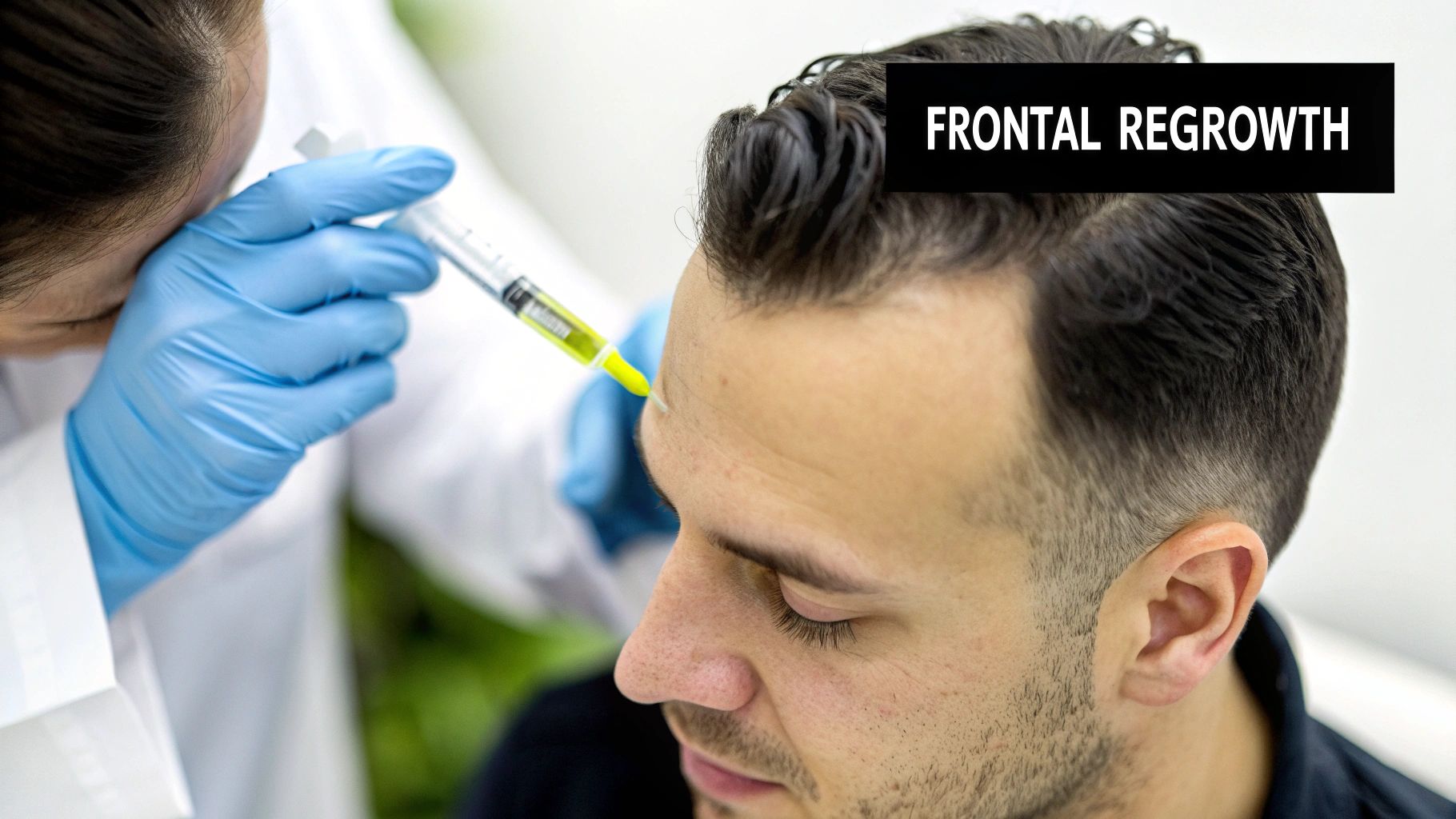
A typical treatment plan for early-stage male pattern baldness involves four PRP sessions spaced approximately 4-6 weeks apart. The concentration of platelets in the injected PRP is typically 5-7 times higher than what's found in normal blood, maximizing the therapeutic effect. Visible results, including improved hair density and thickness, are typically observed after 3-4 months. In case studies like that of a 35-year-old male with early-stage hair loss, a density improvement of 30-40% in the treated areas has been documented after undergoing a series of PRP treatments. Before treatment, visible scalp was noticeable through thinning hair, especially in the crown and along the receding hairline. After four sessions, a 40% increase in hair count was observed in these areas, along with improved hair shaft thickness, showcasing a successful implementation of PRP therapy for hair loss.
Why choose PRP for early-stage hair loss? PRP offers several advantages over other hair restoration methods. It utilizes the patient's own blood (autologous), minimizing the risk of rejection or allergic reactions. The procedure is minimally invasive, with most patients resuming normal activities within 24 hours. Unlike surgical hair restoration, PRP doesn't leave any scarring. The results appear natural, with gradual improvement over time.
However, PRP therapy isn't without its drawbacks. Maintenance treatments are typically required every 6-12 months to sustain the results. While minimal, some patients experience initial scalp redness and minor discomfort for 1-2 days post-treatment. It's also important to understand that PRP therapy may not be as effective for advanced hair loss as surgical options. The cost, ranging from $500-700 per session, can also be a factor.
Tips for Maximizing PRP Results:
- Combine with other treatments: PRP therapy often works best when combined with other hair loss treatments like minoxidil and/or finasteride.
- Avoid blood thinners: Stop taking blood-thinning medications for at least one week before your scheduled PRP treatment.
- Gentle scalp massage: Post-treatment, gentle scalp massage can help enhance blood flow to the treated areas.
- Consistent photography: Take photographs in consistent lighting and angles before and after each treatment to accurately track your progress.
PRP therapy has been popularized by physicians like Dr. Charles Runels, a pioneer in various PRP applications, and has gained further attention through celebrities like Kim Kardashian who have publicized its use for hair rejuvenation. For men seeking a non-surgical, natural-looking solution for early-stage hair loss, PRP therapy represents a valuable option worth considering. While not a permanent fix, it offers a promising way to combat hair thinning and restore confidence.
2. Female Pattern Hair Loss PRP Recovery
Female pattern hair loss (FPHL) can be a distressing experience, often impacting self-esteem and confidence. Unlike male pattern baldness, FPHL typically presents as diffuse thinning across the scalp, particularly noticeable as a widening part. PRP therapy offers a promising non-surgical solution, especially for women experiencing hormonal-related hair thinning, a common occurrence during perimenopause. This treatment leverages the body's natural healing capabilities to stimulate hair follicle regeneration and combat the miniaturization caused by dihydrotestosterone (DHT) sensitivity. PRP injections deliver a concentrated dose of growth factors directly to the affected area, revitalizing dormant follicles and promoting new hair growth.
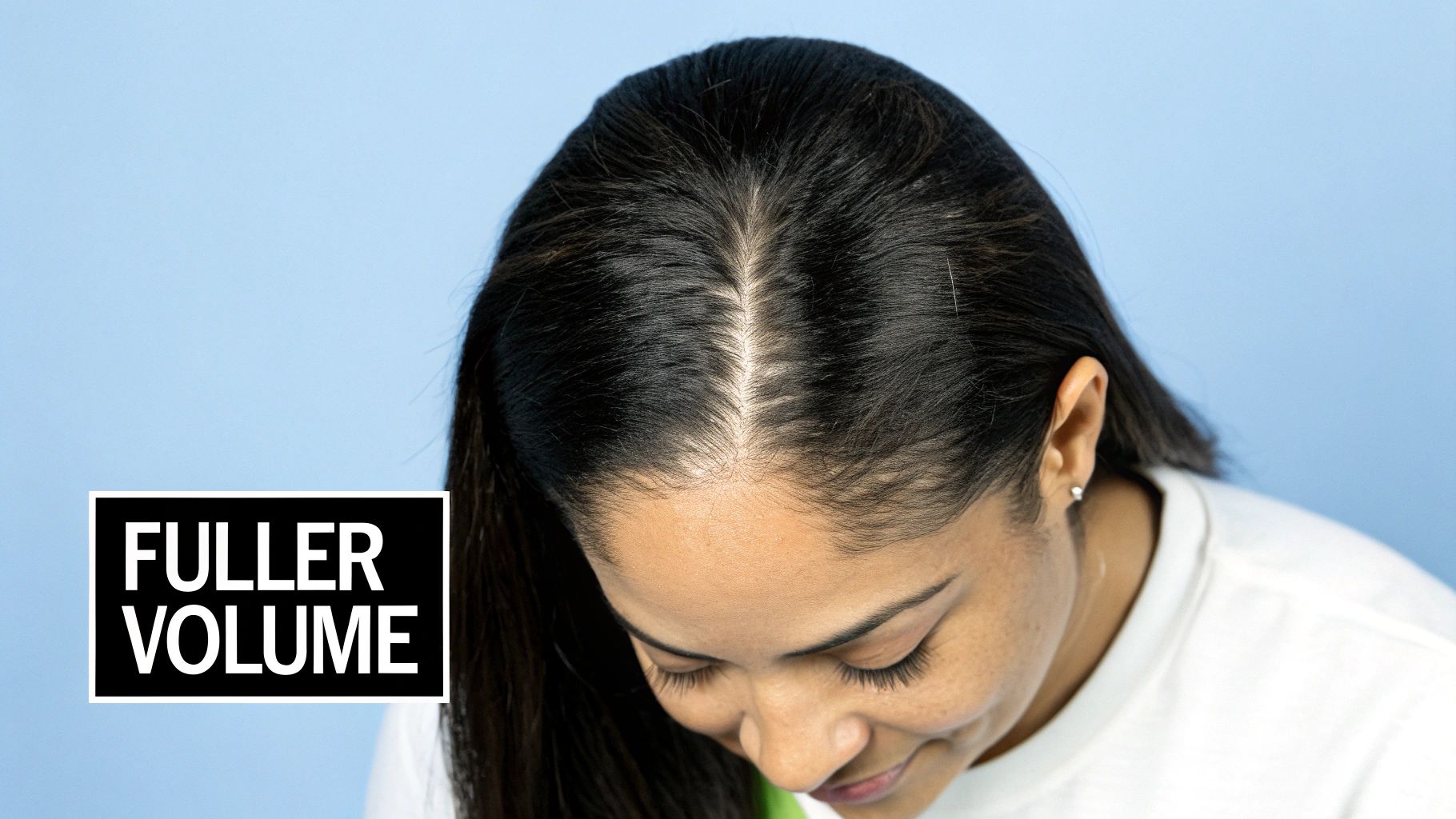
One compelling case demonstrates the efficacy of PRP for FPHL. A 42-year-old woman experiencing diffuse thinning underwent six PRP treatments over eight months. The protocol utilized a 6x baseline platelet concentration using the activated PRP (A-PRP) technique with calcium chloride, combined with microneedling to maximize penetration. The results showed significant improvement, particularly in the widening part area. This approach addresses a key concern for women with FPHL who often experience thinning across the entire scalp, making targeted treatments less effective. The treatment also improved overall hair quality, resulting in increased shine and improved texture.
This method deserves a place on this list because it offers a targeted solution for a specific demographic often overlooked in the hair loss conversation: women experiencing FPHL. It provides a non-surgical, natural alternative that is compatible with other treatments, like hormone replacement therapy. While PRP is beneficial for men, this particular protocol's focus on diffuse thinning and hormonal influence makes it particularly relevant for women.
Pros:
- Non-surgical and suitable for women undergoing perimenopause.
- Improves both hair quality (shine, texture) and quantity.
- Compatible with concurrent hormone replacement therapy.
- Shows progressive improvement even months after the final treatment.
Cons:
- Requires more sessions than male pattern baldness treatments.
- Yields less dramatic results for long-standing (>5 years) thinning.
- Can be expensive, with a total treatment cost often exceeding $3,000.
- Requires lifestyle modifications, including stress management, for optimal results.
Examples of Before and After Results:
- Before: Widened part with approximately 30% visible scalp and miniaturized hairs throughout the top of the head.
- After: Part width reduced by half with a 70% coverage increase and significantly thicker individual hair shafts.
Actionable Tips for Optimal Results:
- Optimize iron and vitamin D levels before starting treatment.
- Delay hair washing for 24-48 hours post-treatment.
- Consider combining PRP with low-level laser therapy (LLLT) for enhanced results.
- Avoid heat styling for one week after each treatment to protect newly activated follicles.
While this case highlights the potential of PRP for FPHL, individual results can vary. Consulting with a qualified dermatologist specializing in hair loss, like Dr. Jeffrey Rapaport, a leading researcher in PRP for female hair loss, is crucial for determining suitability and developing a personalized treatment plan. Looking at dermatology journals featuring female-specific PRP protocols can also provide valuable insights. This information allows patients to make informed decisions about their hair restoration journey and manage expectations regarding PRP hair loss before and after results.
3. Post-Pregnancy Hair Loss Recovery with PRP
Experiencing significant hair shedding after pregnancy is a common concern for many women. This type of hair loss, known as telogen effluvium, is triggered by hormonal shifts and typically resolves within 9-12 months postpartum. However, Platelet-Rich Plasma (PRP) therapy offers a way to potentially accelerate this natural recovery process and restore hair density sooner. PRP therapy involves extracting a small sample of your blood, processing it to concentrate the platelets (which contain growth factors), and then injecting this concentrated solution into the affected areas of the scalp. These growth factors stimulate dormant hair follicles, promoting the transition from the resting (telogen) phase to the growth (anagen) phase.
One documented case showcases a 31-year-old woman who experienced a 40% reduction in hair volume at the hairline and temples after childbirth. She underwent three concentrated PRP sessions at one-month intervals, starting four months postpartum. The injections targeted the frontotemporal areas most affected by the shedding, and she also incorporated specific postpartum nutritional supplements. Trichoscopy measurements documented improvements in hair density both before and after treatment. After the PRP treatment course, she experienced complete frontotemporal regrowth with improved hair caliber, even exceeding her pre-pregnancy hair density. While this case focuses on postpartum hair loss, the underlying mechanism of action makes PRP a viable option for other types of hair loss as well, making it relevant to a broader audience, including men experiencing hair thinning or loss.
While PRP offers a promising solution for accelerated hair loss recovery, it's important to be aware of both the pros and cons. Benefits include a faster return to pre-pregnancy hair density (3-4 months vs. the typical 9-12 months), safety for breastfeeding mothers due to the use of autologous blood products, and the potential to prevent progression to chronic telogen effluvium. The psychological benefits of addressing postpartum hair loss and improving appearance can also be significant. However, the procedure involves moderate discomfort during the injections, necessitating topical anesthesia. There might also be a temporary worsening of shedding for 1-2 weeks after the initial treatment. The cost of PRP is generally higher compared to simply waiting for natural recovery, and it can be difficult to definitively distinguish natural regrowth from treatment-induced improvements.
For those considering PRP for postpartum hair loss (or other forms of hair loss), here are some helpful tips: time the treatment to begin after the excessive shedding phase has stabilized, continue taking prenatal vitamins during the treatment period, and use gentle, sulfate-free hair products throughout the recovery process. Meticulous documentation through standardized photography every four weeks can help track progress objectively. Though popularized in maternal-focused medical spas, the efficacy of PRP for hair loss is increasingly being recognized within the broader medical community, with obstetrics journals publishing research on postpartum aesthetics and its benefits. This further solidifies PRP's place as a viable treatment option for hair loss, not just for postpartum women, but for men experiencing hair loss as well.
4. Alopecia Areata Patch Treatment with PRP
Alopecia areata, an autoimmune condition causing patchy hair loss, can be distressing. While there's no one-size-fits-all cure, PRP (Platelet-Rich Plasma) therapy offers a promising approach, particularly for targeted treatment of individual patches. This method utilizes your own blood's growth factors to stimulate hair follicle regeneration and modulate the immune response responsible for the hair loss. Seeing compelling prp hair loss before and after results in this specific application makes it a valuable option for men experiencing this type of hair loss.
How it Works:
PRP therapy for alopecia areata involves drawing a small amount of your blood, then processing it to concentrate platelets – the cells containing growth factors crucial for tissue repair and regeneration. This concentrated PRP is then injected directly into and around the perimeters (with 1cm margins) of the affected bald patches. The double-spin technique, used to achieve 8-10 times the normal platelet concentration, ensures maximum delivery of these growth factors. This localized approach aims to both reduce the immune attack on the hair follicles and stimulate regrowth within the patch. Often, topical corticosteroids are used between PRP treatments to further manage inflammation.
Successful Implementation:
A case study highlighted a 28-year-old male patient with two distinct alopecia areata patches (3.8cm and 2.5cm in diameter). After four monthly PRP sessions, the smaller patch completely regrew hair, while the larger patch saw 80% coverage with normal pigmentation. This demonstrates the potential of PRP in achieving significant regrowth and preventing patch expansion, a common occurrence in untreated alopecia areata. Such prp hair loss before and after results underscore its potential.
Pros and Cons:
Pros:
- Significant regrowth (e.g., 70-80% in case studies) within treated patches.
- Avoids systemic immunosuppressants and their associated side effects.
- Regrown hair maintains normal pigmentation.
- Can prevent further patch expansion.
Cons:
- Variable response compared to other hair loss types like androgenetic alopecia (AGA).
- Can be more painful due to concentrated injections in small areas.
- Not universally effective; works best on recent-onset patches.
- Requires specialized platelet preparation protocols (double-spin technique for higher concentration).
When and Why to Use This Approach:
PRP for alopecia areata is particularly suitable for men with well-defined, relatively recent bald patches. It offers a targeted treatment option, avoiding the potential side effects of systemic medications. It's particularly attractive for those seeking to avoid the potential for white regrowth sometimes associated with other treatments.
Actionable Tips:
- Test Patch: Treat a small test patch first to gauge your individual responsiveness to PRP.
- Higher Concentration: Ensure your practitioner utilizes a double-spin technique for optimal platelet concentration (8-10x baseline).
- Combination Therapy: Combining PRP with microneedling can enhance effectiveness in resistant cases.
- Maintenance: Continue treatment for 2-3 sessions even after visible regrowth to ensure long-term stability.
This approach has been popularized by researchers like Dr. Amelia Hausauer and documented in case studies by the National Alopecia Areata Foundation (though a direct link is not currently available). If you're considering prp hair loss before and after exploring options for alopecia areata, consult with a qualified dermatologist specializing in hair loss to discuss if PRP is the right solution for you. They can assess your specific condition and tailor a treatment plan to maximize your chances of successful regrowth.
5. Mature Male Comprehensive PRP Hair Restoration
This approach tackles advanced male pattern baldness by combining PRP with other proven hair loss treatments for a synergistic effect. Specifically designed for men with more significant hair loss (Norwood 4-5), like noticeable vertex (crown) thinning or a receding hairline, it recognizes that PRP alone might not be sufficient for these more challenging cases. This comprehensive strategy offers a potent alternative to surgical hair transplantation, often producing comparable cosmetic improvements at a lower cost. It's an excellent option for men seeking substantial hair regrowth and improved hair thickness without undergoing surgery.
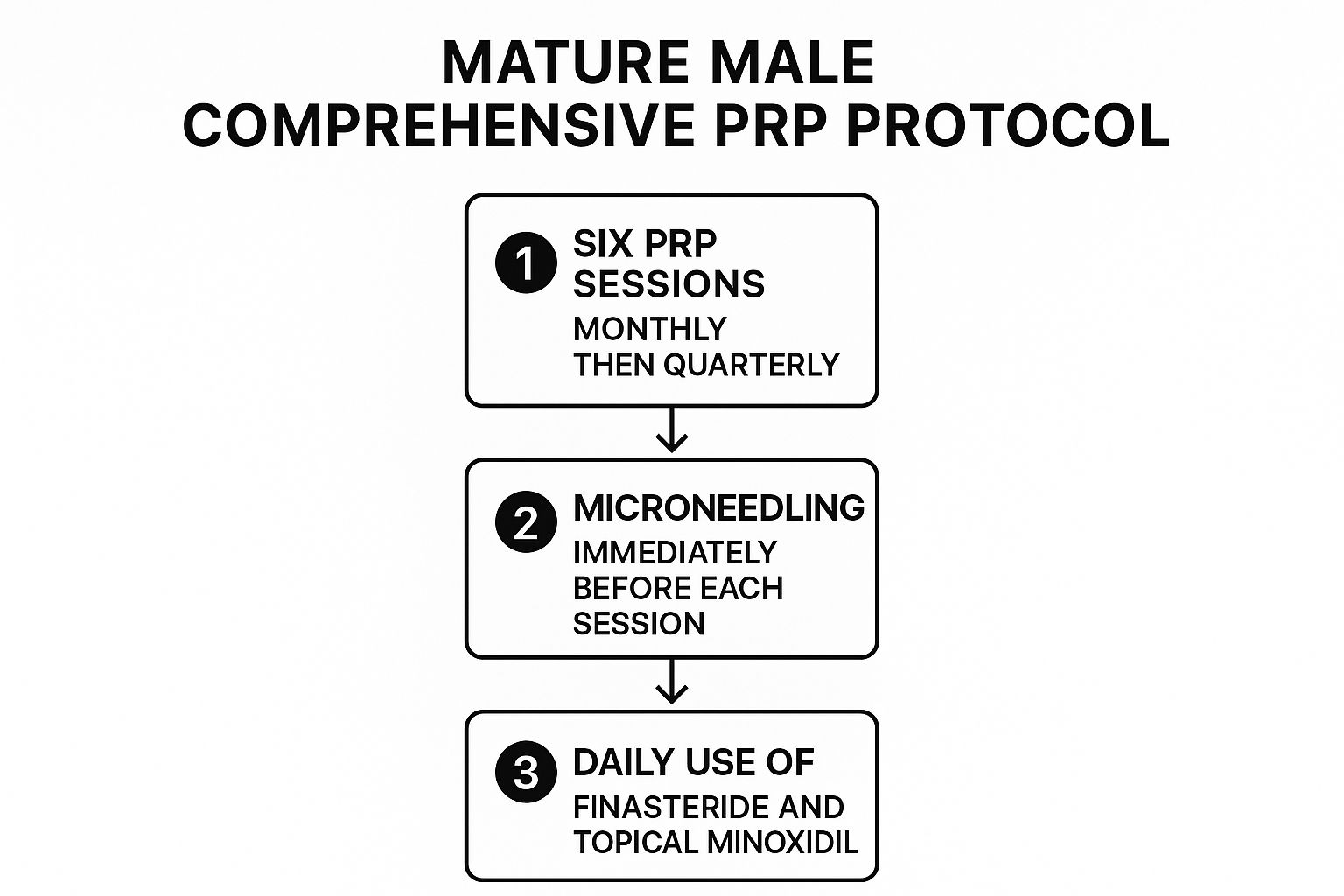
This infographic visualizes the 12-month process of comprehensive PRP hair restoration for a mature male patient. It outlines the key steps involved in this multi-modal approach, highlighting the integration of PRP, microneedling, and prescription medications.
The 12-month process begins with an initial consultation and baseline hormonal panel. Following this, the patient undergoes a series of six PRP sessions, initially monthly and then spaced out to every three months. Critically, each PRP session is immediately preceded by a microneedling treatment using a 1.5mm needle depth. Throughout the entire 12-month period, the patient also uses oral finasteride (1mg daily) and topical minoxidil (5%). The PRP injections themselves are custom-formulated and enriched with prostaglandin analogs to further enhance their effectiveness.
As the infographic demonstrates, the combined approach leads to significant improvements in hair density and coverage over time. The visualization underscores the synergistic nature of this treatment protocol and the importance of consistent application over an extended period.
This method employs a multi-pronged attack against hair loss. First, PRP, or Platelet-Rich Plasma, utilizes growth factors extracted from your own blood to stimulate dormant hair follicles and promote new hair growth. This is combined with microneedling, which creates micro-channels in the scalp to enhance PRP absorption and further stimulate hair growth by inducing collagen production. The addition of finasteride and minoxidil, two FDA-approved medications for hair loss, further inhibits DHT (a hormone linked to hair loss) and promotes hair growth respectively. Finally, the inclusion of prostaglandin analogs in the PRP formulation adds another layer of growth stimulation.
A documented case study of a 52-year-old male demonstrated a 25-30% regrowth in previously bald areas and a 40% improvement in hair thickness after 14 months of this protocol. Before treatment, the patient experienced significant vertex baldness with thin coverage across the top of his scalp. Post-treatment photos reveal full coverage of previously bald spots with moderate density and a dramatically improved frontal hairline. This is a testament to the efficacy of this combination therapy for prp hair loss before and after results.
Pros:
- Synergistic effects: Greater results than any single treatment alone.
- Stabilization and Regrowth: Halts further loss and promotes new hair growth.
- Improved Hair Caliber: Thicker, healthier-looking hair.
- Cost-effective: Compared to surgical hair transplantation.
Cons:
- Treatment Complexity: Requires adherence to multiple treatments.
- Extended Timeline: Full results take time (up to 14 months).
- Higher Total Cost: While cost-effective compared to surgery, the total cost can still be significant ($4,500+).
- Potential Side Effects: Possible mild side effects from the multiple treatments.
Tips for Success:
- Baseline Testing: Get a hormonal panel before starting.
- Photographic Documentation: Take detailed "before" and "after" photos for progress tracking.
- Treatment Sequence: Microneedling should immediately precede PRP application.
- Personalized Maintenance: Schedule follow-up treatments based on your individual response.
This comprehensive approach is popularized by hair restoration specialists like Dr. Alan Bauman and featured in men's health publications discussing non-surgical options for hair loss. It deserves its place on this list because it offers a powerful, non-surgical solution for men with advanced androgenetic alopecia who are seeking a significant improvement in their hair density and coverage. While it requires a greater commitment than PRP alone, the potential for significant and lasting results makes it a worthwhile consideration for those looking for a comprehensive solution to prp hair loss before and after concerns.
6. Post-Transplant PRP Enhancement
For men seeking to maximize the results of their hair transplant and address existing hair thinning, post-transplant PRP enhancement offers a compelling solution. This approach uses Platelet-Rich Plasma (PRP) therapy in conjunction with a hair transplant procedure, like FUE (Follicular Unit Extraction), to encourage robust graft growth and improve the overall appearance of both transplanted and native hair. This method deserves its place on this list because it addresses a key challenge in hair restoration: achieving a natural, seamless look that integrates the transplanted hair with the existing hair. Seeing impactful prp hair loss before and after results is often a key motivator for those considering this treatment.
How It Works:
PRP, derived from a patient's own blood, is rich in growth factors that stimulate cell regeneration and tissue repair. In post-transplant PRP enhancement, PRP is strategically applied to both the recipient areas where grafts are implanted and the surrounding native hair. This dual application aims to improve graft survival rates and stimulate growth in the existing hair, leading to a denser, more unified appearance. Often, platelet-poor plasma (PPP) is used as a holding solution for the grafts, further enriching their environment.
A Success Story:
Consider a 45-year-old patient who underwent a 2,200-graft FUE procedure supplemented with PRP. His treatment involved an initial PRP session during the transplant to prepare the recipient sites, followed by three additional PRP sessions at 1, 3, and 6 months post-transplant. At three months post-op, a noticeable demarcation line existed between the transplanted and native hair. However, by nine months, the integration was seamless, with marked improvement in density across both the transplanted and transitional zones. This patient’s prp hair loss before and after journey exemplifies the potential of this combined approach.
Benefits and Drawbacks:
Pros:
- Accelerated Healing: Donor and recipient areas heal faster (approximately 7 days vs. the typical 10-14 days).
- Improved Graft Survival: PRP can boost graft survival rates (estimated at 92% compared to the typical 85-90%).
- Enhanced Thickness: Both transplanted and native hairs often experience increased thickness, creating a more harmonious look.
- Reduced Shock Loss: The duration of the post-procedure shedding phase (shock loss) is often minimized.
Cons:
- Added Complexity: PRP adds complexity to the transplant procedure and recovery protocol.
- Additional Cost: Expect additional costs ranging from $1,200-$1,800 beyond the standard transplant procedure.
- Temporary Swelling: Increased swelling in the recipient area is common for 24-48 hours after PRP injections.
- Difficult Quantification: It's challenging to isolate and quantify the specific benefits of PRP separate from the transplant itself.
Actionable Tips:
- Timing is Key: The first PRP session is ideally performed on the same day as the transplant procedure.
- Gentle Handling: Employ gentle scalp massage techniques to avoid dislodging newly implanted grafts.
- Cold Compress: Use cold compresses immediately after PRP injections to minimize swelling.
- Photographic Mapping: Detailed photographic mapping of transplanted versus native areas is crucial for accurate assessment of results.
When and Why to Use This Approach:
Post-transplant PRP enhancement is particularly beneficial for men who:
- Desire the best possible aesthetic outcome from their transplant.
- Want to address existing thinning hair in conjunction with the transplant.
- Are looking for a more natural-looking integration of transplanted and native hair.
Popularized By:
This technique has been popularized by leading hair restoration surgeons like Dr. John Cole and through research presented by the International Society of Hair Restoration Surgery (ISHRS).
PRP Hair Loss Before & After Comparison
| Treatment / Aspect | Implementation Complexity 🔄 | Resource Requirements ⚡ | Expected Outcomes 📊 | Ideal Use Cases 💡 | Key Advantages ⭐ |
|---|---|---|---|---|---|
| Early-Stage Male Pattern Baldness PRP Treatment | Moderate: 4 sessions spaced 4-6 weeks apart | Moderate: Autologous blood processing; $500-700/session | ~30-40% density improvement after 3-4 months | Early-stage androgenetic alopecia in males | Natural, gradual regrowth; minimal downtime; no scarring |
| Female Pattern Hair Loss PRP Recovery | Higher: 6 sessions with activated PRP + microneedling | High: Combination therapies; >$3,000 total | Significant diffuse improvement, 70% coverage increase | Hormonal-related diffuse thinning in perimenopausal women | Improved hair quality; compatible with hormone therapy |
| Post-Pregnancy Hair Loss Recovery with PRP | Low-Moderate: 3 monthly sessions postpartum | Moderate: Nutritional supplements needed | Accelerated recovery (3-4 months vs. 9-12 months) | Telogen effluvium post-pregnancy | Safe for breastfeeding; prevents chronic shedding |
| Alopecia Areata Patch Treatment with PRP | High: Targeted injections with double-spin PRP | Moderate-High: Specialized platelet prep; topical corticosteroids | 70-80% regrowth in patches after 4 sessions | Autoimmune patchy hair loss with recent onset | Avoids systemic immunosuppressants; pigmentation preserved |
| Mature Male Comprehensive PRP Hair Restoration | Very High: Multi-modal with PRP, microneedling, meds | Very High: Multiple treatments and medications; $4,500+ | Stabilizes loss, ~25-30% regrowth, 40% thickness gain | Advanced androgenetic alopecia with longstanding loss | Synergistic effects; cost-effective alternative to surgery |
| Post-Transplant PRP Enhancement | High: PRP during and after transplant procedure | High: Added sessions and specialized PRP use | Faster healing, improved graft survival (~92%), better thickness | Enhancing follicular unit extraction transplants | Accelerates healing; reduces shock loss; unifies hair density |
Is PRP Right For You?
PRP hair loss before and after results can be dramatic, as highlighted by the diverse cases explored in this article, ranging from early-stage male pattern baldness and female pattern hair loss to post-pregnancy hair loss, alopecia areata, mature male hair restoration, and even post-transplant enhancement. These examples demonstrate the potential of PRP therapy to address a wide spectrum of hair loss concerns. The key takeaway is that PRP can be a powerful tool, but individual responses vary. Understanding your specific hair loss situation and its underlying causes is crucial for determining whether PRP is the right solution for you. Mastering this knowledge empowers you to make informed decisions about your hair restoration journey and potentially regain confidence in your appearance.
Reclaiming a healthy head of hair can significantly impact your self-esteem and overall well-being. While PRP therapy offers a promising approach, consulting with a qualified medical professional specializing in hair loss is the most vital step. They can accurately assess your condition, discuss your expectations, and tailor a treatment plan – potentially including PRP – that best addresses your individual needs.
Want to delve deeper into the world of PRP hair loss before and after stories and learn more about this innovative treatment? Explore the wealth of information available at PRP For HairLoss. This resource provides comprehensive insights into PRP therapy, helping you make a well-informed decision about your hair restoration options.
 PRP For Hairloss
Leave a comment