The Science Behind Your PRP Hair Restoration Investment
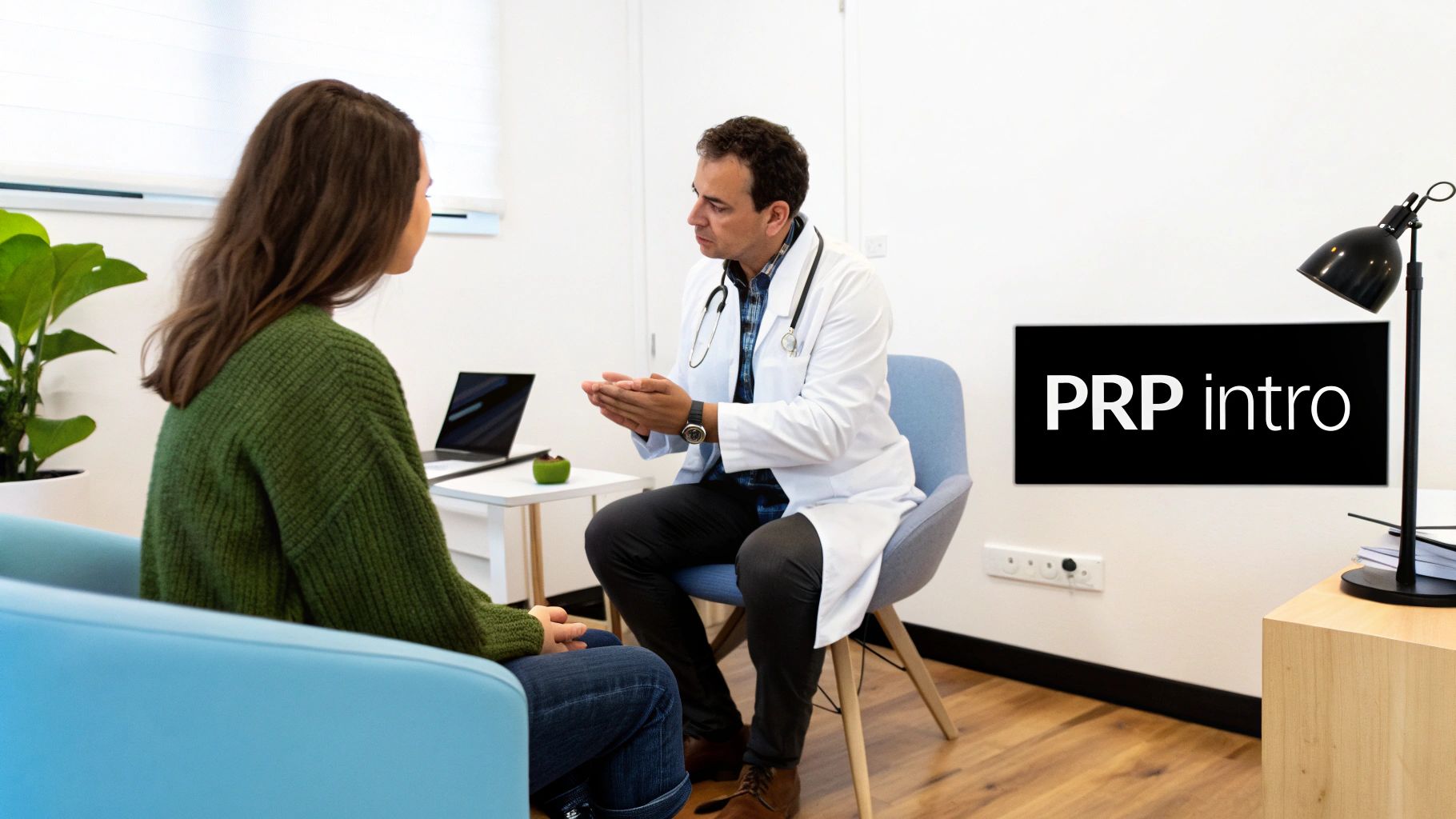
What happens during a PRP hair restoration treatment? This therapy uses your body's own platelets, blood components crucial for clotting and healing. These platelets are rich in growth factors, proteins that signal cells to regenerate and repair. It's similar to how your body naturally heals a cut, but with the growth factors concentrated and directed to your hair follicles.
This targeted approach starts with a simple blood draw. The blood is then processed in a centrifuge, a machine that spins the blood at high speed to separate the platelet-rich plasma (PRP) from other components. This concentration process creates a potent serum packed with growth factors. It's not just injecting blood; it's delivering a concentrated dose of healing power directly to the scalp.
Understanding the PRP Injection Process
Once prepared, the PRP is carefully injected into the scalp, targeting areas with thinning or hair loss. The injected growth factors stimulate dormant hair follicles and encourage new hair growth. The PRP also improves blood circulation to the scalp, providing nutrients to the hair follicles and fostering a healthier environment for hair growth.
The cost of PRP therapy can vary based on factors like treatment area size and provider location. As of 2023, a single session can cost between $250 and $750, with a full course ranging from $1,200 to $4,500. Adding treatments like microneedling can also influence the cost. The average cost per session is around $717.67. These costs are higher than some non-invasive treatments but lower than surgical options. Despite the initial investment, PRP treatments are popular for their natural results and minimal downtime. Find more detailed statistics here
Who Benefits Most from PRP?
PRP therapy is generally most effective for people in the early stages of hair loss, especially those with androgenetic alopecia, also known as male or female pattern baldness. However, PRP's effectiveness can vary depending on individual factors like age, overall health, and the specific type of hair loss. Some may see noticeable hair growth, while others may experience slower hair loss or minimal regrowth. It’s important to have realistic expectations and discuss your specific situation with a qualified professional.
PRP is a promising treatment, but it's not a quick fix. It requires multiple sessions and ongoing maintenance for sustained results. Understanding the science behind PRP, its cost, and its effectiveness will help you decide if this investment is right for you. This knowledge allows for informed conversations with your provider and setting realistic expectations for your hair restoration journey.
The Real Price Tag: What PRP Actually Costs

Understanding the full cost of PRP hair restoration is vital. It's about more than just the price per session. You need to look beyond the initial quote and consider the overall financial commitment involved in the long run. This section breaks down the different factors that influence the cost of PRP for hair loss, helping you make informed decisions.
Decoding the Cost Structure
The cost of PRP isn't limited to the injections themselves. It involves several components, beginning with the initial consultation. This can cost anywhere from $100 to $300. Some clinics may offer free consultations, but be aware that this cost is often incorporated into the overall treatment price. The number of sessions needed also significantly impacts the final cost.
Most PRP treatments involve a series of sessions, typically three to four initially, with maintenance treatments every six to twelve months. This ongoing commitment is a key factor in budgeting for PRP therapy.
Many clinics offer package deals for multiple sessions. These packages can potentially save you thousands of dollars compared to paying for each session individually. However, compare the total package price against the per-session cost to ensure you're receiving a genuine discount.
It’s crucial to ask detailed questions and carefully review the terms of any package deal before committing.
Regional and Provider Variations
Location significantly influences PRP pricing. The cost of PRP in major metropolitan areas can be double that of suburban clinics, even if the treatment protocols are the same. This discrepancy is often due to higher overhead costs in city centers.
The provider's credentials also affect the price. Board-certified specialists often charge higher rates, reflecting their advanced training and experience. While this can lead to a higher upfront cost, it may also result in better outcomes.
Facility and Technology Factors
In addition to the provider's experience, the clinic's facilities and equipment contribute to the overall cost. Modern technology and luxurious facilities come with higher overhead, which is often reflected in the treatment price. While advanced technology might improve treatment efficiency and potentially outcomes, it's essential to distinguish between paying for genuine quality versus marketing hype.
Don't hesitate to ask about the specific equipment used and the reasoning behind the pricing structure.
To illustrate the variations in cost, let's consider a comparison table:
PRP for Hair Loss Cost Comparison
This table compares the average cost of PRP treatments across different provider types, regions, and treatment protocols.
| Provider Type | Average Single Session Cost | Typical Course (3-4 Sessions) | Geographic Region |
|---|---|---|---|
| Dermatologist | $800 – $1,500 | $2,400 – $6,000 | Major Metropolitan |
| Hair Restoration Clinic | $600 – $1,200 | $1,800 – $4,800 | Major Metropolitan |
| Medical Spa | $500 – $1,000 | $1,500 – $4,000 | Suburban |
| Primary Care Physician | $400 – $800 | $1,200 – $3,200 | Suburban/Rural |
As this table shows, costs can vary significantly. It highlights the importance of researching various options.
The True Cost of PRP
Finally, consider the ongoing maintenance costs associated with PRP. Maintaining results requires regular follow-up sessions, which contribute to the long-term financial commitment. These sessions are typically less expensive than the initial treatments, but can still range from $500 to $800 each. Factoring in these ongoing costs gives you a more accurate understanding of the true cost of PRP for hair loss.
By understanding all these factors – consultation fees, number of sessions, regional variations, provider credentials, facility costs, and maintenance treatments – you can comprehensively evaluate the total cost of PRP. This ensures you’re making a well-informed investment in your hair restoration journey.
Cost vs. Value: How PRP Compares to Alternatives
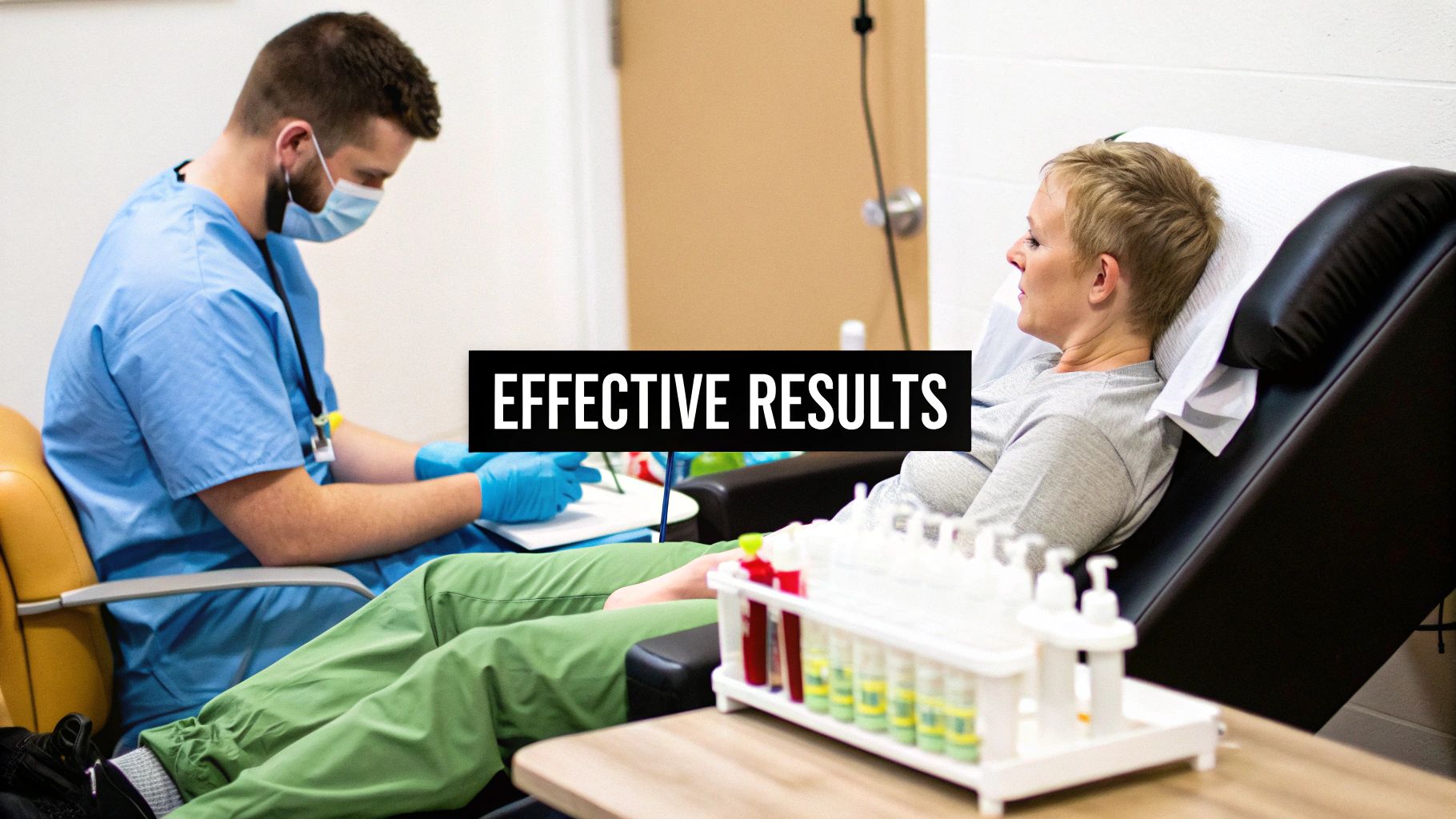
Considering PRP for hair loss but worried about the cost? This section breaks down the cost-benefit analysis of PRP compared to other hair loss treatments, helping you find the best value for your needs.
Weighing PRP Against Pharmaceuticals
Let's compare PRP to medications like minoxidil and finasteride. These typically cost under $100 per month, seeming cheaper than PRP initially. However, these are ongoing costs. Over several years, the total spent can exceed a PRP treatment course. Also, these require daily use, while PRP involves periodic injections. This difference in frequency is a key factor to consider.
PRP vs. Laser Therapy and Surgical Transplantation
Now, let's compare PRP with laser therapy and surgical transplantation. Laser therapy devices can cost between $300 and $3,000 upfront. This is a significant initial investment, but avoids recurring costs like pharmaceuticals or PRP maintenance. However, laser therapy's effectiveness can vary.
Surgical hair transplantation, a more permanent solution, typically costs between $5,000 and $20,000, or more. This is a substantial investment. The ideal choice depends on your hair loss severity and budget. PRP’s effectiveness is linked to the hair loss stage. It’s most effective in early stages, while transplantation might be necessary for advanced cases.
The Hidden Costs of Hair Loss Treatments
There are often hidden costs beyond the initial price. These include the time commitment for multiple PRP sessions, travel to the clinic, and the psychological impact of waiting for results. PRP usually involves three to four initial treatments, a month apart, followed by maintenance every six to twelve months. Factor this time commitment into your decision.
Demand for PRP has influenced its cost, and its effectiveness contributes to its popularity. Studies suggest PRP can be effective for androgenetic alopecia, with success rates between 70% and 80% in suitable candidates. The average PRP cost is around $1,698, reaching up to $3,200 per course. Explore this topic further.
The psychological impact of hair loss and managing treatment expectations is also a significant, albeit non-financial, factor. The cheapest option might be attractive upfront, but if ineffective, the emotional cost can be substantial.
To help you compare the costs and effectiveness of different treatments against PRP therapy, let's look at the following table:
Hair Loss Treatment Cost Comparison
This table presents the comparative costs, time investment, and effectiveness of various hair loss treatments against PRP therapy.
| Treatment Type | Initial Cost | Annual Maintenance Cost | Effectiveness Rating | Downtime |
|---|---|---|---|---|
| PRP Therapy | $1,698 – $3,200 | $500 – $1,000 | 70% – 80% | Minimal |
| Minoxidil | $20 – $30/month | $240 – $360 | Varies | Minimal |
| Finasteride | $20 – $50/month | $240 – $600 | Varies | Minimal |
| Laser Therapy | $300 – $3,000 | None | Varies | Minimal |
| Hair Transplant | $5,000 – $20,000+ | Varies depending on procedure | High, but depends on the individual and the procedure | Several days to weeks |
As this table shows, while hair transplant offers a more permanent solution, it comes with a much higher upfront cost and potentially longer downtime. Pharmaceutical options like Minoxidil and Finasteride are more affordable initially but require continuous expenditure and their effectiveness varies. Laser therapy, while requiring a substantial upfront investment, has no recurring costs but also boasts variable effectiveness. PRP therapy stands as a middle-ground solution, balancing cost, effectiveness, and downtime.
Choosing the right hair loss treatment involves balancing cost, effectiveness, and your preferences. Understanding all aspects, including both the price and hidden costs, helps you make the best investment for your needs and long-term well-being.
Making PRP Affordable: Financing Your Hair Journey
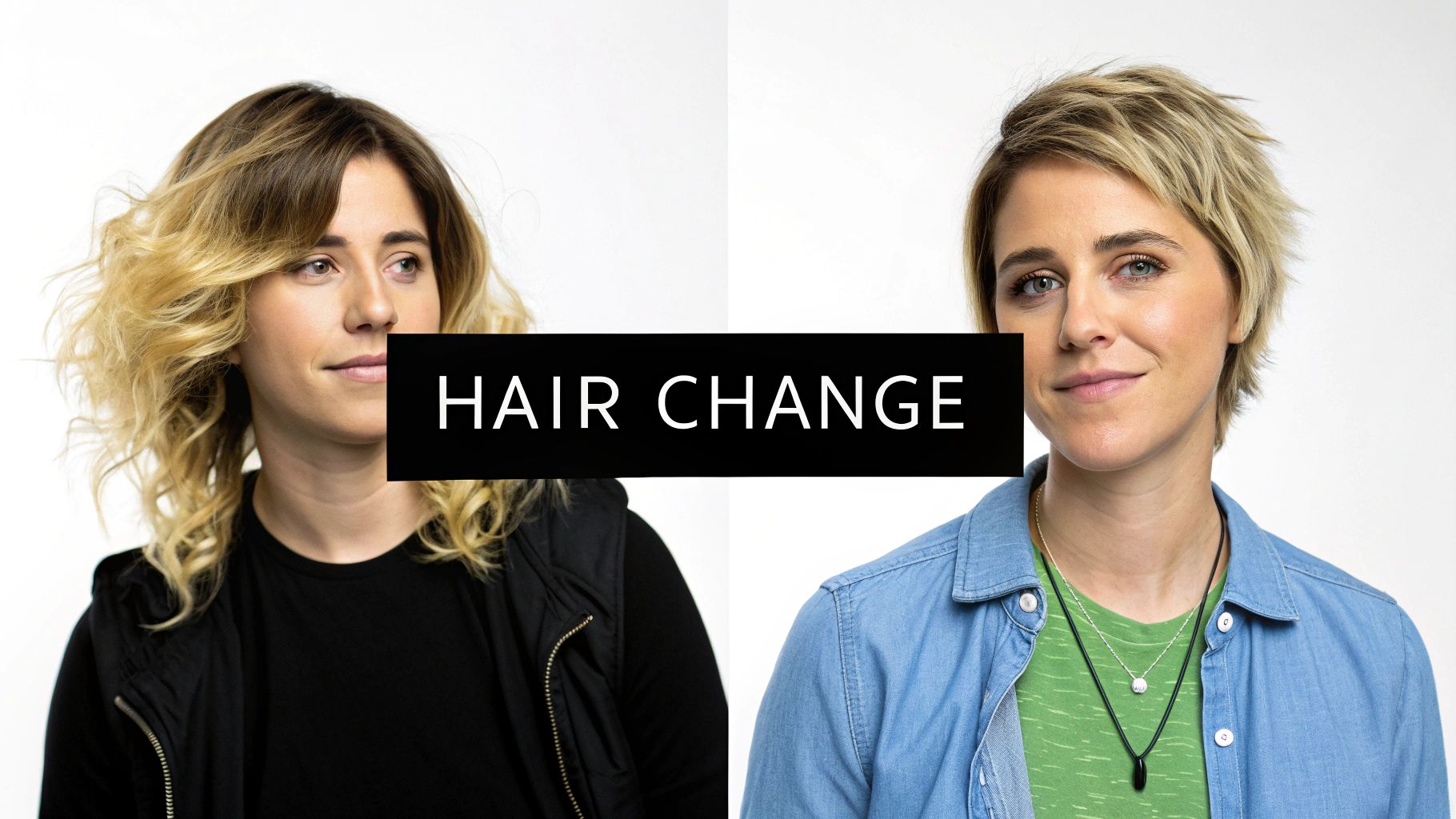
While PRP for hair loss offers a promising solution, the cost can be a significant barrier. However, the initial price shouldn't discourage you. Several financing options and strategies can make this treatment accessible. Let's explore how to make your hair restoration journey affordable.
Navigating Insurance Coverage for PRP
Most insurance companies consider PRP for hair loss a cosmetic procedure. It's typically not covered. However, you might secure partial coverage if your hair loss relates to a medical condition like alopecia areata. This requires detailed documentation from your physician linking the hair loss to the underlying condition. Speaking with an insurance specialist can help you understand your policy and potential coverage.
Leveraging Medical Credit Cards and HSAs/FSAs
Medical credit cards, such as CareCredit, can provide financing for PRP treatments. These cards often offer 0% introductory APR periods, making the treatment more manageable short-term. However, it's crucial to understand the terms, including potential deferred interest charges.
You can also use tax-advantaged health accounts like Health Savings Accounts (HSAs) and Flexible Spending Accounts (FSAs) to cover eligible medical expenses. While PRP for hair loss isn't always explicitly covered, consulting with your plan administrator can clarify your plan's specifics.
Negotiating Directly With Providers and Appealing Denials
Don't hesitate to negotiate with PRP providers. Many clinics offer discounts, especially for multiple sessions or upfront payments. Asking about payment plans or package deals can reduce the overall cost. For example, asking about discounts for prepaying for several treatments can lead to significant savings. Inquire about financing options through the clinic itself.
If your insurance claim is denied, don't give up. Appealing the denial with a detailed letter from your physician outlining the medical necessity can sometimes be successful. This requires clear documentation and a step-by-step approach. This persistence can sometimes lead to partial or full coverage.
Identifying Red Flags and Making Informed Decisions
Be wary of financing with extremely high interest rates or hidden fees. Transparency is key. Fully understand the terms and conditions before signing any agreements. Compare financing options from different providers and explore alternatives like personal loans or payment plans negotiated directly with the clinic.
Making PRP for hair loss affordable requires research and proactive planning. By exploring insurance options, using medical credit cards and health accounts, negotiating with providers, and understanding financing terms, you can manage the cost of PRP and begin your hair restoration journey with confidence.
Beyond The Basics: Hidden Costs You Should Anticipate
While the initial price tag for PRP for hair loss is a major consideration, understanding the full financial commitment is crucial. The true cost goes beyond that initial series of treatments. This section reveals those ongoing expenses necessary for lasting results – information often missing from marketing campaigns.
Maintenance Is Key: The Long-Term PRP Investment
PRP isn't a one-and-done solution. For continued results, most patients require maintenance treatments. This means after the initial injections, you'll likely need follow-up sessions every six to twelve months. These treatments can cost between $500 and $800 each – a recurring cost to factor into your budget. This ongoing investment is vital to maintaining achieved hair density and preventing regression.
Complementary Treatments: Essential or Upselling?
Many clinics offer additional treatments presented as essential components of PRP therapy. These can range from specialized shampoos costing $30 to $100 per month to prescription medications like Finasteride at $30 to $60 monthly. While some complementary treatments may enhance PRP outcomes, others might primarily boost clinic profits. It's essential to differentiate between what truly benefits your hair restoration and what constitutes unnecessary upselling. Ask your provider for evidence-based research supporting the efficacy of any suggested add-ons.
For instance, specialized shampoos with growth-promoting ingredients can support hair follicle health, potentially extending time between PRP sessions. However, a simple, effective aftercare routine can often achieve similar results without the high cost.
Aftercare: Maximizing Your PRP Investment
Proper aftercare significantly influences the long-term cost of PRP treatment. Meticulously following your provider’s post-treatment instructions maximizes each session's effectiveness. This can potentially stretch the intervals between maintenance treatments, optimizing your initial investment and reducing the overall long-term expense.
Here are key aftercare considerations:
- Avoid excessive sun exposure: Protect your scalp to prevent inflammation and promote healing.
- Follow a healthy diet: Proper nutrition provides essential building blocks for healthy hair growth.
- Manage stress levels: Stress can worsen hair loss, so healthy coping mechanisms are vital.
The Real Cost of PRP: A Long-Term Perspective
Understanding the real cost of PRP demands a long-term view. Consider not just the initial treatment series but also the recurring costs of maintenance, potential complementary therapies, and consistent aftercare. Acknowledging these hidden costs upfront allows you to make informed decisions and budget effectively for your hair restoration journey. Armed with this knowledge, you can realistically assess the financial implications and determine if PRP aligns with your circumstances and goals.
Maximizing Your Return: Getting Results Worth the Price
So, you’ve decided to invest in PRP (Platelet-Rich Plasma) for hair loss. Excellent! Now, let's ensure you get the most from your investment. This isn't about finding the cheapest option; it’s about finding the provider and treatment protocol that delivers the best value. Think of it like investing: you want the highest return, not just the lowest price per share.
Screening Your PRP Provider: Asking the Right Questions
The first step in maximizing your PRP investment is choosing the right provider. This requires more than just comparing prices. It involves asking the right questions to understand their protocols and ensure they’re committed to quality.
- What type of centrifuge do you use? A high-quality centrifuge is essential for obtaining a truly platelet-rich plasma. This specialized equipment separates the platelets from the other components of your blood, ensuring a concentrated solution for optimal results.
- What is your PRP concentration protocol? The concentration of platelets in the injected plasma directly impacts effectiveness. A higher concentration typically yields better results. Don't hesitate to ask for specifics. This information is crucial for understanding the potency of the treatment you'll receive.
- Do you combine PRP with other therapies? If so, what are the added benefits and costs? Combining therapies can often enhance results, so understanding the options available is essential.
Some clinics might use lower-quality centrifuges or dilute the PRP to cut costs, compromising effectiveness. By asking these questions, you can identify clinics dedicated to delivering optimal outcomes.
Combining Therapies for Enhanced Results
Combining PRP with other treatments can significantly improve results without proportionally increasing costs. Think of it like tending a garden: while watering is helpful, adding fertilizer supercharges growth.
- Microneedling: This technique creates tiny punctures in the scalp, enhancing PRP penetration and stimulating collagen production, further boosting hair growth. Microneedling acts as a catalyst, creating channels for the PRP to reach deeper into the scalp and maximizing its impact.
- Prescription Medications: Combining PRP with medications like minoxidil or finasteride can create a synergistic effect, amplifying results. These medications address underlying hormonal factors contributing to hair loss, while PRP stimulates growth, providing a multi-faceted approach to hair restoration.
These combination therapies offer more comprehensive solutions, addressing hair loss from multiple angles for enhanced efficacy.
Timing and Lifestyle: Optimizing Your PRP Investment
Strategically timing your treatments can also maximize results. Some studies suggest PRP is most effective during certain hair growth cycles. Discuss optimal timing with your provider. Additionally, lifestyle modifications can enhance PRP's efficacy. A healthy diet and stress management through techniques like meditation or exercise can positively influence hair growth, complementing the PRP treatment.
Realistic Expectations: Setting Milestones for Success
Understanding realistic timelines and progress indicators is crucial. PRP isn't a quick fix. Most patients see noticeable improvement within three to six months, with peak results appearing around 12 months after the initial treatment series. Regular maintenance treatments are essential to sustain these gains. Like any investment, PRP requires patience and consistent effort for long-term success.
Your PRP Checklist: Maximizing Every Dollar
- Research providers thoroughly: Ask detailed questions about their procedures and technology.
- Explore combination therapies: Discuss options like microneedling and prescription medications.
- Discuss treatment timing: Optimize your schedule for maximum effectiveness.
- Embrace lifestyle modifications: Support your PRP investment with a healthy lifestyle.
- Understand realistic timelines: Be patient and consistent with your treatments.
Ready to take control of your hair loss journey? Visit PRP For HairLoss to learn more about this innovative treatment and begin your path to hair restoration.

 PRP For Hairloss
Leave a comment