The Science Behind PRP: How It Actually Works for Hair
Does PRP work for hair? To understand the potential of PRP therapy for hair restoration, let's explore the science behind it. This treatment harnesses your body's natural healing capabilities to potentially revitalize inactive hair follicles by concentrating the platelets in your blood.
The Power of Platelets
Platelets are small blood cells essential for blood clotting and wound healing. They also contain a potent mixture of growth factors. These growth factors function as cellular messengers, prompting cell division and regeneration. This is the primary mechanism by which PRP may encourage hair growth.
One key growth factor, Vascular Endothelial Growth Factor (VEGF), stimulates the development of new blood vessels. This enhanced blood flow delivers essential nutrients and oxygen to the hair follicles, effectively "reactivating" them. This revitalization process is crucial for promoting hair growth.
The PRP Process and Hair Follicles
The procedure begins with a small blood sample, much like a standard blood test. The blood is then processed in a centrifuge to isolate the platelet-rich plasma (PRP) from the other blood components. This concentrated PRP solution is then injected directly into the scalp, specifically targeting areas experiencing thinning or hair loss.
Think of it as nourishing your hair follicles directly. The PRP delivers a concentrated boost of growth factors to the hair follicles, encouraging them to enter the growth phase. This targeted approach maximizes the potential for hair regrowth.
PRP and Hair Growth Cycles
Hair grows in cycles, and PRP therapy aims to positively influence these cycles. By stimulating dormant follicles, PRP may potentially lengthen the anagen phase, the active growth period. This could result in longer hair growth and potentially increased hair thickness.
Furthermore, PRP can enhance the overall health of the scalp, creating a more favorable environment for hair growth. This helps ensure that existing hairs are stronger and less susceptible to breakage, contributing to a fuller, healthier head of hair.
What Research Really Says: Does PRP Work for Hair Loss?
Beyond the testimonials and marketing hype, it's important to understand the scientific evidence behind PRP (Platelet-Rich Plasma) therapy for hair loss. Examining peer-reviewed studies and clinical trials offers an objective perspective on PRP's potential and empowers you to make informed decisions about your hair restoration options.
Clinical Trials and Studies: Examining the Evidence
Numerous studies have investigated PRP's effectiveness in treating various hair loss types. One randomized, evaluator-blinded, placebo-controlled study showed significant hair regrowth improvements in patients receiving PRP compared to those receiving a placebo. After three treatment cycles, patients experienced a mean increase of 33.6 hairs in the target area.
Meta-analyses further support these findings, indicating that PRP injections can significantly increase hair density, with mean differences ranging from 17.9 to 38.75 hairs per square centimeter. These results suggest PRP may be a viable treatment option. For more in-depth statistics, explore the research findings: Learn more about the research findings for PRP and hair loss.
It's crucial to recognize that study results can vary. Factors such as patient age, hair loss type and severity, and the specific PRP preparation protocol can influence treatment outcomes. Understanding these nuances is key to accurately interpreting the existing research.
PRP for Different Types of Hair Loss: A Closer Look
PRP shows promise for several hair loss conditions, but its effectiveness may differ depending on the specific condition. In androgenetic alopecia, commonly known as male or female pattern baldness, PRP has shown positive results. Studies on this condition often report significant increases in both hair count and thickness.
Researchers are also investigating PRP's potential for treating alopecia areata, an autoimmune disorder that causes patchy hair loss. While research is still ongoing, some studies suggest PRP may encourage hair regrowth in individuals with this condition. Further research is needed to fully understand PRP's role in treating alopecia areata.
Limitations and Future Directions: What We Still Need to Know
Despite the increasing evidence supporting PRP for hair loss, some limitations remain. Standardized protocols for PRP preparation and administration are still under development. This lack of standardization makes comparing results across different studies challenging.
Additionally, more long-term studies tracking the lasting effects of PRP are necessary to fully understand its long-term benefits. Future research should also focus on identifying ideal patient characteristics to better predict which individuals are most likely to benefit from PRP therapy. Continued research will refine our understanding of PRP and improve patient outcomes.
Real Results: What PRP Can Actually Achieve for Your Hair
While the science behind PRP is fascinating, you're probably most curious about the real-world results. This section explores realistic outcomes, setting clear expectations based on clinical experience and research.
Halting Hair Loss Vs. New Growth: Understanding The Difference
PRP therapy has two main goals: stopping further hair loss and encouraging new hair growth. Initially, the priority is often stabilizing existing hair follicles to prevent further thinning.
Once the shedding is under control, the focus shifts to stimulating new growth. This is where PRP's regenerative capabilities can really make a difference, potentially reactivating dormant follicles. However, this revitalization process requires time and multiple treatments.
Timeline For Visible Results: Patience Is Key
It's crucial to remember that PRP isn't an instant solution. Visible improvements typically appear gradually. Many individuals notice a decrease in shedding within the first 2-3 months.
More substantial changes, like increased hair density, usually become noticeable after 6-12 months. The overall speed and degree of improvement depend on several individual factors, including age, the extent of hair loss, and your body's responsiveness to the treatment. Consistent treatments and following your provider's advice are essential for the best results.
To understand the potential effectiveness of PRP, let's look at some research-backed success rates. Studies have shown that PRP can lead to a noticeable reduction in hair loss in approximately 79% of patients experiencing pattern baldness. In one study, 93% of male participants with pattern baldness reported a complete halt to their hair loss just two months after starting treatment. Many clinical trials suggest a success rate of roughly 70% to 80% in stimulating visible new hair growth. For more detailed statistics, visit Wimpole Clinic.
To help illustrate the varying outcomes based on the type of hair loss, we've compiled the following table:
PRP Success Rates by Hair Loss Type
This table presents success rates of PRP therapy across different types of hair loss conditions based on clinical research.
| Hair Loss Type | Success Rate | Timeline for Results | Sustainability |
|---|---|---|---|
| Androgenetic Alopecia (Male Pattern Baldness) | 70-80% | 6-12 months | Regular maintenance treatments needed |
| Androgenetic Alopecia (Female Pattern Baldness) | 60-70% | 6-12 months | Regular maintenance treatments needed |
| Telogen Effluvium | 70-85% | 3-6 months | May require fewer maintenance treatments |
| Alopecia Areata | Varies significantly | Varies significantly | Highly individual, may require ongoing treatments |
As you can see, individual responses and the type of hair loss significantly influence the results and long-term maintenance.
Factors Influencing Success: A Personalized Approach
The effectiveness of PRP therapy is influenced by a combination of factors, making it a highly personalized treatment:
-
Age: Younger individuals experiencing recent hair loss generally see better results compared to those with more advanced hair loss.
-
Hair Loss Pattern: PRP tends to be more effective for diffuse thinning as opposed to areas with complete hair loss.
-
Treatment Protocol: Factors like platelet concentration in the PRP preparation, the injection technique used, and the frequency of treatments can all impact results.
-
Overall Health: A healthy lifestyle, including good nutrition and stress management, can contribute to better hair growth.
Managing Expectations: A Realistic Outlook
While PRP offers substantial potential, it's important to have realistic expectations. It's unlikely to fully reverse substantial hair loss or regrow a full head of hair in cases of advanced baldness. However, for many, PRP can be an effective tool for slowing or stopping hair loss, increasing hair thickness, and improving scalp health. This can lead to a visible enhancement in hair appearance and a boost in confidence.
PRP vs. Other Options: Which Hair Treatment Wins?
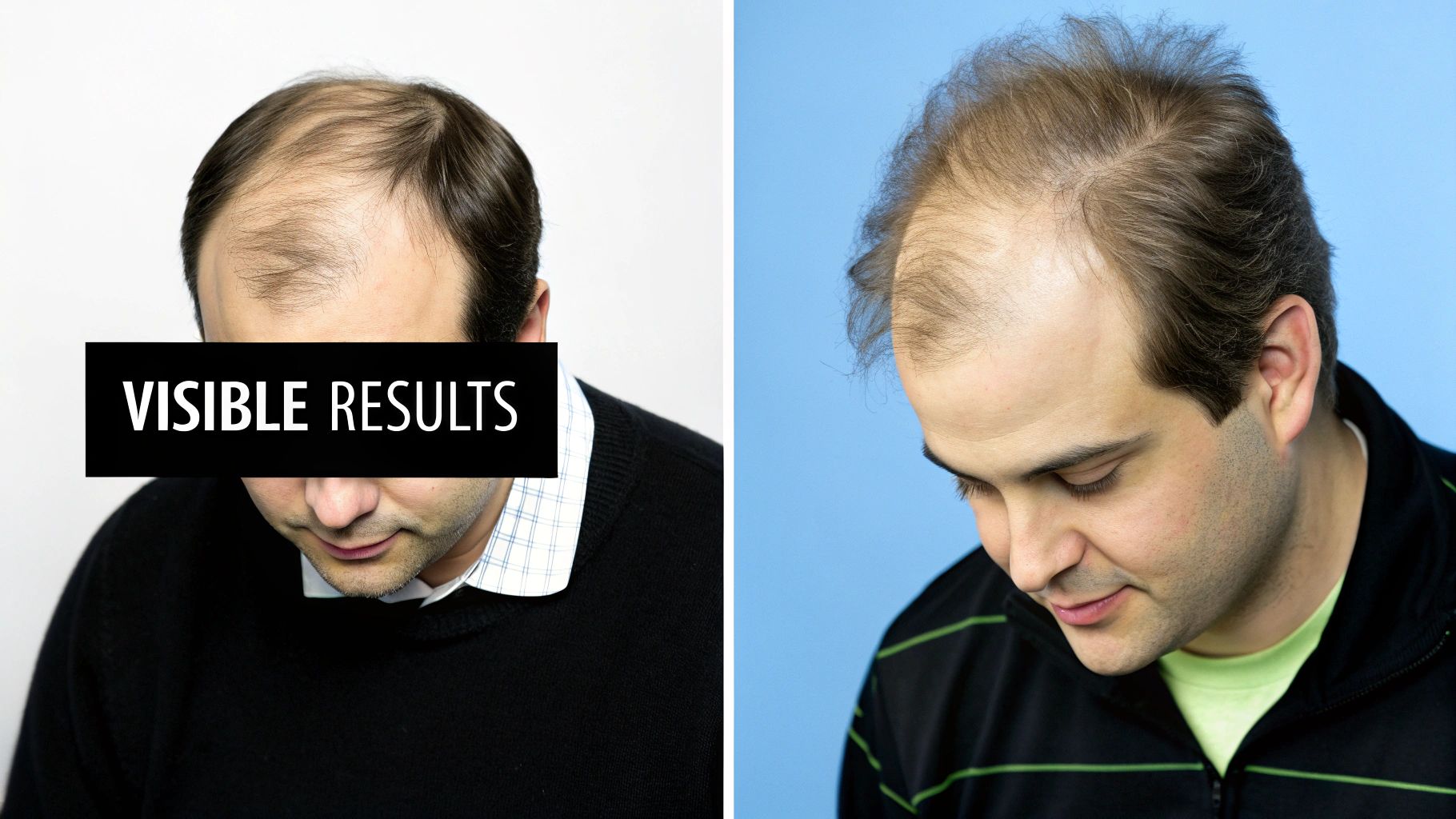
This section explores how Platelet-Rich Plasma (PRP) therapy compares to other popular hair loss treatments. Understanding the benefits and drawbacks of each option will help you make an informed decision for your specific hair restoration needs.
PRP Compared to Minoxidil and Finasteride
Minoxidil (topical) and finasteride (oral) are common first-line treatments for hair loss. These medications can be effective, but they come with certain limitations. Minoxidil requires consistent daily use, while finasteride may have potential side effects.
PRP, although requiring multiple initial sessions, presents a potentially more natural alternative. It works by stimulating follicle regeneration, addressing the underlying causes of hair loss. Research suggests PRP may have a higher success rate than minoxidil. Studies show PRP treatments boasting a 60-80% success rate compared to minoxidil's 30-40% success rate. Patient satisfaction with PRP is also reportedly high. For a more detailed analysis of comparative effectiveness, you can Find more detailed statistics here.
PRP and Laser Therapy: A Powerful Combination?
Low-Level Laser Therapy (LLLT) uses specific wavelengths of light to stimulate hair follicles. This non-invasive treatment can be used independently or in combination with PRP. Combining the two therapies may offer synergistic effects, potentially enhancing hair growth and density.
PRP and Hair Transplantation: A Complementary Approach
For individuals with advanced hair loss, hair transplantation is often the most effective solution. However, PRP can be a valuable complement to this procedure. It's frequently used post-transplantation to expedite healing, minimize scarring, and improve graft survival. This can lead to thicker, more natural-looking results.
To better understand how PRP compares to other treatment options, let's examine the following table:
Comparison of Hair Loss Treatments
A comprehensive comparison of PRP therapy against other popular hair loss treatments across multiple factors
| Treatment | Effectiveness | Side Effects | Cost | Treatment Frequency | Best For |
|---|---|---|---|---|---|
| PRP Therapy | 60-80% success rate | Minimal (slight bruising or swelling at the injection site) | Moderate to High | Multiple initial sessions, then maintenance treatments | Early to moderate hair loss, complementing hair transplants |
| Minoxidil | 30-40% success rate | Skin irritation, unwanted hair growth in other areas | Low | Daily application | Early to moderate hair loss |
| Finasteride | Can slow or stop hair loss | Potential sexual side effects, decreased libido | Low | Daily dosage | Male pattern baldness |
| LLLT | Varies, often used in conjunction with other treatments | Minimal | Moderate | Multiple sessions | Stimulating hair growth, used with other treatments |
| Hair Transplantation | High success rate for restoring hair in balding areas | Scarring, infection (rare) | High | Single surgical procedure | Advanced hair loss, significant balding |
As this table highlights, each treatment has its own set of advantages and disadvantages. PRP offers a compelling balance of effectiveness and minimal side effects, making it a suitable option for many individuals.
Choosing the Right Treatment: Factors to Consider
There is no single "best" hair loss treatment. The optimal choice depends on several individual factors:
-
Severity of Hair Loss: PRP or LLLT might be sufficient for early-stage hair thinning, while advanced hair loss could necessitate a hair transplant.
-
Budget: The long-term costs of each treatment, including maintenance sessions, should be factored into your decision.
-
Lifestyle: Consider the practicality of each option. Minoxidil needs daily application, while PRP involves periodic injections.
-
Personal Preferences: Some individuals prefer a natural approach like PRP, while others may be more comfortable with medication.
Consulting with a qualified hair restoration specialist is essential. They can assess your individual needs and recommend a personalized treatment plan for the best possible results.
Inside a PRP Session: Your Treatment Journey Explained
Does PRP therapy work for hair loss? Many potential patients ask this important question. Understanding the procedure itself can often help answer this and ease any concerns. This guide walks you through a typical Platelet-Rich Plasma (PRP) session for hair restoration, from beginning to end.
From Blood Draw to Injection: A Step-by-Step Guide
The PRP process starts with a simple blood draw, much like a routine blood test at your doctor's office. This small blood sample is the foundation for revitalizing your hair follicles.
-
Blood Collection: A technician draws a small amount of blood, usually a few vials, from your arm. This process is quick and relatively painless.
-
Centrifugation: The collected blood is placed in a centrifuge. This device spins the blood at high speed to separate the PRP from other blood components. The process concentrates the platelets and growth factors crucial for stimulating hair growth.
-
PRP Preparation: After the separation process, the concentrated PRP is carefully extracted and prepared for injection into the scalp.
-
Injection: A medical professional uses a fine needle to inject the PRP into targeted areas of the scalp experiencing thinning hair or hair loss. The injections deliver the PRP directly to the hair follicles that need stimulation and nourishment.
Managing Discomfort and Treatment Time
A frequent question is, "Does PRP for hair hurt?" While there might be some mild discomfort during the injections, most patients tolerate it well. Some providers offer numbing cream or local anesthesia to minimize any potential discomfort.
A standard PRP session, including the blood draw and injections, typically takes 45 minutes to an hour. This relatively short timeframe makes PRP a convenient option, easily fitting into most schedules.
Post-Treatment: What to Expect and How to Maximize Results
After the PRP injections, you may experience mild tenderness, redness, or slight swelling of the scalp. These are typical reactions and should subside within a day or two.
-
Immediate Aftercare: It's generally recommended to avoid washing your hair immediately following the treatment. Your provider will give you specific instructions on when you can resume your regular hair care routine.
-
Activity Restrictions: Strenuous activities or anything causing excessive sweating should be avoided for at least 24 hours.
-
Scalp Care: It's also a good idea to protect your scalp from direct sun exposure for a few days after the treatment.
-
Long-term Maintenance: To maintain the results, follow your provider's recommendations for follow-up appointments and maintenance treatments. These are essential for sustained hair growth and overall scalp health.
Treatment Schedule: How Many Sessions Do You Need?
Most individuals require an initial series of three to four PRP treatments, scheduled roughly four to six weeks apart. After this initial set of treatments, maintenance sessions are generally recommended every six to twelve months to continue supporting hair growth and thickness. The specific treatment schedule is customized based on your individual hair loss condition and response to the therapy. This personalized approach allows your provider to fine-tune the frequency and number of treatments for optimal results. The long-term effectiveness of PRP for hair relies on consistent treatments coupled with a healthy lifestyle.
Are You a Good Candidate? The Truth About PRP Success
Not everyone experiences the same results with PRP therapy. So, what determines a successful outcome? This section helps you evaluate your candidacy based on factors that significantly influence PRP's effectiveness for hair restoration.
Factors Affecting PRP Success: A Personalized Approach
Several key variables play a role in how well you might respond to PRP treatment. Understanding these factors will help you make an informed decision.
-
Age and Duration of Hair Loss: PRP tends to be more effective for younger individuals experiencing recent hair loss. If your hair loss is advanced or has persisted for many years, your hair follicles may be too damaged to fully respond to the growth factors in PRP. However, even in cases of long-term hair loss, some individuals still experience a slowing of hair thinning with PRP.
-
Hair Loss Pattern: PRP is often more successful in treating diffuse thinning, where hair follicles are still present but miniaturized, rather than areas with complete baldness. Think of it like revitalizing a struggling plant versus trying to grow one in barren soil. If there are active follicles to stimulate, the growth factors in PRP can be more effective.
-
Overall Health and Medical Conditions: Certain health conditions can impact the effectiveness of PRP or even make treatment inadvisable. Autoimmune disorders, bleeding disorders, or chronic illnesses can affect healing and response to treatment. It's essential to discuss your medical history with a qualified practitioner.
-
Current Medications: Some medications can interfere with PRP's efficacy or increase the risk of side effects. Be sure to disclose all medications and supplements you're currently taking during your consultation. This allows your provider to assess potential interactions and ensure your safety.
Determining Your Candidacy: An Honest Assessment
To determine if PRP is the right choice for you, consider the following:
-
Realistic Expectations: PRP is not a miracle cure. It won't regrow a full head of hair if your follicles are completely inactive. However, it can be very effective in slowing or stopping hair loss, thickening existing hair, and improving overall scalp health.
-
Alternative Treatments: If PRP isn't suitable, other options like minoxidil, finasteride, or hair transplantation might be more appropriate. A qualified hair restoration specialist can guide you towards the most suitable treatment for your specific situation.
-
Consultation is Key: A thorough consultation with an experienced practitioner is crucial. They will evaluate your hair loss, medical history, and current medications to determine your candidacy and create a personalized treatment plan.
PRP and Hair Transplants: A Synergistic Approach
PRP is often used in conjunction with hair transplant procedures to enhance results. It can help improve graft survival, promote faster healing, and minimize scarring. This combined approach often leads to more natural-looking and denser hair growth. PRP can be a valuable addition to a hair transplant strategy.
Making an Informed Decision: Is PRP Worth It for You?
By honestly assessing your individual circumstances and consulting with a qualified professional, you can make an informed decision about whether PRP represents a worthwhile investment for your hair restoration journey. It's important to have realistic expectations, understand the factors influencing success, and explore alternative options if necessary.
Ready to explore the possibilities of PRP therapy for your hair loss? Visit us at PRP For HairLoss to learn more and schedule a consultation. We'll help you determine if PRP is the right solution for you and guide you towards achieving your hair restoration goals.

 PRP For Hairloss
Leave a comment