The Science Behind PRP Hair Therapy
PRP hair therapy, short for Platelet-Rich Plasma hair therapy, is a promising treatment for hair loss. It uses the body's own natural healing abilities to revitalize dormant hair follicles. This differs from conventional treatments that often only mask the symptoms of hair loss. The process begins with a simple blood draw. This sample is then processed in a centrifuge.
This specialized machine separates the platelet-rich plasma (PRP) from other blood components. Platelets are crucial for clotting and healing. They contain growth factors, which are signaling proteins vital for tissue repair and regeneration. PRP is essentially a concentrated dose of your body's own healing power.
How PRP Stimulates Hair Growth
Once isolated, the PRP is carefully injected into the scalp, targeting areas with thinning hair. When these concentrated platelets reach the hair follicles, they release growth factors. This triggers biological processes that revitalize the follicles and stimulate them back into a growth phase. The growth factors essentially "wake up" the struggling follicles, encouraging healthier, thicker hair growth.
This process is particularly effective for those in the early stages of hair loss or experiencing general thinning. Platelet-rich plasma (PRP) therapy shows promise in treating androgenetic alopecia (AGA), a common type of hair loss in both men and women.

For example, a meta-analysis showed a significant increase in hair density and diameter in men. The study reported a mean difference (MD) of 25.83 for hair density and 6.66 for hair diameter compared to the control group. The highly significant p-values demonstrate the effectiveness of PRP. These results suggest PRP improves both hair quantity and quality. This makes it a potentially valuable option compared to other therapies like minoxidil and finasteride. You can explore this topic further here. The iClinics website may offer more details on related clinical procedures.
Why PRP is a Unique Approach
PRP therapy stands out because it uses the patient's own blood. This autologous approach minimizes the risk of allergic reactions or unwanted side effects. The results are typically gradual and natural-looking, providing a discreet experience. Because it addresses the underlying cellular causes of hair thinning, PRP offers a more comprehensive solution than just treating surface-level symptoms. This makes PRP a compelling option for those seeking a long-term, natural solution for hair restoration.
Inside the PRP Hair Treatment Experience
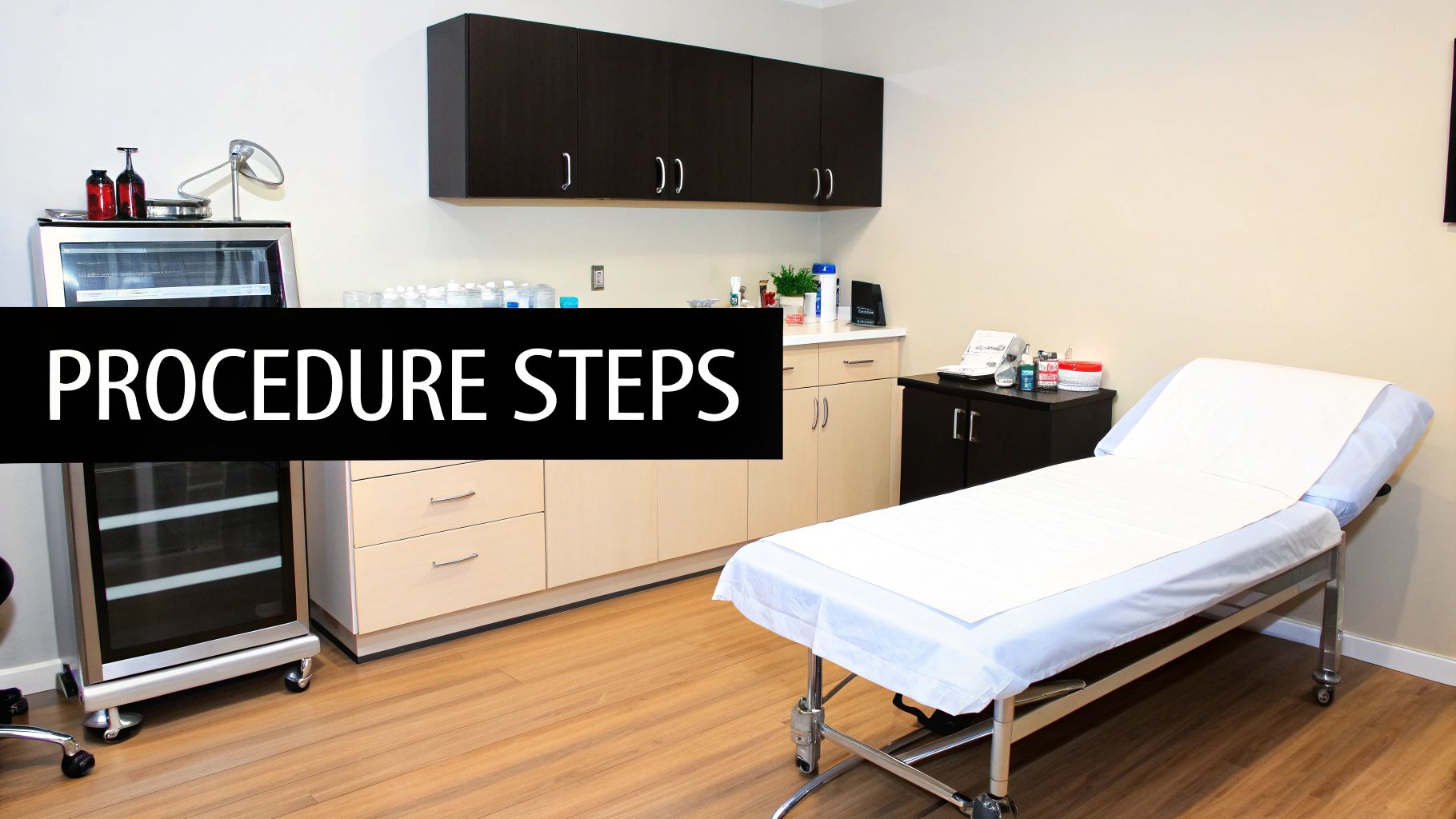
From the moment you arrive at the clinic, the PRP hair treatment experience is designed for your comfort and efficiency. This section provides a step-by-step guide to what you can expect during a typical session.
To give you a clearer overview of the entire process, we’ve included a detailed table outlining each phase of the treatment journey. This table breaks down what happens at each stage, how long it typically lasts, and the sensations you might experience.
PRP Hair Treatment Journey: What to Expect
| Treatment Phase | What Actually Happens | Typical Duration | Patient Experience & Sensations |
|---|---|---|---|
| Blood Draw | A small amount of blood is drawn, similar to a routine blood test. | A few minutes | Generally quick and painless, like a standard blood draw. |
| PRP Preparation | Your blood is placed in a centrifuge to separate the PRP. | 10-20 minutes | No sensation, as this occurs while your blood is being processed. |
| Injection Phase | The prepared PRP is injected into targeted areas of your scalp. | 30-60 minutes | Mild pressure or tingling sensations. Topical anesthetic may be used to minimize discomfort. |
| Post-Treatment | You can return to normal activities immediately. | N/A | Possible mild redness, tenderness, or slight swelling that typically resolves within a few days. |
This table summarizes the key steps involved in PRP therapy, helping you understand the process from start to finish. As you can see, each stage is relatively short, and the overall treatment is generally well-tolerated.
The Blood Draw and PRP Preparation
The first step involves drawing a small sample of your blood, similar to a standard blood test. This process is typically quick and painless. Only a few vials of blood are needed for the treatment.
Your blood is then placed in a centrifuge, a specialized device that spins at high speed. This separates the platelet-rich plasma (PRP) from the other components of your blood.
This process concentrates the platelets, which are rich in growth factors crucial for hair regeneration. Research suggests PRP therapy can lead to significant hair growth improvements. One study noted a mean increase of 33.6 hairs in the treated area and 45.9 hairs per cm² in overall hair density after just three sessions. Learn more about the science behind PRP therapy here.
The Injection Phase
Once the PRP is ready, it's carefully injected into specific areas of your scalp. Many clinics use a topical anesthetic to enhance comfort during this phase.
While sensations can vary, patients often report feeling only mild pressure or a slight tingling sensation during the injections. The entire injection process generally takes less than an hour.
This means the complete appointment, from blood draw to the end of injections, can typically be completed within a manageable timeframe. This makes it easier to fit PRP treatments into a busy schedule.
Post-Treatment and Recovery
After the injections, you'll be able to resume your normal daily activities almost immediately. Some patients experience mild redness, tenderness, or slight swelling at the injection sites, but these effects are usually temporary and subside within a few days.
Some practitioners advise avoiding strenuous exercise or excessive heat on the scalp for 24-48 hours after treatment. This precaution helps minimize potential inflammation and promotes a smooth recovery.
Understanding the post-treatment expectations will help you plan accordingly and ensure a comfortable recovery. This also highlights the minimally invasive nature of PRP hair treatment, which is a significant advantage for many individuals considering hair restoration.
Real Results: How PRP Performs for Different Hair Types

Beyond the potential of PRP hair treatment, understanding its effectiveness across various hair types and loss patterns is crucial. This section explores real-world results, providing an honest look at what you can expect from this treatment.
PRP For Male Pattern Baldness
For men experiencing male pattern baldness, PRP can be especially effective during the initial stages of thinning. It helps thicken existing hair and may stimulate regrowth in areas with active follicles. However, PRP isn't a cure for advanced baldness where follicles are dormant.
Men classified as Norwood Scale 2 or 3 often see the most significant improvements. This is because the hair follicles at these stages are typically still viable and respond well to the growth factors in PRP. Those with more advanced hair loss may need to combine PRP with other restoration methods for the best results.
PRP For Female Hair Thinning
PRP has shown notable effectiveness in treating female hair loss. Studies highlight its benefits in increasing hair density and thickness with minimal side effects. For example, a review of PRP for female hair loss found significant improvements in both density and thickness, making it a potentially effective treatment option. Patient satisfaction is generally high. One study reported a mean satisfaction score of 4.23 out of 5 after PRP injections for androgenetic alopecia. This demonstrates PRP's ability to improve hair growth and enhance quality of life. Learn more here. The treatment's natural, autologous composition and lack of harsh chemicals appeal to those seeking a holistic approach to hair restoration.
Timeline For Visible Results
Patience is essential with PRP, regardless of hair type. Most patients see visible improvements around the three-month mark. This timeframe aligns with the natural hair growth cycle, as stimulated follicles need time to produce new hair.
While some see earlier results, it’s important to allow adequate time for the PRP to work. Multiple sessions are usually recommended for optimal, lasting results. The number and frequency of sessions vary based on individual needs and the practitioner's recommendations.
Factors Influencing PRP Success
Several factors can influence PRP treatment success, including overall health, the stage of hair loss, and the specific PRP protocol used. Genetics, age, and lifestyle also play a role. For instance, those with underlying health conditions that affect healing may see slower or less dramatic results.
To help illustrate expected results, let's examine a comparison of PRP effectiveness across different hair loss patterns.
To help understand the varying outcomes of PRP therapy based on the extent of hair loss, the following table provides a general overview. Keep in mind individual results may vary.
| Hair Loss Classification | Success Rating | Typical Timeline for Visible Results | Key Success Indicators |
|---|---|---|---|
| Early Stage (Norwood 1-3, Ludwig I-II) | High | 3-6 months | Increased hair density, thicker hair shafts, stabilization of hair loss |
| Moderate Stage (Norwood 4-5, Ludwig III) | Moderate | 6-12 months | Some regrowth, slower progression of hair loss, improvement in hair quality |
| Advanced Stage (Norwood 6-7, Ludwig III Advanced) | Variable | 12+ months or may not be suitable | Limited regrowth potential, may be used in conjunction with other therapies |
This table provides a general guideline, and individual outcomes can vary based on numerous factors. Consulting with a qualified hair restoration specialist is essential for determining suitability and creating a personalized treatment plan.
It’s crucial to maintain realistic expectations. While PRP can significantly improve hair density and thickness, it's not a miracle solution. It’s most effective for those experiencing early-stage hair loss or aiming to maintain existing hair. In more severe cases, PRP may be combined with other treatments for optimal results. Understanding PRP's capabilities is key to informed decisions and setting appropriate goals for hair restoration.
The True Advantages and Limitations of PRP Therapy

This section offers a balanced look at PRP hair therapy, exploring both its potential benefits and its drawbacks. Understanding both sides is key to deciding if this treatment is right for your hair restoration goals.
Advantages of PRP Hair Therapy
PRP therapy presents several compelling advantages. A primary benefit is its impressive safety profile. Since PRP uses your own blood, the risk of allergic reactions is significantly reduced. This makes it a natural and biocompatible option.
The results of PRP therapy are typically gradual and appear natural. This allows for a discreet treatment experience, with subtle changes unfolding over time. This is a major plus for those who prefer a less noticeable transformation.
The minimally invasive nature of the treatment is another advantage. Unlike surgical hair restoration, PRP uses injections, not incisions. This means minimal downtime, letting you return to your regular activities quickly. This convenience makes PRP an attractive option for busy people.
- Uses your own blood (autologous): This minimizes the risk of allergic reactions.
- Gradual, natural-looking results: This allows for a discreet treatment experience.
- Minimally invasive procedure: This means less downtime and a faster recovery.
Limitations of PRP Hair Therapy
While PRP offers many benefits, it’s important to be aware of its limitations. One key factor is the number of sessions required. Multiple treatments are typically needed for optimal results, and maintenance sessions are often recommended to sustain those results. This can require a significant time commitment.
Individual responses to PRP can also vary. While many people experience positive results, the degree of improvement can differ. Factors like age, genetics, overall health, and the stage of hair loss can all influence the treatment’s effectiveness. This means results are not guaranteed to be the same for everyone.
It's also important to remember that PRP is not a cure-all for every type of hair loss. It's generally most effective for people in the early stages of hair loss or those experiencing general thinning. For advanced hair loss, where hair follicles are dormant or severely damaged, PRP may not be the best approach. Other treatments, or a combination of therapies, might be more suitable.
- Multiple sessions and maintenance required: This represents a significant time commitment.
- Variable individual responses: Results can vary depending on several factors.
- Not suitable for all hair loss types: It is less effective for advanced hair loss.
Making an Informed Decision
Weighing the advantages and limitations of PRP therapy is crucial for setting realistic expectations and deciding if it’s the right path for your hair restoration journey. Consulting with a qualified medical professional is essential for a thorough evaluation of your specific hair loss condition and to receive personalized recommendations. They can help you understand the potential of PRP and determine if it aligns with your individual needs and goals. This personalized approach will help ensure you’re making the most informed decision for your hair restoration journey.
Your PRP Timeline: From Treatment to Transformation
After undergoing PRP hair treatment, it's important to understand the recovery and growth process. This timeline will guide you through the weeks and months following your PRP session, highlighting key milestones and what to expect.
The Initial Phase: Patience is Key
The first few weeks after your PRP injections involve an adjustment period for your scalp. You may experience some mild redness, tenderness, or slight swelling at the injection sites. These reactions are normal and should disappear within a few days. Patience is essential during this initial phase as the platelet-rich plasma (PRP) starts stimulating your hair follicles.
Some individuals notice initial shedding of existing hair in the treated area. While this might be unexpected, it's often a positive indication that the PRP is working and encouraging the hair growth cycle to reset. New, healthier hair typically begins to grow after this shedding phase.
The First Signs of Improvement: Month Three and Beyond
Around the three-month point, many patients begin to see noticeable improvements. This occurs as the stimulated hair follicles enter the anagen phase, the active growth stage of the hair cycle. You might start to see new hair growth, greater hair density, and thicker hair shafts.
Individual results can vary. Some people see results earlier, while others may experience a longer timeline. Several factors influence the process, including your general health, the stage of hair loss, and the specific PRP protocol your practitioner uses.
Tracking Progress Through the Hair Growth Cycle
Understanding the hair growth cycle is essential for managing expectations and evaluating the effectiveness of your PRP treatment. Hair grows in cycles with three distinct phases:
- Anagen (Growth Phase): This phase lasts for several years and determines hair length. PRP treatment aims to extend this phase.
- Catagen (Transition Phase): This short phase (a few weeks) is where hair growth slows and the follicle shrinks.
- Telogen (Resting Phase): Lasting around three months, this phase ends with the hair falling out naturally, preparing for new growth.
As your PRP treatment progresses, you'll likely see changes in these phases, especially a lengthening of the anagen phase, which leads to longer, thicker hair growth over time.
Post-Treatment Care and Lifestyle Factors
Achieving optimal results requires diligent post-treatment care and a healthy lifestyle. Carefully follow your practitioner's specific instructions, which might include avoiding strenuous activity or excessive heat on the scalp shortly after treatment.
Lifestyle choices, including your nutrition, stress management, and sleep patterns, can significantly influence your hair health and how effective the PRP hair treatment is. A balanced diet rich in vitamins and minerals promotes healthy hair growth.
Maintaining Results: Long-Term Success
Maintaining results with PRP often involves follow-up treatments. The required frequency of these maintenance sessions will depend on your individual needs and your practitioner's recommendations. Typically, these sessions occur every few months to maintain and enhance the initial improvements.
Regular maintenance keeps your hair follicles stimulated and encourages continued hair growth. Along with a healthy lifestyle, these maintenance treatments are important for long-term success with PRP hair therapy.
When to Reassess: Managing Expectations
While PRP therapy is effective for many, realistic expectations are essential. If you don't see the desired results after several months and multiple treatments, it's important to reassess your approach. PRP may not be the best solution for everyone, or other underlying factors could be affecting your hair growth. Consult your practitioner to discuss other treatment options or address any underlying issues impacting your progress. Open communication with your provider is vital throughout the process for the best possible outcomes and informed decisions about your hair restoration journey.
Finding Your Path: Is PRP Hair Treatment Right For You?
Making the right hair restoration choice requires careful consideration. This guide helps you determine if PRP hair treatment is the best option for you, or if alternative approaches might be more suitable.
Understanding Where PRP Shines
PRP hair treatment delivers consistently impressive results for certain hair loss patterns and stages. It's particularly effective for individuals in the early stages of hair loss or those experiencing general thinning. For example, men classified as Norwood Scale 2 or 3 often see significant improvements. This is because their hair follicles are still active and responsive to the growth factors in PRP. Similarly, women experiencing diffuse thinning, often related to postpartum hair loss or hormonal changes, can benefit from PRP's ability to stimulate and revitalize weakened follicles.
When Other Treatments Might Be More Effective
While PRP is promising, it's not a universal solution. For advanced hair loss where follicles are dormant or severely damaged, PRP may not be the most effective approach. In cases of Norwood Scale 6 or 7, alternative treatments like hair transplantation might be more suitable. Other medical therapies might also be a better fit. Additionally, PRP might not be recommended for individuals with certain medical conditions or those taking specific medications.
Health Considerations and Contraindications
Certain health conditions and medications can impact platelet function and the effectiveness of PRP hair treatment. It’s essential to discuss your full medical history with a qualified practitioner. Blood disorders, certain autoimmune diseases, and medications that affect blood clotting can be contraindications for PRP. This open communication ensures your safety and helps determine if PRP is the right option.
The Financial Commitment of PRP
Understanding the financial implications of PRP hair treatment is crucial. The cost of PRP varies depending on factors like location, the clinic’s reputation, and the number of sessions required. Generally, a single PRP session can range from $400 to $1000. Multiple sessions are typically recommended for optimal results, and maintenance treatments are often necessary. This ongoing investment should be weighed against other hair restoration options. For example, consider a one-time cost of hair transplantation versus the recurring cost of PRP sessions.
Choosing the Right Provider and Clinic
Selecting a qualified and experienced provider is crucial for a successful PRP hair treatment journey. Here’s what to consider:
-
Ask Questions: Inquire about the provider's experience, the specific PRP protocol they use, and their expected success rates for your hair loss type.
-
Look for Red Flags: Be wary of clinics making unrealistic promises or offering extremely low prices. Thoroughly research the clinic's credentials and patient reviews.
-
Evaluate Evidence: Review before-and-after photos and testimonials from previous patients. This provides valuable insight into the clinic’s capabilities and the potential outcomes you might expect.
By taking these steps, you can make an informed decision about your hair restoration and choose a provider who can help you achieve your desired results.
Ready to explore the potential of PRP hair therapy for your hair restoration journey? Visit PRP For HairLoss to learn more and discover if it's the right path for you.
 PRP For Hairloss
Leave a comment