The Science Behind PRP Hair Treatment: How It Works

PRP hair treatment, short for Platelet-Rich Plasma hair treatment, uses the body's natural healing processes to combat hair loss. This method utilizes your own blood's growth factors to revitalize hair follicles. Instead of external medications, PRP therapy uses your body's own resources to encourage hair regrowth. How does this work at a cellular level?
Understanding the Power of Platelets
The core of PRP therapy lies in the platelets within your blood. These cells are vital for clotting and wound healing. They also contain a high concentration of growth factors. These growth factors signal cells to regenerate and repair damaged tissues. They essentially rebuild and strengthen hair follicles. This natural process revitalizes dormant follicles and promotes thicker, healthier hair growth.
The PRP Preparation Process
PRP therapy begins with a small blood sample. This sample is placed in a centrifuge, a machine that spins rapidly to separate blood components. This isolates the platelet-rich plasma. The resulting PRP solution, now concentrated with growth factors, is then injected into the scalp. This targeted delivery ensures a potent dose reaches the hair follicles directly.
Stimulating Hair Follicle Regeneration
Once injected, the PRP's growth factors stimulate the hair follicles. They encourage the follicles to enter the anagen phase, the active growth stage of the hair cycle. PRP also increases blood flow to the scalp, delivering vital nutrients and oxygen to the follicles. This creates a nourishing environment for healthier, stronger hair growth. Studies show PRP can increase hair count and density.
A 2021 study found PRP injections significantly improved hair count, density, and diameter in patients with androgenetic alopecia. Read the full research here. Those seeking hair restoration might find additional resources at iClinics.
The Autologous Advantage
A key benefit of PRP therapy is its autologous nature. Because PRP is derived from your own blood, the risk of allergic reactions or rejection is minimal. This makes it a safe and biocompatible treatment for most. Side effects are generally limited to minor soreness or redness at the injection site. This natural approach to hair restoration makes PRP a compelling option for those seeking a minimally invasive procedure.
Inside a PRP Hair Treatment Session: What to Expect
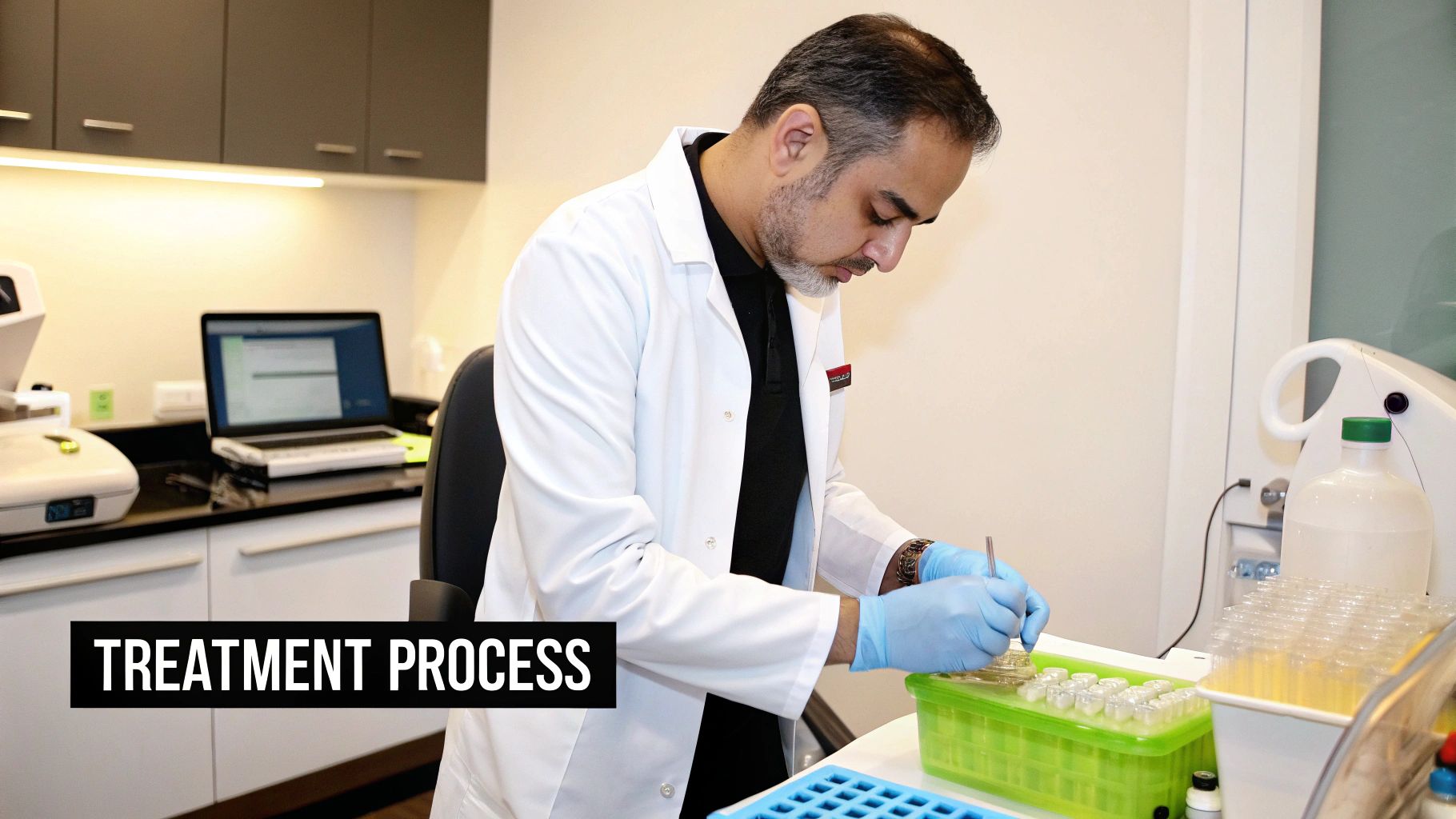
Considering PRP hair treatment? Understanding the process can ease any concerns and help you prepare. This guide walks you through each step, from your initial consultation to post-treatment care.
Initial Consultation and Preparation
Your first appointment will involve a thorough consultation. The specialist will assess your hair and scalp health, discuss your medical history and hair loss concerns, and set realistic expectations for the treatment. Understanding how the body heals naturally provides context for how PRP stimulates hair growth. For more information, explore this resource on how wounds heal faster. You might be advised to avoid certain medications or supplements that could impact blood clotting.
The Blood Draw and PRP Preparation
A small blood sample, similar to a standard blood test, will be taken from your arm. This sample is then placed in a centrifuge. This device spins the blood at high speed, separating the platelet-rich plasma (PRP) from other blood components. The PRP has a much higher concentration of platelets than normal blood, maximizing the growth factors for your treatment.
The PRP Injection Process
Once the PRP is ready, your scalp is cleansed, and a topical anesthetic might be used to ensure your comfort. The PRP is then injected into targeted areas of your scalp using fine needles. The specialist focuses on areas with thinning or hair loss to deliver the growth factors directly to the hair follicles. This typically takes 30-60 minutes, depending on the treatment area. To further understand the steps involved, refer to the table below:
To help you visualize the process, we've outlined the steps in a simple table:
PRP Hair Treatment Procedure Steps: A breakdown of each step in the PRP hair treatment process from start to finish.
| Procedure Step | Description | Duration | Patient Experience |
|---|---|---|---|
| Consultation & Assessment | Discussion of medical history, hair loss concerns, and treatment expectations; scalp and hair examination. | 15-30 minutes | Generally comfortable, involves discussion and physical examination. |
| Blood Draw | Extraction of a small blood sample from the patient's arm. | 5-10 minutes | Similar to a routine blood test. |
| PRP Preparation | Processing of the blood sample in a centrifuge to separate the platelet-rich plasma (PRP). | 10-15 minutes | Patient rests while the PRP is prepared. |
| Scalp Preparation & Anesthesia | Cleansing of the scalp and application of topical anesthetic (optional). | 5-10 minutes | Can feel a slight cooling sensation if anesthetic is used. |
| PRP Injection | Injection of PRP into targeted areas of the scalp using fine needles. | 30-45 minutes | May experience mild pressure or prickling sensation. |
This table summarizes the key stages of a typical PRP hair treatment session, offering a clearer picture of what you can expect. Each step is crucial for achieving optimal results.
Post-Treatment Care and Recovery
After the injections, you can resume your normal activities. Some mild redness, swelling, or tenderness at the injection sites is normal and usually fades within a few days. Your specialist will give you detailed aftercare instructions, which may include temporarily avoiding strenuous activities or certain hair products.
What to Expect After Your Session
PRP treatment doesn’t deliver instant results. It takes time for the growth factors to stimulate the hair follicles. Most patients notice improvements after several treatments, typically scheduled 4-6 weeks apart. The initial sessions initiate the process, and follow-up treatments maintain the results. Individual results can vary based on factors like the degree of hair loss and your overall health.
The Evidence Behind PRP Hair Treatment Success
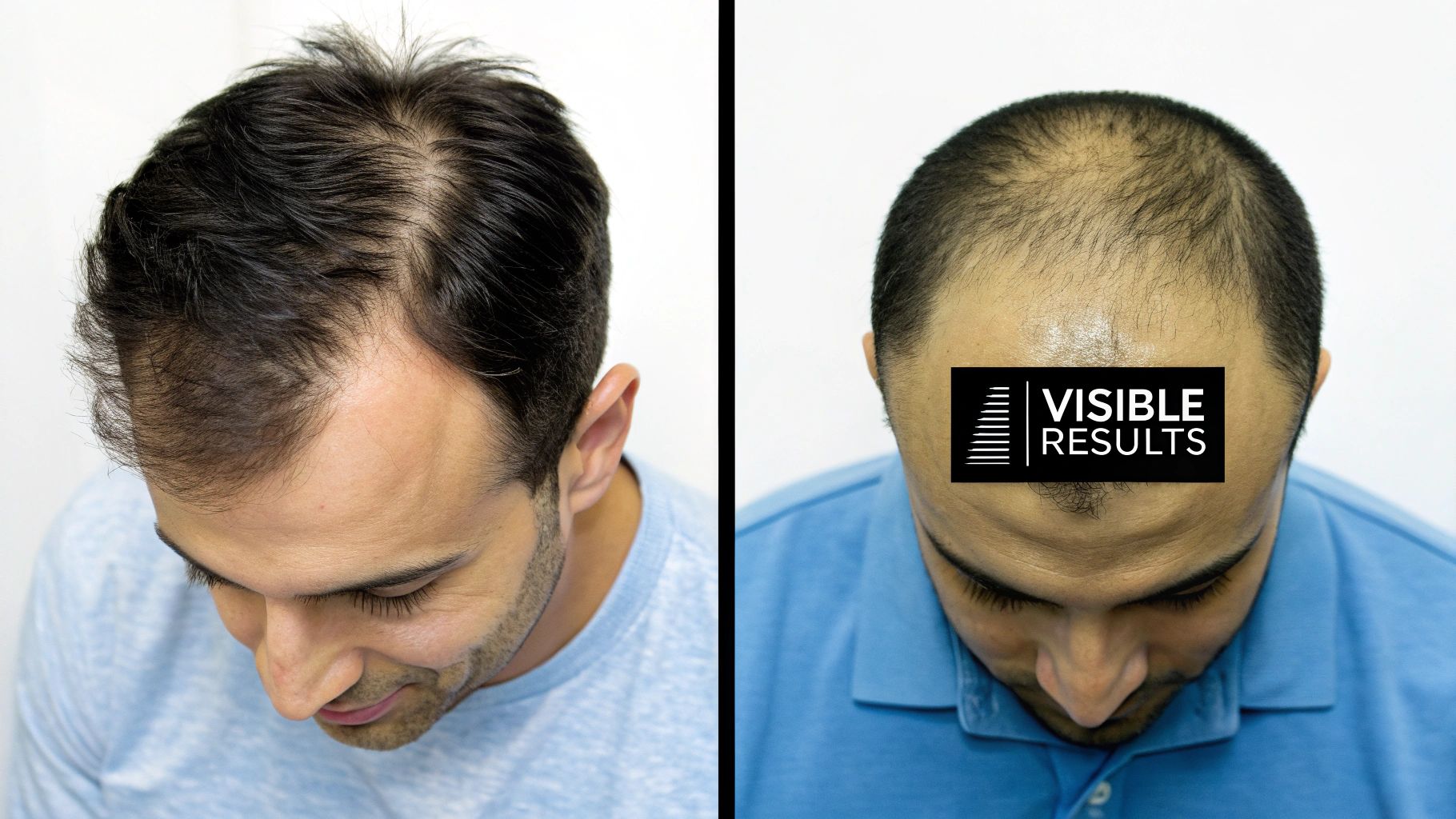
PRP hair treatment has evolved from a relatively new concept to a recognized therapy for hair loss, backed by a growing body of research. Let's delve into the scientific journey that has established PRP as a viable hair restoration option.
Early Research and Clinical Trials
The scientific basis for PRP in hair restoration began with exploring its regenerative properties in other areas of medicine. This knowledge then led to its application in treating hair loss. Early clinical trials began to emerge, primarily focusing on its use for androgenetic alopecia, more commonly known as male and female pattern baldness.
These initial studies showed promising results, indicating PRP's ability to encourage hair growth and boost hair thickness. Clinical trials of PRP hair treatments date back to the early 2010s, with increasing evidence of its efficacy accumulating over the last decade.
One significant study, circa 2014, offered particularly compelling evidence. This randomized, evaluator-blinded, placebo-controlled half-head study, which included 23 patients, demonstrated impressive results. The treated areas saw a mean increase of 33.6 hairs and an average hair density gain of 45.9 hairs per cm² compared to the placebo areas after just three monthly treatments. Read the full research here.
These improvements were both statistically significant and maintained for over two years. This landmark trial was instrumental in establishing the long-term effectiveness and safety of PRP as a hair restoration treatment, paving the way for further research.
Meta-Analyses and Larger-Scale Studies
Following the initial positive outcomes of early clinical trials, larger studies and meta-analyses further strengthened the evidence supporting PRP's efficacy. These broader investigations examined data from numerous studies, offering a more comprehensive evaluation of PRP's effects.
The analysis consistently demonstrated statistically significant increases in hair count and density for patients undergoing PRP treatment. These studies also helped refine treatment protocols, optimizing the frequency and concentration of PRP injections for the best outcomes.
Ongoing Research and Future Directions
Researchers continue to investigate the potential of PRP in hair restoration. Current research explores combining PRP with other treatments, such as hair transplants and microneedling, to enhance overall results.
There is also increasing focus on refining PRP preparation methods to maximize growth factor concentrations. Furthermore, scientists are investigating the cellular mechanisms by which PRP stimulates hair follicle activity.
These ongoing studies are expected to further refine PRP therapies and expand its application in addressing various hair loss conditions. Keeping abreast of the latest research can help individuals make informed choices about their hair restoration journey.
Real Results: What PRP Hair Treatment Can Actually Deliver
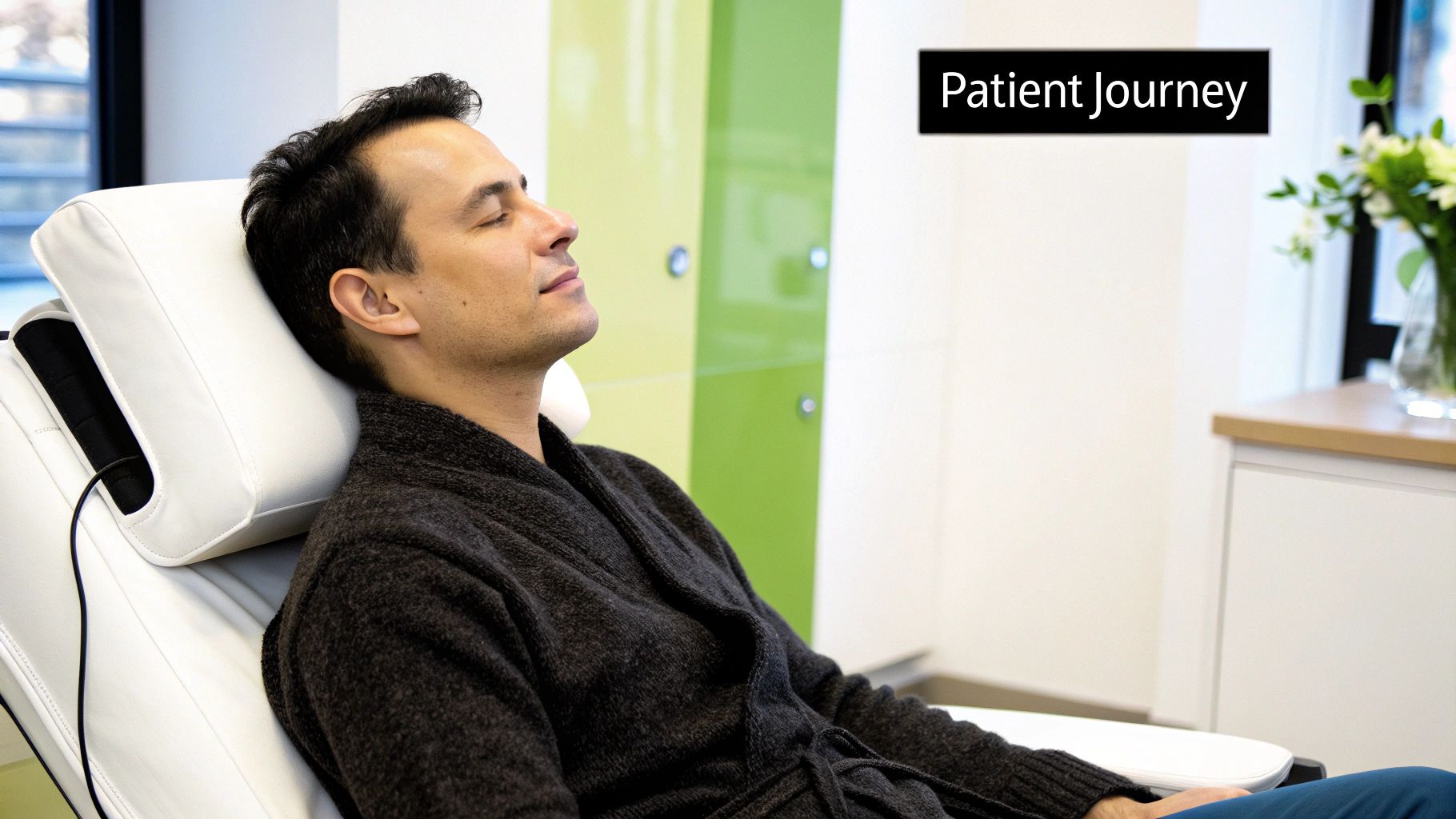
While previous sections discussed the science and procedure behind PRP hair treatment, this section explores the real-world results you can expect. It's important to approach this treatment with realistic expectations grounded in clinical evidence, rather than focusing on exceptional cases.
Understanding Typical Outcomes
PRP hair treatment isn't a quick fix for hair loss. It's a process that stimulates existing hair follicles, making it most effective for individuals experiencing thinning hair or early-stage hair loss, not complete baldness.
Most patients see gradual improvements, with noticeable changes typically appearing after multiple treatments. These improvements often include increased hair density and thickness, leading to a fuller appearance. However, individual responses vary, and factors like age, genetics, and overall health can influence the outcome.
For a deeper understanding of success rates and influencing factors, research provides valuable insights. Studies show PRP injections increase hair density by an average of 18 to 39 hairs per cm² compared to control groups. Furthermore, approximately 84% of reviewed studies reported positive effects of PRP on hair regrowth, with success rates often exceeding 80% in suitable candidates. For more detailed information, see What is the success rate of PRP hair treatment?
Factors Influencing Success
Several factors can significantly impact the effectiveness of PRP therapy. Understanding these factors can help you manage your expectations and work with your doctor to optimize your treatment plan.
Let's explore some of these key influences:
- Age and Hair Loss Stage: Younger individuals in the earlier stages of hair loss tend to experience better results.
- Treatment Frequency and Consistency: Sticking to the recommended treatment schedule, which typically involves multiple sessions spaced several weeks apart, is essential for optimal outcomes.
- Overall Health and Lifestyle: Maintaining a healthy lifestyle, including a balanced diet and effective stress management, can positively influence treatment results.
- Complementary Therapies: Combining PRP with other hair restoration treatments, such as minoxidil or finasteride, may enhance the overall effectiveness of the treatment.
To better understand the interplay of these success factors, consider the following table:
PRP Hair Treatment Success Factors
| Success Factor | High Impact | Moderate Impact | Low Impact |
|---|---|---|---|
| Age and Hair Loss Stage | Early stages of hair loss in younger patients | Moderate hair loss in younger to middle-aged | Advanced hair loss or older patients |
| Treatment Frequency & Consistency | Adherence to recommended schedule | Occasional missed sessions | Inconsistent treatment adherence |
| Overall Health and Lifestyle | Healthy diet, low stress | Moderate lifestyle adjustments | Unhealthy diet, high stress levels |
| Complementary Therapies | Use of minoxidil or finasteride | Occasional use of other therapies | No complementary therapies utilized |
This table highlights how different factors contribute to the success of PRP hair treatment. While age and hair loss stage have a high impact, consistent treatment and a healthy lifestyle also play crucial roles.
Setting Realistic Expectations
It's important to have realistic expectations. While many experience noticeable improvements, results aren't always permanent and may require maintenance treatments. PRP is not a universal solution, and individual responses can vary. Consulting a qualified medical professional is crucial for assessing your candidacy and creating a personalized treatment plan.
Recognizing the Timeline for Visible Improvements
PRP doesn't provide instant results. Visible improvements typically emerge gradually over several months, with most individuals noticing a difference after three to four sessions. Initial treatments initiate the process, and subsequent sessions maintain and enhance the results. Patience and commitment to the recommended schedule are crucial.
Maintenance and Long-Term Results
While PRP can deliver impressive initial results, maintenance is often necessary to preserve these improvements, especially for individuals with ongoing hair loss, such as androgenetic alopecia. Discuss long-term maintenance strategies with your provider to understand the expected frequency of follow-up treatments and any lifestyle changes that can support lasting results. This proactive approach can contribute to the long-term success of your PRP hair treatment.
PRP Hair Treatment vs. Alternative Restoration Methods
Deciding on a hair restoration method can feel overwhelming with so many options available. This section clarifies how PRP (Platelet-Rich Plasma) therapy compares to other popular treatments like medications, surgery, laser therapy, and newer biologics. We’ll compare their effectiveness, cost, time commitment, side effects, and recovery to help you understand PRP’s unique position in the hair restoration field.
PRP vs. Medications (Minoxidil and Finasteride)
PRP uses your own growth factors to stimulate hair growth. In contrast, minoxidil Minoxidil and finasteride Finasteride are pharmaceutical interventions. Minoxidil is a topical solution that promotes hair growth by widening blood vessels in the scalp. Finasteride, an oral medication, blocks the hormone that contributes to male pattern baldness. PRP offers a natural alternative without the potential systemic side effects of these drugs. However, results may appear more gradually with PRP compared to the potentially faster action of finasteride. PRP can also be used in conjunction with these medications to potentially enhance their effectiveness.
PRP vs. Surgical Hair Transplants (FUE and FUT)
Surgical hair transplants, such as Follicular Unit Extraction (FUE) and Follicular Unit Transplantation (FUT), involve moving hair follicles from a donor area to the recipient area. These procedures provide a more permanent solution than PRP but come with higher upfront costs, a longer recovery period, and the potential for scarring. PRP can be a valuable complement to surgical transplants. It can aid in faster healing and potentially improve graft survival rates. This combined approach is gaining popularity in hair restoration.
PRP vs. Low-Level Laser Therapy (LLLT)
Low-Level Laser Therapy (LLLT) uses light energy to stimulate hair follicles. Like PRP, LLLT is non-invasive. However, it typically requires more frequent sessions and may not be as effective for all hair loss types. Some studies suggest combining LLLT with PRP may further enhance results, potentially offering a synergistic benefit. More research is needed to determine the optimal combination strategies.
PRP vs. Emerging Biologics
The field of hair restoration is constantly evolving with the development of new biologics, including growth factor cocktails and stem cell therapies. While these treatments show promise, they are often more expensive than PRP and lack extensive long-term data. Currently, PRP represents a more established biologic therapy with a growing body of evidence supporting its effectiveness and safety.
Choosing the Right Approach
The ideal hair restoration method depends on individual factors such as the type and extent of hair loss, budget, lifestyle, and personal preferences. PRP offers a compelling alternative for those seeking a natural, minimally invasive treatment with relatively low risk.
| Feature | PRP | Minoxidil/Finasteride | Hair Transplant | LLLT | Emerging Biologics |
|---|---|---|---|---|---|
| Invasiveness | Minimally invasive | Non-invasive/Oral | Invasive | Non-invasive | Varies |
| Cost | Moderate | Low-Moderate | High | Moderate | High |
| Recovery | Minimal | None/None | Moderate | None | Varies |
| Results | Gradual | Moderate-Fast | Permanent | Gradual | Varies |
| Side Effects | Minimal | Potential side effects | Scarring risk | Minimal | Varies |
This table provides a quick comparison to help you make an informed choice. Consulting with a qualified hair restoration specialist is crucial for personalized recommendations tailored to your specific needs. They can assess your situation, discuss the pros and cons of each method, and recommend combination therapies for optimal results. Choosing the right treatment, or combination of treatments, can empower you to achieve your hair restoration goals.
The Real Investment: PRP Hair Treatment Costs & Access
PRP hair treatment offers a promising solution for hair loss. However, understanding the costs is crucial for making informed decisions. This section provides transparent insights into pricing, budget planning, and accessing quality care. Let's explore the financial aspects of PRP hair therapy.
Understanding the Cost Structure
PRP treatment costs vary based on several factors, including location, provider experience, and the specific treatment protocol. On average, a single PRP session can range from $500 to $2,000. Most patients require an initial series of three to four treatments, spaced four to six weeks apart. This means the initial investment can be anywhere from $1,500 to $8,000.
After the initial treatments, maintenance sessions are typically recommended every six to twelve months to sustain results. These maintenance sessions become part of the long-term investment in PRP therapy.
Factors Influencing Pricing
Several factors contribute to the cost of PRP treatments. These include:
- Provider Expertise: Experienced providers with specialized training may charge more.
- Clinic Location: Prices often differ based on geographic location and prevailing market rates.
- PRP Preparation Method: Advanced preparation methods, such as adding ACell, may increase the session cost.
- Treatment Protocol: The number of injections and the PRP concentration used can also affect the price.
Understanding these factors allows you to evaluate the value provided by different providers and clinics.
Identifying Value vs. Premium Charges
While premium charges can sometimes reflect genuine differences in quality and expertise, it's essential to differentiate real value from unnecessary upselling. Look for transparent pricing and a clear explanation of the treatment protocol and included services. Avoid clinics with unrealistic promises or those that pressure you into unnecessary add-ons.
Budget Planning for PRP Treatment
Considering the investment involved, planning your budget is essential. Factor in the total cost of the initial treatment series and the ongoing cost of maintenance sessions. Explore financing options or payment plans that the clinic may offer. It's crucial to balance the financial investment with your expected outcomes and long-term hair restoration goals.
Accessing Quality PRP Treatment
When selecting a PRP provider, look beyond marketing claims. Verify the provider's credentials and experience in PRP therapy. Request before-and-after photos from previous patients and read online reviews to gauge their reputation. Don't hesitate to ask about the procedure, potential side effects, and realistic outcomes during your consultation. This helps you find reputable clinics dedicated to high-quality care.
Insurance and Financing Options
PRP for hair loss is usually considered a cosmetic procedure and is rarely covered by insurance. Some clinics, however, offer financing options or payment plans to make treatment more affordable. Discuss these possibilities with your provider to explore the available financial resources.
By considering these factors and planning your budget effectively, you can confidently manage the financial aspects of PRP hair treatment and make informed choices about your hair restoration journey.
Is PRP Hair Treatment Your Solution? Making the Informed Choice
After learning about PRP hair treatment, you might be wondering if it's the right solution for your hair loss concerns. This section provides a framework to help you make an informed decision.
Assessing Your Candidacy
Ideal candidates for PRP hair treatment are typically in the early stages of hair loss or experiencing thinning hair. Those with advanced hair loss or complete baldness may not see significant improvements, since PRP primarily stimulates existing hair follicles. Your age and overall health also influence outcomes, with younger individuals tending to respond better. Consider your commitment to the required treatment schedule and any other therapies you're pursuing.
Key Questions to Ask Yourself and Your Provider
Before making a decision, ask yourself these important questions:
- What are my hair restoration goals?
- Am I prepared for multiple treatment sessions and ongoing maintenance?
- What's my budget for hair restoration?
- Am I comfortable with the procedure itself?
Equally important are the questions to ask your potential provider:
- What's their experience with PRP hair treatment?
- Can you see before-and-after photos of previous patients?
- What's the estimated cost for your specific situation?
- What are the realistic outcomes you can expect?
Establishing Realistic Benchmarks for Progress
PRP doesn't offer overnight results. Visible changes usually appear gradually after three to four treatments, spaced several weeks apart. Don't be discouraged if you don't see immediate improvements. The initial sessions initiate the process, with subsequent treatments building on those gains. Regular follow-up appointments are essential for maximizing and maintaining your results. Discuss long-term maintenance plans with your provider.
Exploring Complementary Approaches
PRP can be combined with other hair loss treatments like minoxidil Minoxidil or finasteride Finasteride to potentially enhance results. Lifestyle adjustments, such as managing stress and maintaining a healthy diet, can also positively affect hair health. These complementary approaches can support and optimize your hair restoration journey.
Making the Informed Choice
PRP offers a natural, minimally invasive option for hair restoration, especially for those in the early stages of hair loss. However, individual results can vary, and it's not a quick fix. By carefully considering your candidacy, asking relevant questions, establishing realistic expectations, and exploring complementary approaches, you can confidently decide if PRP is the right choice for you.
Ready to learn more? Visit PRP For HairLoss for comprehensive information.
 PRP For Hairloss
Leave a comment