Witness the PRP Transformation: Real Results
Experiencing hair loss? PRP hair treatment may be the solution you're looking for. This listicle reveals eight compelling PRP hair treatment results you should know about before considering this revitalizing procedure. Discover how PRP can lead to increased hair density, reduced shedding, thicker strands, and even enhance the effectiveness of other hair loss treatments like Minoxidil or Finasteride. We'll cover the potential benefits, from faster growth and reduced scalp inflammation to long-term hair loss stabilization, offering a clear picture of what you can realistically expect from PRP hair treatment.
1. Increased Hair Density
One of the most compelling PRP hair treatment results is increased hair density. PRP (Platelet-Rich Plasma) therapy works by stimulating dormant hair follicles to re-enter an active growth phase. This is achieved by extracting a small amount of the patient's blood, processing it to isolate the platelet-rich plasma, and then injecting this concentrated solution back into the scalp. The growth factors present in PRP activate stem cells within the hair follicles, promoting the development of new hair shafts and strengthening existing follicles, leading to a fuller, thicker appearance. This makes PRP a promising solution for men experiencing hair thinning or loss.
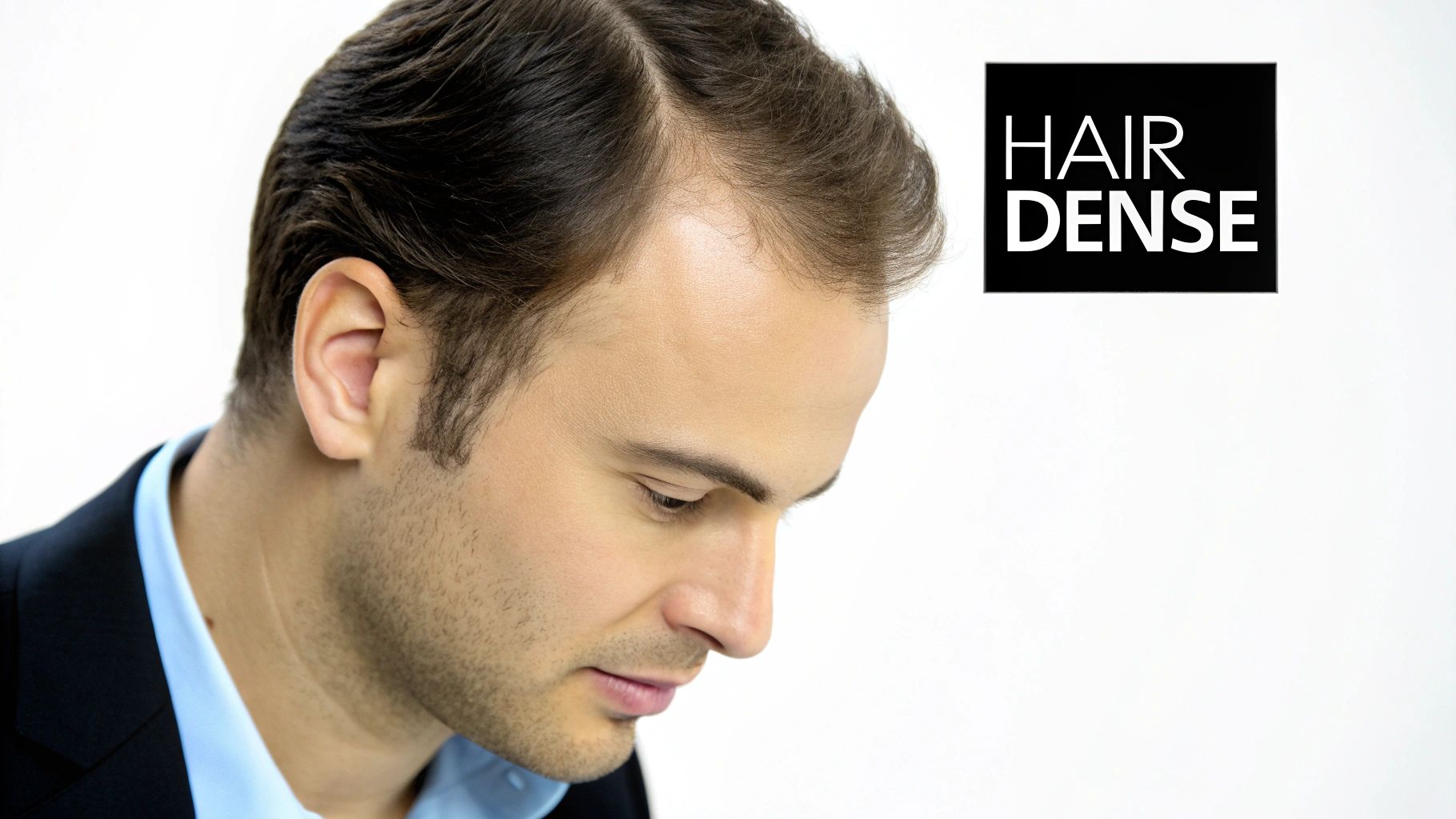
In successful cases, PRP therapy can yield a 20-30% increase in hair density. However, it's important to manage expectations, as the improvement is gradual, typically unfolding over 3-6 months. The results are generally most noticeable in areas with thinning hair, like the crown and frontal scalp regions, rather than completely bald spots where the follicles may be entirely inactive. A 2019 study published in Dermatologic Surgery reported an average 31% increase in hair density after three PRP sessions, supporting the potential for significant improvements. Clinical photographs frequently demonstrate visible thickening in treated areas, providing further evidence of PRP's effectiveness in enhancing hair density.
This approach deserves its place on this list due to its relatively natural approach, using the patient's own blood, and minimal downtime compared to surgical hair restoration procedures. PRP can be effective for both men and women experiencing hair loss, offering a versatile solution.
Pros:
- Natural approach: Utilizes the patient's own blood, minimizing the risk of allergic reactions.
- Minimal downtime: Allows you to return to your regular activities quickly, unlike surgical options.
- Effective for both men and women: Provides a solution for a wide range of individuals experiencing hair loss.
Cons:
- Varied results: The effectiveness of PRP varies significantly between individuals due to factors like genetics and overall health.
- Multiple sessions: Optimal results typically require multiple treatment sessions, which can be costly and time-consuming.
- Plateauing effect: Density improvements may plateau after several treatments, requiring maintenance sessions to sustain gains.
Tips for Maximizing Results:
- Photographic documentation: Take baseline and progress photos to objectively track density changes over time.
- Combination therapy: Combining PRP with minoxidil, a topical hair loss medication, may enhance results for some individuals.
- Maintenance sessions: Consider maintenance sessions every 6-12 months to help sustain density gains long-term.
Pioneered by figures like Dr. Jeffrey Rapaport, a leading expert in PRP hair restoration, and further popularized by professional athletes and celebrities like Kim Kardashian who have openly discussed their PRP treatments, the therapy continues to gain recognition as a viable option for men seeking non-surgical hair loss solutions. While individual prp hair treatment results may vary, the potential for increased density makes PRP a valuable tool in the fight against hair loss.
2. Reduced Hair Shedding
One of the most compelling prp hair treatment results is a significant reduction in hair shedding. This is achieved by prolonging the anagen (growth) phase of the hair cycle and delaying the onset of the telogen (resting/shedding) phase. By keeping more hairs actively growing and fewer entering the shedding phase, PRP helps maintain hair density and combats the visible thinning process. This makes it a valuable tool in the fight against hair loss, particularly for men experiencing conditions like androgenetic alopecia (male pattern baldness).
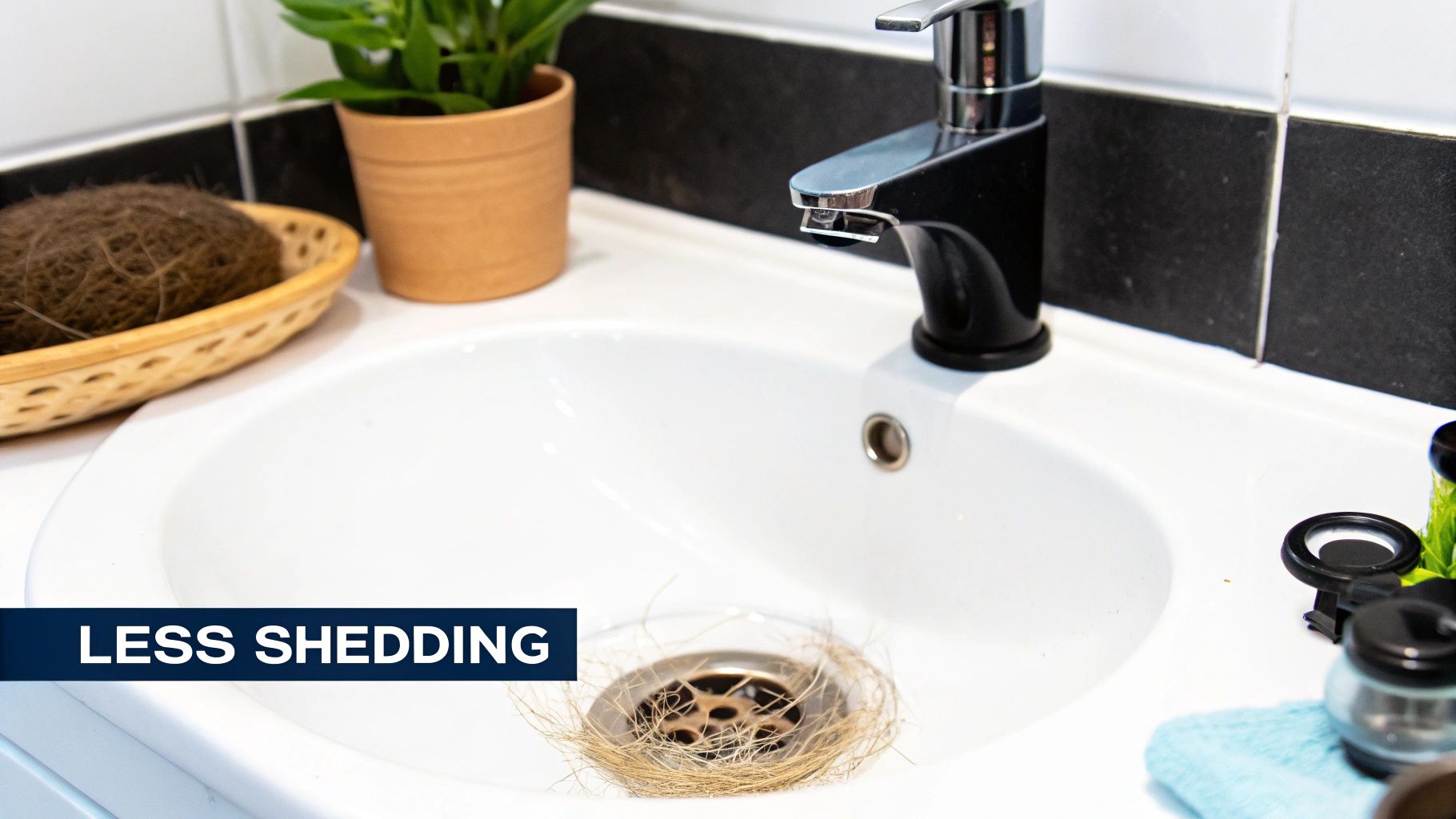
This reduction in shedding is often one of the first noticeable prp hair treatment results, typically appearing within 4-8 weeks. This early visible improvement can provide substantial psychological relief for men distressed by their hair loss. For those experiencing progressive hair loss, PRP helps stabilize the condition, slowing or halting the thinning process. While PRP can be highly effective on its own, it also works synergistically with other hair loss treatments like finasteride, potentially amplifying their effectiveness.
Features and Benefits:
- Noticeable Reduction: A decrease in daily hair shedding is frequently observed within 4-8 weeks of starting treatment.
- Stabilization: PRP helps stabilize progressive hair loss, preventing further thinning.
- Effective for Androgenetic Alopecia: PRP is particularly effective in treating male pattern baldness.
- Synergistic Effects: Combines well with other hair loss treatments for enhanced results.
Pros:
- Early Benefit: Reduced shedding is often one of the first visible improvements.
- Psychological Relief: Provides comfort and confidence by lessening visible hair loss.
- Combination Therapy: Works effectively alongside other treatments like finasteride.
Cons:
- Limited Effect in Aggressive Cases: May not completely stop shedding in rapidly progressing hair loss.
- Temporary Results: Requires ongoing treatments to maintain reduced shedding; discontinuation will likely lead to a return of previous shedding levels.
- Reduced Efficacy in Advanced Baldness: Less effective in later stages where hair follicles are miniaturized or inactive.
Examples of Success:
- A 2018 randomized controlled trial demonstrated a 65% reduction in hair shedding in the PRP group compared to 0% in the control group, highlighting the treatment's effectiveness.
- Anecdotally, patients frequently report finding less hair in shower drains and on pillows after just 2-3 PRP treatments.
Tips for Maximizing Results:
- Track Progress: Periodically count shed hairs to objectively monitor the treatment's effectiveness.
- Gentle Hair Care: Avoid harsh hair products that could irritate the scalp and potentially hinder the treatment's effectiveness.
- Maintain Medications: Continue prescribed medications like finasteride during PRP therapy to maximize results.
Popularized By:
PRP therapy for hair loss has gained significant traction thanks to researchers and practitioners like Dr. Carlos Wesley, as well as high-profile figures like the Kardashian family who have publicly shared their experiences with the treatment. Its popularity also extends to professional athletes seeking non-pharmaceutical hair loss solutions.
This reduction in shedding, a key benefit of PRP therapy, deserves its place on this list due to its significant impact on both the physical and psychological aspects of hair loss. It offers a tangible, visible improvement that boosts confidence and provides hope for men seeking effective hair loss solutions.
3. Improved Hair Shaft Thickness
One of the most compelling prp hair treatment results is the noticeable improvement in hair shaft thickness. PRP therapy works by stimulating the hair follicles with a concentrated dose of your own platelets. These platelets are rich in growth factors that enhance blood flow to the follicles and improve cellular metabolism in the dermal papilla, the part of the follicle responsible for hair growth. This boost in nourishment and activity leads to an increased diameter of each hair strand, making hair appear fuller and denser. This benefit is particularly appealing to men experiencing hair thinning or loss, as it directly addresses the issue of diminishing hair caliber.

Responding patients typically see a 10-20% increase in hair shaft diameter. Microscopic analysis, often using trichoscopy, provides objective evidence of this improved hair caliber. Importantly, PRP can create a visual impression of fullness even without a significant increase in the number of hairs, making it a valuable tool for men primarily concerned with the appearance of thinning hair.
Features and Benefits:
- Increased hair shaft diameter: The primary benefit, leading to a fuller appearance.
- Measurable results: Trichoscopy allows for objective tracking of progress.
- Enhanced appearance of existing hair: Makes hair look healthier and more robust.
- Improved styling: Thicker hair is generally easier to style and holds styles better.
Pros:
- Enhances the look of existing hair, giving a fuller appearance.
- Can make styling easier and more effective due to the increased hair volume.
- Results can be measured objectively with trichoscopy, allowing you to track your progress.
Cons:
- The thickening effect may be less dramatic in severely miniaturized follicles, which are often a hallmark of advanced male pattern baldness.
- Improvements may diminish if treatments are discontinued, indicating a need for maintenance.
- Results develop gradually over several months, requiring patience and commitment.
Examples:
- A 2015 study in the Journal of Cutaneous and Aesthetic Surgery demonstrated a 12% average increase in hair shaft thickness after PRP treatments. This reinforces the clinical evidence supporting PRP's effectiveness in improving hair caliber.
- Trichoscopic images from patients undergoing PRP therapy typically show progressive thickening of hair shafts over the course of their treatment, providing visual confirmation of the improvements.
Tips for Maximizing Results:
- Use a digital microscope or consult with a practitioner who uses trichoscopy to track changes in your hair shaft thickness over time. This allows for personalized monitoring and adjustment of your treatment plan.
- Avoid heat styling during the PRP treatment course to prevent damage to the new growth and maximize the potential for thickening.
- Consider supplementing with biotin and other hair-supporting nutrients, as discussed with your doctor, to provide your follicles with the building blocks they need for optimal growth.
Popularized By:
- Dr. Alan Bauman: A renowned hair restoration physician known for using scientific methods, including trichoscopy, to measure and document hair improvements.
- Sports figures like Rafael Nadal: High-profile individuals like Nadal have brought public attention to the use of PRP for hair restoration.
- Beauty influencers: Many online personalities document their PRP hair journeys, providing real-world examples of the treatment and its potential benefits.
This aspect of prp hair treatment results is crucial for men seeking a solution to thinning hair. While PRP may not generate entirely new hair follicles, it can significantly improve the quality and appearance of existing hair, resulting in a fuller, healthier-looking head of hair.
4. Enhanced Hair Color and Shine
Beyond simply increasing hair count, PRP hair treatment can also improve the overall aesthetic quality of your existing and new hair, specifically its color and shine. This makes it a compelling option for men experiencing not only hair thinning, but also a general decline in hair health and vibrancy. PRP achieves this through the revitalization of melanocytes, the cells responsible for producing melanin, the pigment that gives hair its color. The growth factors present in PRP stimulate these melanocytes, potentially leading to a restoration of natural color and a reduction in graying for some individuals. Furthermore, PRP enhances the structure of the hair cuticle, the outermost layer of the hair shaft. A smoother, healthier cuticle reflects light more effectively, resulting in increased shine and luster.

This improvement in hair color and shine deserves a place on this list of PRP hair treatment results because it addresses a key concern for men experiencing hair loss: the overall aging appearance of their hair. While regrowth is crucial, restoring a youthful vibrancy through improved color and shine can significantly impact self-esteem and perceived age. Specifically, PRP can offer the following benefits regarding hair color and shine: improved shine and luster of existing hair; potential slight reversal of graying in some patients; and enhanced natural pigmentation of new growth. This translates to a more youthful appearance of hair, improves overall hair quality beyond just quantity, and can even reduce your reliance on coloring products.
Case series by Dr. Robin Unger have shown improvements in hair quality parameters, including shine and color intensity following PRP treatments. Before-and-after photographs often demonstrate an enhanced visual quality of the hair beyond just increased density. Celebrity hairstylists often recommend PRP for clients experiencing thinning, dull hair, and doctors like Dr. Gary Linkov emphasize these quality improvements as a key benefit of PRP treatments. This focus on comprehensive rejuvenation is why aesthetic medicine specialists are also increasingly incorporating PRP into their practice.
While the potential benefits are compelling, it's important to be realistic. The color improvements from PRP are generally subtle and can vary between individuals. PRP cannot completely reverse gray hair, and the scientific evidence supporting color restoration is not as robust as that for hair growth stimulation.
To best track your progress and maximize potential benefits, consider these tips:
- Take standardized photos in consistent lighting: This will help you objectively assess any improvements in shine and color over time.
- Reduce chemical processing during the treatment course: Minimizing the use of harsh dyes and other chemical treatments will allow your hair to recover and maximize the benefits of PRP.
- Use color-safe, gentle hair products: Maintaining the improvements achieved through PRP requires ongoing care with gentle products that won't strip your hair of its natural oils and shine.
PRP therapy's ability to enhance hair color and shine, even subtly, provides a significant aesthetic advantage, making it a valuable addition to any hair restoration plan. While results may vary, the potential for a more youthful, vibrant appearance makes exploring this aspect of PRP treatment worthwhile for men seeking a holistic approach to hair loss.
5. Faster Hair Growth Rate
One of the most compelling prp hair treatment results for men experiencing hair loss is the potential for faster hair growth. PRP therapy can significantly accelerate the rate at which your hair grows by optimizing the anagen (active growth) phase of the hair cycle. This is achieved through the concentrated growth factors present in PRP, which enhance cellular metabolism within the hair follicle. This, in turn, promotes faster elongation of the hair shaft and can even increase the potential length your hair can reach. This benefit makes PRP a powerful tool in combating hair loss and promoting a fuller, healthier head of hair.
How it Works:
Platelet-rich plasma (PRP) is derived from your own blood. After a small blood sample is drawn, it's processed in a centrifuge to separate the platelet-rich plasma from the other components. This concentrated PRP, rich in growth factors, is then injected directly into your scalp, in the areas experiencing thinning or hair loss. These growth factors stimulate the inactive hair follicles, encouraging them to enter the anagen phase and promoting more rapid hair growth.
Features and Benefits:
- Increased Growth Rate: Studies have shown up to a 15% increase in monthly hair growth rate in responsive patients following PRP treatment.
- Extended Anagen Phase: PRP can prolong the anagen phase, resulting in longer periods of active hair growth.
- Faster Recovery from Telogen Effluvium: For men experiencing temporary hair loss due to stress or other factors (telogen effluvium), PRP can accelerate the recovery process.
- Increased Hair Length: PRP may help your hair achieve lengths previously unattainable due to weakened or miniaturized follicles.
Pros:
- Faster Visible Results: Compared to other hair loss treatments, PRP can provide faster, noticeable improvements, which can be especially motivating for men seeking quick results.
- Beneficial for Temporary Hair Loss: PRP can effectively address temporary hair loss conditions, helping to restore hair density and thickness.
- Potential for Longer Hair: PRP can help men achieve their desired hair length by maximizing the growth potential of existing follicles.
Cons:
- Maintenance Required: The accelerated growth rate may be temporary without ongoing maintenance treatments.
- Difficult to Measure: While visible improvements are often noticeable, scientifically measuring the exact increase in growth rate can be challenging.
- Varied Individual Response: The effectiveness of PRP varies from person to person, and not all men experience the same degree of growth enhancement.
Examples of Success:
A 2017 study published in the International Journal of Trichology documented increased hair growth rates following PRP injections. Additionally, many clinics use time-lapse photography to visually demonstrate accelerated growth in treated areas.
Tips for Maximizing Results:
- Track Your Progress: Mark and measure specific hair strands monthly to monitor your growth rate. Take photos to visually document your progress.
- Consider Combination Therapy: Combining PRP with low-level laser therapy (LLLT) may create a synergistic effect, further enhancing hair growth.
- Dietary Support: Maintain a protein-rich diet to provide the necessary building blocks for faster-growing hair.
Key Figures in PRP for Hair Growth:
Pioneers like Dr. Joseph Greco, an early developer of PRP protocols for hair restoration, and Charles King, MD, who has published extensively on PRP's growth rate enhancement effects, have helped popularize PRP as a viable treatment option. The desire for rapid hair improvements, particularly among celebrities preparing for major events, has also contributed to PRP's growing popularity.
Why This Matters: For men experiencing hair loss, the promise of faster hair growth is often a primary concern. PRP therapy directly addresses this concern by stimulating the hair follicles and optimizing the growth cycle. This can lead to noticeable improvements in hair density and fullness, helping men regain their confidence and achieve their desired aesthetic goals.
6. Reduced Scalp Inflammation: A Key PRP Hair Treatment Result
Scalp inflammation can be a significant contributor to hair loss in men. It creates a hostile environment for hair follicles, disrupting the natural growth cycle and potentially leading to thinning or shedding. PRP hair treatment results often include a noticeable reduction in scalp inflammation, making it a valuable approach for men experiencing hair loss related to inflammatory conditions. This benefit secures its place as a key consideration when exploring PRP therapy.
PRP therapy leverages the healing properties of your own blood. Platelet-rich plasma (PRP), extracted from a small blood sample, is concentrated with growth factors and anti-inflammatory cytokines. When injected into the scalp, these components work to calm inflammation and promote a healthier environment for hair growth. This addresses the underlying issue contributing to hair loss rather than just masking the symptoms.
How it Works:
PRP's anti-inflammatory action targets the specific inflammatory processes that damage hair follicles. Cytokines like IL-1ra, found in PRP, counteract the damaging effects of pro-inflammatory cytokines like IL-1β, which are often elevated in inflammatory scalp conditions. This helps normalize the scalp environment, reducing redness, irritation, and discomfort.
Features and Benefits:
- Decreased redness and irritation: Visibly calmer scalp appearance.
- Reduction in inflammatory markers: Measurable improvements at a cellular level, as shown in biopsies.
- Improvement in associated conditions: Relief from dandruff, itching, and conditions like seborrheic dermatitis and folliculitis.
- Creates a healthier environment for hair growth: Allows follicles to function optimally.
- Addresses underlying causes: Targets the root of the problem, not just the symptoms.
- Improved comfort: Particularly beneficial for men with sensitive scalps.
Pros:
- Addresses underlying causes of inflammatory hair loss.
- Creates a healthier scalp environment for optimal hair growth.
- Can improve comfort, particularly for sensitive scalps.
Cons:
- May require additional treatments for severe inflammatory conditions.
- Reduction in inflammatory markers isn't always measured as a primary outcome in studies, making it harder to quantify across the board.
- The response to PRP can vary based on the individual and their specific inflammatory condition.
Examples of Success:
Research by Dr. James Beckman demonstrated a reduction in inflammatory markers in scalp tissue biopsies after PRP treatment. Furthermore, case studies, like those documented by Dr. Peter Huang, a specialist in inflammatory hair loss, show improvement in patients with seborrheic dermatitis following PRP treatments.
Actionable Tips for Men Considering PRP for Scalp Inflammation:
- Document your progress: Take close-up photos of your scalp condition before, during, and after treatment to monitor improvements.
- Consult with your doctor: Discuss the possibility of combining PRP with prescription anti-inflammatory treatments if your condition is severe.
- Gentle scalp care: Maintain a gentle scalp care routine during your PRP treatment course, avoiding harsh chemicals or excessive scrubbing.
When and Why to Use This Approach:
If you suspect inflammation is contributing to your hair loss – indicated by redness, itching, dandruff, or a diagnosis of a condition like seborrheic dermatitis – PRP may be a suitable treatment option. It’s crucial to consult with a qualified dermatologist or trichologist specializing in hair loss to determine if PRP is right for you and to develop a comprehensive treatment plan tailored to your specific needs. This approach is gaining popularity among dermatologists treating both cosmetic and medical hair loss conditions, as well as trichologists incorporating PRP into broader scalp health protocols. This makes finding a qualified professional easier than ever.
7. Improved Treatment Response to Minoxidil/Finasteride
For men experiencing hair loss, achieving desired PRP hair treatment results can sometimes be challenging. While medications like minoxidil and finasteride are common first-line treatments, not everyone responds optimally. This is where Platelet-Rich Plasma (PRP) therapy can play a significant role, earning its place as a valuable addition to hair loss treatment plans. PRP therapy can amplify the effectiveness of these traditional medications, leading to more pronounced and earlier visible results. This combination approach addresses multiple aspects of hair loss pathophysiology, offering a more comprehensive solution.
PRP therapy works by concentrating growth factors from your own blood and injecting them into the scalp. This process stimulates dormant hair follicles, improves blood flow to the scalp, and creates a more receptive environment for hair growth. When used in conjunction with minoxidil or finasteride, PRP enhances the medications' efficacy by delivering them to a more revitalized follicular environment. This synergistic effect can be particularly beneficial for those who haven't seen satisfactory results with medication alone.
Features and Benefits:
- Enhanced Medication Response: Studies suggest a 25-40% improvement in response to minoxidil and finasteride when combined with PRP therapy. This translates to more significant hair regrowth and improved hair density.
- Earlier Onset of Results: Combining PRP with medication can accelerate the timeframe for visible improvements, giving you a quicker return on your investment and boosting your confidence sooner.
- Potential for Non-Responders: PRP can potentially awaken dormant hair follicles and improve scalp health, making it possible for individuals previously unresponsive to minoxidil or finasteride to experience positive results.
Pros:
- Maximizes Outcomes: PRP amplifies the effects of existing treatments, potentially leading to better overall results than either treatment alone.
- Potential for Lower Medication Doses: In some cases, the combined approach may allow for a reduction in medication dosage, minimizing potential side effects while maintaining efficacy.
- Multi-faceted Approach: Addresses multiple aspects of hair loss, including poor blood flow, weakened follicles, and diminished growth factor activity.
Cons:
- Difficulty Isolating Treatment Contributions: It can be challenging to pinpoint the individual contribution of PRP versus the medication in the overall outcome.
- Increased Cost: Adding PRP therapy increases the overall cost compared to medication alone.
- Continued Medication Required: PRP doesn't replace the need for consistent medication use.
Examples of Success:
A 2019 comparative study demonstrated a 38% improvement in hair growth with combination PRP and minoxidil therapy, compared to just 22% with minoxidil alone. This highlights the potential for significantly enhanced results when these treatments are used together. Furthermore, leading hair restoration specialists, like Dr. Jerry Cooley, a pioneer in combination therapy protocols, commonly recommend this approach in their clinical practice, and many hair restoration clinics now offer comprehensive treatment packages that incorporate both PRP and medication.
Actionable Tips for Optimal PRP Hair Treatment Results:
- Establish a Baseline: Begin your prescribed minoxidil or finasteride regimen at least 3 months before your first PRP session. This establishes a baseline for comparison and helps assess the added benefit of PRP.
- Maintain Medication Consistency: Consistent medication use between PRP sessions is crucial for maintaining the synergistic effects and optimizing results.
- Consider Microneedling: Microneedling can further enhance the absorption of topical minoxidil, potentially boosting its effectiveness in combination with PRP.
When and Why to Use This Approach:
This combination approach is particularly suitable for men who:
- Experience suboptimal response to minoxidil or finasteride alone.
- Desire faster and more significant hair regrowth.
- Are looking for a comprehensive approach that addresses multiple factors contributing to hair loss.
By combining PRP therapy with traditional medications, you can potentially unlock superior PRP hair treatment results and achieve a fuller, healthier head of hair. Consult with a qualified hair restoration specialist to determine if this combination approach is the right fit for your individual needs and hair loss situation.
8. Long-Term Hair Loss Stabilization
One of the most compelling prp hair treatment results is its potential for long-term hair loss stabilization. For men experiencing the distressing progression of hair thinning or receding, the possibility of halting this process is a significant draw. PRP therapy offers a promising solution for maintaining existing hair and preventing further loss when implemented as part of a consistent maintenance protocol. This makes it a valuable consideration for those seeking lasting results in their fight against hair loss.
PRP therapy works by leveraging the healing and growth-stimulating properties of platelet-rich plasma derived from your own blood. When injected into the scalp, PRP delivers a concentrated dose of growth factors directly to the hair follicles. These growth factors revitalize weakened follicles, stimulate new cell growth, and enhance blood flow to the scalp, creating an optimal environment for hair growth and maintenance. Over time, these periodic injections help to fortify existing hair and protect against further miniaturization of the follicles, a key factor in progressive hair loss.
Features and Benefits:
- Maintenance of hair count and density: PRP helps preserve your current hair density by strengthening existing follicles and minimizing further shedding.
- Prevention of progression: Regular treatments can slow or even halt the advancement of hair loss, preventing progression to more advanced stages.
- Sustainable results: While not a permanent cure, consistent maintenance treatments every 6-12 months can provide sustained improvement and stability.
Pros:
- Long-term management strategy: PRP offers a proactive, long-term approach to managing hair loss, rather than simply reacting to it.
- Potential alternative or adjunct to transplantation: By stabilizing hair loss, PRP can potentially delay or even eliminate the need for a hair transplant in some cases. It can also be used in conjunction with transplantation to improve overall outcomes.
- Progressive improvement: With continued treatment, some individuals experience gradual improvements in hair thickness and density.
Cons:
- Ongoing financial commitment: Maintaining the recommended treatment schedule requires a recurring financial investment.
- Results may diminish without maintenance: The benefits of PRP are not permanent. If maintenance treatments are discontinued, hair loss may resume its previous course.
- Not a complete solution for strong genetic predisposition: While PRP can significantly slow the progression of genetically-driven hair loss, it may not completely overcome a very strong genetic predisposition in all individuals.
Examples of Successful Implementation:
- Five-year follow-up studies have shown maintained improvements in hair count and density in patients receiving periodic PRP maintenance treatments.
- Hair clinics report 85-90% long-term satisfaction rates among patients adhering to prescribed maintenance protocols. These results highlight the potential of PRP for sustained hair loss stabilization.
Actionable Tips for Men:
- Schedule calendar reminders: Set reminders for your maintenance sessions to ensure consistent treatment and maximize long-term benefits.
- Combine with proven medications: For optimal results, consider combining PRP therapy with other clinically proven hair loss treatments, such as finasteride or minoxidil, as recommended by your physician.
- Track progress with photos: Take annual photographs of your hair to visually monitor the stability and any improvements over time. This provides concrete evidence of the effectiveness of your PRP treatment protocol.
When and Why to Use This Approach:
Long-term PRP maintenance is particularly suitable for men who:
- Are experiencing progressive hair loss and want to stabilize their current condition.
- Wish to maintain existing hair density and prevent further thinning.
- Are seeking a proactive, long-term solution for managing their hair loss.
- Want to explore a less invasive alternative or complement to hair transplantation.
The insights and contributions of experts like Dr. Robert Niedbalski, who has extensively tracked long-term PRP outcomes, and John Satino, clinical director of Hairmax, who has documented PRP efficacy, further solidify the credibility of PRP as a viable long-term hair loss solution. By understanding the benefits, limitations, and commitment involved, men can make informed decisions about incorporating PRP into their hair loss management strategy.
PRP Hair Treatment: 8 Outcome Comparison
| Treatment Outcome | Implementation Complexity 🔄 | Resource Requirements ⚡ | Expected Outcomes 📊 | Key Advantages ⭐ | Ideal Use Cases & Tips 💡 |
|---|---|---|---|---|---|
| Increased Hair Density | Moderate – requires multiple sessions for gradual change | Moderate – uses patient’s blood and basic lab processing | 20-30% increase in density over 3-6 months | Natural, minimal downtime | Best for thinning areas; track progress with photos and consider combo use with minoxidil |
| Reduced Hair Shedding | Low to Moderate – early observable benefits | Minimal – routine office visits | Up to 65% reduction in shedding; noticeable decrease in daily loss | Quick visible change, psychological relief | Ideal for androgenetic alopecia; monitor shed hair count and use gentle hair products |
| Improved Hair Shaft Thickness | Moderate – gradual progress over several months | Moderate – objective tools like trichoscopy | 10-20% increase in hair strand diameter; fuller appearance | Enhances styling ease, measurable improvement | Suited for fine hair; avoid heat styling and supplement with nutrients |
| Enhanced Hair Color and Shine | Moderate – consistent sessions needed for subtle effects | Moderate – focus on aesthetic evaluation | Improved shine and natural pigmentation; subtle reversal of graying | Youthful appearance, reduced reliance on dyes | Best for dull, faded hair; use color-safe products and standard lighting for photo tracking |
| Faster Hair Growth Rate | Moderate to High – precise administration required | Moderate – tracking tools for growth rate measurement | Up to 15% faster growth; earlier improvement in hair length | Rapid visible results, synergistic with other treatments | Suitable for temporary hair loss recovery; combine with low-level laser therapy and maintain a protein-rich diet |
| Reduced Scalp Inflammation | Low – can be used complementarily with other treatments | Basic – clinical monitoring and evaluation | Reduced redness and irritation; improvement in scalp health | Targets underlying inflammation, improves comfort | Ideal for sensitive scalps; follow a gentle care routine and document progress with close-up photos |
| Improved Treatment Response to Medications | Moderate – coordination between PRP sessions and medications | Moderate – requires medication management along with PRP therapy | Enhanced medication response by 25-40% and earlier visible results | Optimizes existing treatments, potential lower doses | Best for patients with suboptimal drug response; ensure consistent use and consider microneedling to boost absorption |
| Long-Term Hair Loss Stabilization | High – requires ongoing maintenance protocols | High – consistent sessions and financial commitment | Sustained hair count and density; delays progression of hair loss | Offers long-term management and preventive benefits | Ideal for progressive loss; schedule regular maintenance sessions and keep annual progress photos to track improvements |
Ready to Explore PRP? Your Next Steps
PRP hair treatment results can be truly transformative, offering a range of benefits from increased hair density and reduced shedding to improved hair shaft thickness and enhanced color and shine. As we've explored, PRP can even accelerate hair growth, reduce scalp inflammation, and improve your response to other hair loss treatments like Minoxidil or Finasteride. One of the most compelling aspects of PRP therapy is its potential for long-term hair loss stabilization, giving you the confidence to face the future with a fuller head of hair. Understanding the potential of PRP hair treatment results and managing expectations based on your individual situation is crucial for a satisfying experience.
Taking charge of your hair loss journey starts with informed decisions. Consulting with a qualified specialist is your next step. A personalized consultation can help you understand how PRP therapy can address your specific needs and what kind of prp hair treatment results you can realistically expect. Remember, commitment to the recommended treatment plan is key to maximizing your results.
Ready to delve deeper into the world of PRP for hair loss? Learn more about achieving optimal prp hair treatment results and begin your journey towards a healthier, fuller head of hair. Visit PRP For HairLoss for in-depth information, resources, and personalized support designed to help you understand and explore PRP therapy's potential. PRP For HairLoss provides comprehensive resources and connects you with qualified professionals to help you achieve the best possible prp hair treatment results.

 PRP For Hairloss
Leave a comment