The Science Behind PRP Hair Treatment Success
PRP hair treatment uses cell-based therapy to regenerate hair. It revolves around platelet-rich plasma (PRP), a concentrated solution derived from a patient's own blood. This PRP is rich in growth factors, bioactive proteins that stimulate cell growth, repair, and regeneration. These growth factors are essential for various healing processes throughout the body. In PRP hair treatment, they revitalize dormant hair follicles. This approach makes PRP a natural alternative for hair loss, particularly for conditions like androgenetic alopecia. This type of hair loss happens when hair follicles shrink over time, resulting in thinner hair and eventual baldness.
So, how does the process work? It starts with a simple blood draw, much like a routine blood test. The blood is then placed in a centrifuge, a device that spins rapidly to separate blood components by density. This isolates the platelet-rich plasma, which contains a significantly higher concentration of growth factors than whole blood. Cell-based therapy provides additional information about the broader applications of this technology.
How PRP Stimulates Hair Growth
The concentrated PRP is then injected into the scalp, targeting areas with thinning hair or hair loss. The injected growth factors interact with hair follicles, encouraging them to re-enter the anagen phase, the active growth phase of the hair cycle.
PRP also improves blood circulation to the hair follicles, ensuring they receive adequate nutrients and oxygen for healthy growth. Imagine it as fertilizing a dormant garden. The growth factors in PRP provide the nourishment needed to awaken and revitalize hair follicles.
This results in thicker, stronger hair strands and increased hair density in the treated areas. The image below shows the visible results of PRP treatment on a patient experiencing hair loss.

Clinical trials have demonstrated the effectiveness of PRP hair treatment. One study of men with male pattern hair loss found a mean increase of 33.6 hairs in the target area. It also noted a mean increase in total hair density of 45.9 hairs per cm² after only three PRP treatments. The study emphasized the lack of major side effects and the longevity of the benefits, with some patients maintaining results for up to two years. Find more detailed statistics here. This research showcases PRP’s potential in combating hair loss and promoting natural hair regrowth.
Your PRP Hair Treatment Journey: From Consultation to Results
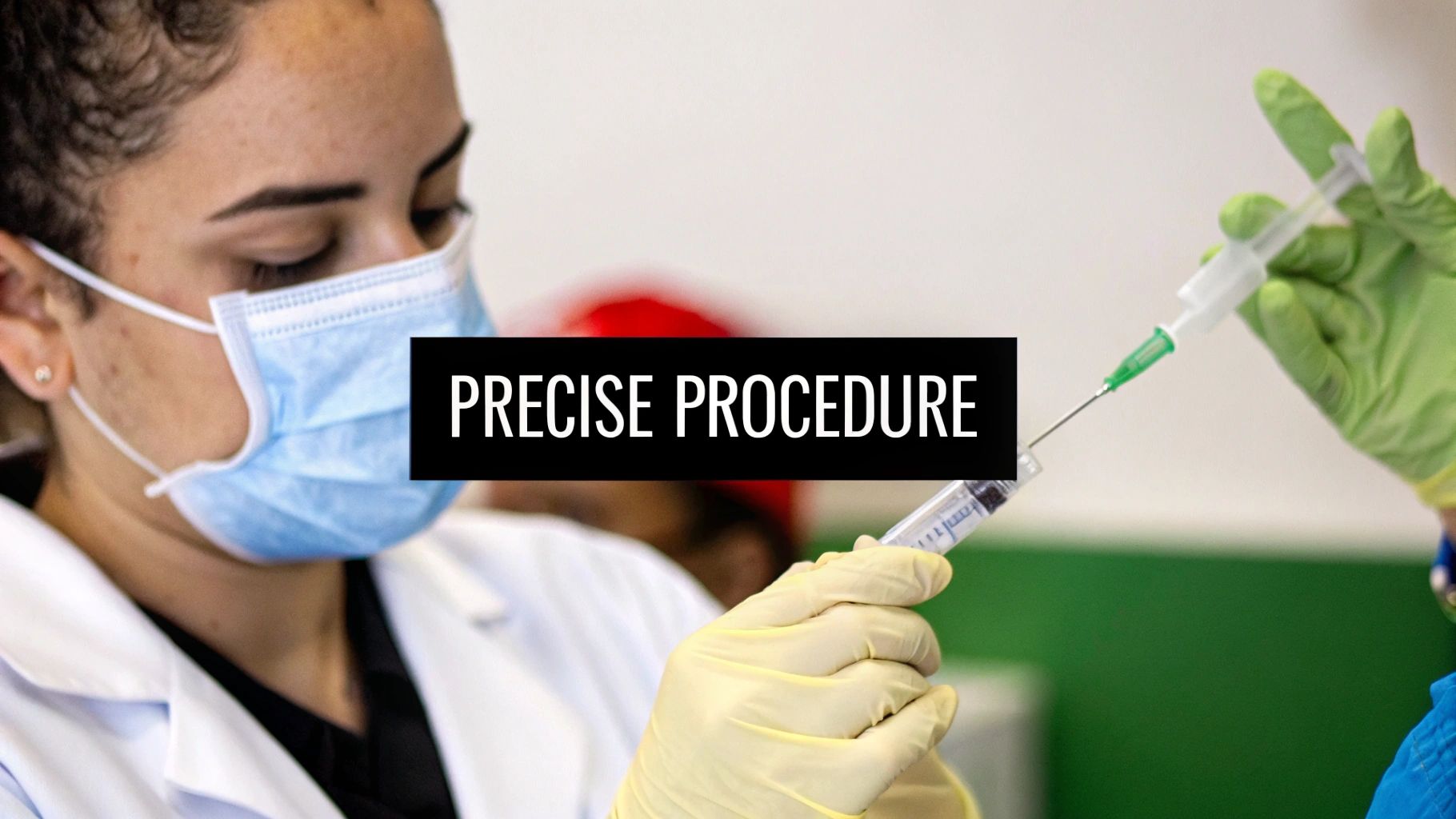
Your journey to fuller hair with PRP hair treatment begins with a thorough consultation. This critical first step allows specialists to assess your individual hair loss situation, discuss your aesthetic goals, and determine if PRP is the right solution for you. The specialist will examine your scalp, discuss your medical history, and explain the procedure in detail.
This personalized approach ensures the treatment plan is tailored to your specific needs.
Preparing for Your PRP Hair Treatment Session
Preparing for your PRP treatment session is straightforward once you're considered a suitable candidate. You might be advised to avoid certain medications, such as blood thinners, for a few days before the procedure. Arriving with clean, dry hair can also help the process run smoothly. These small preparations can significantly impact the treatment's overall efficiency.
What to Expect During Your PRP Treatment
The treatment typically starts with a small blood draw, similar to a routine blood test. This blood sample is then processed in a centrifuge to isolate the platelet-rich plasma (PRP). One method used to prepare PRP for hair restoration is the Selphyl system. This process generally takes about 15-20 minutes.
While the PRP is being prepared, a topical anesthetic may be applied to your scalp to minimize discomfort during the injections. The injection process itself is relatively quick, usually taking less than 30 minutes, depending on the treatment area. The sensation is often described as similar to tiny pinpricks.
Post-Treatment Care and Recovery
You can typically resume your normal activities immediately after your PRP hair treatment. Some mild redness or swelling at the injection sites is normal and usually subsides within a few hours. Post-treatment care is essential. For example, you should avoid washing your hair for at least 12 hours after the treatment.
Your specialist will provide detailed post-treatment instructions to optimize healing and minimize potential side effects. This may include avoiding harsh hair products or vigorous scrubbing for a few days.
Maximizing Your PRP Hair Treatment Results
A series of PRP treatments is often recommended for optimal and lasting results. The initial phase typically involves 3-4 treatments spaced 4-6 weeks apart. Following this initial phase, maintenance treatments every 3-6 months may be suggested to sustain and encourage continued hair growth.
This regular schedule helps ensure consistent stimulation of the hair follicles, promoting long-term results. Consistency is key for long-term hair health.
PRP Hair Treatment Timeline
To better understand the process, let's look at a typical PRP hair treatment timeline. This table outlines the key stages and what you can expect at each point.
| Stage | Timeline | What Happens | Patient Experience |
|---|---|---|---|
| Consultation | 30-60 minutes | Assessment, discussion, and treatment planning | Questions answered, expectations set |
| Preparation | A few days before | Avoid certain medications, clean hair on arrival | Minimal disruption to daily routine |
| Treatment | 45-60 minutes | Blood draw, PRP processing, scalp injections | Quick procedure, minimal discomfort |
| Post-Treatment | Immediate – few days | Mild redness/swelling, follow aftercare | Return to normal activities, gentle scalp care |
| Maintenance | Every 3-6 months | Follow-up PRP injections | Continued stimulation for sustained results |
This table summarizes the key stages of a PRP hair treatment journey, from initial consultation to ongoing maintenance. Each stage is designed to ensure the best possible outcome for your individual hair restoration goals. This comprehensive approach, tailored to your specific needs and goals, maximizes your chances of achieving significant and lasting hair regrowth.
PRP Hair Treatment for Men: Real Results Beyond the Hype

Hair loss can be a frustrating experience for men. Marketing often promises quick fixes, but it's important to understand what PRP hair treatment realistically offers. This section explores the genuine results men can expect, providing a clear picture of this innovative treatment.
Understanding PRP's Impact on Male Hair Loss Patterns
PRP therapy isn't a universal solution. Its effectiveness depends on the type and stage of hair loss. For men experiencing male pattern baldness, characterized by receding hairlines and thinning crowns, PRP injections can stimulate dormant hair follicles. However, areas with complete hair loss, where follicles are no longer active, may not respond as well.
This highlights the importance of early intervention. When hair follicles are still active, PRP treatment has a higher chance of stimulating regrowth and thickening existing hair. The earlier you begin treatment, the better the potential outcome.
Timeline for Visible Improvements: From Tiny Hairs to Noticeable Thickness
The timeline for visible results with PRP varies. Some men see new hairs within a few months, while others experience gradual thickening over multiple sessions. Individual responses depend on factors like age, genetics, and hair loss progression. It's essential to maintain realistic expectations.
Think of PRP treatment like a workout routine. Consistency is key. You might not see dramatic changes overnight, but over several months, you may observe increased hair density and overall improvement. This gradual progress can boost your confidence and empower you on your hair loss journey.
Combining PRP with Other Treatments: Maximizing Your Investment
While PRP is effective on its own, combining it with other hair loss treatments can yield even better results. Using PRP alongside minoxidil or finasteride can create a synergistic effect, further promoting hair growth and minimizing further loss. This combination approach targets hair loss from multiple angles.
PRP therapy has proven to be a valuable treatment option with both clinical and subjective benefits. Patients report increased satisfaction with their hair and scalp appearance, without significant side effects. Studies indicate that 68% of clinicians observed new hair growth, and 45% noted improvements in hair thickness after PRP treatment. Learn more about this at this resource on PRP for androgenic alopecia.
The ideal approach depends on your individual circumstances. A qualified hair restoration specialist can assess your needs and recommend the most effective strategy, whether it's PRP alone or a combination approach. Taking a proactive and informed approach to hair loss can significantly impact the long-term health and appearance of your hair.
Women's Guide to PRP Hair Treatment: Solutions That Work

Female hair thinning presents unique challenges. Unlike male pattern baldness, women often experience diffuse thinning, a more widespread hair loss across the scalp. This can make traditional treatments less effective. However, Platelet-Rich Plasma (PRP) hair treatment offers a potential solution for these specific needs.
Why PRP Is Ideal for Women's Hair Loss
PRP targets the underlying causes of female hair loss, which are often hormonal. Fluctuations during pregnancy, postpartum, perimenopause, and menopause can disrupt the hair growth cycle. PRP helps stabilize this cycle by stimulating dormant hair follicles. This encourages thicker, healthier hair growth and can be beneficial during various life stages.
Many women, for example, experience significant hair shedding after pregnancy. Hormonal shifts during this time can push hair follicles into a resting phase. PRP helps reactivate these follicles and restore hair growth. This targeted approach makes PRP a potential tool for addressing female hair loss.
Additionally, PRP may be a valuable option for managing hair thinning related to perimenopause and menopause. These times of hormonal change can significantly impact hair health. PRP offers a way to support hair follicles and encourage growth during these transitions.
Practical Considerations for Women Undergoing PRP
Timing PRP treatments around other hair appointments is important. Ideally, schedule PRP sessions a few weeks before or after coloring or chemical treatments. This minimizes potential scalp irritation and allows the PRP to work effectively. These practical considerations help integrate PRP seamlessly into your existing hair care routine.
Furthermore, maximizing volume during the regrowth phase is a common concern. While waiting for new hair to grow, strategic styling techniques and volumizing products can help create the appearance of fuller hair. This offers both practical and emotional support during the regrowth journey.
A 2024 study found PRP therapy to be highly effective in treating female hair loss, significantly enhancing hair density and thickness with minimal side effects. Another study, including both men and women, showed notable improvement in hair count, density, and diameter after PRP treatment, alongside increased patient satisfaction. You can explore this topic further here.
Combining PRP With Other Female-Focused Treatments
PRP can also complement other hair loss treatments. Combining PRP with other therapies tailored for women can create a comprehensive approach to hair restoration. For example, certain supplements or topical treatments may be used in conjunction with PRP to maximize results.
This integrative approach addresses hair loss from multiple angles, offering a more robust solution. This multifaceted approach can not only help restore hair but also boost confidence and self-esteem. PRP offers a unique solution potentially tailored to the challenges women face with hair loss.
PRP vs. Other Hair Loss Treatments: What Actually Works
Feeling frustrated with hair loss solutions that overpromise and underdeliver? This section offers a straightforward comparison of PRP hair treatment with other popular methods, empowering you to make an informed decision about your hair restoration journey. We'll examine the effectiveness, cost, time commitment, and potential drawbacks of each treatment. This comprehensive analysis will help you chart the best course of action for your individual needs.
PRP vs. Medications (Finasteride and Minoxidil)
Many people initially turn to medications like finasteride and minoxidil to combat hair loss. Finasteride inhibits the hormone DHT, a primary factor in male pattern baldness. Minoxidil, a topical solution, boosts blood flow to the scalp, stimulating hair growth. While these medications can be effective, they typically require continuous use and may present side effects.
PRP offers a more natural approach, utilizing your body's own growth factors to invigorate hair follicles. This minimizes the risk of adverse reactions and provides a potentially long-term solution. Some patients even combine PRP with these medications to amplify results, harnessing the strengths of both approaches.
PRP vs. Hair Transplants (FUE and FUT)
Hair transplant surgery, encompassing Follicular Unit Extraction (FUE) and Follicular Unit Transplantation (FUT), presents a more permanent solution for hair loss. These procedures involve grafting hair follicles from a donor area to the recipient area. However, surgery entails higher costs, a longer recovery period, and the possibility of scarring.
PRP can be a valuable adjunct to hair transplant surgery, used before or after the procedure to optimize the scalp environment and improve graft survival, ultimately enhancing the overall outcome. This makes PRP a versatile tool in the hair restoration process.
PRP vs. Laser Therapy
Low-level laser therapy (LLLT) is a non-invasive hair loss treatment that uses laser light to stimulate hair follicles. While LLLT can be beneficial for some, the results may be less pronounced compared to PRP or hair transplants.
PRP delivers growth factors directly to the hair follicles, offering a more targeted approach. This focused delivery can lead to more noticeable improvements in hair density and thickness, a key advantage for those seeking visible results.
PRP vs. Supplements
The supplement market is saturated with products claiming to promote hair growth, but many lack scientific evidence. While some supplements may contribute to overall hair health, they often fail to address the root causes of hair loss.
Unlike many supplements, PRP is supported by research and has a demonstrable history of stimulating hair growth. It provides a more evidence-based approach to hair restoration by targeting the biological mechanisms involved in hair loss, making it a more reliable option than unverified supplements.
Comparing Hair Loss Treatment Options
To help you compare the available options, the following table summarizes the key differences between various hair loss treatments, including PRP.
| Treatment | Effectiveness | Cost Range | Downtime | Side Effects | Maintenance Required |
|---|---|---|---|---|---|
| PRP Hair Treatment | Moderate to High | $$ | Minimal | Mild redness, swelling | Yes |
| Finasteride | Moderate | $ | None | Potential sexual side effects | Yes |
| Minoxidil | Moderate | $ | None | Scalp irritation | Yes |
| FUE Hair Transplant | High | $$$$ | Several days | Scarring, infection risk | No |
| FUT Hair Transplant | High | $$$ | Several days | Linear scar, infection risk | No |
| Laser Therapy | Low to Moderate | $$ | None | Rare | Yes |
| Hair Growth Supplements | Variable, often low | $ | None | Varies depending on the supplement | Yes |
The optimal treatment for you will depend on your individual circumstances. Consulting with a hair restoration specialist is essential to determine the most effective approach. They can assess your specific needs and recommend the best course of action, whether it's PRP alone or combined with other treatments.
Is PRP Hair Treatment Your Solution? Honest Assessment Guide
Not everyone is an ideal candidate for PRP hair treatment. This guide helps you determine if PRP is the right solution for your hair loss concerns. We’ll explore the evaluation criteria used by hair restoration specialists to assess suitability, considering factors like hair loss pattern, stage, medical history, and realistic expectations. This information empowers you to make an informed decision about your hair restoration journey.
Assessing Your Hair Loss and Suitability for PRP
The first step in determining your candidacy for PRP hair treatment is understanding your specific hair loss pattern and stage. PRP works best on individuals experiencing androgenetic alopecia in its early stages. This is because PRP aims to revitalize dormant hair follicles. If your hair follicles are completely inactive, signifying advanced hair loss, PRP may not be as effective.
For example, men with significant recession at the temples or a large bald spot on the crown might have limited follicle activity in these areas. While PRP could potentially strengthen existing hairs, it’s less likely to generate substantial new growth in areas with complete follicle inactivity.
Similarly, women experiencing diffuse thinning might see better results than those with localized patches of complete hair loss. A thorough assessment by a qualified specialist is essential to understand the potential benefits in your specific case.
Medical Factors Influencing PRP Results
Beyond the pattern and stage of hair loss, certain medical factors can impact the effectiveness of PRP hair treatment. Blood conditions, such as a low platelet count, or the use of blood thinners, can hinder the treatment process. It's crucial to discuss your complete medical history with your hair restoration specialist.
For instance, some medications interfere with platelet function, a key component of PRP therapy. Likewise, certain medical conditions might make injections less effective or increase the risk of complications.
Open communication with your doctor ensures a safe and effective treatment plan tailored to your individual health profile. This discussion should include any current medications, supplements, and past medical procedures.
Setting Realistic Expectations
Your age, genetics, and the progression of your hair loss all influence expected results. While PRP can stimulate new growth and thicken existing hair, it won't completely reverse advanced baldness or create a full head of hair where follicles are no longer viable. Setting realistic expectations is paramount for a positive experience.
Think of it like tending a garden. PRP can nourish and revitalize existing plants (hair follicles), but it can't magically create plants where there’s no longer fertile ground.
Younger individuals with recent hair loss tend to respond better to PRP than older individuals with long-standing hair loss. It's important to have a frank conversation with your specialist about what's achievable in your situation.
Making Informed Decisions: Questions to Ask and Red Flags
During your consultation, don't hesitate to ask your specialist specific questions. Inquire about their experience with PRP, expected outcomes for your hair loss type, potential risks and side effects, and alternative treatment options. This dialogue ensures you're making a fully informed decision.
Be wary of clinics promising unrealistic results. PRP is a promising treatment, but it's not a miracle cure. If a clinic guarantees complete hair restoration, it's a red flag.
Honest and transparent communication from your specialist is crucial. A reputable specialist will be upfront about the limitations of PRP and will focus on helping you achieve realistic and sustainable improvements.
Considering the Financial Investment
PRP hair treatment involves a financial investment. Discuss the average cost per session, package deals versus individual treatments, and the likely number of sessions needed to achieve your desired results. This helps you evaluate if the potential benefits align with your budget and personal goals.
While PRP can be costly, compare it to other hair restoration methods like surgery or ongoing medication. Consider long-term costs and maintenance requirements as well.
A clear understanding of the financial aspects allows you to make a well-informed decision based on your individual situation. Don't hesitate to ask for a detailed breakdown of costs and payment options.
Ready to explore the potential of PRP for your hair? Learn more and schedule a consultation at PRP For HairLoss.

 PRP For Hairloss
Leave a comment