Understanding PRP Hair Loss Treatment: Science and Solutions

PRP treatment falls under regenerative medicine, specifically a branch of cell-based therapy. Understanding this broader context can be helpful. The link provided offers more information on the healing potential of this type of therapy. PRP hair loss treatment, also known as Platelet-Rich Plasma therapy, leverages your body's own healing mechanisms to address hair thinning. This approach utilizes your own biological resources, rather than external medications or surgery.
How Does PRP Work?
The process begins with a standard blood draw, much like a routine blood test. The drawn blood is then placed in a centrifuge. This machine spins rapidly, separating the various blood components according to their density. This isolation process concentrates the platelets, small blood cells vital for clotting and wound healing. Platelets also contain growth factors, proteins that signal cell repair and regeneration.
These growth factors are essential to PRP's effectiveness in hair restoration. When injected into the scalp, the concentrated growth factors stimulate inactive hair follicles. This encourages them to re-enter the growth phase, potentially reversing hair thinning and promoting new hair growth. In conditions like androgenetic alopecia, a common form of hair loss, PRP can help revitalize weakened follicles.
The Science Behind PRP and Hair Growth
Platelet-rich plasma (PRP) has shown promise in treating hair loss, especially androgenetic alopecia. A study involving 20 male participants highlighted PRP's potential. Each participant received PRP on one half of their scalp and a placebo on the other. After three treatments, administered 30 days apart, the PRP-treated areas showed significant increases in hair density. The average increase was 33.6 hairs in the target area, with an overall density increase of 45.9 hairs per cm².
While the results are promising, four of the 20 patients required retreatment after 12 months. This highlights the need for continued research in this field. Learn more about this research here.
PRP and Its Advantages
PRP offers several benefits compared to traditional hair loss treatments. Because it uses your own blood, the risk of allergic reactions is significantly reduced. The PRP injection procedure is minimally invasive and typically requires no downtime. Patients can return to their normal activities immediately after treatment.
This offers a considerable advantage over surgical hair restoration, which often involves longer recovery periods. PRP's reliance on the body's natural healing processes makes it a compelling option for those seeking a non-surgical approach to hair restoration.
Inside The PRP Process: What Actually Happens
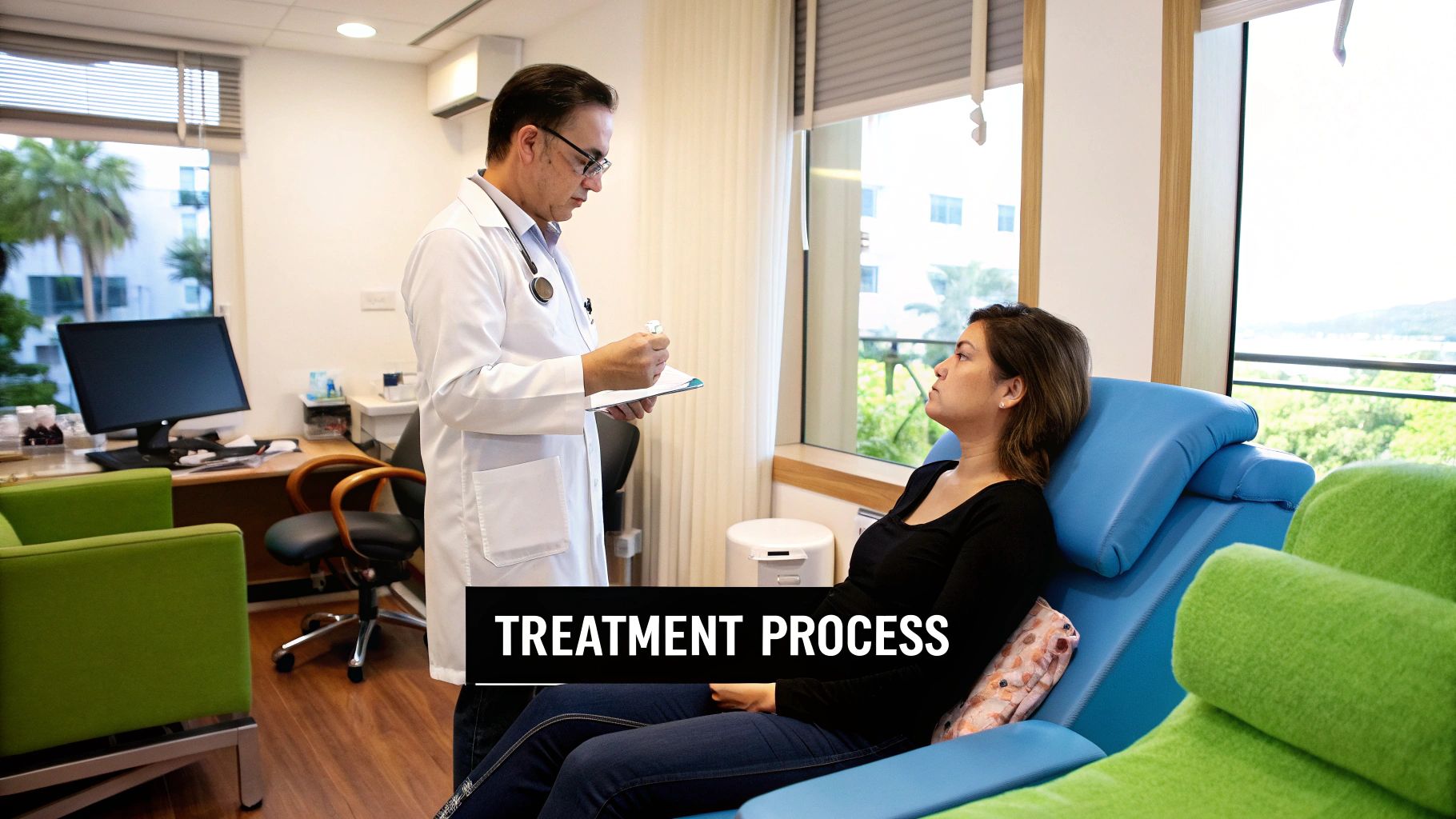
Considering PRP hair loss treatment? Understanding the process can ease any concerns. This section provides a step-by-step guide to what you can expect.
From Blood Draw To Injection: Understanding The Procedure
The PRP process starts with a standard blood draw, much like a routine blood test. This usually takes only a few minutes. Your blood is then placed in a centrifuge. This device spins the blood at high speed, separating the platelet-rich plasma (PRP) from other blood components. This concentrates the platelets and growth factors that stimulate hair follicles.
After centrifugation, the PRP is carefully extracted. Your practitioner then injects the PRP into targeted scalp areas experiencing thinning or hair loss. The injection technique is crucial for optimal coverage and results. This also typically takes just a few minutes. The whole process, from blood draw to injection, usually takes less than an hour.
Addressing Your Concerns: Discomfort, Time, And Recovery
Is it painful? Most patients report minimal discomfort, describing a slight prickling sensation, sometimes comparing it to microneedling. Topical anesthetic can minimize discomfort.
How long does it take? Typically, including preparation, the entire procedure is under an hour. This allows you to easily schedule a PRP session during your day.
Recovery is another advantage of PRP treatment, as there's minimal downtime. Most patients can resume normal activities immediately.
To help clarify the process further, let's look at the steps in more detail:
PRP Hair Treatment Process: Your Step-by-Step Guide
A transparent breakdown of what really happens during each phase of PRP hair restoration
| Treatment Step | Duration | Patient Experience | What's Happening |
|---|---|---|---|
| Blood Draw | A few minutes | Similar to a routine blood test | A small sample of blood is drawn from the patient. |
| Centrifugation | 10-15 minutes | Typically no sensation as blood is processed in a separate machine | Blood is spun at high speed in a centrifuge to separate PRP from other components. |
| PRP Extraction | A few minutes | No sensation | The concentrated PRP is carefully extracted from the centrifuge. |
| Injection | A few minutes | Mild prickling sensation, similar to microneedling. Can be minimized with topical anesthetic | PRP is injected into specific areas of the scalp experiencing hair loss. |
As you can see, each step is relatively quick and straightforward, contributing to the overall efficiency of the PRP treatment.
Injection Technique: Why Precision Matters
The injection method used significantly impacts the results. A skilled practitioner employs precise techniques to ensure even PRP distribution and optimal coverage. This maximizes the interaction between growth factors and hair follicles. Provider experience and expertise truly matter.
What Makes A High-Quality PRP Provider?
Choosing a qualified provider is essential. Look for practitioners with specific training and certification in PRP therapy. A high-quality provider uses advanced centrifugation techniques and sterile equipment. They should clearly explain the procedure, address your concerns, and personalize a treatment plan. Thorough research and consultation are key to selecting the right provider for your PRP journey.
Real Results: What Science Says About PRP Success Rates

Beyond compelling before-and-after photos, what does scientific evidence reveal about PRP hair loss treatment effectiveness? This section dives into clinical data, separating proven results from marketing hype to provide realistic expectations. We'll analyze success rates based on different hair loss patterns, age, and gender, comparing findings from multiple studies.
Understanding PRP Success Rates
Success in PRP hair loss treatment is typically measured by several factors. These include decreased hair shedding, increased hair density and thickness, and overall patient satisfaction. This multifaceted approach provides a comprehensive view of PRP’s impact.
Some studies report high success rates for PRP hair treatment. For example, 93% of male patients with pattern baldness reported their hair loss stopped just two months after starting PRP therapy. This rapid response suggests PRP may be especially effective in early stages.
Furthermore, studies tracking patients over several months consistently report improvements in hair density and thickness, often with high patient satisfaction. These findings highlight PRP's potential benefits, particularly for those with androgenetic alopecia. Learn more here.
Typical Timeline for Results
PRP hair loss treatment doesn’t offer instant results. It’s a process that unfolds gradually. Most patients initially notice decreased shedding around 4-6 weeks after their first treatment. Visible improvements in hair thickness typically emerge around 3-4 months.
This gradual progression occurs because PRP stimulates the hair follicle’s natural growth cycle. This cycle takes time to reactivate and produce visible changes. Therefore, patience and consistent treatment are essential for optimal results.
Factors Influencing Success
Several factors can significantly influence PRP treatment success. Treatment frequency is vital. Most protocols recommend initial treatments every 4-6 weeks, followed by maintenance sessions every 6-12 months. This regular schedule reinforces follicle stimulation.
Your baseline condition also affects outcomes. Patients with early-stage hair loss generally respond better to PRP than those with advanced hair loss. This underscores the importance of early treatment.
Finally, PRP preparation quality is crucial. Advanced centrifugation techniques and proper PRP handling ensure a higher concentration of growth factors, maximizing treatment potential.
To help you understand the varying success rates based on hair loss type, we've compiled the following table:
PRP Success Rates: Breaking Down the Evidence
Comprehensive comparison of effectiveness across different hair loss conditions based on clinical research
| Hair Loss Type | Success Rate | Timeline for Results | Maintenance Required |
|---|---|---|---|
| Androgenetic Alopecia | Up to 93% (initial shedding reduction) | 4-6 weeks (shedding reduction), 3-4 months (thickness improvement) | Every 6-12 months |
| Telogen Effluvium | Varies depending on underlying cause | 4-6 weeks (shedding reduction), 3-4 months (regrowth) | May be less frequent than Androgenetic Alopecia |
| Alopecia Areata | Limited research, results vary widely | Unpredictable | Varies widely depending on individual response |
This table provides a general overview and individual results may differ. Consulting with a medical professional is essential for personalized expectations.
Long-Term Results and Maintenance
While PRP can significantly improve hair growth, it’s not a permanent cure for hair loss. Maintenance sessions are generally recommended every 6-12 months to sustain results. Think of it like maintaining a healthy lifestyle – consistent effort yields the best long-term outcomes.
PRP vs. Placebo: What the Studies Show
Longitudinal studies offer valuable insights into PRP’s effectiveness compared to placebo treatments. These studies often reveal statistically significant differences in hair growth between the PRP and placebo groups. While individual results vary, a substantial percentage of patients receiving PRP achieve meaningful, sustainable improvements. These findings solidify PRP's standing as a viable treatment option.
Women and PRP Hair Loss Treatment: Different Needs, Different Approaches
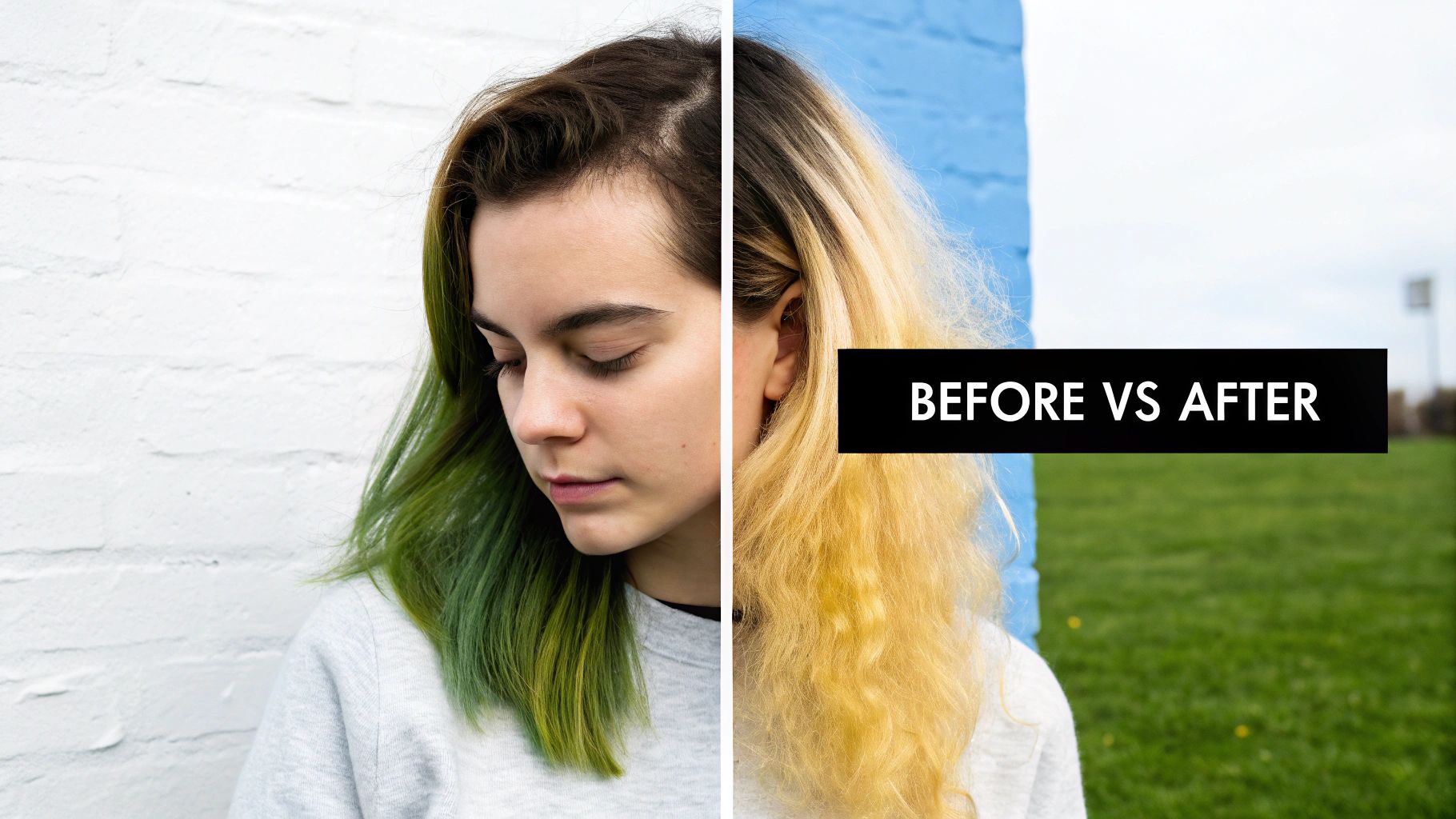
While PRP hair loss treatment is effective for both men and women, female hair loss often presents unique challenges. These require specialized approaches due to hormonal factors, pregnancy-related changes, and differing patterns of thinning. This section explores how PRP therapy addresses these specific needs.
Hormonal Influences and Hair Loss
Women's hair loss, unlike male pattern baldness, is often significantly impacted by hormonal fluctuations. These changes occur during menstruation, pregnancy, and menopause. Pregnancy, for instance, often causes temporarily thicker hair due to increased estrogen. After childbirth, however, estrogen levels decrease. This can lead to significant hair shedding, known as postpartum telogen effluvium. PRP can help revitalize hair follicles affected by these hormonal shifts.
PRP: A Natural Approach
Many women see PRP as an appealing alternative to other hair loss treatments. Pharmaceutical options often come with hormonal side effects. PRP, using the body's own resources, minimizes these risks, offering a more natural solution. This is especially important for women concerned about potential hormonal disruptions.
Further strengthening PRP’s position as a safe and viable option for women, a 2020 study by Dubin et al. demonstrated significant improvements. The study showed statistically significant increases in hair density and shaft caliber in women receiving PRP compared to a placebo group. Learn more about the effectiveness of PRP for women here.
Customized Treatment Protocols
PRP treatment protocols are frequently customized for women. Injection depth, as an example, can be adjusted based on differences in scalp thickness and hair follicle distribution. Combination therapies are also common, maximizing results by combining PRP with other treatments. These can include microneedling or low-level laser therapy.
Integrating with Hair Care Routines
An important factor for women is how PRP fits into their existing hair care routines. This encompasses styling, coloring, and other treatments. PRP offers minimal disruption, allowing most women to return to their regular hair care practices shortly after treatment.
Real Women, Real Results
Hearing from other women who have undergone PRP treatment can be incredibly valuable. Many women report positive results, noting improvements in hair thickness, less shedding, and a boost in confidence. While the timeline for visible changes varies, many see positive changes within a few months of beginning treatment.
Maintaining Discretion
Some women prefer to keep their hair restoration journey private. PRP offers a degree of discretion. As a minimally invasive treatment, it doesn’t require any noticeable bandages or dressings. This allows women to pursue treatment discreetly.
PRP vs. Other Hair Loss Treatments: Honest Comparisons
With an increasing number of hair restoration treatments available, understanding how PRP stacks up against other options is essential. This section compares PRP with popular alternatives like minoxidil, finasteride, laser therapy, and hair transplants, considering not only effectiveness but also factors important to patients.
PRP vs. Minoxidil (Rogaine)
Minoxidil, often sold as Rogaine, is a topical solution applied to the scalp. It works by dilating blood vessels and extending the hair's growth phase. While potentially effective, minoxidil requires daily application for lasting results. PRP, administered through injections, doesn't demand this daily regimen, although several initial sessions are usually necessary. Some individuals report scalp irritation with minoxidil.
PRP vs. Finasteride (Propecia)
Finasteride, marketed as Propecia, is an oral medication blocking dihydrotestosterone (DHT), a hormone linked to male pattern baldness. While effective for many, finasteride carries potential side effects, including reduced libido and sexual dysfunction. PRP, as a non-pharmaceutical treatment, avoids these hormonal side effects. Finasteride can be more affordable long-term, while PRP typically involves a higher upfront cost with later maintenance treatments.
PRP vs. Laser Therapy
Low-level laser therapy (LLLT) uses light energy to stimulate hair follicles. LLLT is often offered in clinics or via at-home devices like laser combs or caps. It typically requires consistent use for several months to see results. PRP, although also requiring multiple sessions, may offer faster initial improvements. Combining PRP and LLT is increasingly common, potentially offering synergistic benefits.
PRP vs. Hair Transplants
Hair transplantation surgically moves hair follicles from a donor area to the recipient area experiencing hair loss. Transplants offer a more permanent solution but are significantly more invasive than PRP. They involve longer recovery times and potential scarring. PRP is often used before and after transplants to enhance results and aid healing. Transplantation is significantly more expensive than PRP.
PRP vs. Emerging Treatments
New hair loss treatments regularly appear. KeraFactor, for example, involves a proprietary formula of growth factors and proteins applied to the scalp. While promising, more research is needed to assess its long-term efficacy against established treatments like PRP. This remains true for many emerging treatments. PRP's established track record and growing clinical data provide a degree of assurance for patients seeking proven methods.
Combination Approaches: Maximizing Results
Many practitioners advocate combined approaches for hair loss. Pairing PRP with minoxidil or LLT, for instance, may enhance outcomes. This strategy recognizes that different treatments target different aspects of hair loss, contributing to a more comprehensive approach.
| Treatment | Advantages | Disadvantages | Ideal For |
|---|---|---|---|
| PRP | Natural, Minimal side effects, Relatively quick procedure | Multiple sessions needed, Higher upfront cost | Early to moderate hair loss, Complementing other treatments |
| Minoxidil | Over-the-counter availability, Can be effective for some | Requires daily application, Potential scalp irritation | Maintaining existing hair, Early stages of hair loss |
| Finasteride | Effective for many men, Less expensive long-term | Potential side effects (sexual dysfunction), Requires daily intake | Male pattern baldness, Not suitable for women |
| Laser Therapy | Non-invasive, Can be used at home | Requires consistent use, Results may take time | Stimulating hair growth, Complementing other treatments |
| Hair Transplant | Permanent solution | Invasive surgery, Long recovery period, Expensive | Significant hair loss, Restoring hairline |
This table offers a concise comparison. Individual results vary; consulting a qualified dermatologist is essential to determine the best treatment or combination for your specific needs.
Case Studies and Real-World Experiences
Real-world patient experiences offer valuable insights into treatment effectiveness. Some individuals respond well to PRP alone, while others benefit more from combinations. One patient might experience significant regrowth with PRP alone, whereas another might find greater success combining PRP with minoxidil. These diverse outcomes highlight the importance of personalized treatment plans.
Making the Right Choice for You
Choosing the right treatment depends on factors including your hair loss type and severity, budget, risk tolerance, and long-term goals. A thorough consultation with a qualified hair restoration specialist is crucial for informed decision-making. They can assess your individual needs and recommend a customized plan, maximizing your chances of achieving your hair restoration goals.
Safety Profile: Understanding PRP Risks and Side Effects
While PRP hair loss treatment generally has a strong safety record because it uses your own blood, understanding the complete safety profile is crucial for making informed decisions. This section will examine potential side effects, from common, temporary issues to more unusual situations.
Common Side Effects: What to Expect
PRP injections involve minor breaches of the skin, so some temporary reactions are normal. These commonly include mild scalp sensitivity, pinpoint bleeding at the injection sites, and minor swelling or inflammation. These effects typically subside within a few days and are similar to sensations experienced with procedures like microneedling. These experiences are generally temporary and shouldn't cause significant concern.
Rarer Complications: What to Watch For
While uncommon, more significant complications can occur. These might include infection, nerve damage, or calcification at the injection sites. Choosing a qualified provider significantly reduces these risks. Experienced practitioners maintain strict sterilization protocols and understand proper injection techniques, minimizing the chances of complications.
Who Should Avoid PRP Therapy?
Certain individuals should avoid PRP treatment. Those with bleeding disorders, clotting problems, active scalp infections, or certain chronic diseases should consult their doctor before considering PRP. Additionally, when exploring treatment options, it's helpful to be aware of alternatives like CBD oil treatment. This broadens your understanding of available approaches. Open communication with your medical provider is essential to assess your suitability for PRP therapy.
Ensuring Safety: Questions to Ask Your Provider
Before undergoing PRP, discussing safety protocols with your provider is vital. Key questions include:
- What sterilization methods do you use?
- What is your experience with PRP injections?
- How do you manage potential complications?
- What are the specific risks based on my medical history?
These questions promote transparency and help build confidence in your chosen provider.
Post-Treatment Care: Recognizing Warning Signs
Understanding the difference between normal post-treatment sensations and potential problem signs is important. While mild discomfort and slight swelling are typical, severe pain, prolonged swelling, pus, or a fever require immediate medical attention. Knowing what to watch for empowers you to address any issues promptly. Open communication with your provider after treatment is crucial for addressing concerns and ensuring proper healing. Being informed allows you to weigh the potential benefits of PRP hair loss treatment against its risks, enabling you to make a confident decision based on your individual health and risk tolerance.
Your Complete PRP Hair Treatment Timeline
Considering PRP hair loss treatment? This guide walks you through the entire process, from finding the right provider to maintaining your results.
Finding a Qualified Provider
Your PRP journey begins with selecting a qualified provider. Credentials matter tremendously. Look for practitioners with specific training and certifications in PRP therapy for hair loss. Ask about their experience, the specific PRP system they use, and their sterilization protocols.
A quality provider will also personalize a treatment plan based on your individual needs and hair loss pattern. During your consultation, ask specific questions about their experience with PRP for hair loss, the type of centrifuge they use (as this impacts platelet concentration), and if they offer any additional therapies that may enhance results.
Budget planning is also crucial. Discuss the cost per session and the anticipated number of sessions needed to achieve optimal results.
Preparing For Your PRP Treatment
Once you've chosen a provider, preparing for your first treatment is the next step. Preparation often involves avoiding certain medications, like blood thinners, for a specified period before the procedure.
Your provider may also recommend specific hair care practices leading up to the treatment, such as avoiding harsh chemicals or styling products. These preparations help maximize treatment effectiveness.
What to Expect During and After a Session
A standard PRP hair loss treatment session typically begins with a blood draw. This process is similar to a routine blood test. The drawn blood is then placed in a centrifuge to isolate the platelet-rich plasma (PRP).
After centrifugation, the PRP is injected into specific areas of the scalp. Most patients experience minimal discomfort, sometimes described as a mild prickling sensation. The entire process usually takes less than an hour.
Immediately following the procedure, your provider will advise on aftercare, which may include avoiding excessive heat or strenuous activity for a short period.
The PRP Timeline: Short-Term and Long-Term
Following your initial PRP treatments, which are often spaced 4-6 weeks apart, you might initially notice reduced shedding within the first 4-6 weeks. More visible thickness improvements typically appear after 3-4 months.
The complete timeline varies among individuals and depends on factors like your baseline condition and treatment consistency. PRP hair loss treatment isn’t a quick fix; it requires patience and ongoing maintenance.
Long-term results typically involve maintenance sessions every 6-12 months to sustain the achieved improvements. These maintenance treatments help maintain the activity of the hair follicles and sustain the results achieved in the initial treatment phase.
Complementary Habits and Lifestyle Factors
Beyond PRP treatments themselves, certain habits can enhance and prolong your results. A balanced diet rich in nutrients essential for hair health, like protein and iron, can support healthy hair growth.
Managing stress through techniques like meditation or yoga may also positively influence outcomes. Your provider can offer tailored advice on specific lifestyle factors, nutritional considerations, and hair care products that may support your PRP hair loss treatment.
Learn more about how PRP can help restore your hair and confidence at PRP For HairLoss.
 PRP For Hairloss
Leave a comment