Witness the PRP Transformation: Real Results, Real People
Losing your hair? PRP hair before after results offer a glimpse of hope. This listicle showcases seven variations of platelet-rich plasma (PRP) therapy, a cutting-edge treatment for male pattern baldness. See real-world PRP hair before after photos demonstrating how these treatments can revitalize thinning hair, promoting thicker, healthier growth. Discover the differences between standard PRP, PRP with microneedling, exosome therapy, A-PRP, ACell/MatriStem, i-PRF, and PRP with adipose-derived stem cells. Explore the possibilities and find the best PRP treatment for you.
1. Standard PRP (Platelet-Rich Plasma) Hair Treatment
Standard PRP (Platelet-Rich Plasma) hair treatment is a non-surgical, three-step medical procedure aimed at combating hair loss and promoting hair growth. The process begins with drawing a small sample of the patient's blood, much like a routine blood test. This sample is then placed in a centrifuge, a machine that spins rapidly to separate the blood components. This isolates the platelet-rich plasma (PRP), which contains a high concentration of growth factors crucial for tissue repair and regeneration. Finally, this concentrated PRP is injected directly into the scalp, specifically targeting areas experiencing hair thinning or loss. The growth factors within the PRP stimulate dormant hair follicles, encouraging them to enter the growth phase, resulting in thicker, healthier hair. This treatment works by extending the anagen (growing) phase of the hair cycle, decreasing telogen effluvium (hair shedding), and improving blood supply to the hair follicles, which are essential for delivering nutrients vital for hair growth. For men experiencing hair loss, particularly those concerned with prp hair before after results, this offers a promising solution.
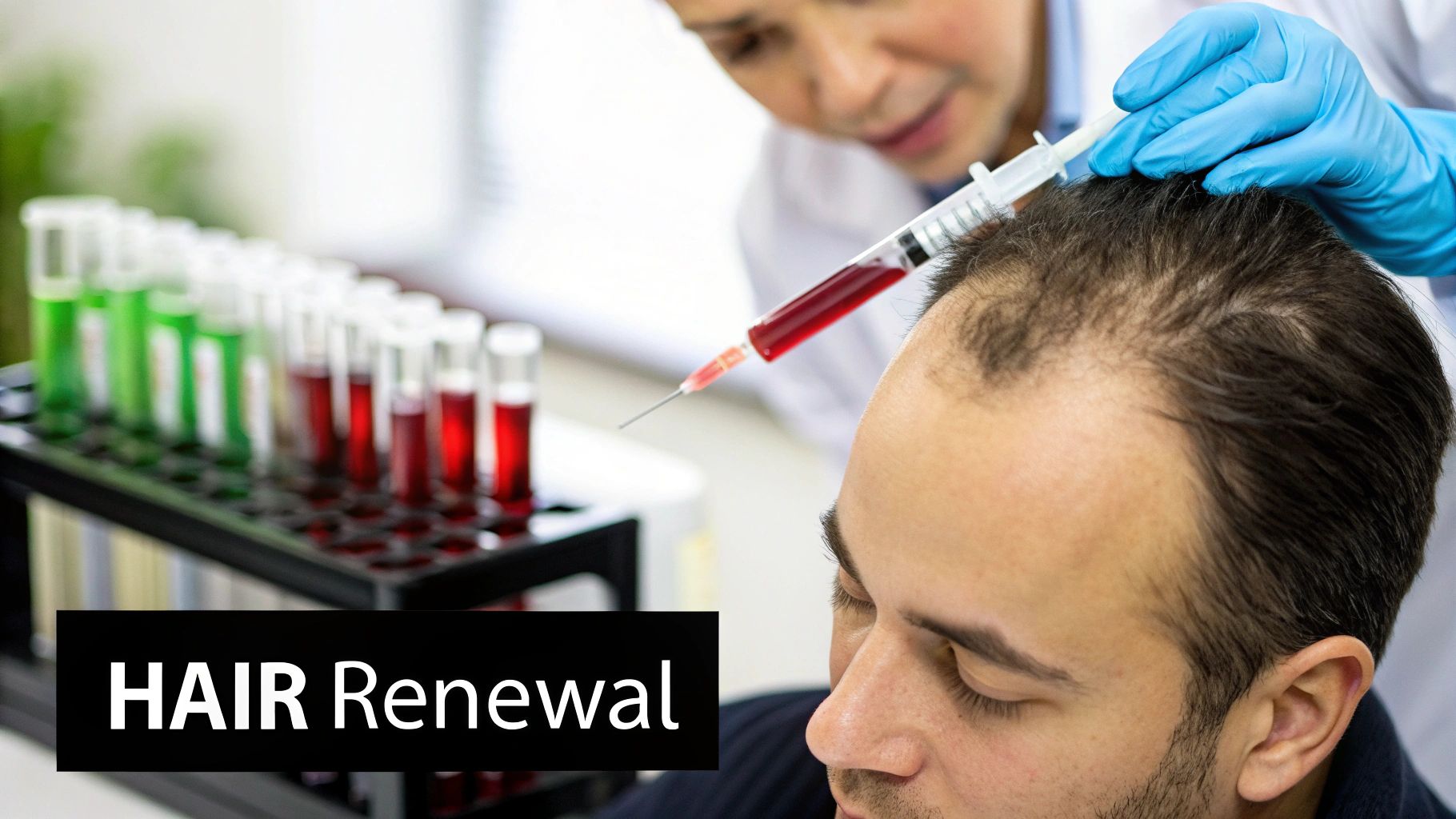
This treatment deserves its place on this list due to its effectiveness and natural approach to hair restoration. It leverages the body's own healing mechanisms, minimizing the risk of adverse reactions. The procedure itself is relatively quick, lasting only 30-45 minutes, and requires minimal downtime, allowing you to return to your regular activities shortly after. Typically, 3-4 initial treatment sessions are recommended, followed by maintenance treatments every 4-6 months to sustain results.
Features:
- 3-4 initial treatment sessions
- Maintenance treatments every 4-6 months
- Non-surgical procedure
- Uses patient's own blood
- 30-45 minute procedure
Pros:
- Minimal downtime
- Natural approach using body's own healing mechanisms
- Few side effects
- Compatible with other hair loss treatments (like minoxidil or finasteride)
- Effective for both men and women
Cons:
- Multiple sessions required for optimal results
- Results vary between individuals
- Can be costly (typically $500-$2000 per session)
- Not covered by most insurance plans
- Results are not permanent
Examples of Success:
Numerous clinical studies demonstrate the efficacy of PRP for hair loss, showing a 30-40% increase in hair count after 3-6 months. It's particularly effective for androgenetic alopecia (male/female pattern baldness), the most common type of hair loss in men. Studies have also indicated that approximately 60% of patients experience a significant decrease in hair shedding after undergoing PRP treatments. These prp hair before after results are encouraging for men seeking a solution.
Tips for Optimal Results:
- Early Intervention: For best results, begin PRP treatment early in the hair loss process.
- Medication Management: Avoid blood thinners before treatment, as they can affect the PRP preparation process.
- Post-Treatment Care: Avoid washing your hair for 24 hours after treatment to allow the PRP to fully absorb into the scalp.
- Combination Therapy: Combine PRP with minoxidil or finasteride for enhanced results. Your doctor can advise on the best approach for your specific situation.
- Provider Selection: Choose experienced providers with medical backgrounds to ensure proper procedure and minimize risks.
Popularized By:
PRP therapy for hair loss gained traction through the work of Dr. Charles Runels, a pioneer in various PRP procedures. Its adoption by celebrities like Kim Kardashian and Tiger Woods, coupled with its availability at renowned institutions like the Cleveland Clinic and Mayo Clinic, further solidified its place in the hair restoration field.
This treatment offers a promising solution for men dealing with hair loss, particularly those interested in seeing tangible "prp hair before after" improvements. While it requires multiple sessions and isn't a permanent fix, its natural approach and proven efficacy make it a valuable option to consider.
2. PRP with Microneedling (Collagen Induction Therapy)
For men seeking significant improvements in hair regrowth, PRP with microneedling, also known as Collagen Induction Therapy, offers a powerful upgrade to standard PRP treatments. This combination therapy delivers impressive prp hair before after results by synergistically combining two regenerative techniques. If you're looking for a potentially faster and more effective approach to combatting hair loss, this method deserves serious consideration.
How it Works:
This two-step process begins with microneedling. A specialized device containing tiny needles creates micro-channels in the scalp. These controlled micro-injuries stimulate the body's natural healing response, triggering collagen and elastin production – crucial building blocks for healthy skin and hair. Immediately following microneedling, PRP is applied. The micro-channels created by the needling process allow the PRP solution, rich in growth factors, to penetrate deeper into the scalp, maximizing its efficacy. This dual-action approach amplifies follicle stimulation, leading to enhanced hair growth and improved overall scalp health.
Why Choose PRP with Microneedling?
This approach is particularly beneficial for men experiencing significant hair loss or those who haven't seen desired results with PRP alone. The enhanced absorption and collagen stimulation make it a potentially faster and more effective treatment. It addresses both the hair loss itself and the underlying scalp health, contributing to a more comprehensive solution.
Features and Benefits:
- Combines two regenerative techniques: Leveraging the power of both microneedling and PRP for optimal results.
- Deeper delivery of growth factors: Microneedling creates channels for deeper PRP penetration.
- Enhanced collagen production: Stimulates collagen production for a healthier scalp.
- Improved blood circulation to follicles: Increased blood flow delivers more nutrients to hair follicles.
- Treatment sessions last 45-60 minutes: Relatively short treatment sessions fit easily into busy schedules.
Pros and Cons:
Pros:
- Often more effective than PRP alone.
- May require fewer sessions than standard PRP.
- Addresses both hair loss and scalp health.
- Can improve treatment absorption by up to 80%.
- Typically shows faster prp hair before after results.
Cons:
- More uncomfortable than standard PRP.
- Longer recovery time (24-48 hours of redness/sensitivity).
- Higher risk of infection if not properly performed.
- Higher cost than standard PRP alone.
- Not suitable for people with certain skin conditions.
Examples of Success:
A 2018 study published in the International Journal of Trichology showcased a 68% improvement in hair growth with PRP combined with microneedling, compared to 50% with PRP alone. Before/after imagery consistently demonstrates significant density improvements after just 3 treatments. There have also been documented cases of successful regrowth in individuals with resistant alopecia patterns, providing hope for those who haven't responded to other treatments.
Actionable Tips:
- Apply numbing cream 30-45 minutes before the procedure to minimize discomfort.
- Avoid sun exposure for 3-5 days post-treatment.
- Don't use hair products with harsh chemicals for 48 hours.
- Stay hydrated before and after treatment.
- Space treatments 4-6 weeks apart for optimal prp hair before after results.
Popularized By:
This technique has gained traction thanks to the work of experts like Dr. Gary Linkov, a renowned hair restoration specialist, as well as its adoption by aesthetic medicine clinics worldwide and promotion by manufacturers of microneedling devices like SkinPen and Dermapen.
3. PRP with Exosome Therapy
For men seeking advanced hair restoration, PRP with Exosome Therapy represents a cutting-edge option that may deliver superior results compared to traditional PRP. This innovative treatment takes the foundation of PRP and enhances it with the power of exosomes. Exosomes are tiny vesicles secreted by cells, acting as messengers that carry growth factors, proteins, and genetic information crucial for cell-to-cell communication. In the context of hair restoration, exosomes amplify the regenerative effects of PRP by stimulating hair follicle activity and promoting tissue repair, creating a potent environment for enhanced hair growth. This combination therapy can potentially lead to more dramatic "PRP hair before after" results.
PRP with Exosome Therapy stands out due to its enhanced formulation. It contains over 200 growth factors and cytokines, significantly more than standard PRP. Using nanoparticle technology, these healing factors penetrate deeper into the scalp, maximizing their impact on hair follicles. The exosomes used are typically lab-cultivated from stem cells, ensuring a high concentration of bioactive molecules. This potent combination often translates to fewer required treatment sessions compared to traditional PRP, potentially saving you time and money in the long run.
This approach is particularly suitable for men who haven't seen satisfactory results with traditional PRP treatments or those experiencing more stubborn forms of hair loss, like alopecia areata. Case studies have shown impressive improvements in hair density, ranging from 50-70%, even in difficult-to-treat cases. Some patients who were non-responsive to traditional PRP have experienced significant regrowth with this enhanced therapy. Furthermore, the effects of PRP with Exosome Therapy tend to be longer-lasting, typically between 6-9 months, before requiring a maintenance treatment. This therapy can also address underlying inflammation, a contributing factor to hair loss in many men.
Pros:
- Potentially more effective than PRP alone, leading to more noticeable "PRP hair before after" transformations.
- May be effective in difficult-to-treat cases and various types of hair loss.
- Longer-lasting results (6-9 months).
- Can combat inflammation that contributes to hair thinning.
- Fewer treatment sessions may be required.
Cons:
- Significantly more expensive ($3000-$6000 per session).
- Relatively new, with limited long-term studies available.
- Not FDA-approved specifically for hair loss.
- Limited availability.
- Variable quality of exosome products on the market.
Tips for Maximizing Results:
- Thoroughly research clinics offering this treatment and verify the source and concentration of exosomes used. Ask for before/after photos from the specific clinic showcasing their results.
- This therapy is often best suited for men who haven't responded to other treatments.
- Maximize your investment by following a comprehensive hair care regimen recommended by your physician, including a healthy diet, stress management techniques, and potentially prescribed medications.
- Consider maintenance treatments every 9-12 months to sustain the achieved results.
While the cost of PRP with Exosome Therapy is higher, the potential for enhanced and longer-lasting results makes it a worthwhile consideration for men seeking a significant improvement in their "PRP hair before after" journey. Pioneered by experts like Dr. Alan Bauman and offered in prominent medical spas, particularly in Beverly Hills and New York, this advanced therapy signals the future of hair restoration. Companies like Direct Biologics and Kimera Labs are leading the way in exosome production, pushing the boundaries of regenerative medicine for hair loss.
4. A-PRP (Activated Platelet-Rich Plasma)
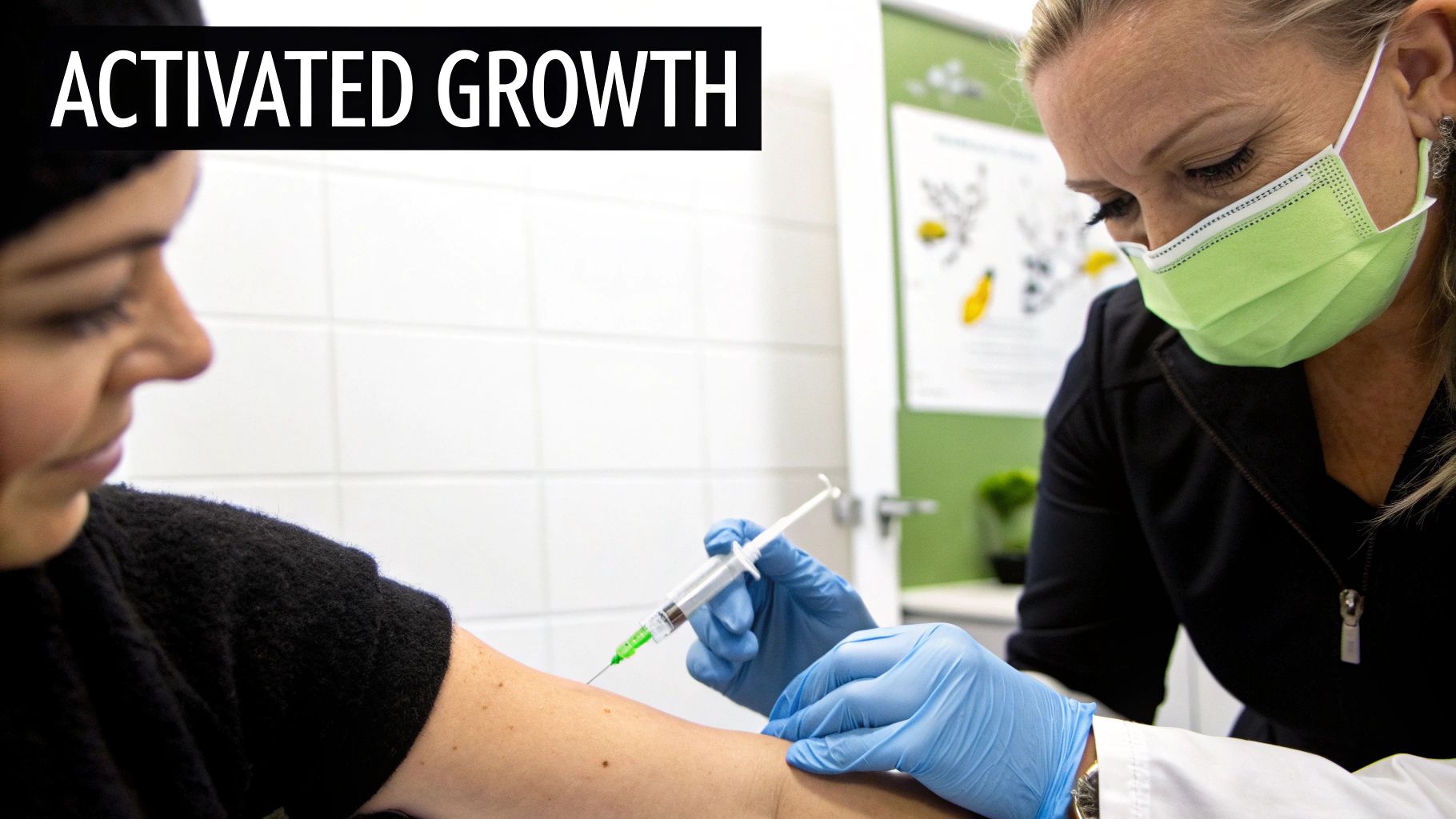
A-PRP (Activated Platelet-Rich Plasma) offers a compelling approach to hair restoration, especially for men experiencing hair loss. This method builds upon the foundation of standard PRP therapy, taking it a step further for potentially enhanced results. If you're looking at "PRP hair before after" photos and seeking a potentially faster and more effective solution, A-PRP deserves consideration. It involves extracting your own blood, just like standard PRP, but with a key difference: the platelets are deliberately activated before being injected into the scalp. This activation, typically achieved using calcium chloride or thrombin, triggers the immediate release of a concentrated burst of growth factors directly into the hair follicles.
How it Works: Instead of waiting for the platelets to naturally activate within the scalp tissue, A-PRP frontloads the delivery of these regenerative components. This surge of growth factors stimulates the hair follicles, potentially promoting faster hair growth and improved thickness. The higher concentration of platelets in A-PRP (5-9x baseline) further amplifies this effect. This more standardized preparation protocol also aims for greater consistency in results between patients.
Why Choose A-PRP for Hair Loss? A-PRP is often chosen when individuals are seeking faster, more noticeable results or are dealing with more advanced hair loss. The immediate release of growth factors can jumpstart the regenerative process, potentially leading to visible improvements sooner compared to standard PRP. The higher platelet concentration and standardized preparation make it a scientifically robust approach.
Examples of A-PRP Success:
- An Italian study observed a 23% increase in hair density after just two A-PRP treatments.
- Before and after photos from various clinics showcase significant improvement in crown thinning and receding hairlines following A-PRP therapy.
- Case studies have documented the effectiveness of A-PRP in treating female pattern hair loss, suggesting its broader applicability.
Pros:
- Faster Results: More immediate release of growth factors may translate into quicker visible improvements.
- Enhanced Efficacy: Potentially more effective for advanced or stubborn hair loss cases.
- Consistent Outcomes: Standardized protocols enhance the predictability of results.
Cons:
- Shorter Therapeutic Window: The rapid release of growth factors means their effect may be shorter-lived, requiring more frequent treatments compared to some newer PRP protocols.
- Higher Cost: More complex preparation and specialized expertise contribute to a higher price tag.
- Increased Inflammation Risk: The immediate activation can sometimes lead to a more pronounced inflammatory response.
Tips for Choosing A-PRP:
- Select Experienced Providers: Seek out board-certified dermatologists or plastic surgeons with a proven track record in performing A-PRP hair restoration. Look for providers using FDA-cleared centrifuge systems.
- Verify Activation Method: Ask your provider about the specific activation method they employ.
- Sun Protection: Minimize sun exposure before and after treatments.
- Post-Treatment Care: Diligently follow all post-treatment instructions provided by your provider.
- Combination Therapy: Consider combining A-PRP with low-level laser therapy (LLLT) for potentially synergistic benefits.
Pioneering Figures and Companies:
- Dr. Pietro Gentile, a leading researcher in regenerative hair treatments, has significantly contributed to the development and popularization of A-PRP.
- Medical device companies like RegenLab and Arthrex provide specialized equipment for A-PRP preparation.
While A-PRP may not be suitable for everyone, it represents a significant advancement in the field of PRP hair restoration, offering men a potentially more powerful tool in the fight against hair loss. If you're seeking a more proactive approach with the possibility of faster and more pronounced results, exploring A-PRP with a qualified provider is a worthwhile step. Remember to review "PRP hair before after" photos showcasing A-PRP results specifically to get a realistic understanding of the potential outcomes.
5. PRP with ACell/MatriStem
For men seeking more robust and longer-lasting hair restoration results than standard PRP, combining PRP with ACell/MatriStem may be a worthwhile investment. This advanced technique offers a significant upgrade to traditional PRP therapy, potentially leading to more dramatic and sustained improvements in hair density and coverage. Seeing compelling PRP hair before after results is often a key motivator for men considering this treatment, and the ACell/MatriStem combination aims to maximize those outcomes.
So, what exactly is PRP with ACell/MatriStem? This innovative approach combines platelet-rich plasma (PRP) with ACell's MatriStem, a unique extracellular matrix (ECM) product derived from porcine urinary bladder tissue. While this may sound unusual, the ECM acts as a scaffold, attracting stem cells to the treatment area and extending the life of the growth factors present in your PRP. Essentially, MatriStem supercharges the regenerative power of PRP. The ECM components, rich in natural collagen, growth factors, and proteins, facilitate tissue remodeling and create an optimal environment for hair follicle rejuvenation.
This scaffold-based approach translates to several key advantages. First, the sustained release of growth factors means a single treatment can last for 12-18 months, significantly longer than PRP alone. This translates to fewer required treatment sessions and potentially more dramatic improvements in hair density, even in cases of advanced hair loss. Furthermore, PRP with ACell/MatriStem can even be used during hair transplant procedures to bolster graft survival rates. Case studies have shown impressive results, with some patients experiencing up to a 75% improvement in hair density and significant crown coverage restoration, even in situations where standard PRP therapy proved ineffective. Before and after photos showcasing these transformations offer compelling evidence of the potential of this combination therapy.
However, this advanced technique comes with some considerations. The cost of PRP with ACell/MatriStem is higher than traditional PRP, typically ranging from $2,500 to $4,000 per session. Because MatriStem is an animal-derived product, it may not be suitable for all patients, particularly those with allergies to porcine products. The preparation procedure is also more complex and may carry a slightly elevated risk of allergic reaction. Finally, due to its specialized nature, PRP with ACell/MatriStem has more limited availability compared to standard PRP, often offered only in advanced hair restoration clinics in major metropolitan areas.
Tips for Men Considering PRP with ACell/MatriStem:
- Discuss Allergies: Openly communicate with your doctor about any potential allergies to porcine products.
- Plan for Longer Appointments: Treatment sessions typically last 60-90 minutes.
- Post-Care is Crucial: Strictly adhere to your doctor's post-care instructions for optimal results.
- Document Your Progress: Consider taking photographs before treatment to track your progress.
- Maintenance: You may only require annual maintenance treatments, a significant advantage over more frequent PRP sessions.
Pioneered by experts like Dr. Jeffrey Rapaport, an early adopter of PRP+ACell, and championed by ACell Inc. (the medical device company), PRP with ACell/MatriStem represents a significant advancement in hair restoration. This treatment’s potential for longer-lasting results, fewer treatment sessions, and more substantial hair regrowth earns it a well-deserved place on this list. If you're a man experiencing hair loss and seeking a potentially game-changing solution, exploring PRP with ACell/MatriStem may be a valuable step in your journey towards restoring a fuller head of hair. Observing PRP hair before after photos from successful cases can provide further insight into the potential benefits of this advanced therapy.
6. i-PRF (Injectable Platelet-Rich Fibrin)
i-PRF (Injectable Platelet-Rich Fibrin) represents a cutting-edge advancement in the field of PRP hair restoration. While traditional PRP therapy utilizes platelet-rich plasma, i-PRF takes it a step further by creating a platelet-rich fibrin matrix. This is achieved through a specific low-speed centrifugation process without anticoagulants, resulting in a solution richer in not only platelets, but also fibrin, white blood cells, and stem cells – key components for tissue regeneration and hair growth. This liquid is then injected into the scalp, where it forms a slow-releasing fibrin scaffold. This scaffold gradually releases growth factors over a prolonged period, providing sustained stimulation to the hair follicles and encouraging natural hair regrowth. This sustained release is a key difference between i-PRF and traditional PRP, potentially offering longer-lasting results. When considering "PRP hair before after" results, i-PRF often shows impressive improvements.
i-PRF deserves its place on this list because it offers a potentially more powerful and natural approach to hair restoration compared to standard PRP. Its unique formulation and delivery mechanism make it a compelling option for men experiencing hair loss, particularly those who haven't seen satisfactory results with other treatments. The higher concentration of stem cells and leukocytes, along with the absence of anticoagulants, sets it apart.
Features and Benefits:
- No anticoagulants or additives: A more natural preparation.
- Higher leukocyte content: Enhances the regenerative potential.
- Natural fibrin scaffold: Provides a framework for sustained growth factor release.
- Slower, sustained release of growth factors: Longer-lasting stimulation of hair follicles.
- Higher concentrations of stem cells: Contributes to more comprehensive tissue regeneration.
Pros:
- More natural preparation with fewer additives: Reduces the risk of adverse reactions.
- Longer-lasting effect due to slow release mechanism: May require fewer treatment sessions.
- Contains additional regenerative cells not found in standard PRP: Greater potential for hair regrowth.
- May be more effective for inflammatory types of hair loss: Specifically beneficial for conditions like alopecia areata.
Cons:
- Must be used immediately after preparation (short handling time): Logistical challenges for clinics.
- Less established research compared to standard PRP: Fewer long-term studies available.
- Requires specialized centrifuge equipment: Limits availability and may increase cost.
- More variable results between providers: Importance of selecting experienced practitioners.
- Limited availability: Not all clinics offer i-PRF.
Examples of Successful Implementation:
- Clinical cases demonstrate improved results in recalcitrant alopecia areata, a challenging condition to treat.
- Successful treatment of combination pattern hair loss and telogen effluvium has been observed.
- Before/after images showcase significant density improvement after just two treatments.
Tips for Men Considering i-PRF:
- Choose wisely: Select providers with specialized i-PRF centrifuge systems and experience in the procedure.
- Schedule appropriately: Treatment intervals are typically 6-8 weeks apart.
- Maintain scalp health: Follow a good scalp care routine between treatments.
- Avoid certain medications: Refrain from anti-inflammatory medications before and after treatment, as directed by your provider.
- Ensure quality: Consider requesting platelet concentration measurements to ensure the quality of the i-PRF preparation.
When and Why to Use i-PRF:
i-PRF is a particularly good option for men experiencing hair loss who are looking for a more natural and potentially longer-lasting solution than traditional PRP. It's also worth considering if you have inflammatory hair loss or haven't responded well to other treatments. While the research is still evolving, the potential benefits of i-PRF for stimulating hair growth are significant, making it a promising development in the ongoing search for effective hair loss solutions. When researching "prp hair before after" success stories, i-PRF is increasingly featured, showcasing its potential.
7. PRP Hair Restoration with Adipose-Derived Stem Cells
For those experiencing significant hair loss and seeking more potent regenerative solutions, PRP hair restoration with adipose-derived stem cells (ADSCs) offers a cutting-edge approach. This treatment elevates the benefits of standard PRP by incorporating the regenerative power of the patient's own stem cells. If you're looking at "PRP hair before after" results and wanting something more impactful, this might be the solution.
This advanced technique begins with a mini-liposuction procedure to harvest a small amount of fat tissue, typically from the abdomen or thighs. The fat is then processed to isolate the stromal vascular fraction (SVF), which is rich in ADSCs. These multipotent stem cells have the unique ability to differentiate into various cell types, including those that comprise hair follicles. The isolated ADSCs are then combined with PRP, creating a powerful regenerative cocktail that is injected into the scalp.
This combination addresses multiple mechanisms of hair loss. The PRP stimulates existing hair follicles, while the ADSCs enhance the regenerative environment, potentially transforming into new follicular cells, reducing inflammation, and even stimulating dormant hair follicles. This synergistic action makes it a particularly promising treatment for more challenging hair loss cases where PRP alone may not suffice. For those interested in exploring more advanced regenerative treatments for hair loss, cell-based therapy offers a deeper dive into the field of regenerative medicine.
Features:
- Combines fat harvesting with PRP preparation
- Contains stromal vascular fraction (SVF) with regenerative cells
- Uses patient's own stem cells
- Typically requires only 1-2 treatments annually
- Addresses multiple mechanisms of hair loss
Pros:
- Potentially more effective than PRP alone for advanced hair loss, offering more dramatic "PRP hair before after" results
- Longer-lasting results (12-18 months)
- Addresses both structure and function of hair follicles
- May restore melanocyte function (hair color)
- Effective for more types of alopecia, including alopecia areata and scarring alopecia
Cons:
- Significantly more expensive ($4000-$7000 per session)
- More invasive procedure requiring mini-liposuction
- Longer recovery time
- Requires specialized equipment and training
- Limited availability to specialized clinics
Examples of Success:
Clinical studies have shown an impressive 80% response rate in treatment-resistant cases. Before and after photos often reveal not just increased hair density, but also improved hair quality, including thickness and shine. There have also been documented cases of successful treatment in individuals with alopecia areata and scarring alopecia, conditions that are often difficult to treat.
Tips for Choosing and Undergoing Treatment:
- Choose a board-certified surgeon with extensive experience in regenerative medicine and hair restoration.
- Plan for a full-day procedure.
- Arrange transportation home after the procedure.
- Diligently follow all pre- and post-treatment protocols provided by your physician.
- Maintain realistic expectations. Results are typically visible after 3-6 months.
This treatment is particularly suitable for men experiencing advanced hair loss who are seeking a more powerful and potentially longer-lasting solution than traditional PRP. While the higher cost and more invasive nature may be deterrents for some, the potential for significantly improved "PRP hair before after" outcomes makes it a worthwhile consideration for those seeking substantial hair restoration. This approach has been popularized by experts such as Dr. Robert Niedbalski, as well as celebrity aesthetic clinics and companies like Kerastem, who are at the forefront of developing adipose-derived cell therapy for hair loss.
7-Point Comparison: PRP Hair Treatment Outcomes
| Treatment | Implementation Complexity (🔄) | Resource Requirements (💡) | Expected Outcomes (⭐) | Ideal Use Cases (📊) | Key Advantages (⚡) |
|---|---|---|---|---|---|
| Standard PRP (Platelet-Rich Plasma) Hair Treatment | Low – non-surgical, routine blood draw & injection | Basic PRP kit; moderate cost | Noticeable density improvements (30-40% increase) | Early-stage hair loss; androgenetic alopecia | Minimal downtime; natural approach; few side effects |
| PRP with Microneedling (Collagen Induction Therapy) | Moderate – added microneedling step | Requires microneedling device & extra products | Enhanced stimulation; faster visible results | Resistant cases; combined hair loss & scalp health issues | Increased collagen production; improved absorption; fewer sessions |
| PRP with Exosome Therapy | High – complex lab processing & exosome integration | High cost; lab-cultivated exosomes | More potent and longer-lasting effects (6-9 months) | Difficult-to-treat cases; non-responders to standard PRP | Superior penetration; extended regeneration; inflammation reduction |
| A-PRP (Activated Platelet-Rich Plasma) | Moderate to High – requires pre-activation process | Specialized activation agents | Faster, more consistent growth factor release | Advanced hair loss; when prompt results are desired | Immediate growth factor release; standardized protocol |
| PRP with ACell/MatriStem | High – combined use of ECM scaffold with PRP | Animal-derived ECM product; higher treatment cost | Sustained and dramatic hair density improvement | Advanced hair loss; adjunct during hair transplant procedures | Prolonged growth factor release; scaffold-based regeneration |
| i-PRF (Injectable Platelet-Rich Fibrin) | Moderate – requires specialized low-speed centrifuge | Needs immediate use; specialized centrifuge system | Natural, slow-release stimulation; enhanced regeneration | Inflammatory or recalcitrant hair loss; combo pattern cases | Fewer additives; sustained release; additional regenerative cells |
| PRP with Adipose-Derived Stem Cells | High – involves mini-liposuction & cell extraction | Expensive; specialized equipment for fat harvesting | High efficacy with multi-mechanism regeneration | Advanced/recalcitrant hair loss; diverse alopecia types | Regenerative cocktail addressing structure & function; long-lasting |
Ready to Explore PRP? Your Journey to Hair Restoration Starts Here
This article has explored the spectrum of PRP hair restoration treatments, from standard PRP to advanced options like PRP with ACell/MatriStem and i-PRF. We've examined how these therapies work, highlighting the potential benefits and showcasing compelling PRP hair before after results. Key takeaways include the importance of understanding the different PRP variations and recognizing that combining PRP with other therapies can potentially enhance results. Mastering these concepts is crucial for making an informed decision about which PRP treatment might be the best fit for your individual needs and hair loss situation. Reclaiming your hair can significantly impact your confidence and self-esteem, and PRP offers a promising path towards achieving those goals.
Taking the next step towards hair restoration is empowering. Consult with a qualified professional to discuss your specific hair loss concerns and determine the most suitable PRP treatment plan. For personalized guidance and further exploration of PRP hair before after successes, connect with the experts at PRP For HairLoss. PRP For HairLoss provides comprehensive resources and connects you with experienced providers who can tailor a PRP therapy plan to your unique needs, helping you achieve the results you desire.
 PRP For Hairloss
Leave a comment