Understanding PRP and Its Potential Side Effects
Considering PRP (platelet-rich plasma) therapy for hair loss? While generally safe, it's crucial to understand potential PRP hair treatment side effects. This listicle details seven common side effects, empowering you to make informed decisions about this treatment. Knowing the potential PRP hair treatment side effects helps manage expectations and allows for better communication with your provider. We'll cover everything from pain at the injection site and temporary hair shedding to the less common risks like infection.
1. Pain at Injection Site
Pain at the injection site is the most common side effect of PRP hair treatments, affecting the vast majority of patients. This is understandable considering the nature of the procedure. PRP therapy for hair loss involves drawing a sample of your blood (much like a routine blood test), processing it in a centrifuge to separate and concentrate the platelet-rich plasma (PRP), and then injecting this PRP solution into the scalp areas experiencing thinning or hair loss. It's these multiple needle injections across the scalp that are the primary source of the discomfort. While generally temporary and manageable, understanding what to expect and how to mitigate the pain is crucial for a positive PRP treatment experience. This side effect makes the list of important considerations because its prevalence requires men considering this treatment to understand its potential impact and management strategies.
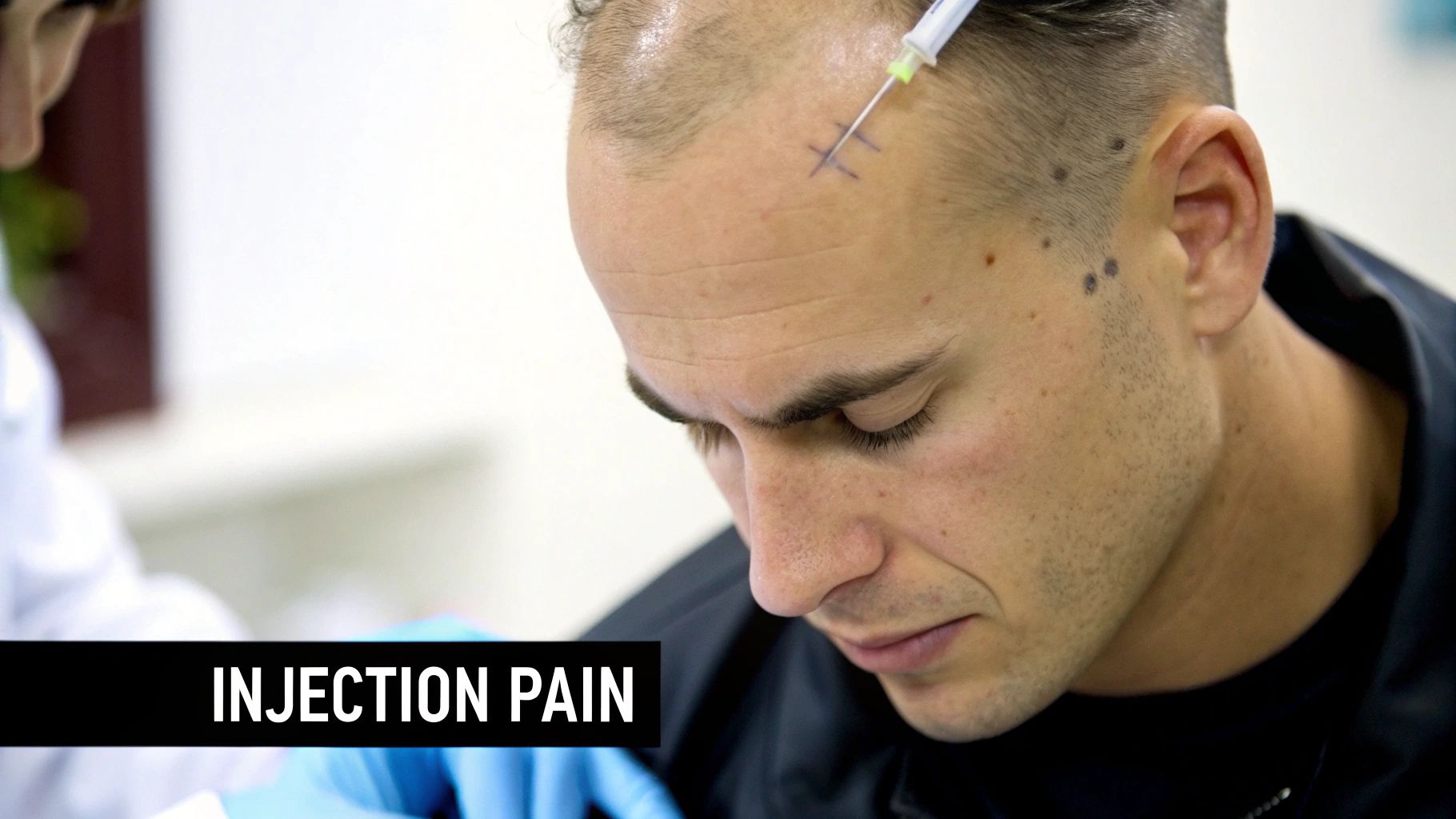
Features of Injection Site Pain:
- Mild to moderate pain: Most patients describe the sensation as a mild to moderate prickling or aching feeling during and after the injections.
- Typically lasts 24-72 hours: The discomfort usually subsides within a few days, with most of the soreness dissipating within the first 24-48 hours.
- Localized: The pain is confined to the specific areas of the scalp where the injections were administered.
Pros:
- Temporary and manageable: The pain is generally short-lived and doesn't require strong pain medication for most men.
- Indicator of proper injection depth: Mild discomfort can actually be a positive sign, indicating the PRP has been injected to the correct depth in the scalp to reach the hair follicles.
- Can be minimized: Topical anesthetic creams can be applied before the procedure to numb the scalp and reduce discomfort during the injections.
Cons:
- Variable pain tolerance: Patients with lower pain thresholds may experience more intense discomfort. Discussing your concerns about pain with your doctor is essential.
- Multiple sessions: Since PRP treatments typically involve a series of sessions, you will likely experience this discomfort with each treatment.
- Limitations post-treatment: You might need to limit strenuous physical activity and avoid touching or scratching your scalp for a short period after treatment.
Examples and Prevalence:
Most clinics report that 90-95% of patients experience some level of discomfort at the injection site, highlighting its common occurrence. Studies measuring pain scores during PRP injections indicate an average rating of 3-4 out of 10, reinforcing that the pain is generally mild to moderate.
Tips for Managing Injection Site Pain:
- Pre-treatment pain relief: Discuss taking over-the-counter pain relievers like acetaminophen (Tylenol) with your doctor before the procedure. Avoid NSAIDs like ibuprofen (Advil, Motrin) or naproxen (Aleve) as these can interfere with platelet function.
- Cold compress: Applying a cold compress to the treated area after the procedure can help reduce swelling and numb the area, providing significant relief.
- Hands off: Resist the urge to touch, rub, or scratch the treated areas of your scalp to prevent irritation and potential infection.
- Avoid strenuous activity: Limit strenuous exercise and activities that could cause excessive sweating for at least 24 hours post-treatment. This will help minimize discomfort and promote healing.
Expert Opinion:
This side effect is widely acknowledged in medical literature on PRP hair treatments. Experts like Dr. Jeffrey Rapaport of the Cosmetic Skin and Surgery Center have published research and guidance on effectively managing pain associated with PRP injections.
While pain at the injection site is a common prp hair treatment side effect for men experiencing hairloss, it's generally mild, temporary, and manageable with appropriate preparation and aftercare. Understanding this aspect of the procedure allows you to make an informed decision about whether PRP therapy is the right choice for you.
2. Scalp Sensitivity and Tenderness
One of the most common prp hair treatment side effects is scalp sensitivity and tenderness following the injections. This discomfort differs from the brief sting of the injection itself. Instead, it presents as a lingering soreness or tenderness to the touch, particularly when pressure is applied, such as when lying down or brushing your hair. This sensation isn't a cause for alarm; it's a natural consequence of the treatment process. The concentrated growth factors in PRP stimulate a flurry of cellular activity in the hair follicles, triggering a localized inflammatory response. This inflammatory response is what ultimately leads to hair growth, but also contributes to the temporary sensitivity.
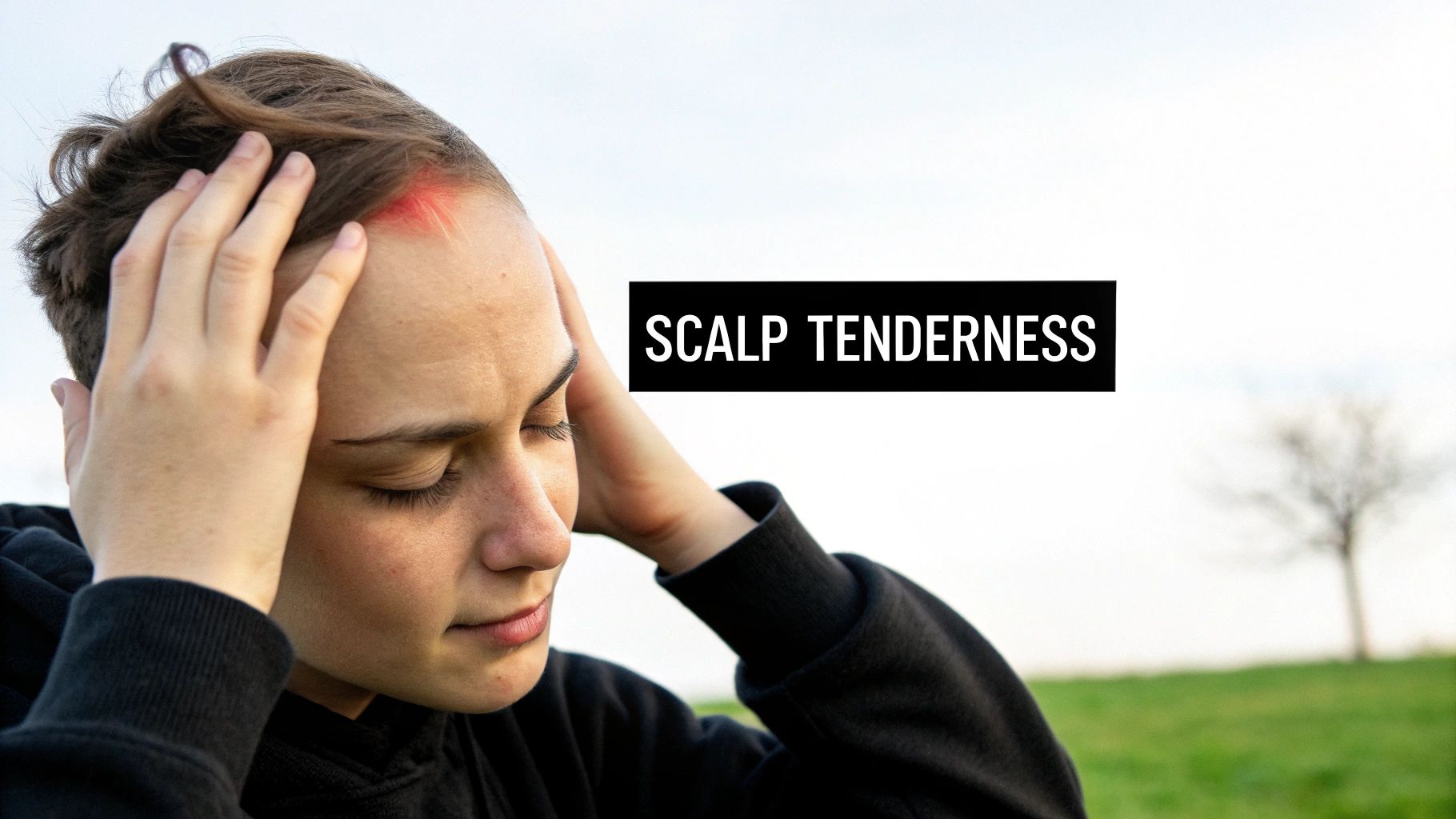
This side effect warrants its place on this list due to its high prevalence and potential to cause discomfort if not managed properly. It's characterized by diffuse tenderness across the treated areas of the scalp and heightened sensitivity to touch and pressure. This sensitivity typically lasts for 3-7 days post-treatment. Clinical studies indicate that approximately 70% of patients experience some level of scalp sensitivity after PRP injections. Reputable hair clinics will typically address this common side effect during the informed consent process.
Pros:
- Indicator of Treatment Efficacy: The tenderness generally signifies an active biological response to the treatment, suggesting that the growth factors are stimulating the hair follicles as intended.
- Self-Resolving: This side effect is typically self-resolving and doesn't require any specific medical intervention.
- Less Intense than Injection Pain: The discomfort is generally less intense than the initial prick of the injections.
Cons:
- Sleep Disruption: Scalp tenderness can interfere with sleep, particularly for those who sleep on their sides.
- Discomfort During Hair Washing: Washing your hair might be uncomfortable during this period.
- Potential for Misinterpretation: The sensitivity might be mistaken for more serious complications if patients aren't adequately informed.
Tips for Managing Scalp Sensitivity:
- Adjust Sleeping Position: Try sleeping on your back for the first few nights following the treatment to minimize pressure on the scalp.
- Optimize Pillow Choice: Using a soft pillow or a silk pillowcase can help reduce friction and alleviate discomfort.
- Gentle Hair Washing: Wash your hair gently with lukewarm (never hot) water and avoid harsh scrubbing.
- Avoid Tight Headwear: Refrain from wearing tight hats, headbands, or anything that puts pressure on the scalp until the sensitivity subsides.
Understanding this common prp hair treatment side effect can help men experiencing hair loss manage their expectations and minimize any potential discomfort during the recovery period. While experiencing some tenderness is normal, it's crucial to contact your clinic if the pain is severe, prolonged, or accompanied by other unusual symptoms. This ensures that any potential complications are addressed promptly and effectively.
3. Temporary Bleeding or Bruising
One of the common prp hair treatment side effects is temporary bleeding or bruising at the injection sites. Because PRP hair treatment involves injecting the platelet-rich plasma into the scalp using multiple needle injections, some bleeding and bruising are expected. The scalp is richly supplied with blood vessels, making it more susceptible to these minor side effects. This is a normal part of the process and should not cause alarm. While pinpoint bleeding typically stops shortly after the injections are complete, bruising may take a few days to a week to resolve completely as the body naturally reabsorbs the blood that has leaked beneath the skin.

This side effect deserves a place on the list of prp hair treatment side effects because, while temporary and generally harmless, it's a frequent occurrence that patients should be prepared for. Understanding this aspect of the treatment can alleviate anxiety, particularly for first-timers. The specific features include pinpoint bleeding at the injection sites and bruising that appears as a purple or blue discoloration. It is more common in patients with thinner skin or those taking blood-thinning medications.
Pros:
- Temporary and Harmless: The bleeding and bruising are almost always temporary and resolve on their own without long-term consequences.
- Localized: These effects are typically confined to the scalp area and are often easily concealed by existing hair, making them less noticeable.
- No Impact on Results: The bleeding and bruising do not negatively impact the effectiveness of the PRP treatment.
Cons:
- Visually Concerning: The sight of blood or bruising can be concerning, especially for those undergoing the procedure for the first time.
- Styling Challenges: While usually concealable, some men may need to adjust their hairstyle temporarily to cover the bruised areas.
- Prolonged Bruising: In individuals with bleeding disorders, the bruising might last longer than usual.
Examples and Data: Studies and clinical experience show that approximately 30-40% of patients experience some degree of bruising. Medical documentation confirms that the bleeding associated with PRP injections is typically minimal and self-limiting.
Tips for Minimizing Bleeding and Bruising:
- Consult Your Doctor About Medications: If medically permissible, avoid blood thinners such as aspirin, NSAIDs (like ibuprofen and naproxen), vitamin E, and fish oil for at least one week before your scheduled treatment. Always consult your doctor before stopping any prescribed medication.
- Apply Pressure: Immediately after the treatment, gentle pressure can be applied to any bleeding points to help stop the bleeding quickly.
- Arnica Gel/Cream: Applying arnica gel or cream to the affected areas can help expedite the resolution of bruising.
- Disclose Bleeding Disorders: It's crucial to inform your doctor about any bleeding disorders or medications you are taking before the procedure.
Addressing bleeding and bruising proactively helps manage patient expectations and ensures a smoother experience with PRP hair treatment. This understanding contributes significantly to a more informed and less anxious approach to this promising hair restoration procedure.
4. Headache
Headache is a relatively common side effect of PRP hair treatment. While not typically severe, it's important to be aware of this potential discomfort so you can manage it effectively and understand it's not a cause for alarm. This post-treatment headache usually appears within a few hours of the procedure and can linger for a few hours up to a couple of days. It's thought to be triggered by a combination of factors, including the needles stimulating scalp nerves, the inflammatory processes naturally initiated by the PRP as it promotes healing, and even the potential tension from holding your head still during the procedure. This side effect deserves a place on this list because, while generally mild and transient, it's frequently reported by patients undergoing PRP hair treatment. Understanding its cause and management can help alleviate any concerns and ensure a more comfortable experience.

These headaches are usually described as a dull, pressure-like pain. Interestingly, the pain often encompasses the entire head, rather than being localized solely at the injection sites. The good news is that this type of headache typically responds well to over-the-counter pain relievers.
Features of PRP-related headaches:
- Usually dull, pressure-like pain
- Often affects the entire head
- Typically responds well to over-the-counter pain relievers
Pros:
- Generally short-lived (24-48 hours)
- Doesn't indicate treatment failure or a complication
- Easily managed with standard pain relievers like acetaminophen (Tylenol)
Cons:
- Can be uncomfortable and temporarily disruptive to daily activities
- May be more pronounced in men who are prone to migraines
- Can sometimes be confused with more serious conditions, although this is rare
Examples and Studies:
Studies indicate that roughly 10-20% of patients experience headaches following PRP hair treatment. Importantly, patient satisfaction surveys reveal that these headaches rarely deter men from completing their full treatment course. This reinforces the idea that while a nuisance, post-PRP headaches are generally manageable and shouldn't discourage you from pursuing this hair restoration option.
Tips for Managing PRP-related Headaches:
- Hydration is Key: Drink plenty of water both before and after your PRP treatment. Dehydration can exacerbate headaches.
- Choose the Right Pain Reliever: Acetaminophen (Tylenol) is often recommended over NSAIDs (like ibuprofen) as NSAIDs can potentially interfere with the healing and inflammatory processes crucial for PRP’s effectiveness. Always check with your doctor before taking any medication.
- Cold Compress: Applying a cold compress to your forehead or the back of your neck can provide soothing relief.
- Rest and Relaxation: If your headache is significant, rest in a quiet, dimly lit room.
By understanding this common side effect and employing these simple management strategies, you can minimize any discomfort and focus on the potential benefits of PRP therapy for your hair loss concerns.
5. Temporary Shedding of Hair
One common prp hair treatment side effect, sometimes unexpectedly, is temporary hair shedding, often referred to as "shock loss." This phenomenon can be alarming for men seeking hair restoration, but understanding its nature can alleviate concerns. This temporary shedding typically occurs within 2-3 weeks following the PRP treatment. It represents an acceleration of the normal hair cycle, pushing hairs prematurely from their resting phase (telogen) into the shedding phase (exogen). While counterintuitive, this shedding is often a positive indicator that the PRP treatment is effectively stimulating the hair follicles and resetting the hair growth cycle.
How it Works:
PRP therapy introduces concentrated growth factors to the scalp, aiming to revitalize dormant hair follicles. This stimulation can trigger a sort of "reset" in the hair cycle. Miniaturized hairs, which are thinner and weaker, and even some healthy hairs in the treated area are pushed into the shedding phase faster than they normally would be. This makes way for new, healthier, and stronger hair growth.
Features of Temporary Shedding:
- Noticeable increase in hair fall: Men might observe more hair falling out during showering, brushing, or even just running their hands through their hair.
- Timing: This shedding usually begins 1-3 weeks after the PRP treatment and can last for several weeks.
- Affected Hairs: Both miniaturized and normal hairs within the treatment area can be affected.
Pros:
- Positive Predictive Sign: Temporary shedding is often seen as a good sign, suggesting the PRP treatment is working as intended and stimulating the hair follicles.
- Leads to Stronger Regrowth: The shed hairs are replaced by new, thicker, and healthier hairs.
- Temporary: The shedding phase is temporary and precedes a period of significant regrowth.
Cons:
- Psychologically Distressing: Seeing more hair fall out can be understandably upsetting, especially when seeking hair restoration. This makes clear communication between the patient and provider about this potential side effect crucial.
- Temporary Worsening of Appearance: The shedding can temporarily make hair appear thinner before improvement is noticeable.
- Unpredictability: It's difficult to predict which patients will experience significant shedding and to what extent.
Examples and Clinical Data:
Clinical data suggest that approximately 5-10% of patients undergoing PRP hair treatment experience noticeable shedding. Renowned hair restoration specialists, such as Dr. Alan Bauman, have documented this shedding-regrowth cycle extensively in their PRP patients, demonstrating that the initial shedding often precedes significant improvements in hair density and thickness.
Tips for Managing Temporary Shedding:
- Document Baseline Hair Status: Take clear photographs of your hair before treatment to objectively compare and monitor progress.
- Maintain Hair Care Routine: Continue any prescribed hair care routines, including shampoos, conditioners, or topical treatments, as recommended by your doctor.
- Be Gentle with Your Hair: Avoid aggressive brushing, heat styling, or chemical treatments during the shedding phase to minimize further stress on the hair follicles.
- Schedule a Follow-Up: Schedule a follow-up assessment with your hair restoration specialist approximately 3 months post-treatment to evaluate new growth and discuss any concerns.
Why This Side Effect Matters:
While temporary shedding can be concerning, it's important to remember that it’s a potential side effect of PRP hair treatment and, often, a positive sign of follicle stimulation. Understanding this process can help men manage expectations and avoid unnecessary anxiety during the initial weeks following treatment. Open communication with your hair restoration specialist is vital to address any concerns and ensure you're well-informed throughout the process.
6. Scalp Infection or Inflammation
While PRP hair treatment is generally considered safe, it's crucial to be aware of the potential, albeit rare, side effect of scalp infection or inflammation. This warrants its place on this list of PRP hair treatment side effects because, although uncommon, an infection can have significant consequences for your scalp health and the overall success of the treatment. Understanding this risk and knowing how to mitigate it is essential for any man considering PRP for hair loss.
PRP therapy involves injecting concentrated platelets derived from your own blood into your scalp. The growth factors within these platelets are believed to stimulate hair follicle activity and promote growth. However, any injection carries a risk of infection if not performed under strict sterile conditions.
How Infections Can Occur:
Scalp infections following PRP hair treatment typically arise from one of three causes:
- Contamination during the procedure: This can occur if non-sterile instruments are used or if proper aseptic techniques aren't followed during the injection process.
- Improper sterilization of equipment: Reusing needles or other equipment without proper sterilization significantly increases the risk of introducing bacteria into the scalp.
- Unusual inflammatory response: While not a true infection, some individuals may experience an exaggerated inflammatory reaction to the injected platelets, mimicking the symptoms of an infection.
Features of Scalp Infection or Inflammation:
Knowing the signs of a potential infection is crucial for early intervention:
- Persistent or worsening redness beyond 72 hours: Some redness is expected immediately after the procedure, but it should gradually subside. Persistent or increasing redness is a warning sign.
- Swelling that increases rather than decreases with time: Similar to redness, some initial swelling is normal, but it should decrease within a few days. Increasing swelling suggests a potential problem.
- Warmth, pus, or drainage from injection sites: These are clear signs of infection and require immediate medical attention.
- Fever or general malaise in severe cases: Systemic symptoms like fever indicate a more serious infection that may have spread beyond the scalp.
Pros and Cons of PRP Related to Infection Risk:
Pros:
- Very rare with proper technique (less than 1% of cases): When performed by qualified practitioners in a sterile environment, the risk of infection is extremely low. A 2018 review of over 2,000 PRP procedures reported infection rates of less than 0.5%.
- Usually responsive to prompt treatment: Most infections, when caught early, respond well to antibiotic therapy.
- Preventable with proper protocols: Adhering to strict sterilization protocols and post-care instructions significantly minimizes the risk of infection.
Cons:
- Can lead to scarring if severe or untreated: Severe or untreated infections can damage hair follicles and lead to permanent scarring, potentially worsening hair loss.
- May necessitate antibiotic treatment: Infections often require a course of antibiotics, which can have side effects.
- Potentially detrimental to hair follicle health if severe: Severe infections can damage hair follicles, hindering the effectiveness of the PRP treatment.
Examples of Infection Cases:
Case studies of infections following PRP hair treatment typically involve improper preparation or technique, reinforcing the importance of choosing a qualified and experienced provider.
Tips to Minimize Infection Risk:
- Ensure your provider uses sterile technique and disposable equipment: Don't hesitate to ask your provider about their sterilization procedures.
- Follow all post-care instructions carefully, especially regarding washing the scalp: Proper aftercare helps prevent bacterial growth and promotes healing.
- Report increasing pain, redness, warmth, or fever immediately to your provider: Early intervention is key to preventing serious complications.
- Complete any prescribed antibiotic course fully if infection occurs: Even if symptoms improve, completing the full course of antibiotics is crucial to eliminate the infection completely.
By understanding the potential risks of PRP hair treatment side effects such as infection, and by taking the necessary precautions, men experiencing hair loss can make informed decisions about this potentially beneficial procedure. Choosing a reputable provider who adheres to strict sterilization protocols is paramount for minimizing the risk of infection and maximizing the chances of a successful outcome.
7. Allergic Reactions: A Rare but Potential PRP Hair Treatment Side Effect
While PRP (Platelet-Rich Plasma) hair treatment utilizes your own blood, eliminating many risks, allergic reactions remain a slight possibility. This warrants its place on the list of potential PRP hair treatment side effects, even if it's an infrequent occurrence. Understanding this potential side effect is crucial for informed decision-making regarding hair loss solutions.
PRP therapy involves extracting a small sample of your blood, processing it to concentrate platelets, and then injecting this platelet-rich plasma into your scalp. The platelets contain growth factors believed to stimulate hair follicle activity and promote hair growth. Although the procedure primarily involves your own blood components, allergic or hypersensitivity reactions can still occur. These reactions aren't typically to the platelets themselves, but rather to additives used during the processing. These additives might include anticoagulants like sodium citrate or acid citrate dextrose, local anesthetics used to numb the injection site, or activation compounds.
Features of an Allergic Reaction:
- Excessive itching: While some itching is normal post-procedure, excessive itching beyond typical recovery can signal an allergic reaction.
- Hives or urticaria: These raised, itchy bumps can appear at or around the injection sites, and sometimes even further afield.
- Facial swelling or difficulty breathing: In extremely rare cases, a severe systemic reaction can occur, leading to facial swelling, difficulty breathing, or other serious symptoms. These instances are exceptionally uncommon.
- Onset: Allergic reactions typically manifest within minutes to hours after the PRP treatment.
Pros of PRP in relation to Allergic Reactions:
- Extremely rare: Due to the autologous nature of PRP (using your own blood), allergic reactions are exceedingly rare. Literature suggests they occur in less than 1 in 1000 procedures. Medical centers like the Cleveland Clinic also list this as a potential, but very rare, side effect.
- Usually mild and self-limiting: When allergic reactions do occur, they are typically mild and resolve on their own without lasting effects.
- Identifiable through proper pre-procedure screening: Careful pre-procedure screening, including a thorough review of your medical history and allergies, can help identify potential risks and minimize the chances of a reaction.
Cons of PRP in relation to Allergic Reactions:
- Unpredictable even with careful screening: While screening is helpful, it's not foolproof, and reactions can still occur unexpectedly.
- May prevent completion of the planned treatment series: An allergic reaction might necessitate discontinuation of further PRP treatments.
- Requires immediate medical attention if severe: Severe reactions require immediate medical intervention.
Tips to Minimize Risk:
- Disclose all allergies: Before undergoing PRP treatment, inform your doctor about all your allergies, especially to medications or medical materials.
- Discuss previous reactions: Share any history of adverse reactions to blood draws or other medical procedures.
- Post-treatment observation: Remain at the clinic for at least 15-30 minutes after your first treatment for observation.
- Seek emergency care: If you experience difficulty breathing, significant swelling, or other severe symptoms after leaving the clinic, seek immediate medical attention.
While the possibility of an allergic reaction exists with PRP hair treatment, it is important to keep the risk in perspective. The benefits of PRP for hair loss, combined with the rarity and typically mild nature of allergic reactions, make it a viable option for many men experiencing hair loss. By following the precautions outlined above and working with a qualified medical professional, you can minimize the risk and maximize the potential benefits of PRP therapy.
PRP Hair Treatment: 7 Side Effects Comparison
| Side Effect | Management Complexity (🔄) | Resource Requirements (⚡) | Outcome Impact (📊) | Clinical Insight (💡) |
|---|---|---|---|---|
| Pain at Injection Site | Moderate; common discomfort from multiple needle injections | Minimal; basic pain management (topical anesthetics, cold compress) | Temporary pain lasting 24-72 hours | Often indicates proper injection depth and is manageable with simple post-care measures |
| Scalp Sensitivity and Tenderness | Low; self-resolving soreness with gentle care | Minimal; adjustments in routine activities (gentle washing, soft pillow) | Mild discomfort lasting 3-7 days | Reflects active biological response; proper adjustments can ease sensitivity |
| Temporary Bleeding or Bruising | Low; easily managed with basic interventions (pressure, topical remedies) | Minimal; occasional need for styling adaptations and topical aids | Harmless, short-term discoloration; resolves in a few days | While visually concerning at first, it is transient and does not affect long-term treatment outcome |
| Headache | Low; managed with over-the-counter pain relievers and hydration | Basic; requires common pain relievers and rest | Generally short-lived (24-48 hours) | A common, mild side effect that does not compromise overall treatment success |
| Temporary Shedding of Hair | Moderate; requires patient education and follow-up monitoring | Moderate; periodic photographic documentation and protective hair care | Temporary shedding that signals initiation of a hair renewal cycle | Though distressing initially, it is a positive sign indicating the start of new growth |
| Scalp Infection or Inflammation | High; may necessitate prompt intervention and antibiotic treatment | High; requires medical evaluation and possible follow-up care | Potentially serious; can lead to scarring if untreated | Rare with proper sterile technique; immediate treatment is crucial to prevent complications |
| Allergic Reactions | Moderate to high; demands vigilant screening and possible emergency care | High; may require emergency interventions and thorough monitoring | Can disrupt treatment with systemic effects if severe | Extremely rare due to the autologous nature of PRP; careful pre-screening minimizes risk |
Making Informed Decisions about PRP
Understanding the potential PRP hair treatment side effects is crucial for making an informed decision about this hair loss solution. As we've discussed, these side effects, including pain at the injection site, scalp tenderness, temporary bleeding or bruising, headaches, temporary hair shedding, and the less common risks of infection or allergic reactions, are typically mild and temporary. Knowing what to expect empowers you to weigh the benefits of PRP against the potential discomforts.
Mastering this knowledge allows you to have a productive conversation with your doctor. By discussing your concerns and individual risk factors, you can confidently determine if PRP is the right path for your hair restoration journey. For those interested in learning more about the broader field of regenerative medicine and how they leverage the body's natural healing processes, exploring resources like those available on Austin Cell Therapy can be valuable. This understanding also equips you to manage any minor side effects that may arise, minimizing discomfort and maximizing your treatment's effectiveness.
Taking control of your hair loss journey begins with being informed. Don't let uncertainty hold you back. Explore PRP For HairLoss to delve deeper into the science, benefits, and potential PRP hair treatment side effects, equipping you with the knowledge to make the best decision for your hair restoration goals. This comprehensive resource can provide additional insights and connect you with qualified providers.

 PRP For Hairloss
Leave a comment