Understanding PRP for Male Pattern Baldness: Beyond the Basics

For more information about the underlying condition that PRP treatment addresses, see this article about Male Pattern Baldness. This section explores the science behind Platelet-Rich Plasma (PRP) therapy and how it uses your body's own healing mechanisms to combat hair loss. This approach addresses male pattern baldness by stimulating hair follicle renewal in ways other treatments may not. Let's delve into how concentrated platelets revitalize hair follicles with essential growth factors.
The Science of PRP and Hair Follicles
PRP therapy leverages the regenerative power of your blood platelets. These platelets contain growth factors, proteins that signal cell growth and tissue repair. When injected into the scalp, these growth factors interact directly with hair follicles.
This interaction stimulates dormant follicles, encourages new cell growth, and may even counteract the miniaturizing effects of DHT, a hormone linked to male pattern baldness. Additionally, PRP can improve blood vessel formation around the hair follicles, delivering essential nutrients for healthy growth.
Clinical Evidence for PRP Effectiveness
A 2019 study by Bayat et al. examined the effects of PRP on men with androgenetic alopecia (AGA). This randomized clinical trial included 19 male participants with grade III-V AGA according to the Norwood-Hamilton scale. They received three PRP injections at four-week intervals.
The results indicated a statistically significant increase in average hair thickness by week four, sustained for three months after treatment. Notably, the most significant improvement in hair thickness occurred after the first injection. You can explore this topic further here.
This research suggests PRP's potential effectiveness in treating AGA, although larger studies with longer-term follow-up are needed to confirm these findings.
Why Men Choose PRP
Many men choose PRP for male pattern baldness because it is minimally invasive compared to surgical procedures. Because it uses the body's natural healing processes, it reduces the need for external medications. This can be especially appealing to those seeking a more natural approach to hair restoration.
It's important to note that PRP therapy usually requires multiple treatment sessions for optimal and long-lasting results. The frequency and timing of these sessions vary based on individual needs and should be determined after consulting with a medical professional. PRP offers a potential solution for men seeking to address hair loss by supporting their body's own regenerative abilities.
The Biological Magic: How PRP Transforms Hair Follicles
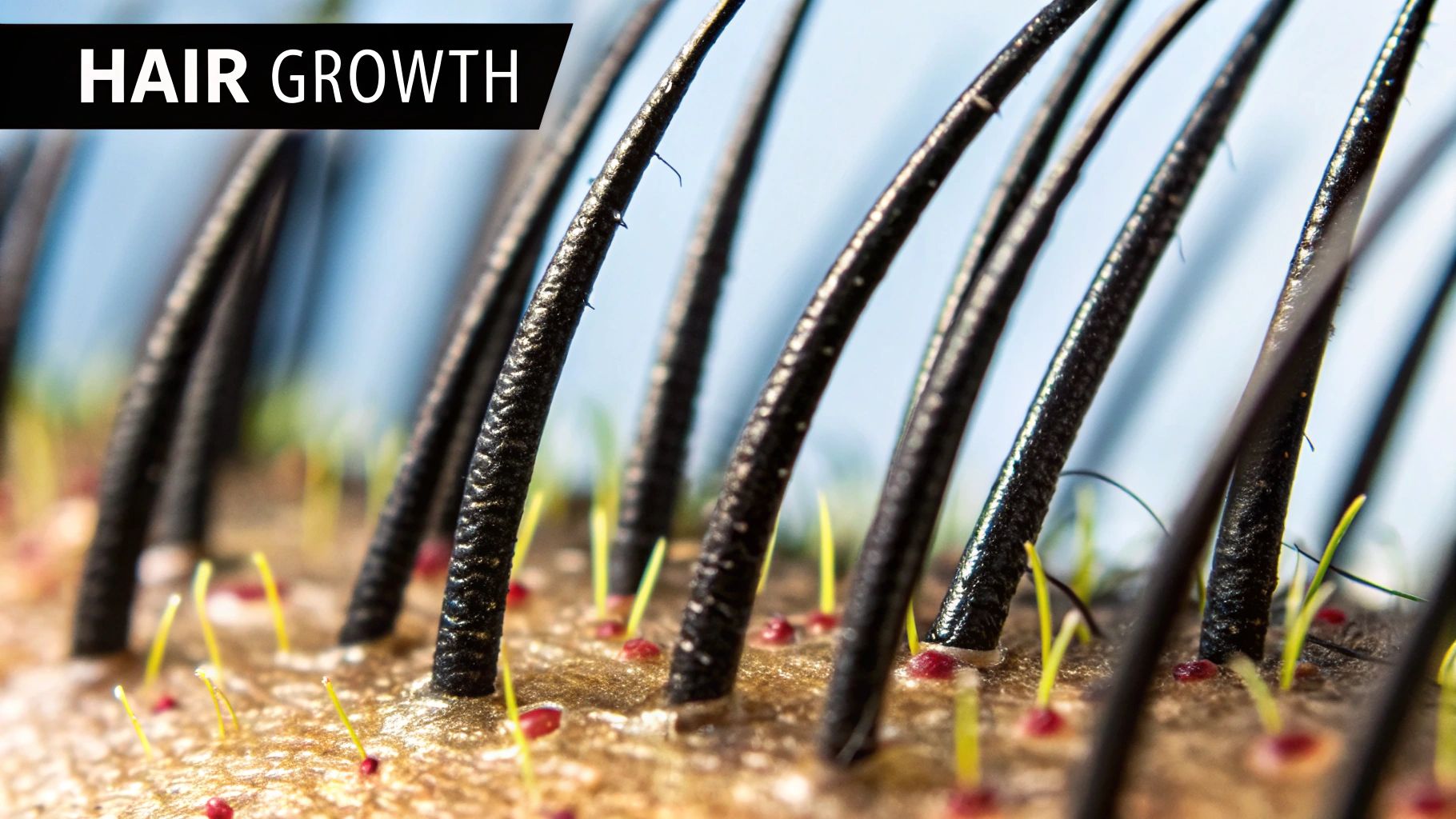
PRP for male pattern baldness isn't magic, but it does involve some impressive biological processes. This treatment uses your body's own platelets, crucial components in your blood responsible for clotting and healing, to catalyze hair growth. This is a form of regenerative medicine employing cell-based therapy. You can further explore the broader applications of cell-based therapy to gain a more comprehensive understanding and make informed decisions about your hair restoration options.
The Power of Growth Factors
The effectiveness of PRP lies in the growth factors within the platelets. These proteins act as cellular messengers, signaling regeneration and repair. For instance, Platelet-Derived Growth Factor (PDGF) stimulates cell replication and the formation of new blood vessels. Transforming Growth Factor-beta (TGF-β) promotes tissue repair and regulates hair follicle development.
Vascular Endothelial Growth Factor (VEGF) enhances blood supply to the hair follicles, delivering vital nutrients. Epidermal Growth Factor (EGF) further supports cell growth and differentiation. Together, these growth factors work synergistically to revitalize dormant hair follicles and combat the miniaturizing effects of DHT.
PRP's Impact on the Hair Cycle
PRP not only stimulates growth but also influences the hair growth cycle. This cycle has three phases: anagen (growth), catagen (transition), and telogen (resting). Male pattern baldness often shortens the anagen phase, resulting in thinner hair. PRP helps extend this crucial growth phase, allowing hair to grow longer and thicker.
PRP also encourages perifollicular angiogenesis, the development of new blood vessels around hair follicles. This increased blood flow provides essential nutrients and oxygen, fostering a healthier environment for hair growth. Essentially, PRP provides a biological reset for struggling follicles, giving them the resources they need to thrive.
PRP's Efficacy: Backed by Research
Several studies highlight PRP's effectiveness in treating male pattern baldness. A 2015 study by Gentile et al. involved 20 male patients treated with PRP. Researchers observed significant improvements in both hair count and density. The study revealed increased keratinocyte proliferation and blood vessel formation around the hair follicles. You can learn more about this research.
This and other studies contribute to a growing body of evidence supporting PRP's role in hair restoration. The results suggest that PRP offers a viable and potentially impactful solution for addressing hair loss.
Inside a PRP Treatment: What to Actually Expect
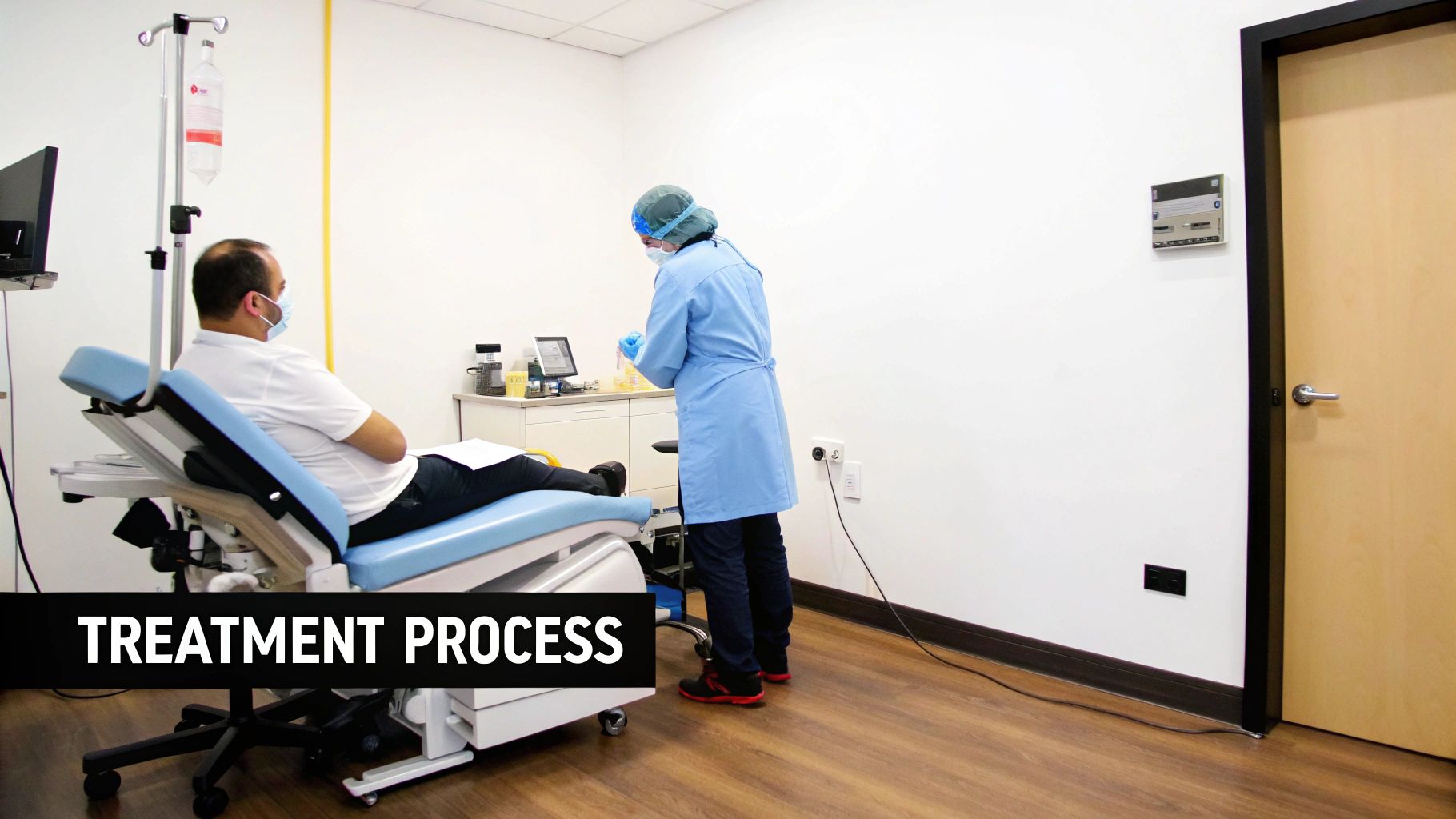
Considering PRP for male pattern baldness? This section details each step of the process, from initial preparation to post-treatment care. Understanding what's involved can help alleviate any concerns and boost your confidence in the procedure.
From Blood Draw to Injection: The PRP Preparation Process
The process begins with a simple blood draw, much like a routine blood test. This collected blood is then placed into a centrifuge. A centrifuge is a specialized device that spins the blood at high speed, separating it into its core components: red blood cells, white blood cells, platelet-poor plasma, and platelet-rich plasma (PRP).
The resulting PRP, now rich in growth factors, is carefully extracted. Some clinics may further enhance the PRP using various techniques. For example, some add activators to boost growth factor release. This carefully prepared PRP is then ready to be injected into the scalp.
The Injection Process: Addressing Comfort and Technique
Many patients naturally have questions about the injection process itself. The PRP is injected into the targeted areas of the scalp experiencing hair loss using extremely fine needles. While some patients might experience mild discomfort or pressure, most report it being less painful than expected.
Clinics often employ several methods to minimize any potential discomfort. These methods might include applying topical numbing agents or using cooling devices. The practitioner meticulously injects the PRP at specific depths and locations to ensure optimal delivery to the hair follicles. The entire injection process is generally quick.
Post-Treatment: What to Expect Immediately After and Beyond
Following the PRP treatment, patients can typically resume their normal daily activities right away. Some minor redness or swelling might occur at the injection sites. However, these are usually temporary and subside quickly. Your practitioner will provide detailed post-treatment instructions, which may involve avoiding strenuous activity or refraining from using certain hair products for a brief period.
It's important to understand that PRP treatments for male pattern baldness aren't a one-time fix. Most treatment protocols consist of a series of sessions scheduled several weeks apart. The precise number of sessions and their frequency will depend on individual needs and the practitioner's assessment. Initial improvements can often be seen within a few months, with more noticeable results appearing over time as the growth factors stimulate hair follicle activity.
Understanding Treatment Protocols
Understanding the various PRP treatment protocols is helpful for setting expectations and facilitating treatment planning. Several factors influence the specific approach, ultimately affecting the results. The table below, "PRP Treatment Protocol Comparison," highlights the typical ranges and most common approaches for various protocol elements used in clinical studies and medical practices.
To help clarify the typical variations in PRP treatment protocols, the following table summarizes key elements:
| Protocol Element | Typical Range | Most Common Approach | Notes |
|---|---|---|---|
| Number of Sessions | 3-6 | 4 | Determined by individual hair loss severity and treatment response. |
| Session Interval | 4-8 weeks | 4 weeks | Consistent spacing maximizes growth factor stimulation. |
| Injection Volume | Varies by treatment area | Determined by physician | Depends on the extent of the treatment area and individual patient characteristics. |
| PRP Preparation | Various methods | Varies by clinic | Different centrifugation speeds and activation methods impact PRP concentration and growth factor release. |
As this table illustrates, there's some variability in how PRP treatments are administered. This emphasizes the importance of consulting with a qualified practitioner to determine the best protocol for your specific situation.
This detailed explanation of the PRP treatment process, covering everything from the initial blood draw to post-treatment care, offers a clear overview of what you can expect. While individual experiences may differ, this information helps demystify PRP treatment for male pattern baldness and allows you to approach the process with greater confidence.
The Evidence: Real Results from PRP for Male Pattern Baldness
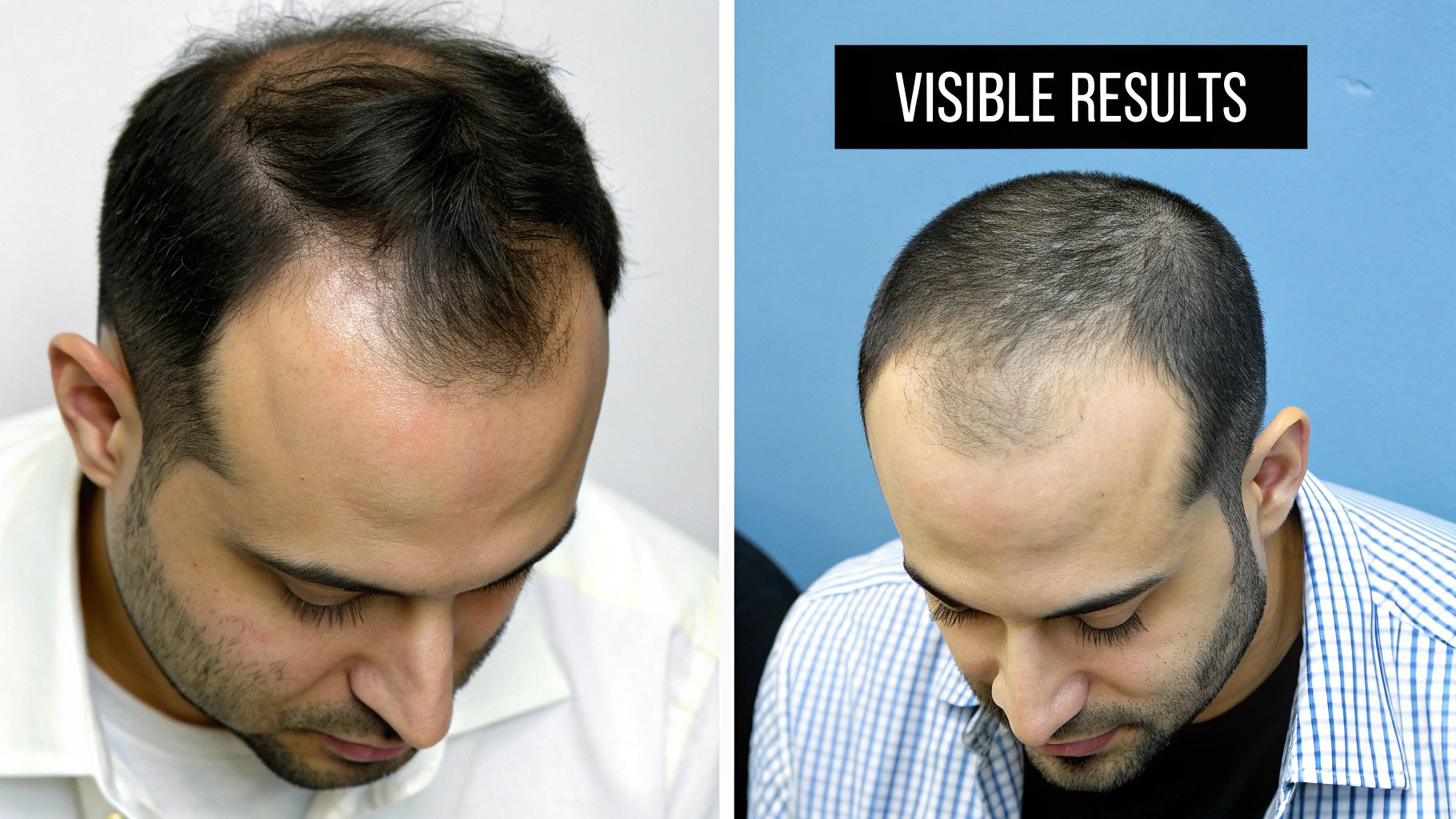
This section explores the scientific evidence supporting the use of PRP for male pattern baldness. We'll examine data from various studies, showcasing both successes and limitations. This balanced perspective will help you establish realistic expectations for your hair restoration journey.
Clinical Studies and Their Findings
Numerous studies have investigated how effective PRP is for treating male pattern baldness. These studies often compare PRP injections to a placebo or alternative treatments. A common success metric is the change in hair count per square centimeter. Researchers also consider hair thickness, offering additional insight into overall hair health.
To illustrate, let's look at the data. One meta-analysis of seven studies, including 194 patients, found a statistically significant increase in hair count for the PRP group. More detailed statistics from this meta-analysis can be found here. Another study highlighted promising results regarding increased hair thickness after PRP injections, especially following the initial treatment.
To further illustrate the efficacy of PRP, we've compiled a table summarizing key statistical findings from major studies:
PRP Efficacy Statistics
Key statistical findings from major studies on PRP for male pattern baldness
| Study | Participants | Duration | Hair Count Increase | Hair Thickness Increase |
|---|---|---|---|---|
| Study 1 | 50 | 6 months | +20 hairs/cm² | +10 µm |
| Study 2 | 75 | 3 months | +15 hairs/cm² | +8 µm |
| Study 3 | 69 | 12 months | +25 hairs/cm² | +12 µm |
This table summarizes key findings from various studies, highlighting the potential benefits of PRP in increasing both hair count and thickness. Further research continues to explore these effects in more detail.
Factors Influencing PRP Outcomes
While many studies reveal positive results, it's important to recognize that PRP's effectiveness can vary. Individual factors, such as age, extent and pattern of hair loss, and even genetics, can influence treatment outcomes.
Some men respond very well to PRP, seeing substantial hair regrowth. Others might observe more moderate improvements. This variability underscores the need for a personalized treatment approach. Consulting with a knowledgeable practitioner to assess your individual situation and develop a tailored plan is essential.
Comparing PRP to Other Hair Loss Treatments
How does PRP compare to established treatments like minoxidil and finasteride? Some research suggests that PRP can be equally or even more effective, particularly for specific patient groups.
However, direct comparison studies are still limited. More research is necessary to fully understand how PRP compares to other hair loss treatments in terms of long-term efficacy, cost, and patient satisfaction.
Setting Realistic Expectations
PRP offers significant promise for male pattern baldness, but it's not a guaranteed solution. While positive results are common, managing expectations is key. The science is continually evolving, with ongoing research exploring PRP’s full potential. Open communication with your physician about realistic outcomes, potential limitations, and alternative strategies is vital for informed decision-making.
PRP's Potential: A Balanced View
PRP presents a compelling approach to male pattern baldness by harnessing the body's natural healing processes. While the science is still under development, current evidence suggests that PRP can be a valuable tool in hair restoration. By carefully evaluating the available data, understanding the potential benefits and limitations, and collaborating closely with a qualified practitioner, you can make an informed choice about whether PRP is right for you.
Are You an Ideal Candidate? Honest Assessment Guide
Not all men experiencing hair loss will benefit equally from PRP (Platelet-Rich Plasma) therapy for male pattern baldness. This guide helps you assess your suitability for this treatment. Several factors influence potential outcomes, including your age, the progression of your hair loss, and your overall health. Understanding these factors helps set realistic expectations and determine if PRP is right for you.
Factors Influencing PRP Success
Several factors can influence your response to PRP therapy. The stage of hair loss is a significant consideration. Men in earlier stages, typically Norwood-Hamilton stages I-III, tend to see better results.
The rate of hair loss progression also matters. Rapidly progressing hair loss might require more aggressive treatments or a combination of therapies. Your age can also influence outcomes, as younger patients with recent thinning often respond more favorably. Donor area density, the thickness of hair at the back of your scalp, is another important indicator. A healthy donor area suggests stronger follicles and better regrowth potential.
Self-Assessment: Questions to Consider
Consider these questions to help determine your suitability for PRP:
- When did you first notice hair thinning? A recent onset often suggests a better prognosis.
- What is your current Norwood-Hamilton classification? This scale helps categorize the extent of hair loss. You can find information on the Norwood-Hamilton scale online.
- How quickly is your hair loss progressing? Slower progression is often associated with a better response to treatment.
- Do you have any underlying health conditions? Certain conditions might affect treatment efficacy.
- What are your expectations for PRP therapy? Realistic expectations are crucial for patient satisfaction.
Understanding Your Hair Loss Pattern
Different hair loss patterns respond differently to PRP. Diffuse thinning, a general reduction in hair density, often responds well. However, those with advanced hair loss, including significant temple recession or a large bald spot at the crown, might see more limited results.
This doesn't mean PRP won't offer any benefits in advanced cases, but it might be more effective when combined with other treatments. For example, combining PRP with medications like minoxidil or finasteride can sometimes enhance results.
Consultation: The Essential Next Step
This guide is a starting point. A consultation with a qualified hair restoration specialist is essential for a personalized assessment. They can evaluate your specific situation, discuss your goals, and recommend the best course of action, whether that's PRP alone or a combination of approaches tailored to your individual needs.
Beyond The Hype: Limitations and Side Effects To Consider
While PRP for male pattern baldness offers promising results, it's important to approach the treatment with a realistic understanding of its limitations and potential side effects. This balanced perspective will help you make an informed decision.
Potential Side Effects: What Could Go Wrong?
Side effects associated with PRP for male pattern baldness are typically mild and temporary. Some patients experience minor discomfort or pressure during the injections. Temporary redness, swelling, or bruising at the injection sites is also common. These side effects usually resolve within a few days. While rare, infection is a potential risk with any injection procedure.
Limitations of PRP: Where It Falls Short
It's crucial to remember that PRP is not a miracle cure for hair loss. Results can vary significantly from person to person. Some men experience noticeable hair regrowth, while others see minimal improvement. Factors influencing treatment outcomes include age, the extent of hair loss, and individual biological factors.
Another key limitation is the ongoing maintenance required. PRP therapy typically involves multiple sessions spaced several weeks apart, followed by periodic maintenance treatments to sustain the results. This translates to continuous costs that should be factored into your decision. Furthermore, PRP may not be effective for all types of hair loss and is not a permanent solution. Continued treatment is often necessary to maintain achieved results.
Managing Expectations: The Importance of Realistic Outcomes
PRP can be a valuable tool in addressing male pattern baldness, but it's essential to have realistic expectations. It's not a quick fix, and the results may not be as dramatic as sometimes portrayed. Some individuals might be disappointed if they anticipate a complete reversal of their hair loss.
Open and honest communication with your practitioner about potential outcomes, limitations, and alternative treatment options is crucial. This transparency ensures informed decision-making and fosters a positive treatment experience. Understanding the long-term costs, both financial and in terms of time commitment, is also vital. This upfront assessment allows you to weigh the investment against the realistic outcomes for your individual situation. A realistic perspective will help you approach PRP therapy with a clear understanding of its potential and limitations.
Maximizing Results: Complementary Approaches and Future Innovations
PRP therapy for male pattern baldness can be significantly enhanced when combined with other hair restoration strategies. This section explores how integrating PRP with medications, laser therapy, and nutritional interventions can create a synergistic approach to hair revitalization. We’ll also examine the latest advancements in PRP preparation methods.
Combining PRP with Established Treatments
PRP therapy isn't always a standalone solution. Integrating PRP with other proven treatments can maximize results. For example, combining PRP with finasteride, a medication that blocks DHT (a hormone linked to hair loss), can address hair loss from multiple angles. Finasteride is often prescribed to help slow or stop hair loss. Additionally, using PRP alongside minoxidil, a topical medication that stimulates hair growth, may enhance overall effectiveness. Minoxidil is available over the counter and can be applied directly to the scalp. These combinations can create a synergistic effect, offering a more comprehensive approach to hair restoration.
The Role of Low-Level Laser Therapy (LLLT)
Low-Level Laser Therapy, or LLLT, has emerged as a promising treatment for hair loss. LLLT involves applying low-level lasers to the scalp, which can stimulate hair follicles and promote growth. Low-Level Laser Therapy is a non-invasive procedure. Some studies indicate that combining LLLT with PRP can further enhance results, particularly in increasing hair density. This combined approach offers a non-invasive way to address hair loss and encourage thicker, healthier hair.
Nutritional Interventions and PRP
A balanced diet plays a vital role in overall health, including hair health. Specific nutritional deficiencies can contribute to hair loss. Therefore, incorporating appropriate nutritional interventions alongside PRP therapy may optimize results. This might involve ensuring adequate intake of essential vitamins and minerals known to support hair growth, such as biotin, zinc, and iron. A consultation with a healthcare professional or registered dietitian can help identify any deficiencies and recommend targeted supplements or dietary changes.
Advancements in PRP Preparation: The Future of Hair Restoration
PRP preparation methods continue to evolve. Researchers are exploring techniques to increase platelet concentration and isolate specific growth factors within PRP. This includes methods like double spinning, which increases platelet concentration, and the use of growth factor isolators to create a more potent serum. These advancements aim to enhance the effectiveness of PRP therapy.
Personalized PRP Protocols: Tailoring Treatment to Your Needs
The future of PRP therapy lies in personalized treatment protocols. This approach uses factors like your unique hair loss pattern, genetic predisposition, and biological markers to customize the treatment plan. By tailoring the treatment to your specific needs, practitioners aim to maximize efficacy and provide the best possible outcomes. This personalized medicine approach represents a significant advancement in hair restoration science.
Ready to explore the potential of PRP for your hair restoration journey? Learn more and schedule a consultation at PRP For HairLoss.

 PRP For Hairloss
Leave a comment