The Science of PRP Hair Treatment Explained
PRP hair treatment, short for Platelet-Rich Plasma hair treatment, uses your own blood to address hair thinning and loss. The treatment concentrates growth factors found naturally in your blood. This concentrated solution is then injected into your scalp to stimulate hair follicles.
This process works by utilizing the platelets in your blood. These tiny cells are essential for clotting and wound healing.
Understanding the Power of Platelets
Platelets contain a variety of growth factors. Growth factors signal cells to regenerate and repair damaged tissue. When injected into the scalp, these concentrated growth factors revitalize hair follicles. They can reactivate dormant follicles, prompting new hair growth. They can also thicken existing hair, creating a fuller look.
The PRP Hair Treatment Process: A Step-by-Step Guide
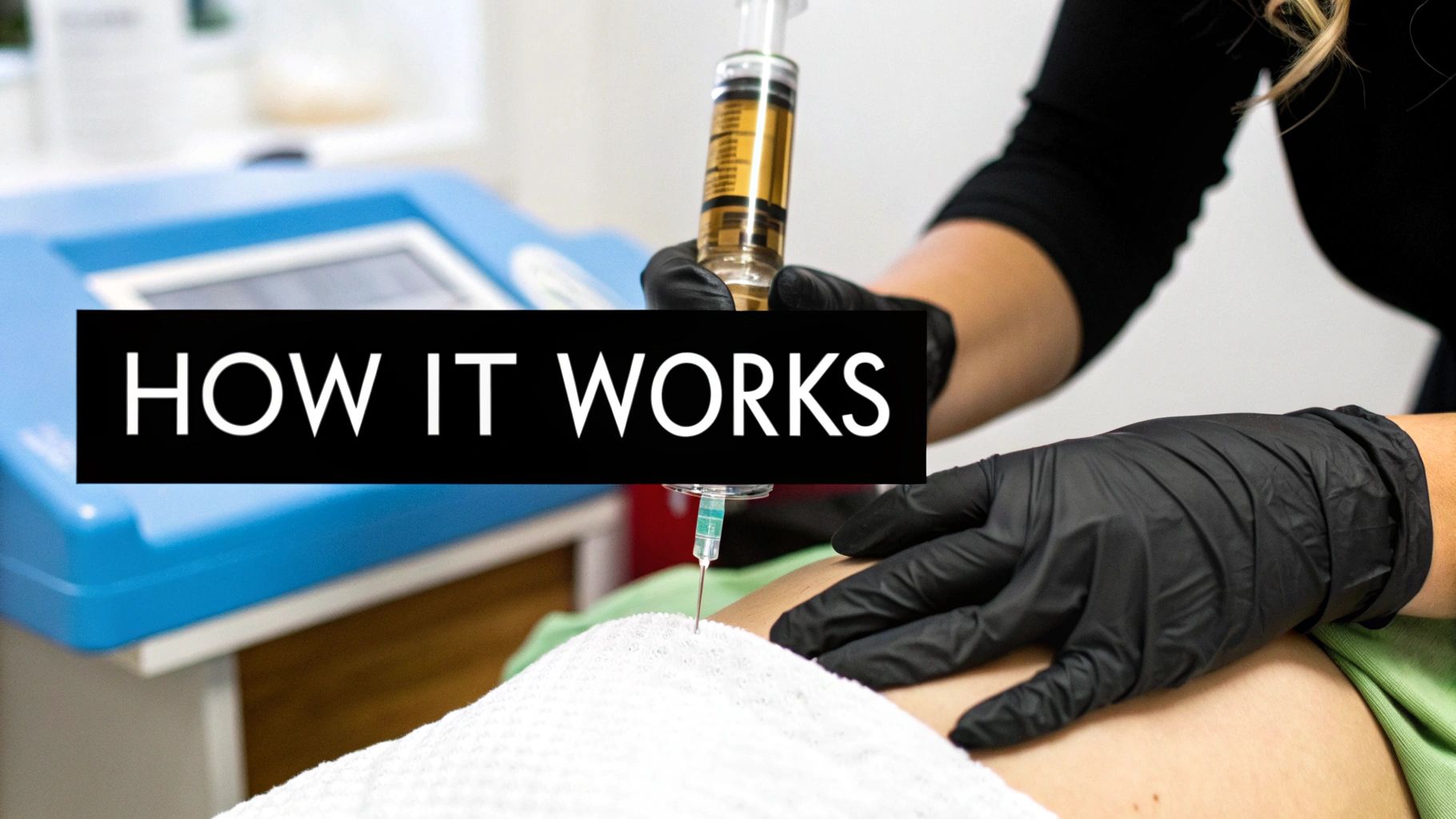
The procedure begins with a standard blood draw, much like a routine blood test. The drawn blood is placed in a centrifuge. This machine rapidly spins the blood, separating its components. The process isolates the platelet-rich plasma, resulting in a concentrated growth factor solution.
This PRP solution is then injected directly into the thinning areas of the scalp. The minimally invasive procedure requires little downtime, allowing you to return to normal activities quickly. PRP hair treatment utilizes the principles of regenerative medicine, similar to other cell-based therapy approaches.
The Effectiveness of PRP: Backed by Science
The use of Platelet-Rich Plasma (PRP) for hair treatment has shown promising results in studies. One study on male pattern hair loss showed significant increases in hair count and density in PRP-treated areas. The study revealed a mean increase of 33.6 hairs in the target area and an increase in total hair density of 45.9 hairs per cm² after three months. Learn more about the study here.
These results highlight PRP’s potential to combat hair loss and encourage hair growth. Because PRP uses your own blood, the risk of allergic reactions is minimal. This makes it a safe and natural option for many seeking hair restoration. However, it's essential to consult a qualified dermatologist to assess if PRP is suitable for your specific condition.
Why PRP Hair Treatment Actually Works
PRP hair treatment's growing popularity isn't just hype; it's rooted in scientific principles. This innovative approach goes beyond addressing mere symptoms. It targets the underlying causes of hair loss, making it a compelling alternative to more traditional treatments. But how does it actually work? The answer lies in the remarkable power of platelets.
The Regenerative Power of Platelets
Platelets are essential components of our blood, playing a crucial role in wound healing. They contain a rich concentration of growth factors. These growth factors function as biological messengers, signaling cells to initiate repair and regeneration. When it comes to hair loss, these growth factors stimulate dormant hair follicles, essentially reactivating the hair growth cycle. PRP injections also improve blood flow to the follicles, delivering essential nutrients for healthy growth.
PRP and the Hair Growth Cycle
PRP directly influences the hair growth cycle, specifically the anagen phase, which is the active growth period. By prolonging this anagen phase, PRP encourages hair to grow longer and thicker before transitioning to the resting phase. This is a primary reason why PRP can result in noticeable improvements in hair density and overall appearance. It's like giving your hair follicles the extra support they need to perform optimally.
Clinical Evidence Supporting PRP for Hair Loss
A growing body of clinical research supports the effectiveness of PRP hair treatment. Over the last decade, studies exploring the benefits of PRP for hair loss have gained significant traction. While early research was often limited by small sample sizes, increasing evidence suggests that PRP effectively promotes hair regrowth and minimizes further loss. A 2019 study, for example, compared PRP injections to minoxidil, a common hair loss medication, and found PRP delivered superior results in terms of hair regrowth over a six-month period. Learn more about this research here. This expanding body of evidence is why dermatologists increasingly recommend PRP to patients seeking scientifically-backed solutions for hair loss.
To better understand how PRP compares to other treatments, let's look at the data:
PRP Hair Treatment Success Rates
| Treatment Type | Average Success Rate | Time to See Results | Side Effects | Maintenance Required |
|---|---|---|---|---|
| PRP | 70-80% | 3-6 months | Minimal (e.g., mild swelling, bruising) | Every 4-6 months |
| Minoxidil | 40-50% | 4-12 months | Skin irritation, dryness | Daily application |
| Finasteride | 60-70% | 3-6 months | Sexual side effects, decreased libido | Daily pill |
| Hair Transplant | 85-95% | 6-12 months | Scarring, infection | Minimal |
This table highlights key differences in success rates, the time it takes to observe results, potential side effects, and required maintenance between various hair loss treatments. While hair transplants often have higher success rates, they are more invasive. PRP offers a less invasive alternative with a respectable success rate and minimal side effects.
This regenerative approach to hair loss is transforming our understanding and treatment options. It presents a promising solution for individuals experiencing specific types of hair loss.
Are You a Perfect Candidate for PRP Hair Treatment?
PRP hair treatment offers a promising solution for hair loss. However, its effectiveness isn't universal and depends on individual factors. Understanding these factors is crucial for setting realistic expectations and deciding if PRP is right for you. This involves a frank assessment of your hair loss type, overall health, and other key indicators.
Factors Influencing PRP Success
Several factors significantly influence the success of PRP hair treatment. A primary factor is the type of hair loss you're experiencing. PRP tends to be most effective for androgenetic alopecia, commonly known as male or female pattern baldness. PRP works by stimulating weakened hair follicles, a characteristic of this type of hair loss.
However, for conditions like scarring alopecia, where hair follicles are completely destroyed, PRP is less likely to be beneficial. Your overall health also plays a crucial role. Certain conditions, such as autoimmune or bleeding disorders, can impact PRP's effectiveness or make the treatment unsuitable.
Medications like blood thinners might require adjustments before undergoing PRP therapy. Your age and the timing of treatment are also important, as younger patients with recent hair loss may see better results than older patients with long-standing hair loss. The high prevalence of hair loss, particularly in the United States, underscores the need for effective treatments like PRP.
By age 35, two-thirds of men will experience some degree of hair loss. There are also approximately 21 million women in the U.S. dealing with hair loss. PRP offers a potential solution, using the body's natural healing process to encourage hair growth. More detailed statistics can be found here.
Identifying the Ideal PRP Candidate
So, who makes an ideal candidate for PRP hair treatment? Individuals in the early stages of androgenetic alopecia are generally considered ideal. This means the hair follicles are still active, though miniaturizing, giving PRP the opportunity to stimulate growth.
Patients in good overall health, without underlying conditions that could interfere with treatment, are also more likely to experience positive results.
Recognizing When to Explore Alternatives
While PRP offers considerable promise, it's not a universal solution. Individuals with advanced hair loss, where follicles are completely dormant, might benefit more from alternatives like hair transplantation.
Similarly, those with certain health conditions may need to explore different approaches. A qualified dermatologist can help determine the suitability of PRP for your specific situation.
Setting Realistic Expectations with PRP
Setting realistic expectations with PRP hair treatment is essential. PRP isn't a quick fix; it typically requires multiple treatments spaced several weeks apart for optimal results.
Results vary from person to person. While many experience notable improvements, others may see only modest changes. Open communication with your dermatologist is vital for managing expectations.
They can assess your individual circumstances and develop a personalized plan to maximize your chances of success. This includes discussing potential outcomes and alternative solutions if PRP isn't deemed suitable. By understanding these factors, you can make informed decisions and approach your hair restoration journey with realistic goals.
Inside the PRP Treatment Room: What to Expect

So, you're considering PRP hair treatment and want to know what happens during the procedure. This section guides you through a typical PRP session, from arrival to departure. Understanding the process can ease any pre-appointment anxieties.
The Initial Consultation and Blood Draw
The first step is a consultation with a specialist. They will examine your scalp, discuss your hair loss history, and create a personalized treatment plan. This ensures your PRP hair treatment addresses your specific needs. A small blood sample, similar to a routine blood test, is then drawn. This is a quick and generally painless process.
After the blood draw, your blood is placed in a centrifuge. This specialized machine spins the blood at high speed to separate the platelet-rich plasma (PRP) from other blood components.
PRP Preparation: The Centrifuge Process
The concentration process takes approximately 10-15 minutes. The resulting PRP solution is rich in growth factors crucial for stimulating hair follicle activity. This concentrated solution is the key to the treatment's effectiveness.
This targeted application ensures the growth factors are delivered directly to the areas needing stimulation. The specialist uses fine needles to minimize any discomfort.
The Injection Phase: Administering the PRP
You might feel a mild tingling or pressure during the injections. The injection process typically lasts 20-30 minutes, depending on the size of the treatment area. The precise and targeted injections are essential for achieving optimal results.
Following your PRP hair treatment, you can usually resume your regular activities immediately. You might experience some mild scalp tenderness or redness, which should subside quickly.
Post-Treatment Care and Expectations
Your specialist will provide detailed post-treatment instructions, such as avoiding harsh hair products for a few days. Following these instructions is important for maximizing your results. Proper aftercare ensures the treated area heals correctly and promotes healthy hair growth.
PRP hair treatments are highly customizable. The specialist will tailor the injection technique, PRP concentration, and number of sessions to your specific hair loss pattern and scalp condition.
Customization and Advanced Techniques
This individualized approach ensures the treatment is as effective as possible. Some clinics combine PRP with other therapies, such as microneedling or low-level laser therapy (LLLT), for enhanced results. These combined therapies can further stimulate hair growth and improve overall scalp health.
Understandably, many people have questions about PRP hair treatment. One common concern is discomfort. While some mild discomfort is possible, most patients find it tolerable.
Addressing Common Concerns
Topical numbing cream can also minimize any sensation. A typical session, including preparation and injections, lasts about one hour. It's important to have realistic expectations. PRP is not a quick fix. Noticeable improvements usually appear gradually over several months, and multiple sessions are often needed for optimal, lasting results. This gradual improvement aligns with the natural hair growth cycle.
Your PRP Hair Restoration Timeline
PRP hair treatment offers exciting possibilities for restoring hair. It's important to understand, however, that it's not a quick fix. Achieving noticeable, lasting results takes patience and a realistic understanding of the process. So, what should you expect on your PRP hair restoration journey?
The Initial Phase: Weeks 1-4
The first few weeks after your initial PRP treatment might bring some surprises. You may notice some initial shedding. While this might seem concerning, it’s a positive sign. The PRP injections stimulate your hair follicles, prompting older, weaker hairs to enter the resting phase. This makes way for new growth. It’s like clearing out dead leaves in a garden to allow new shoots to sprout. During this initial phase, diligently following your dermatologist's post-treatment instructions is critical. This typically includes avoiding harsh hair products and minimizing contact with the treated area.
Gradual Improvement: Months 2-6
Over the next few months, gradual improvements will become apparent. New hair growth will begin, often finer and lighter at first. This new hair will steadily thicken and darken over time. The changes are subtle initially, but with each month, you'll move closer to your desired outcome. This is usually when your dermatologist will schedule follow-up PRP treatments to enhance the initial results. Multiple sessions, spaced several weeks apart, are typically recommended. This reinforces follicle stimulation and promotes more robust hair growth.
Significant Results: Months 6-12
Between six and twelve months after your initial PRP session, you should see the most significant changes. The treated area will appear fuller and denser. The hair will have gained considerable thickness and volume, bringing you closer to your hair restoration goals. Think of your hair follicles as tiny seeds nurtured over time. With consistent PRP treatments, they become stronger and more productive, leading to visible improvements in your hair's overall look.
Maintaining Your Results: Long-Term Care
Achieving positive results with PRP hair treatment is a significant achievement. Maintaining these results over the long term is equally crucial. PRP isn't a one-time solution; it's an ongoing process. Most dermatologists recommend maintenance treatments every 4-6 months to sustain the benefits. This keeps hair follicles active and promotes healthy hair growth. It's like providing regular watering and fertilization to ensure your hair follicles thrive.
Individualized Treatment Plans and Realistic Expectations
Every individual's experience with PRP is unique. Responses to treatment vary based on factors such as the severity of hair loss, overall health, and genetics. The required number of treatments and the exact timeframe for visible changes will differ from person to person.
To help understand the general progression, let's look at a typical PRP hair treatment timeline.
PRP Hair Treatment Timeline: This table outlines what patients can expect at different stages following PRP hair treatment.
| Timeframe | Expected Results | Recommended Actions | Follow-up Treatment |
|---|---|---|---|
| Weeks 1-4 | Initial shedding, mild scalp tenderness | Follow post-treatment instructions, avoid harsh hair products | None |
| Months 2-6 | Gradual new hair growth, increased hair thickness | Continue healthy hair practices, schedule follow-up PRP sessions | As recommended by your dermatologist (typically every 4-6 weeks) |
| Months 6-12 | Significant improvement in hair density and fullness | Maintain a healthy lifestyle, discuss long-term maintenance plan | As needed |
| Long-term | Sustained hair growth, ongoing follicle stimulation | Follow dermatologist's recommendations for maintenance treatments | Every 4-6 months |
This table offers a general overview. It’s important to consult with your dermatologist. They will develop a personalized treatment plan and provide realistic expectations tailored to your specific needs. Open communication with your doctor throughout the process is essential for achieving the best possible results with PRP hair treatment.
PRP vs. Other Hair Loss Solutions: Making Your Choice
Choosing the right hair restoration treatment can be daunting with so many options available. This section compares PRP hair treatment with other popular solutions, empowering you to make a well-informed decision based on your individual needs and priorities.
PRP vs. Minoxidil (Rogaine)
Minoxidil, commonly known as Rogaine, is an over-the-counter topical solution. It’s easily accessible and relatively inexpensive. However, minoxidil requires consistent daily application for continued results and can sometimes cause scalp irritation. PRP, while requiring several initial sessions, offers a more sustained solution. Minoxidil promotes vasodilation to address hair loss, whereas PRP stimulates hair follicle regeneration with growth factors, tackling the underlying causes of thinning hair for a potentially more effective and lasting outcome.
PRP vs. Finasteride (Propecia)
Finasteride, sold under the brand name Propecia, is an oral medication specifically for male pattern baldness. It works by blocking DHT, a hormone significantly contributing to hair loss. While effective for many, finasteride can have potential side effects, including reduced libido and sexual dysfunction. Because PRP uses your own blood, it presents a lower risk of side effects. This makes it an attractive option for men concerned about the potential drawbacks of finasteride.
PRP vs. Hair Transplantation
Hair transplantation is a surgical procedure relocating hair follicles from a donor area to the recipient area. It provides permanent results, but is significantly more invasive and costly than PRP. It also involves a longer recovery period and may result in scarring. For individuals experiencing earlier stages of hair loss, PRP can be an excellent option, allowing for less invasive treatment exploration before considering a more permanent, intensive procedure.
PRP vs. Low-Level Laser Therapy (LLLT)
LLLT uses low-powered lasers to stimulate hair follicles and encourage growth. While promising, the data supporting its effectiveness is still developing. LLLT is often combined with other treatments like minoxidil or PRP for enhanced results. While both LLLT and PRP aim to stimulate hair growth, LLLT uses light energy, while PRP utilizes growth factors derived from your own blood. This difference in their mechanisms makes them complementary rather than competing therapies.
PRP vs. Natural Remedies
Natural remedies for hair loss, such as saw palmetto and biotin, are widely available. However, consistent scientific evidence supporting their broad effectiveness remains limited. While they might offer some support, these remedies often lack the targeted approach and proven results observed with PRP. For instance, biotin can strengthen hair, but it doesn't address the underlying follicle shrinkage observed in androgenetic alopecia, which PRP directly targets.
Choosing the Right Approach for You
The ideal choice for your hair loss journey depends on several key factors:
- Severity of hair loss: PRP and other non-surgical options are generally suitable for early-stage hair loss. More advanced hair loss may benefit from transplantation.
- Budget: PRP costs fall between less expensive solutions like minoxidil and more costly procedures like transplantation.
- Time commitment: PRP involves multiple initial treatments, but less ongoing maintenance than minoxidil.
- Tolerance for side effects: PRP carries minimal risks compared to medications like finasteride.
- Personal preferences: Some individuals prefer natural remedies, while others prioritize clinically proven results.
A combined approach often delivers the best results. Combining PRP with treatments like microneedling or LLLT can enhance the outcomes, targeting hair loss from multiple angles for more comprehensive benefits.
Making an Informed Decision
Consulting with a qualified dermatologist specializing in hair loss is crucial. They can accurately diagnose your specific condition and recommend a personalized treatment plan tailored to your individual needs. This personalized strategy ensures the highest chance of success. Ready to discover how PRP can help you restore your hair and regain confidence? Learn more and schedule a consultation at PRP For HairLoss.
 PRP For Hairloss
Leave a comment