Understanding the Battle Against Baldness
Hair loss affects millions of men. Finasteride and dutasteride are two leading medications for combating it. This listicle examines six popular treatment options using these drugs, helping you choose the right one for your hair restoration journey in 2025. We'll also briefly touch on supplemental treatments like PRP therapy. This guide provides the information you need to make informed decisions about your hair loss strategy.
1. Propecia (Finasteride 1mg)
Propecia, the brand-name version of finasteride 1mg, stands as a cornerstone in the fight against male pattern baldness. Specifically FDA-approved for this condition (also known as androgenetic alopecia), Propecia offers a well-established and clinically proven approach to managing hair loss. It tackles the root cause by inhibiting the 5-alpha-reductase type II enzyme. This enzyme is responsible for converting testosterone into dihydrotestosterone (DHT), the primary hormone culprit behind hair follicle miniaturization and subsequent hair loss in genetically predisposed men. By reducing scalp DHT levels by approximately 70%, Propecia effectively slows down hair loss and can even encourage regrowth in many individuals. Its position on this list stems from its long history of proven effectiveness and widespread use, making it a benchmark against which other hair loss treatments are often compared.
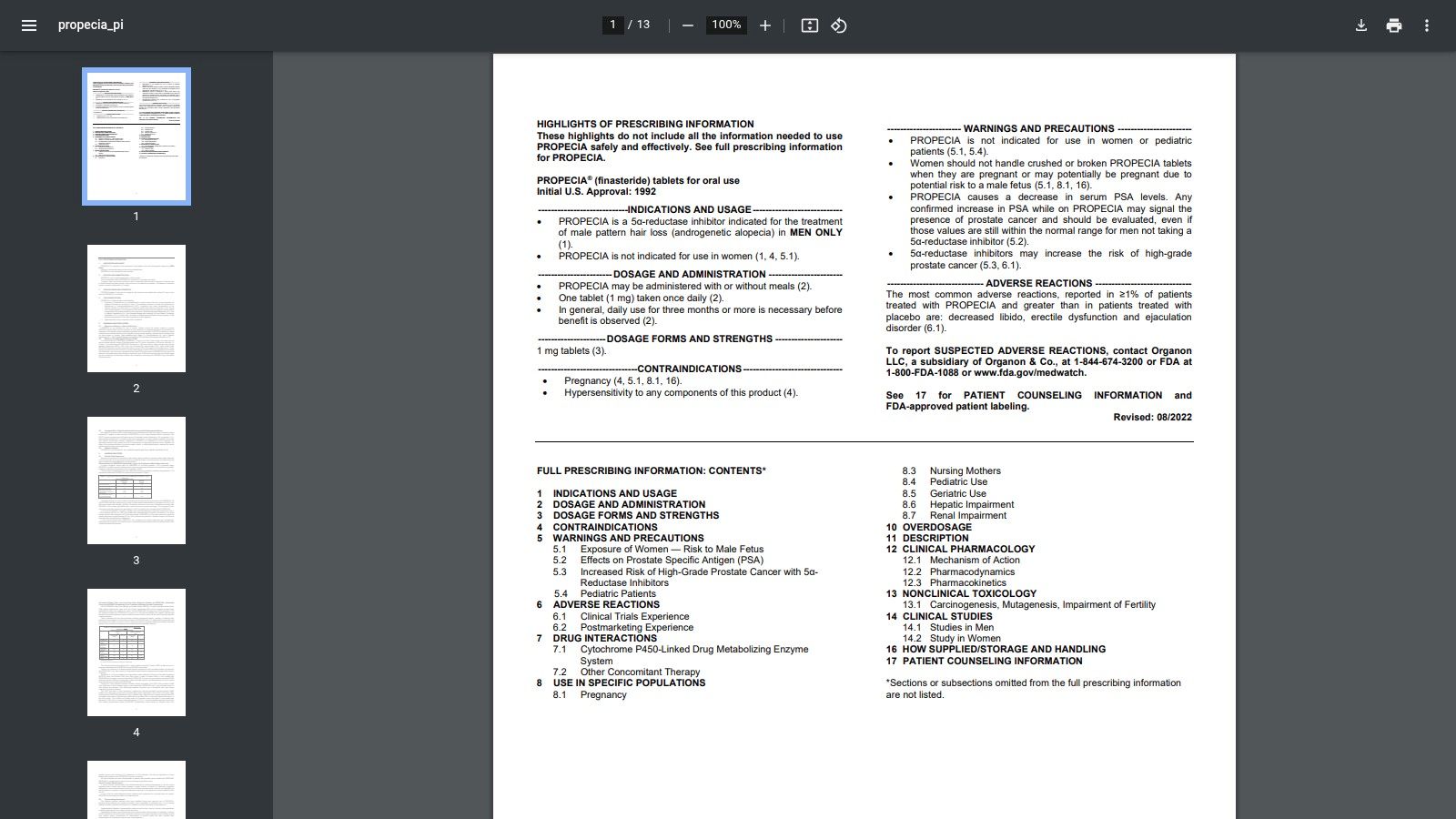
Propecia comes as a convenient 1mg oral tablet taken once daily. Typically, noticeable results, such as a slowing of hair loss or the appearance of new growth, begin to emerge after 3-6 months of consistent daily use. It’s important to understand that continuous usage is key to maintaining any achieved results. Stopping the medication will likely lead to a resumption of the hair loss progression.
While pricing can vary depending on your location and pharmacy, Propecia generally tends to be more expensive than generic finasteride. It’s crucial to discuss this with your doctor or pharmacist to understand the cost implications of choosing the brand-name versus the generic version. No specific technical requirements exist for using Propecia beyond a prescription from a licensed medical professional.
Pros:
- Well-established efficacy: With over 20 years of clinical use and data, Propecia's effectiveness is well-documented.
- High success rate: Studies suggest it's effective in preventing further hair loss in approximately 90% of men.
- Lower risk of sexual side effects: Compared to dutasteride, another 5-alpha-reductase inhibitor, Propecia carries a lower risk of sexual side effects (estimated at 2-4% incidence).
- Convenient dosing: The once-daily dosage makes it easy to incorporate into your daily routine.
Cons:
- Less effective than dutasteride: Head-to-head comparisons show dutasteride to be more potent in reducing DHT and promoting hair growth.
- Potential sexual side effects: Though less common than with dutasteride, some men experience side effects like erectile dysfunction and decreased libido. These often subside with continued use or upon discontinuation of the medication. Consult your doctor if you experience these side effects.
- Not for women: Propecia is not approved for use in women, particularly those who are pregnant or may become pregnant, due to potential risks to a male fetus.
- Requires continuous use: Maintaining results necessitates ongoing daily usage. Hair loss will likely resume if the medication is stopped.
Website: https://www.organon.com/product/usa/pi_circulars/p/propecia/propecia_pi.pdf
Propecia represents a solid, FDA-approved option for men seeking to combat male pattern baldness. Its proven track record, convenient dosing, and relatively lower risk of side effects make it a viable choice. However, it's essential to discuss your individual circumstances and medical history with your doctor to determine if Propecia is the right treatment for you. They can help you weigh the benefits against the potential risks and compare it with other available options, such as dutasteride or topical treatments, to make an informed decision.
2. Proscar (Finasteride 5mg)
Proscar is a medication containing 5mg of finasteride, primarily used to treat benign prostatic hyperplasia (BPH), or enlarged prostate. While not specifically FDA-approved for hair loss, its active ingredient, finasteride, is the same as that found in Propecia (1mg finasteride), which is approved for androgenetic alopecia. This makes Proscar an attractive off-label option for some men seeking hair loss treatment. The higher dose allows patients to quarter the 5mg tablets, effectively getting four 1.25mg doses per pill, which is slightly higher than the typical 1mg prescribed for hair loss. This can potentially lead to significant cost savings compared to purchasing name-brand Propecia. Proscar works by inhibiting the 5-alpha-reductase type II enzyme, effectively reducing the conversion of testosterone to dihydrotestosterone (DHT) in both the scalp and prostate. DHT is a key hormone contributing to both BPH and male pattern baldness.
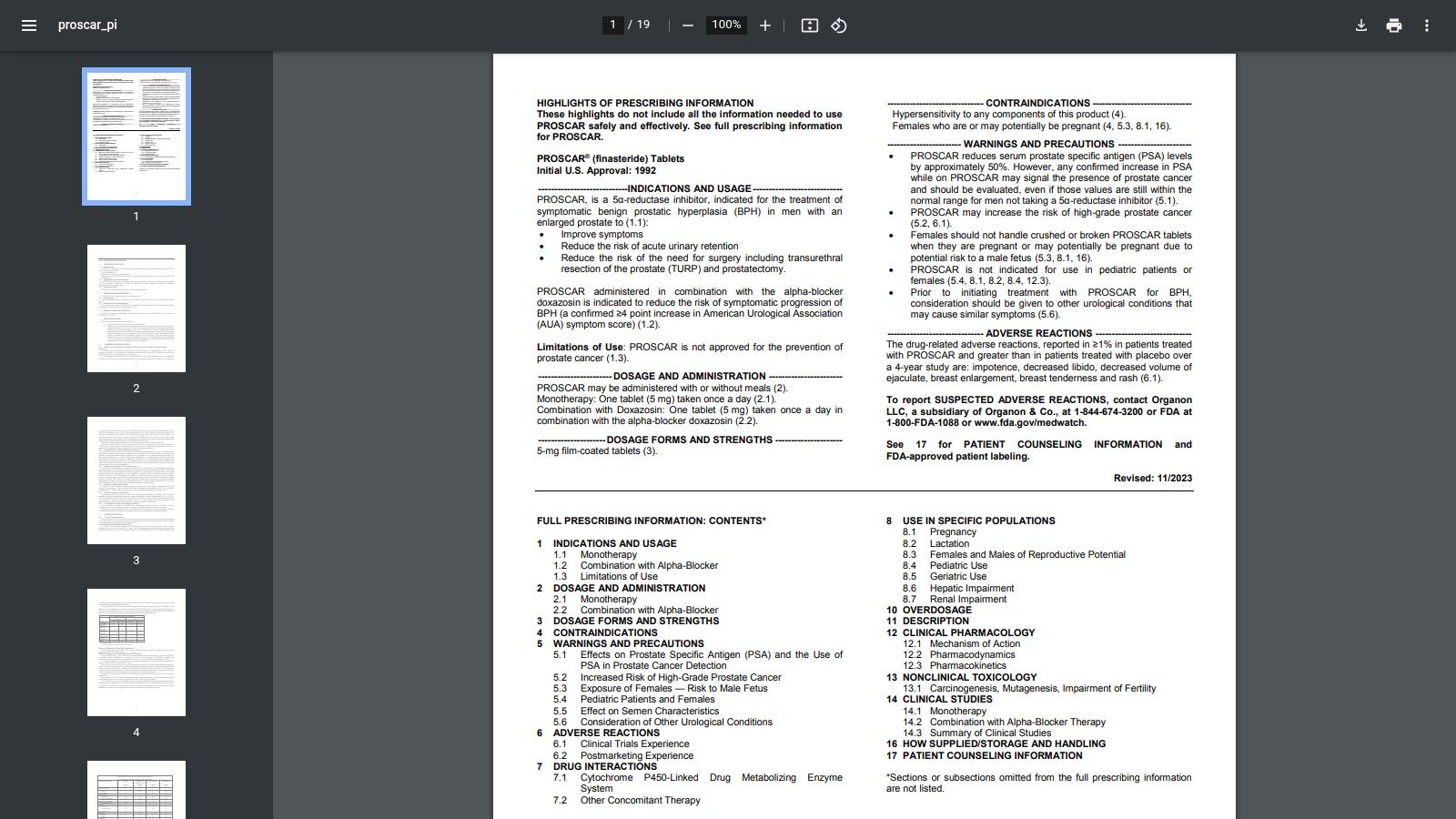
Proscar's place on this list stems from its cost-effectiveness and proven efficacy in combating hair loss when used appropriately. For men experiencing both hair loss and BPH symptoms, it offers a dual-purpose solution. However, it’s crucial to consult with a doctor before considering this route.
Features and Benefits:
- High dose finasteride (5mg): Allows for splitting pills into smaller, more manageable doses for hair loss treatment.
- Dual purpose: Treats both BPH and, off-label, androgenetic alopecia.
- Cost-effective: Significantly cheaper than Propecia, particularly when quartered.
- Well-studied: Extensive research supports the safety and efficacy of finasteride.
Pros:
- Cost Savings: Splitting Proscar tablets can provide substantial cost savings compared to Propecia.
- Similar efficacy: Provides similar hair loss benefits to Propecia at the appropriate dosage.
- Potential dual benefit: Can help manage both hair loss and BPH.
- Established safety profile: Finasteride has been used and studied for many years.
Cons:
- Not FDA-approved for hair loss: Using Proscar for hair loss is considered off-label.
- Requires pill splitting: This can be inconvenient and potentially lead to inaccurate dosing. Pill cutters can improve accuracy.
- Potential side effects: Similar side effects to Propecia, including sexual dysfunction (decreased libido, erectile dysfunction) and decreased ejaculate volume, are possible. The slightly higher dose when quartering might marginally increase this risk, though this is generally considered minimal.
- Requires doctor consultation: Essential to discuss potential benefits and risks with a physician before starting treatment.
Implementation/Setup Tips:
- Consult a doctor: Discuss your hair loss concerns and the possibility of using Proscar with your physician. They can determine if it's a suitable option and advise on the appropriate dosage.
- Use a pill cutter: For accurate and consistent dosing, invest in a good quality pill cutter. This helps ensure you're getting approximately 1mg of finasteride per dose.
- Monitor for side effects: Be aware of the potential side effects and report any concerns to your doctor immediately.
- Be patient: Results from finasteride treatment typically take several months to become noticeable.
Website: https://www.organon.com/product/usa/pi_circulars/p/proscar/proscar_pi.pdf
While Proscar can be a viable and cost-effective option for hair loss, it's crucial to prioritize safety and consult with a doctor before starting treatment. They can help weigh the potential benefits against the risks and determine the most suitable approach for your individual needs.
3. Avodart (Dutasteride 0.5mg)
Avodart, containing 0.5mg of dutasteride, stands as a potent option for men battling hair loss. Unlike finasteride, which inhibits only type II 5-alpha-reductase, dutasteride tackles both type I and II enzymes. This dual inhibition results in a more significant reduction of dihydrotestosterone (DHT), the hormone primarily responsible for male pattern baldness. While Avodart's primary FDA approval is for benign prostatic hyperplasia (BPH), its off-label use for hair loss is common in many countries, and it often garners consideration for men seeking stronger DHT suppression than finasteride can offer.
How Dutasteride Works and its Benefits:
Dutasteride's mechanism of action hinges on blocking the conversion of testosterone to DHT. By inhibiting both types of 5-alpha-reductase, it achieves a 90-95% reduction in serum DHT levels, considerably more than finasteride's 70%. This substantial DHT reduction translates to a higher potential for halting hair loss progression and even promoting regrowth. Studies have shown dutasteride to be superior to finasteride in terms of hair regrowth in some cases. Furthermore, its 5-week half-life offers flexibility in dosing, making occasional missed doses less impactful compared to finasteride's shorter half-life.
Practical Application and Usage:
Avodart is taken as a 0.5mg oral capsule once daily. Typically, it takes 3-6 months to see visible improvements in hair growth. Due to its long half-life, steady-state DHT suppression is achieved gradually. Patients should be advised to adhere to the prescribed dosage and consult their doctor for any concerns.
Comparing Dutasteride to Finasteride:
While both drugs target DHT, dutasteride's dual 5-alpha-reductase inhibition gives it an edge in DHT suppression. This often translates to better results for some men, but also a potentially higher risk of side effects. Finasteride, being a first-line treatment, is generally preferred initially due to its lower side effect profile and lower cost. However, if finasteride proves insufficient, dutasteride becomes a valuable next step.
Pros:
- More potent DHT reduction: Leads to potentially superior hair regrowth compared to finasteride.
- Proven efficacy: Several studies demonstrate its effectiveness in treating male pattern baldness.
- Long half-life: Provides more dosage flexibility and minimizes the impact of missed doses.
- Convenient dosing: Once-daily administration simplifies the regimen.
Cons:
- Not FDA-approved for hair loss in the US: While used off-label, it's important to acknowledge this.
- Higher potential for sexual side effects: These include decreased libido, erectile dysfunction, and ejaculatory issues, affecting approximately 5-7% of users.
- More expensive than generic finasteride: Cost can be a significant factor for some individuals.
- Longer elimination time: Side effects, if they occur, may persist longer after discontinuation compared to finasteride.
Pricing and Availability:
Pricing for Avodart can vary depending on location and insurance coverage. Generic versions of dutasteride may be available in some countries, offering a more affordable option. It's best to consult a physician or pharmacist for specific pricing information.
Important Note: This information is for educational purposes only and does not constitute medical advice. Always consult with a healthcare professional before starting any new medication, especially if you have underlying health conditions or are taking other medications.
4. Generic Finasteride
Generic finasteride 1mg offers a practical and cost-effective solution for men seeking to combat androgenetic alopecia (male pattern baldness). As the bioequivalent to the brand-name drug Propecia, it contains the same active ingredient and delivers the same results at a fraction of the cost. This affordability has made it a popular choice since becoming available after Propecia's patent expired in 2014. It works by inhibiting the 5-alpha-reductase type II enzyme, effectively reducing dihydrotestosterone (DHT) levels in the scalp by about 70%. This reduction in DHT, a hormone that contributes to hair follicle shrinkage, helps to slow down hair loss and can even promote regrowth.
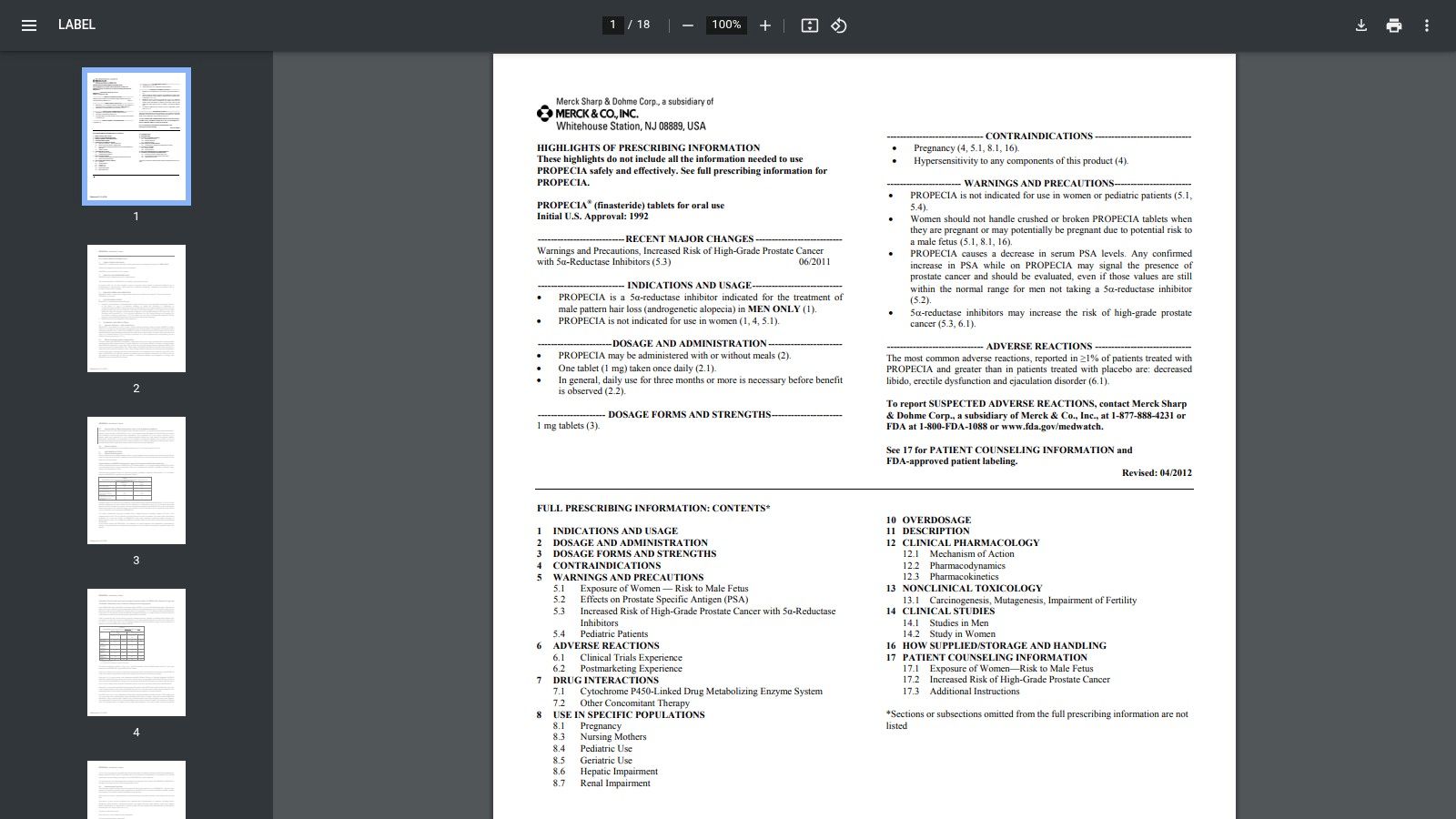
Generic finasteride earns its place on this list because it provides a readily accessible and budget-friendly option for men experiencing hair loss. Its proven efficacy, backed by decades of research and usage data inherited from Propecia, makes it a reliable choice. The typical dosage is one 1mg tablet taken orally once daily. While pricing varies depending on the pharmacy and location, generic finasteride is significantly cheaper than Propecia, often costing a fraction of the brand-name price. You will require a prescription from a doctor to obtain generic finasteride in most countries. This can often be obtained through consultations with a dermatologist, general practitioner, or online telehealth services.
One key advantage of generic finasteride is its wide availability. Multiple manufacturers produce it worldwide, making it easily accessible through various pharmacies and online platforms. When considering generic options, it's important to remember that while the active ingredient is identical, slight variations in inactive ingredients can occur between manufacturers. However, these variations are generally not significant enough to impact effectiveness.
Pros:
- Significantly more cost-effective: A major advantage for many users.
- Same efficacy and safety profile as Propecia: Benefit from the extensive research and clinical trials behind the original drug.
- Widely available: Easily accessible through numerous pharmacies and online services.
- Well-established treatment: Backed by decades of safety and efficacy data.
Cons:
- Less effective than dutasteride: Head-to-head studies suggest dutasteride may offer superior DHT suppression.
- Potential sexual side effects: A small percentage (2-4%) of users may experience side effects like decreased libido, erectile dysfunction, or ejaculatory issues. These are usually reversible upon discontinuation of the medication.
- Not approved for use in women: Finasteride is not safe for women, particularly pregnant women, as it can affect fetal development.
- Slight variations in quality between manufacturers: While rare, minor differences in inactive ingredients can occur.
For more detailed information and the official prescribing information, please refer to the FDA label: https://www.accessdata.fda.gov/drugsatfda_docs/label/2012/020788s020s021s023lbl.pdf
5. Generic Dutasteride
Generic dutasteride offers a potent and cost-effective alternative to both brand-name Avodart and finasteride for men seeking to combat hair loss. Since the expiration of Avodart's patent, generic versions containing the same active ingredient, dutasteride 0.5mg, have become available, offering significant cost savings. Its mechanism of action involves dual inhibition of both type I and type II 5-alpha-reductase enzymes, effectively reducing the conversion of testosterone to dihydrotestosterone (DHT) by approximately 90-95%. This significant DHT reduction is key, as DHT is a primary hormone implicated in male pattern baldness. While primarily indicated for benign prostatic hyperplasia (BPH), growing evidence suggests it may be more effective than finasteride in promoting hair regrowth, leading to its increasing off-label use for this purpose.
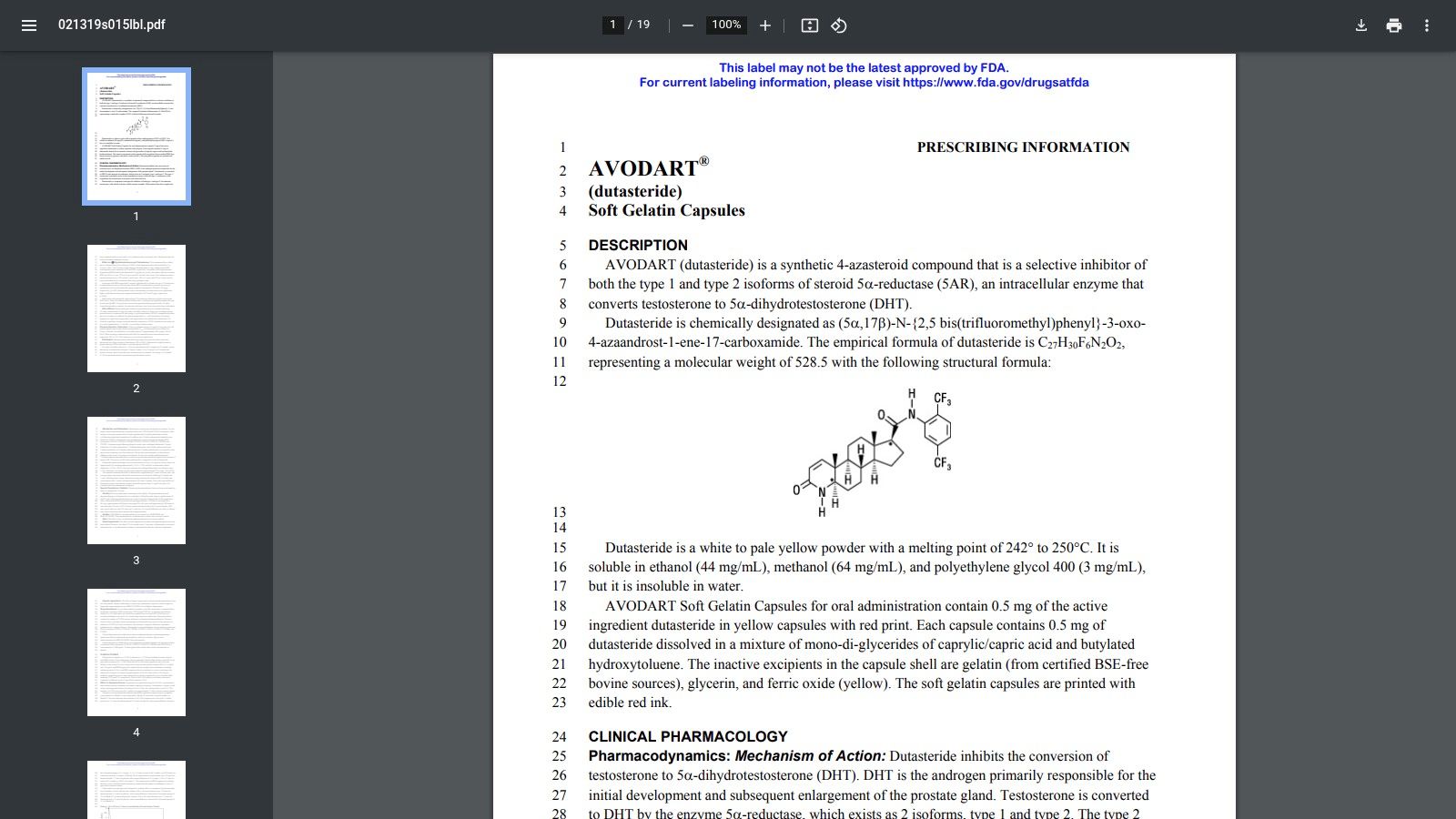
Generic dutasteride deserves its place on this list because it offers a potentially more powerful DHT-blocking action compared to finasteride at a significantly lower cost than the brand-name Avodart. This makes it a compelling option for men who haven't seen satisfactory results with finasteride or are looking for a more affordable solution. The typical dosage is a 0.5mg soft gelatin capsule taken orally once daily. Its long half-life of approximately 5 weeks means consistent DHT suppression with daily dosing.
Key Features and Benefits:
- Dual 5-alpha reductase inhibition: Targets both type I and II enzymes for comprehensive DHT reduction.
- Significant DHT reduction: Reduces serum DHT levels by 90-95%, potentially leading to more effective hair regrowth.
- Cost-effective: Substantially more affordable than brand-name Avodart.
- Convenient dosing: Once-daily oral administration.
- Long half-life: Ensures stable DHT suppression with consistent dosing.
Pros:
- More potent DHT reduction than finasteride: May lead to superior hair regrowth results.
- More cost-effective than brand-name Avodart: Provides the same benefits at a lower price.
- Studies suggest potentially superior hair growth results compared to finasteride: Offers a promising alternative for those seeking better results.
- Long half-life provides stable DHT suppression: Simplifies the treatment regimen with consistent daily dosing.
Cons:
- Not FDA-approved specifically for hair loss: Prescribed off-label, which may vary by physician.
- Higher reported incidence of sexual side effects than finasteride: Potential side effects should be discussed with a doctor.
- Less long-term safety data for hair loss use compared to finasteride: While generally considered safe, long-term effects for hair loss are still being studied.
- Requires prescription: Consultation with a healthcare professional is necessary.
Implementation/Setup Tips:
- Consult a doctor: Discuss your hair loss concerns and medical history with a physician to determine if dutasteride is right for you. Be sure to address any potential side effects and discuss monitoring.
- Adhere to the prescribed dosage: Take the medication as directed by your doctor. Do not alter the dosage without consulting your physician.
- Be patient: Hair regrowth takes time. It may take several months to see noticeable results.
- Monitor for side effects: Report any unusual symptoms to your doctor.
More Information: You can find more information about dutasteride on the FDA website: https://www.accessdata.fda.gov/drugsatfda_docs/label/2008/021319s015lbl.pdf
6. Minoxidil (Rogaine) with Dutasteride
For men experiencing significant hair loss or those who haven't seen satisfactory results with finasteride, the combination of minoxidil (Rogaine) with dutasteride can be a powerful treatment strategy. This approach tackles androgenetic alopecia from two angles: dutasteride reduces the hormonal influence of DHT, while minoxidil directly stimulates hair follicle growth. This combination represents a more aggressive treatment option and may be particularly beneficial for those with advanced hair loss or those looking to maximize their potential for regrowth.
Dutasteride inhibits both type 1 and type 2 5-alpha-reductase enzymes, leading to a 90-95% suppression of DHT, the primary hormone responsible for male pattern baldness. This is significantly greater DHT suppression than finasteride, which only inhibits type 2 and achieves around 70% suppression. Meanwhile, minoxidil, a topical solution or foam, works by widening blood vessels in the scalp and opening potassium channels, leading to improved blood flow and nutrient delivery to hair follicles. This promotes hair growth and helps maintain the existing hair. The typical regimen involves 0.5mg of oral dutasteride once daily, coupled with 5% minoxidil solution or foam applied twice daily to the affected areas.
This combination deserves its place on this list because it offers the potential for superior results compared to finasteride/minoxidil, particularly for non-responders. By addressing both the hormonal and follicle stimulation aspects of hair loss, it provides a comprehensive approach. While limited research directly compares dutasteride/minoxidil to finasteride/minoxidil for hair loss, the greater DHT suppression offered by dutasteride suggests a potential for enhanced outcomes.
Features and Benefits:
- Combined Approach: Combines the most potent oral anti-androgen (dutasteride) with direct follicle stimulation (minoxidil).
- Maximum DHT Suppression: Dutasteride provides 90-95% DHT suppression, addressing the root hormonal cause of male pattern baldness more effectively than finasteride.
- Direct Growth Stimulation: Minoxidil directly stimulates hair follicles, improving blood flow and nutrient delivery.
- Potential for Superior Results: May offer better outcomes compared to the finasteride/minoxidil combination, especially for those with advanced hair loss or who are unresponsive to finasteride.
Pros:
- Potentially superior results compared to finasteride/minoxidil.
- May be effective for finasteride non-responders.
- Addresses both hormonal causes and direct follicle stimulation, offering synergistic benefits.
Cons:
- Higher risk of sexual side effects compared to finasteride combinations (although still relatively low). These can include decreased libido, erectile dysfunction, and ejaculatory issues.
- More expensive than other treatment options. Dutasteride is generally more expensive than finasteride.
- Less long-term safety data specifically regarding hair loss treatment. Dutasteride is FDA-approved for benign prostatic hyperplasia (BPH), but its use for hair loss is considered "off-label." Discuss potential long-term implications with your doctor.
- Requires a prescription for dutasteride specifically for hair loss, which some doctors may be hesitant to prescribe.
Implementation Tips:
- Consult with a dermatologist or a doctor specializing in hair loss. They can assess your specific condition, discuss potential risks and benefits, and determine the most appropriate treatment plan.
- Be patient and consistent. Results may take several months to become noticeable.
- Monitor for potential side effects and report any concerns to your doctor.
Pricing:
Pricing varies depending on location and supplier. Minoxidil (Rogaine) is available over-the-counter and costs around $30-$60 for a month's supply. Dutasteride requires a prescription and is typically more expensive than finasteride, potentially costing $50-$150 per month. Check with your local pharmacy or online suppliers for current pricing.
Website: https://www.rogaine.com/ (For information on Minoxidil/Rogaine – note that this website does not provide information on dutasteride). You'll need to consult a doctor for a dutasteride prescription.
6-Point Hair Loss Medication Comparison
| Treatment | Key Features ✨ | Effectiveness ★ | Value Proposition 💰 | Target Audience 👥 |
|---|---|---|---|---|
| Propecia (Finasteride 1mg) | FDA-approved, 1mg daily, reduces scalp DHT ~70% | Proven efficacy; slows hair loss | Long track record; requires continuous use | Men with early/moderate hair loss |
| Proscar (Finasteride 5mg) | 5mg dose, off-label use by splitting, similar mechanism | Comparable to Propecia when properly dosed | More budget-friendly via pill splitting | Men seeking cost-effective alternatives |
| Avodart (Dutasteride 0.5mg) | Dual enzyme inhibition, 0.5mg daily, reduces DHT ~90-95% | Superior DHT suppression; potent | Premium option; higher cost despite high potency | Men with advanced hair loss |
| Generic Finasteride (1mg) | Bioequivalent to Propecia, 1mg tablet, widely available | Same proven results as Propecia | Highly affordable and accessible | Cost-conscious men |
| Generic Dutasteride (0.5mg) | Dual inhibition similar to Avodart, 0.5mg capsule | High potency; effective DHT reduction | More cost-effective alternative to Avodart | Men seeking potent DHT suppression |
| Minoxidil + Dutasteride | Combo of topical 5% minoxidil & 0.5mg dutasteride, synergistic | Enhanced results; effective for non-responders | Aggressive approach; higher expense | Men with advanced hair loss or non-responders |
Choosing Your Best Hair Loss Strategy
This article has explored various pharmaceutical options for managing hair loss, including finasteride (Propecia, Proscar, and generic versions) and dutasteride (Avodart and generic versions), along with combination therapies like minoxidil with dutasteride. We’ve highlighted key differences in dosage, cost, and potential side effects, empowering you to make more informed decisions about your hair loss journey. Remember, the most effective approach is often personalized.
One of the crucial takeaways is understanding the distinctions between finasteride and dutasteride. While both inhibit DHT, a hormone implicated in hair loss, dutasteride does so more potently. This can translate to potentially greater hair regrowth for some individuals, but it's essential to weigh the potential benefits against possible side effects. Cost is another important factor; generic versions of both medications often provide a more affordable option. Finally, combining medications like minoxidil with dutasteride can create a synergistic effect for improved results.
Beyond these medications, other promising treatments exist. For those exploring alternative or supplementary treatments for hair loss, regenerative medicine like cell-based therapy may offer potential benefits by harnessing the body’s natural healing processes.
While this information provides a valuable starting point, it’s paramount to consult a medical professional specializing in hair loss for personalized advice. They can accurately assess your specific condition, discuss potential risks and benefits associated with each option, and recommend the most suitable treatment strategy for you.
In addition to the medications discussed, consider exploring PRP therapy, a cutting-edge treatment involving platelet-rich plasma injections to stimulate hair growth. By exploring all available options and receiving expert guidance, you can take proactive steps toward achieving your hair restoration goals. Want to discover if PRP is right for you? Learn more about the potential benefits of PRP For HairLoss, a promising complementary therapy that can be used alongside medications like finasteride or dutasteride for a comprehensive approach to hair restoration.

 PRP For Hairloss
Leave a comment