Understanding the Science of Male Hair Thinning
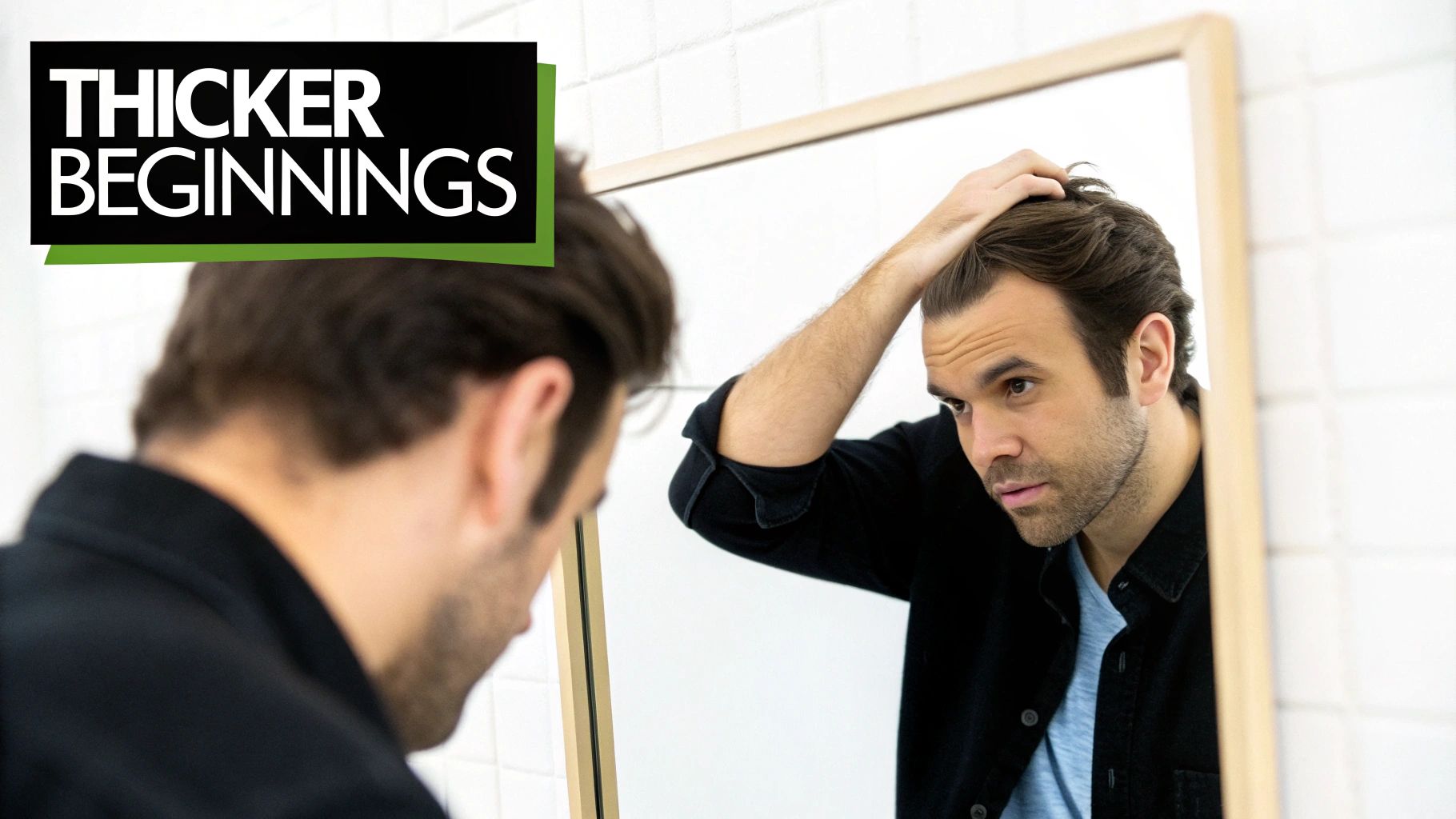
Before exploring how to thicken hair, it's essential to understand why men's hair thins in the first place. This knowledge forms the basis for selecting the most appropriate approach for your individual needs. This section explores the biological processes behind male pattern baldness, differentiating it from temporary hair loss.
The Role of DHT
A primary factor in male hair loss is dihydrotestosterone (DHT). This hormone, derived from testosterone, interacts with genetically predisposed hair follicles. DHT binds to specific receptors on these follicles, causing them to shrink gradually.
This shrinking process, known as miniaturization, reduces the hair's growth cycle. As a result, hairs become progressively thinner and finer with each cycle, ultimately leading to noticeable thinning and potentially baldness.
Genetics and Lifestyle
While genetics significantly predispose men to hair loss, lifestyle factors can influence both its onset and how it progresses. For instance, a diet lacking essential nutrients can weaken hair follicles. This makes them more susceptible to the effects of DHT.
Similarly, chronic stress can disrupt hormone balance, potentially worsening hair thinning. Even with a genetic predisposition, a healthy lifestyle can significantly impact how your hair ages over time.
It's estimated that by age 50, approximately 85% of men will experience noticeable hair thinning, with a substantial portion starting much earlier. About 25% of men begin experiencing hair loss due to male pattern baldness before they turn 21. This highlights the importance of early intervention. Find more detailed statistics here
Stages of Hair Loss
Male pattern baldness usually follows a predictable course. It typically starts with a receding hairline at the temples, followed by thinning at the crown.
As these areas progress, they may eventually merge, resulting in more widespread hair loss. Recognizing these early signs is crucial. Intervention is typically most successful during the initial stages of thinning.
Nutrition Strategies That Actually Grow Thicker Hair

The journey to thicker hair for men begins with what you eat. Your diet directly impacts the health and strength of your hair follicles. This section explores the nutritional strategies that genuinely fuel hair growth, cutting through the misinformation and focusing on science-backed advice. This isn't about strict dieting; it's about smart food choices that support your hair goals.
The Building Blocks of Healthy Hair
Hair is primarily composed of keratin, a protein built from the amino acids you get from your diet. Adequate protein intake is therefore essential for hair growth and thickness. However, not all protein is equal. Complete proteins, found in meat, poultry, and fish, provide all the essential amino acids required for keratin production.
Beyond protein, certain micronutrients play vital roles. Iron deficiency, for example, can contribute to hair shedding and thinning. Zinc is another key nutrient, essential for hair follicle development and repair. Choosing foods rich in these nutrients strengthens hair from within.
Understanding these building blocks is the first step toward a healthier, thicker head of hair. By incorporating the right nutrients, you're giving your body the tools it needs to build strong, vibrant hair.
Essential Fatty Acids and Hair Integrity
Omega-3 fatty acids, found in fatty fish like salmon and flaxseed, are vital for maintaining the health of cell membranes, including those in your hair follicles. These healthy fats contribute to scalp health, boosting shine and elasticity, which gives hair a thicker, fuller appearance.
Vitamins also play a crucial role. Vitamin D is important for hair follicle cycling, while B vitamins, especially biotin, support healthy hair growth. Ensuring you get enough of these vitamins can significantly impact your hair's thickness and overall health.
The Global Picture of Hair Loss
Interestingly, male hair loss rates vary dramatically around the world. Studies indicate over 44% of men in Spain, Italy, and France experience hair loss, compared to lower rates in countries like Indonesia, around 26.96%. Even in the United States, approximately 42.68% of men experience hair loss. This highlights the interplay of genetics, lifestyle, and environmental factors on hair health. You can explore more detailed statistics here: https://medihair.com/en/statistics-47-countries-with-the-most-bald-men/
Understanding these global patterns can provide context for your own hair journey. While genetics plays a role, lifestyle choices, including nutrition, can significantly impact your hair's health.
Timing Your Nutrition for Optimal Results
While what you eat is fundamental, when you eat also matters. Distributing your protein intake evenly throughout the day provides a steady supply of amino acids for hair synthesis. Pairing protein-rich foods with complex carbohydrates helps regulate blood sugar, optimizing nutrient delivery to hair follicles.
Hydration is also crucial for overall health, including the health of your hair. Water transports nutrients to the scalp and follicles, promoting healthy growth. Prioritizing sufficient water intake is a simple but effective way to contribute to thicker hair.
To help you make informed choices, let's take a closer look at some essential nutrients for hair growth:
Understanding how these nutrients function and where to find them can empower you to take control of your hair health.
Essential Nutrients for Hair Growth
| Nutrient | Function for Hair | Food Sources | Daily Recommendation |
|---|---|---|---|
| Protein | Builds keratin, the structural protein of hair | Meat, poultry, fish, eggs, beans, lentils | Varies based on individual needs, but generally 0.8 grams per kilogram of body weight |
| Iron | Carries oxygen to hair follicles | Red meat, spinach, beans | 8 mg for men over 50, 18 mg for men under 50 |
| Zinc | Supports hair follicle development and repair | Oysters, beef, pumpkin seeds | 11 mg |
| Omega-3 Fatty Acids | Contributes to scalp health and hair elasticity | Salmon, flaxseed, walnuts | No official RDA, but 1.6 grams per day for men is often recommended |
| Vitamin D | Plays a role in hair follicle cycling | Fatty fish, fortified milk, egg yolks | 600 IU |
| Biotin (Vitamin B7) | Supports healthy hair growth | Eggs, nuts, seeds | 30 mcg |
By focusing on these key nutrients and timing your intake effectively, you can leverage the power of nutrition to achieve your hair thickness goals. Remember, consistency is key. Making these dietary changes a regular part of your routine can lead to long-term improvements in your hair health.
The Hair Care Routine That Changed Everything
Many men unknowingly damage their hair's thickness through daily hair care practices. This section, based on advice from leading stylists specializing in thinning hair, will help you rebuild your routine for maximum thickness. We'll explore how everyday choices, from the shampoo you use to how you dry your hair, can significantly impact your hair's overall health and fullness.
Rethinking Your Shampoo Strategy
Most commercial shampoos use harsh detergents that strip the scalp of its natural oils, known as sebum. Sebum is essential for maintaining hair health and hydration. This stripping action can lead to dryness, breakage, and ultimately, the appearance of thinner hair. Choosing a gentle, sulfate-free shampoo is the first step toward a healthier scalp and thicker-looking hair.
Look for shampoos designed for thinning hair. These often contain ingredients that nourish the scalp and strengthen hair follicles. How often you wash your hair also plays a vital role. Washing too often can further deplete sebum, increasing dryness and breakage.
Finding the right balance depends on your hair type and lifestyle. Generally, washing every other day, or even less often, can create a healthier scalp environment.
The Importance of Water Temperature and Drying Techniques
Water temperature has a significant impact on hair health. Hot water can strip away sebum and make hair brittle, contributing to breakage and thinning. Lukewarm water is best for cleansing the scalp and hair without over-drying. This small change can make a noticeable difference in your hair's appearance and feel.
After washing, avoid vigorously rubbing your hair with a towel. This friction can cause breakage and contribute to thinning. Gently patting your hair dry or using a microfiber towel minimizes damage and helps maintain thickness.
Likewise, minimizing heat styling tools, like blow dryers, helps prevent stress on hair follicles. Air drying is the gentlest option. If you need a blow dryer, use the cool setting and hold the dryer further away from your hair to minimize heat damage.
Scalp Stimulation for Activated Follicles
Scalp stimulation increases blood flow to the hair follicles, delivering nutrients and promoting healthy growth. You can achieve this through regular scalp massages, either with your fingertips or a scalp massager. This simple practice easily integrates into any hair care routine.
Think of it as exercise for your scalp. Increased blood flow delivers more oxygen and nutrients to the hair follicles, encouraging healthier, thicker hair growth.
Different hair types and thinning patterns may benefit from specific products and techniques. Consulting a stylist who specializes in thinning hair can provide personalized guidance. They can recommend products and techniques tailored to your needs and hair thickness goals.
For example, volumizing products can add immediate thickness to fine hair. Those experiencing more advanced thinning may benefit from targeted scalp treatments. This isn't about quick fixes; it's about building a sustainable routine for long-term hair health and thickness. Addressing the root causes of thinning hair and adopting these changes can set you on the path to thicker, fuller hair.
Medical Interventions That Actually Deliver Results

While lifestyle adjustments and a solid hair care routine are important for promoting hair thickness, sometimes medical intervention is necessary for truly optimal results. This section explores the science-backed medical treatments available for men looking to achieve thicker hair. It’s about understanding how these treatments function, their potential advantages, and setting realistic expectations.
FDA-Approved Treatments: Finasteride and Minoxidil
Two medications have received FDA approval for treating male pattern baldness: finasteride and minoxidil. Finasteride, taken orally, inhibits the conversion of testosterone to DHT, a hormone largely responsible for shrinking hair follicles. By reducing DHT levels, finasteride helps slow or even stop hair loss.
Minoxidil, applied topically, works differently. It’s believed to widen blood vessels in the scalp, which increases blood flow and nutrient supply to the hair follicles. This, in turn, promotes hair growth and helps thicken existing hair.
While these treatments can be very effective, they do have some important considerations. For instance, some men experience side effects with finasteride, despite its effectiveness in reducing hair loss. Similarly, minoxidil needs to be applied consistently for optimal results.
Emerging Treatments: Low-Level Laser Therapy (LLLT) and PRP
Beyond these established treatments, new therapies are gaining recognition. Low-Level Laser Therapy (LLLT) utilizes specific light wavelengths to stimulate hair follicles and encourage growth. While the precise mechanisms aren't completely clear, LLLT may improve cellular function and reduce scalp inflammation.
Platelet-Rich Plasma (PRP) therapy represents another promising treatment. This involves injecting a concentrated solution of platelets, taken from the patient's own blood, into the scalp. The growth factors present in these platelets are thought to stimulate hair follicle activity and encourage new hair growth. PRP treatments offered at clinics, like those featured on PRP For HairLoss, offer a promising path to restoring hair thickness. You can explore more information about PRP and other hair loss solutions by visiting their site.
The hair loss treatment market continues to expand. By 2030, it is projected to reach USD 88.18 billion, growing at an annual rate of 6.72%. The market size in 2022 was already at USD 52.37 billion. Finasteride remains the most commonly prescribed treatment for hair loss, utilized by around 66.4% of patients. Find more detailed statistics here
Choosing The Right Treatment and Monitoring Progress
The most appropriate medical intervention for each individual varies depending on several factors. These include the current stage of hair loss, overall health, and personal preferences. Consulting a dermatologist or a hair restoration specialist is essential for devising the most suitable treatment strategy.
To understand the varying options, the following table compares several of the most popular hair thickening treatments.
Comparison of Hair Thickening Treatments
| Treatment | Effectiveness | Timeline for Results | Average Cost | Side Effects | Commitment Level |
|---|---|---|---|---|---|
| Finasteride | Can slow or stop hair loss | 3-6 months | $20-$50/month | Potential sexual side effects, decreased libido | Daily pill |
| Minoxidil | Can stimulate hair growth and thicken existing hair | 4-12 months | $20-$60/month | Scalp irritation, unwanted hair growth in other areas | Twice daily application |
| Low-Level Laser Therapy (LLLT) | May promote hair growth and improve scalp health | 6-12 months | $200-$600+ for device, ongoing use | Few reported side effects | Regular use of device |
| Platelet-Rich Plasma (PRP) | May stimulate hair follicle activity and promote new growth | 3-6 months | $500-$2,000 per session, multiple sessions often needed | Mild pain and swelling at injection site | Multiple treatments required |
This table provides a basic overview; consulting with a medical professional is crucial for personalized advice.
No matter which treatment is selected, monitoring progress is paramount. This includes keeping track of hair shedding, regularly photographing changes in hair density, and maintaining open communication with your healthcare provider. This diligent monitoring allows for adjustments to the treatment plan as needed.
The Importance of Consulting With Healthcare Providers
Medical interventions can be powerful tools for thickening hair. However, these treatments aren't a one-size-fits-all solution. A thorough consultation with a knowledgeable healthcare provider is essential. This personalized assessment of your hair loss situation leads to a tailored treatment plan. Openly discussing your goals, concerns, and any potential side effects ensures a safe and effective approach to healthier, thicker hair.
Lifestyle Shifts That Transform Hair Thickness
Beyond nutrition and hair care products, your daily habits significantly influence hair thickness. This section explores the often-overlooked lifestyle factors that directly impact hair follicle health and growth. We'll examine how managing stress, prioritizing sleep, and incorporating regular exercise contributes to a thicker, fuller head of hair. These aren’t general wellness tips; they’re targeted strategies with direct biological links to hair thickness.
Stress Management for Healthy Hair Follicles
Chronic stress elevates cortisol, a hormone known to disrupt the hair growth cycle. High cortisol can prematurely push hair follicles into a resting phase, leading to increased shedding and thinner hair. Therefore, managing stress effectively is vital for maintaining healthy hair growth. This could involve techniques like mindfulness, meditation, or regular physical activity.
Even simple breathing exercises can make a difference. By regulating cortisol levels, you create a more conducive environment for healthy hair growth. For example, just 10 minutes of daily mindfulness practice can significantly reduce stress hormones and help prevent premature hair follicle resting.
Sleep Optimization for Enhanced Blood Flow
Quality sleep is crucial for overall health, including the health of your hair. During deep sleep, your body releases growth hormone, vital for tissue repair and regeneration, including within hair follicles. Adequate sleep also ensures sufficient blood flow to the scalp, delivering essential nutrients to those hair follicles.
Prioritizing enough restful sleep directly contributes to thicker hair. Even your sleep position matters! Sleeping on your stomach can restrict blood flow to the scalp. Try sleeping on your back or side to optimize circulation and nutrient delivery to your hair follicles.
Exercise and Growth Factors for Thicker Hair
Regular exercise provides numerous benefits for hair thickness. Physical activity further improves blood circulation, ensuring optimal nutrient supply to the scalp. Certain exercises, like resistance training, also boost testosterone levels. While DHT, derived from testosterone, can negatively affect susceptible follicles, maintaining healthy testosterone is generally beneficial for overall hair health.
Exercise also helps regulate stress hormones, indirectly supporting healthy hair growth. This doesn't require becoming a bodybuilder. Moderate-intensity workouts, such as brisk walking or cycling, can already significantly improve circulation and contribute to thicker hair.
By understanding how these lifestyle elements affect your hair, you can implement targeted changes. Remember, it's not about drastic overhauls. Small, consistent steps toward stress management, better sleep, and regular exercise lead to long-term benefits for both your hair and overall well-being. Seeing improvements in sleep quality, reduced stress, and increased energy are positive signs that these changes are benefiting your hair too.
Master Styling Techniques for Instant Thickness
While working to improve your hair health from the inside out takes time, smart styling can create the illusion of thicker hair right now. This section explores professional styling strategies for men experiencing thinning hair. These techniques aren't about comb-overs; they're about creating natural-looking styles that maximize volume and coverage.
The Right Haircut: Maximizing Perceived Density
The foundation of any great hairstyle for thinning hair is a good haircut. Some cuts create an illusion of fullness, while others can emphasize thin areas. Shorter haircuts generally work better for thinning hair, as longer hair tends to weigh itself down, exposing more of the scalp.
Here are some haircut specifications to discuss with your barber:
-
Layered Cuts: Layers add volume and texture, making hair appear thicker. This is especially effective for men with thinning on the top.
-
Textured Cuts: Choppy ends and textured styles disrupt the appearance of uniform thinning, creating a fuller look.
-
Avoiding Buzzwords: Terms like "thinning shears" can be counterproductive. These shears, while designed to reduce bulk, can sometimes make hair appear thinner. Clearly communicate your goal of maximizing thickness with your barber.
Product Power: Choosing the Right Styling Aids
Styling products designed for thinning hair can dramatically improve your look. These products often contain ingredients that add volume and texture without weighing hair down. However, using too much product can have the opposite effect, making hair appear limp and greasy.
-
Volumizing Mousse or Spray: These products add lift at the roots, creating an illusion of fullness.
-
Hair Fibers: Keratin hair fibers can instantly camouflage thin areas by clinging to existing hairs, making them appear thicker.
-
Matte Clay or Paste: These provide texture and hold without the greasy sheen that can highlight thinning.
Direction-Based Styling: Strategically Covering Thin Areas
The direction you style your hair can significantly impact how thick it appears. By training your hair to lie in certain directions, you can conceal thinner areas and create the illusion of more volume. This can be achieved by:
-
Blow-drying: Direct the airflow of your blow dryer to create volume and lift at the roots.
-
Combing and Brushing: Style your hair strategically to cover thinner areas, creating a natural look.
Communicating With Your Barber: Getting the Cut You Want
Clear communication with your barber is essential for a haircut that maximizes your hair's thickness potential. Instead of vague terms, focus on describing the desired outcome:
-
"I want a cut that makes my hair look as thick as possible."
-
"I'm concerned about thinning on top. What cut would you recommend to add volume in that area?"
-
Show Pictures: Bring photos of hairstyles you like and think would work well with your hair type and thinning pattern.
By combining the right haircut, appropriate styling products, and strategic styling techniques, you can create the appearance of thicker hair, boosting your confidence while pursuing long-term hair health solutions. For a more permanent solution to hair thinning, consider PRP therapy. PRP For HairLoss offers comprehensive information on this treatment and its potential to restore hair thickness. Learn more by visiting their website.

 PRP For Hairloss
Leave a comment