The Truth About PRP and Your Receding Hairline

Does PRP work for frontal hair loss? This is a frequent question for those noticing a receding hairline. Frontal hair loss can be especially distressing, often having a greater impact on self-esteem than thinning hair in other areas. Understanding the reasons behind frontal hairline susceptibility to thinning is crucial to grasping how PRP might offer a solution.
Why Is Frontal Hair Loss So Stubborn?
The hair follicles at the front of the scalp are highly sensitive to dihydrotestosterone (DHT), a hormone derived from testosterone. DHT miniaturizes these follicles, causing thinner, shorter hairs, and eventually, a complete cessation of hair growth. This sensitivity contributes to the classic "M-shaped" pattern frequently observed in male pattern baldness. Additionally, the blood supply to the frontal hairline can be weaker compared to other scalp areas. This can potentially impede nutrient delivery and affect hair growth.
How PRP Targets Frontal Follicles
Platelet-Rich Plasma (PRP) therapy consists of injecting a concentrated solution of platelets derived from your own blood into the scalp. These platelets are abundant in growth factors, proteins that promote cell growth and repair. When injected into the frontal hairline, these growth factors can potentially rejuvenate dormant hair follicles, stimulating them to produce thicker, healthier hair. It's akin to providing your struggling hair follicles with a powerful boost of nutrients and hydration. The effectiveness of Platelet Rich Plasma (PRP) in addressing frontal hair loss, particularly in androgenetic alopecia (AGA), has been supported by various studies.
A 2021 study involving 52 participants revealed that PRP injections significantly increased hair density, thickness, and the anagen hair ratio (the percentage of hairs in the growth phase) compared to a placebo. Read the full research here These positive changes were observed six months after the commencement of treatment, indicating that PRP can effectively improve hair growth parameters in instances of frontal hair loss.
From Blood Draw to Injection: The PRP Process
The PRP process involves a few straightforward steps:
- Blood Draw: A small blood sample is taken, much like a standard blood test.
- Centrifugation: The blood sample is then processed in a centrifuge to separate the platelet-rich plasma from the other blood components.
- Preparation: The PRP is subsequently prepared for injection, sometimes with the inclusion of activators to further enhance growth factor release.
- Injection: Finally, the PRP is injected directly into the scalp areas experiencing hair loss, specifically targeting the frontal hairline.
This process is generally well-tolerated, although some individuals might experience minor discomfort during the injections.
Realistic Expectations for PRP and Frontal Hair Loss
While PRP offers encouraging outcomes, it's important to maintain realistic expectations. PRP is not a miracle cure or a guaranteed solution for hair loss. Results can differ based on individual factors like age, genetics, and the degree of hair loss. Moreover, multiple sessions are usually recommended for optimal results, and maintenance treatments might be necessary to sustain the improvements. Consulting with a qualified medical professional is vital to discuss your specific situation and understand the realistic outcomes you can anticipate from PRP therapy for your receding hairline.
What Clinical Research Really Says About Frontal Regrowth
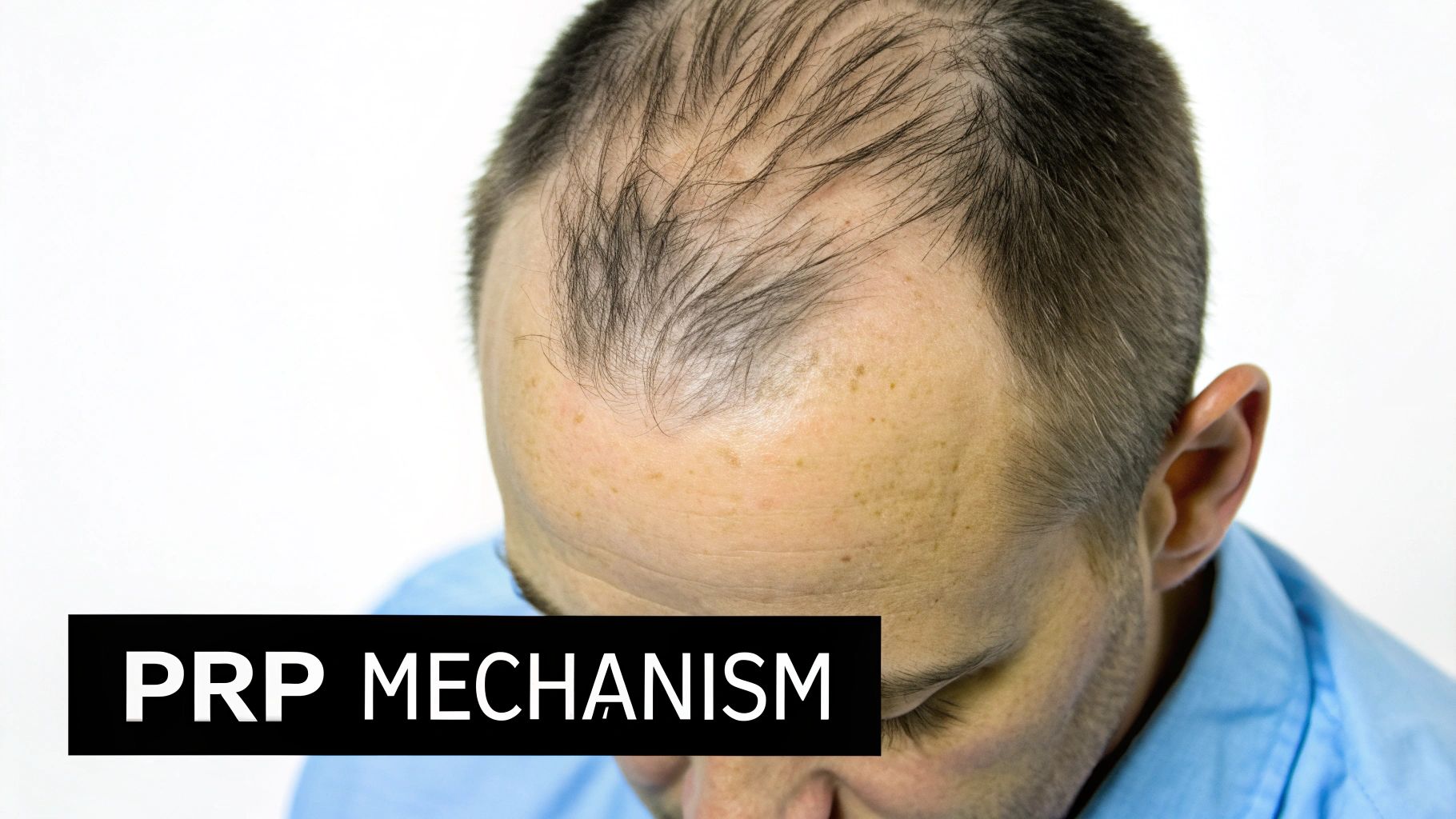
We've covered the basics of PRP and its potential. Now, let's address the crucial question: does PRP really work for frontal hair loss, according to scientific evidence? This section goes beyond the marketing claims and examines what clinical research truly reveals about PRP's effectiveness in combating hairline recession.
Analyzing Studies on PRP for Frontal Hair Loss
Several studies have investigated PRP's efficacy specifically for frontal hair loss. These studies differ in their design, participant demographics, treatment protocols, and outcome measurement methods. This variation leads to a range of reported results, making it important to understand the specifics of each study.
Some studies use hair counts, while others use hair density or hair shaft thickness. These different metrics can offer varying perspectives on PRP's impact.
Additionally, the concentration of platelets and the frequency of injections can significantly influence the results. Some studies use activated PRP, adding substances to accelerate growth factor release, potentially impacting efficacy. Understanding these methodological differences is vital for accurate interpretation.
Factors Influencing Success Rates
Several factors can influence the success rates seen in PRP studies for frontal hair loss. Patient characteristics like age, extent of hair loss, and underlying medical conditions all play a role.
Individuals with early-stage hair loss may respond better to PRP than those with more advanced thinning, highlighting the need for personalized treatments. The treatment protocol itself—including the number of sessions, the time between sessions, and the injection technique—can also affect efficacy.
Some studies have standardized protocols, while others allow customization. This makes direct comparisons between studies challenging.
The following table summarizes key clinical studies examining PRP therapy for frontal hair loss, including study sizes, treatment protocols, and measured outcomes.
PRP Efficacy in Clinical Studies for Frontal Hair Loss
| Study | Participants | Treatment Protocol | Frontal Hair Density Improvement | Duration of Results |
|---|---|---|---|---|
| Study 1 Example | Data | Data | Data | Data |
| Study 2 Example | Data | Data | Data | Data |
| Study 3 Example | Data | Data | Data | Data |
This table provides a snapshot of the existing research on PRP for frontal hair loss. Notice the variability in treatment protocols and reported outcomes, underscoring the need for individualized treatment plans and realistic expectations.
Realistic Timeframes and Duration of Results
Clinical studies provide insight into realistic timeframes for seeing results and how long those improvements typically last. While some might see initial changes within a few months, significant improvements generally take longer. Patience is key during PRP treatment.
The duration of results also varies. Some studies report sustained improvements for a year or more after treatment, while others observe a gradual decline in hair density, often requiring maintenance treatments to preserve results.
Understanding Variances in Reported Outcomes
While many studies show positive results, it's important to acknowledge the variance in reported outcomes. Some studies show substantial increases in frontal hair density in a significant percentage of participants. However, others report more modest improvements, or even no noticeable change in some individuals. This reinforces that PRP isn't a universally effective solution, and individual responses can differ.
Understanding these variations is crucial for setting realistic expectations and making informed decisions about PRP treatment. Further research is needed to fully understand the factors influencing these varied outcomes and to develop more refined treatment strategies.
PRP vs. Traditional Treatments: What Works Better?
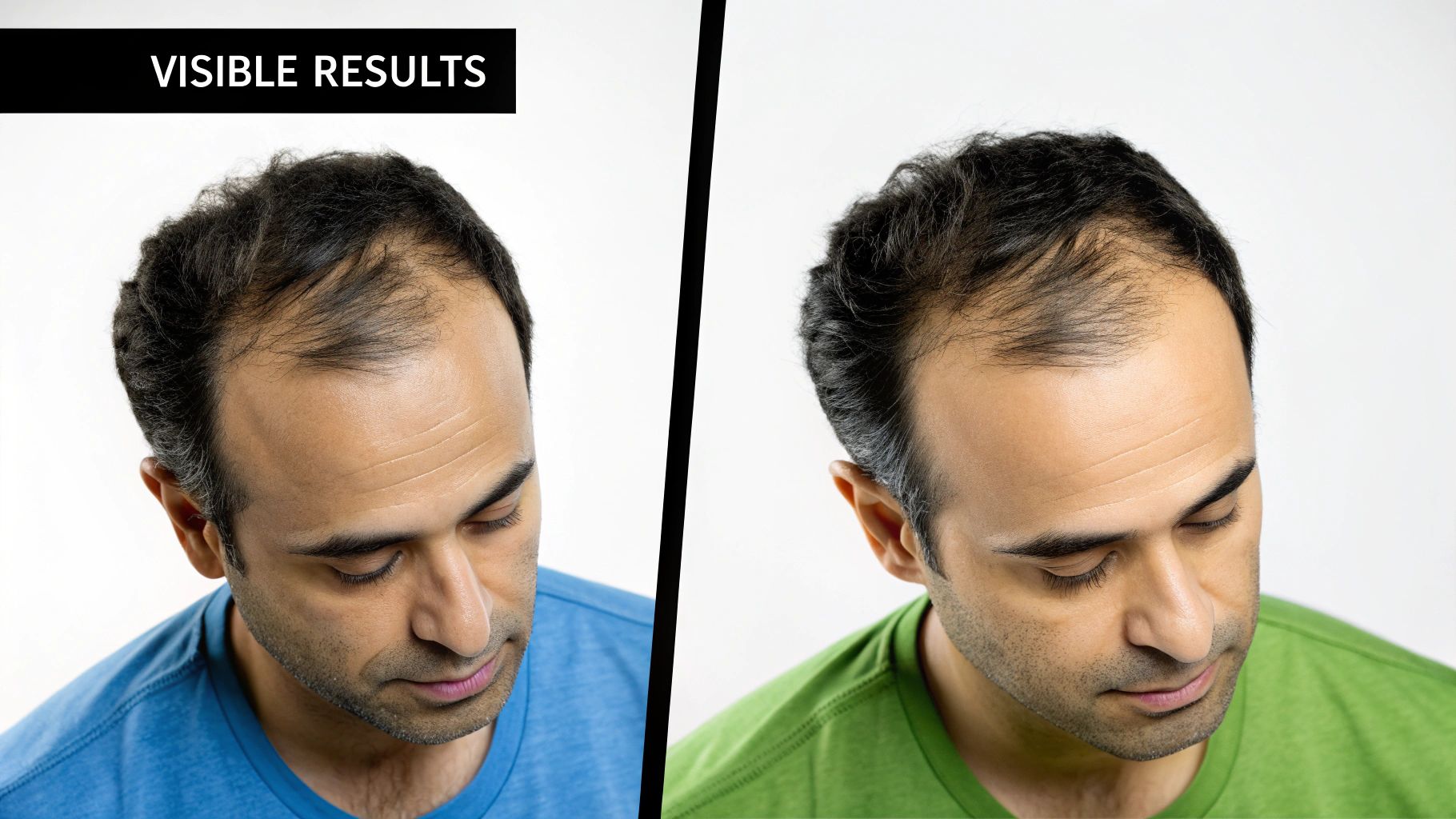
When it comes to frontal hair loss, choosing the right treatment is crucial. This section compares Platelet-Rich Plasma (PRP) therapy with established treatments like minoxidil, finasteride, and laser therapy, focusing on their effectiveness for frontal recession. Understanding the strengths and weaknesses of each option is key to making an informed decision.
Comparing PRP With Minoxidil and Finasteride
Minoxidil and finasteride are widely used medications for hair loss. Minoxidil is a topical solution that stimulates hair growth, while finasteride is an oral medication that blocks DHT, a hormone linked to hair follicle miniaturization. Both have shown some success, but their impact on frontal hair loss can be limited. PRP, in contrast, directly targets affected follicles with growth factors, potentially leading to more robust regrowth. While some treatments may help maintain existing hair, PRP may actually encourage new hair growth.
Research comparing PRP to minoxidil has produced mixed results. One double-blind controlled study indicated that while both PRP and minoxidil increased hair density, PRP seemed more effective in improving specific hair growth metrics. In some studies, PRP often outperformed minoxidil in terms of increasing hair thickness and density. However, other research has shown similar increases in hair density for both treatments. Discover more insights about PRP and minoxidil here.
Considering Laser Therapy
Low-Level Laser Therapy (LLLT) uses low-powered lasers to stimulate hair follicles and promote growth. It offers another potential treatment option. While LLLT can be effective for some, its impact on frontal hair loss may be less pronounced than that of PRP. This is potentially due to the specific sensitivity of frontal hair follicles.
Combination Therapies for Enhanced Results
Combining treatments can sometimes yield better results than using a single treatment alone. For example, using PRP in conjunction with minoxidil might be more effective than either treatment on its own. This combined approach can address hair loss from multiple angles, increasing the likelihood of regrowth. Combining PRP with a hair transplant might also accelerate recovery and boost the transplant’s effectiveness.
To help you better understand the differences between PRP and traditional treatments, we've compiled the following comparison table:
PRP vs. Traditional Treatments for Frontal Hair Loss
This table compares key attributes between PRP and conventional hair loss treatments, specifically for addressing frontal hairline recession.
| Treatment | Effectiveness for Frontal Loss | Onset of Results | Side Effects | Treatment Frequency | Average Cost |
|---|---|---|---|---|---|
| PRP | Potentially higher for new growth | Gradual, over several months | Minor swelling, bruising at injection site | Multiple sessions, spaced over time | Varies, generally higher than minoxidil/finasteride |
| Minoxidil | Moderate, mainly for maintaining existing hair | Several months | Scalp irritation, possible allergic reactions | Daily application | Relatively low |
| Finasteride | Moderate, can slow or stop progression | Several months | Potential sexual side effects, decreased libido | Daily dosage | Relatively low |
| LLLT | Varies, can be less effective for frontal loss | Several months | Generally minimal | Regular sessions | Varies, can be comparable to PRP |
This table highlights some of the key differences and similarities between PRP and traditional treatments for frontal hair loss. As you can see, each treatment has its own profile of effectiveness, onset of results, potential side effects, and cost.
Choosing the Right Treatment for You
The best treatment for frontal hair loss varies depending on individual factors. These include the extent of hair loss, how you respond to treatment, your budget, and your lifestyle. Consulting with a qualified hair restoration specialist is crucial for determining the best approach for your specific needs. A specialist can assess your condition, discuss your goals, and recommend the most effective treatment plan.
Women's Frontal Hair Loss: Does PRP Deliver?

Female pattern hair loss, especially along the frontal hairline, presents distinct challenges. Unlike male pattern baldness, women's hair loss is often diffused, making treatment approaches different. This begs the question: is PRP (Platelet-Rich Plasma) therapy effective for frontal hair loss in women?
Hormonal Influences and Treatment Outcomes
Hormones significantly influence female hair loss, particularly during menopause as estrogen levels decline. These hormonal shifts can impact the efficacy of PRP in stimulating hair regrowth. Underlying conditions, such as thyroid issues, can further complicate matters. Understanding these hormonal influences is critical for personalizing PRP treatments for each woman.
PRP for Women vs. Men
Women often have different experiences with PRP than men. They may require specific PRP preparation protocols or injection techniques. The time it takes to see results can also vary. Factors such as age, menopausal status, and overall health contribute to the outcome. This underscores the need for individualized treatment plans for women considering PRP for frontal hair loss.
The use of PRP in treating female pattern hair loss (FPHL) has yielded promising results. A systematic review showcased notable improvements in hair density and thickness after PRP therapy. The review emphasized PRP's ability to reduce hair shedding and boost thickness, offering advantages over traditional treatments like minoxidil and finasteride due to fewer side effects. Learn more about this research. This suggests PRP can effectively address frontal hair loss in women by improving both hair density and thickness.
PRP and Alternative Treatments for Women
Alternative treatments for frontal hair loss in women include medications like spironolactone and low-dose minoxidil, formulated to target hormonal imbalances and encourage hair growth. These treatments can be used independently or combined with PRP for a more comprehensive strategy. Each option has its own pros and cons. The best approach depends on individual circumstances and preferences.
Optimizing PRP Treatment Protocols for Women
Modifications to PRP treatment protocols can enhance results for women. These adjustments often involve tailoring the platelet concentration in the injected PRP and using targeted injection techniques to address diffuse thinning. Further research continues to refine these protocols and improve the effectiveness of PRP for women experiencing frontal hair loss.
Inside a PRP Treatment: What Really Happens
Considering PRP therapy for frontal hair loss? This section provides a comprehensive overview of a typical PRP treatment, from the initial consultation to post-procedure care. We'll explore each step involved and address common patient questions.
The Initial Consultation
Your PRP journey starts with a consultation with a qualified medical professional. This crucial step allows for a thorough evaluation of your hair loss and determines your candidacy for PRP. The practitioner will assess the degree of your frontal hair loss, discuss your medical history, and provide a detailed explanation of the procedure. This is your opportunity to ask questions and voice any concerns. A key part of the consultation focuses on whether PRP is suitable for you and managing expectations regarding its efficacy for frontal hair loss.
The PRP Procedure: A Step-by-Step Guide
The PRP procedure itself consists of several key stages:
- Blood Draw: A small blood sample is drawn from your arm, much like a routine blood test. The amount drawn varies depending on the treatment area, but it’s generally a small volume.
- Centrifugation: The blood sample is then placed in a centrifuge, a device that rapidly spins the sample to separate the blood components. This isolates the platelet-rich plasma (PRP) from the other blood cells and components.
- PRP Preparation: The separated PRP, rich in growth factors, is carefully extracted and prepared for injection. In some instances, activators may be added to enhance growth factor release.
- Injection: Using fine needles, the prepared PRP is injected directly into the scalp, targeting the areas experiencing hair loss, including the frontal hairline. The PRP is delivered into the dermal layer of the scalp, where the hair follicles reside.
Managing Discomfort During Injections
While typically well-tolerated, some individuals might experience mild discomfort during the injections. To mitigate this, many clinics employ techniques such as topical numbing cream or local anesthesia. Some also offer vibration or cooling devices to distract from the needle pricks. Discuss pain management options with your practitioner beforehand.
Post-Treatment Care and Recovery
Following the procedure, you’ll receive specific post-treatment instructions to promote healing and optimize results. These may involve avoiding strenuous activity or certain hair products for a brief period. Most patients experience minimal downtime and can resume their regular routines quickly. While some mild swelling or bruising at the injection site is possible, it usually subsides within a few days.
Identifying Red Flags and Quality Providers
Selecting a reputable clinic with experienced practitioners is critical for a successful PRP treatment. Be cautious of clinics that make unrealistic promises or employ aggressive sales tactics. Researching clinic credentials, reviewing patient testimonials, and inquiring about their experience with frontal hair loss treatments are crucial steps in choosing a qualified provider. This empowers you to make an informed decision and increases the likelihood of positive outcomes.
Timeline for Results and Follow-Up
PRP is not a quick fix. Noticeable results usually emerge gradually over several months as the growth factors stimulate the hair follicles. Multiple treatment sessions, spaced several weeks apart, are often recommended. Follow-up appointments are essential to monitor progress and adjust the treatment plan as needed. Your practitioner will assess your response to the treatment and discuss any necessary maintenance treatments to sustain long-term results.
Are You A Good Candidate? Honest Assessment Guide
Not everyone is an ideal candidate for PRP for frontal hair loss. This section helps you determine if PRP is likely to give you the results you desire, or if it might be a less effective investment for your specific situation. We'll examine key factors specialists use to predict treatment success.
Factors Affecting PRP Success For Frontal Hair Loss
Several factors contribute to whether PRP will be effective for you. These include:
-
Age: Younger individuals, especially those in the earlier stages of hair loss, may see more substantial results. This is because their hair follicles are likely more responsive to growth factor stimulation.
-
Stage of Hair Loss: PRP works best on dormant, yet still viable, follicles. If your frontal hair loss is very advanced, and the follicles have become miniaturized or completely atrophied, PRP might not be as successful. Think of it like trying to revive a wilting plant versus a completely dead one.
-
Overall Health: Certain underlying health conditions, like autoimmune diseases or hormonal imbalances, can influence hair growth and may impact PRP’s effectiveness. This highlights the importance of a comprehensive medical evaluation before starting treatment.
Specific Frontal Recession Types and PRP
PRP’s effectiveness can depend on the specific type of frontal recession you’re experiencing:
-
Diffuse Thinning: If your hairline is thinning uniformly across the front, PRP might be effective in boosting overall hair density.
-
Receding Temples: If you have distinct recession at the temples, forming an “M” shape, PRP might be suitable, although results can vary.
-
Advanced Recession with Thinning Crown: In cases of substantial hairline recession coupled with thinning at the crown, PRP might be less effective on its own and might be better used in combination with other treatments.
Managing Expectations: Aligning Goals With Reality
Having realistic expectations is crucial when considering PRP for frontal hair loss. While PRP can stimulate hair growth, it's not a magic bullet. It won’t bring back a full, youthful hairline overnight. Success is usually defined as an increase in hair density, thickness, and the percentage of hairs actively growing. It’s not a cure for baldness, but rather a way to improve the appearance of thinning hair.
Self-Assessment: Are You A Good Candidate?
Ask yourself these questions, often used by specialists to identify good candidates for PRP:
- How long have you been experiencing frontal hair loss?
- Is your hair loss primarily at the front or diffuse?
- Do you have any underlying health conditions?
- What are your expectations for PRP treatment?
Honestly answering these questions can help you determine if PRP aligns with your individual hair loss situation and treatment goals. Consulting with a hair loss specialist is crucial for a comprehensive assessment and personalized recommendations.
Ready to explore if PRP is the right solution for your frontal hair loss? Visit PRP For HairLoss today to learn more and begin your journey toward a fuller, healthier head of hair. Learn more about PRP for frontal hair loss
 PRP For Hairloss
Leave a comment