Understanding Diffuse Hair Thinning: What's Really Happening
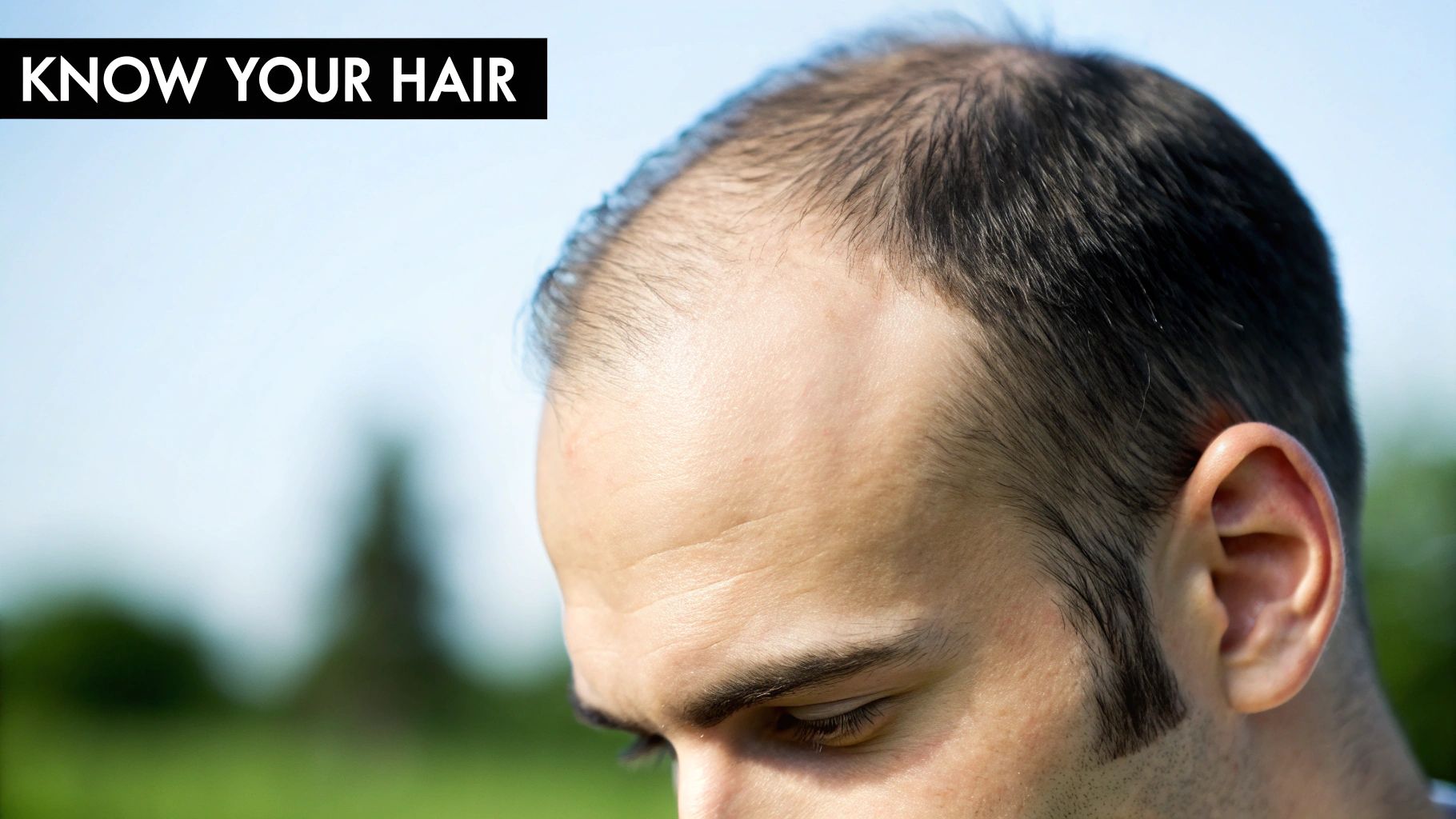
Diffuse hair thinning is often confused with other hair loss types. It involves a reduction in hair density across your entire scalp, unlike pattern baldness, which follows specific patterns. Think receding hairline or a thinning crown. With diffuse thinning, you'll see general sparseness, not distinct bald patches. This widespread thinning affects your overall appearance, often making hair look finer and less voluminous. Understanding this difference is the first step in addressing hair loss concerns.
What Happens at the Follicle Level?
Diffuse thinning isn't just about hair falling out. It's about the hair follicles themselves. The hair growth cycle gets disrupted, resulting in shorter, thinner hairs and fewer active follicles. Imagine a garden with fewer, smaller, and weaker flowers. This follicle miniaturization contributes to the overall thinning appearance. Diffuse thinning can also manifest in different ways, each with its own set of causes.
The Emotional Impact of Diffuse Thinning
The physical changes of diffuse thinning are obvious, but the emotional impact is often overlooked. Many experience self-consciousness, anxiety, or even depression. This is completely understandable, as hair is often linked to identity and self-esteem. Openly discussing these emotional challenges is important for providing support and building community. Understanding your specific type of diffuse thinning is crucial for effective treatment.
Diffuse hair thinning is a frequent issue seen by dermatologists. In one study of 180 patients with diffuse hair loss, 64.44% received a telogen effluvium (TE) diagnosis. This is the most common form, often triggered by stress or major medical events. Learn more about this research. Identifying the underlying causes of your diffuse thinning is the next essential step.
The Hidden Triggers Behind Diffuse Hair Thinning
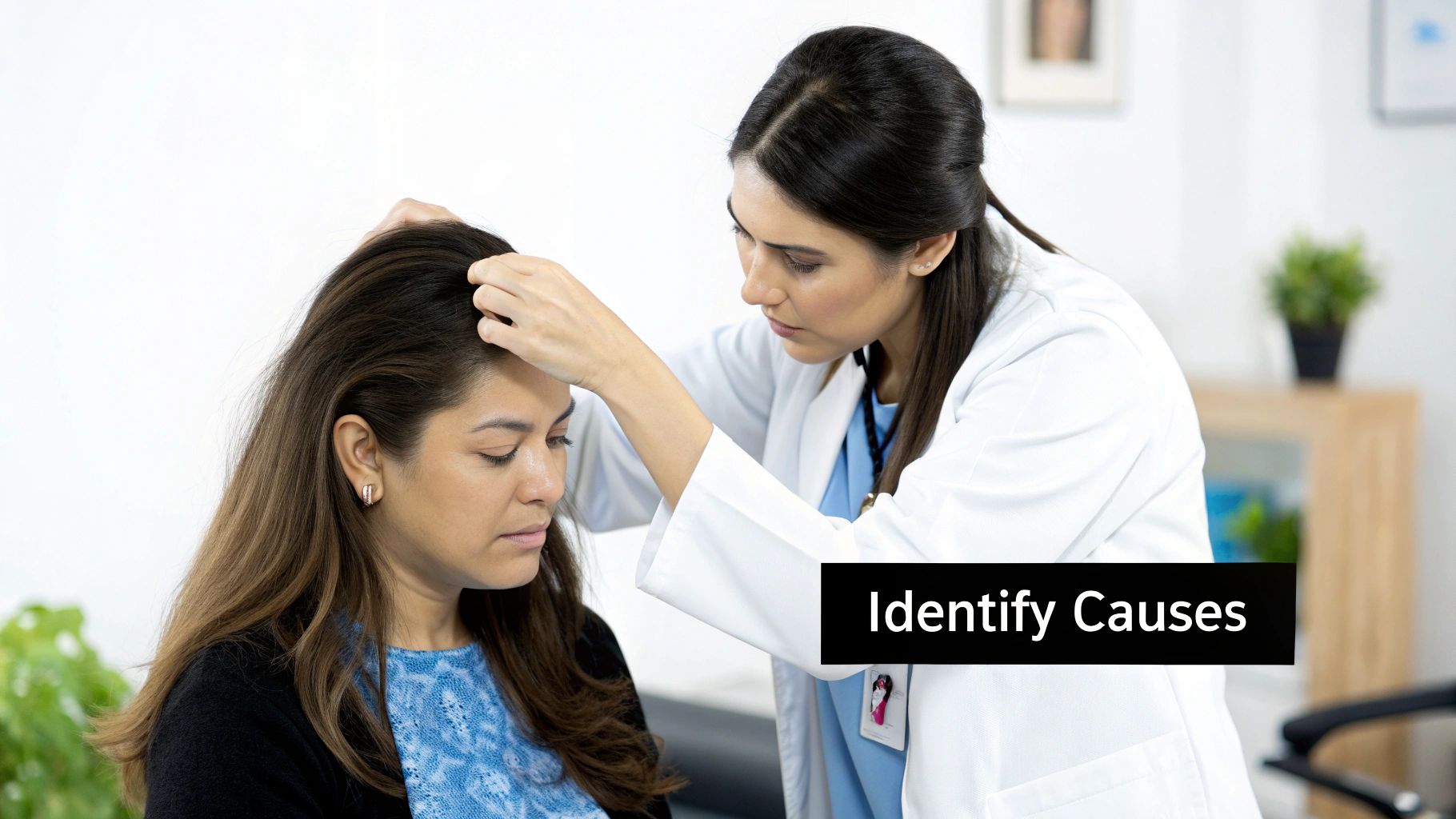
Understanding the causes of diffuse hair thinning is essential for effective treatment. It's much like detective work – finding the root cause is the first step to solving the problem. A wide range of factors can trigger this type of hair loss, some readily apparent and others more subtle. Pinpointing the specific cause in your individual case requires a careful investigation of the potential triggers.
Physical and Psychological Stressors
Physical stressors, such as surgery, childbirth, or significant weight loss, can disrupt the hair growth cycle, causing a greater number of hairs to enter the resting phase. This can result in noticeable shedding weeks or even months after the initial stressor. Your body prioritizes recovery, diverting resources away from hair growth. Similarly, psychological stress, including chronic anxiety, job loss, or trauma, can also disrupt the delicate balance of hair growth.
Psychological stressors can have just as much of an impact as physical ones. Chronic worry, emotional upheaval, or significant life changes can disrupt the normal hair cycle, leading to increased shedding.
Hormonal Imbalances and Diffuse Thinning
Hormones are key players in hair growth. Hormonal fluctuations during pregnancy, menopause, or due to thyroid conditions can greatly influence hair follicle activity. Hormones act as messengers, regulating various bodily functions, including hair growth. When these hormonal messages become disrupted, diffuse thinning can occur.
Nutritional deficiencies also play a role. While iron deficiency is commonly associated with hair loss, other nutrients, like vitamin D, zinc, and biotin, are also crucial for maintaining healthy hair. Just as a car needs all its parts to function properly, your hair follicles require a complete supply of essential nutrients to thrive.
Medications and Genetic Predisposition
Certain medications, including some antidepressants, blood thinners, and beta-blockers, can have hair loss listed as a potential side effect. This is because these drugs can sometimes interfere with the hair growth cycle. If you think a medication might be contributing to your diffuse thinning, consult your doctor.
Genetic factors can also increase an individual's susceptibility to diffuse hair thinning. While you can’t change your genes, understanding your family history can help you identify potential risks and develop appropriate treatment strategies.
Understanding the various triggers is paramount. For example, research shows that psychological stress was the primary underlying cause of telogen effluvium (TE) in 48 observed cases, followed by febrile illnesses in 16 cases. The highest incidence was seen in individuals aged 21-30, with a mean age of 25.9 years. Typically, TE resolves within 3-6 months if the underlying cause is addressed. Find more detailed statistics here.
To help summarize some of the most common triggers, take a look at the table below:
Common Triggers of Diffuse Hair Thinning
| Trigger Category | Specific Examples | Recovery Timeframe | Prevalence |
|---|---|---|---|
| Physical Stressors | Surgery, childbirth, rapid weight loss | Varies, often 3-6 months post-stressor | Relatively common, especially after major physical events |
| Psychological Stressors | Chronic anxiety, job loss, trauma | 3-6 months after stressor is managed | Can be quite common, often underestimated |
| Hormonal Imbalances | Pregnancy, menopause, thyroid disorders | Varies depending on the condition and treatment | Common, particularly during hormonal transitions |
| Nutritional Deficiencies | Iron, vitamin D, zinc, biotin deficiencies | Varies, improvement with supplementation | Relatively common, often linked to dietary habits |
| Medications | Certain antidepressants, blood thinners, beta-blockers | Varies, often improves after stopping medication | Dependent on the specific medication and individual sensitivity |
| Genetic Predisposition | Family history of hair loss | Ongoing management may be required | Can be a significant factor, influencing susceptibility |
This table highlights the diverse nature of diffuse hair thinning triggers, ranging from temporary stressors to underlying medical or genetic factors. Understanding these triggers is the first step towards effective management and treatment.
Decoding Your Diffuse Hair Thinning Diagnosis
Diffuse hair thinning can be a puzzling experience, often appearing similar across various underlying conditions. This means that what appears as one issue could, in fact, stem from multiple causes. Understanding these nuances is critical for effective treatment. This section will explore the key differences between telogen effluvium (TE), chronic telogen effluvium (CTE), and female pattern hair loss (FPHL).
Telogen Effluvium (TE): The Temporary Shedder
Telogen effluvium is frequently triggered by a stressful event, such as surgery, illness, or even significant emotional distress. It can be viewed as your hair's reaction to a system shock. This pushes a greater number of hairs into the telogen phase, the resting phase of the hair growth cycle. Consequently, more hairs prepare to shed, leading to noticeable thinning. Fortunately, TE is typically temporary, resolving within 3-6 months after the triggering event is addressed.
Chronic Telogen Effluvium (CTE): The Persistent Thinner
Unlike the short-lived nature of TE, chronic telogen effluvium can last for an extended period, sometimes spanning years. This persistent shedding can be both frustrating and emotionally taxing. The underlying causes of CTE are often more complex than those of TE and may involve a combination of factors, making accurate diagnosis and treatment more challenging. Consulting a dermatologist or a trichologist is vital to identify and manage any underlying contributing factors.
Female Pattern Hair Loss (FPHL): The Gradual Reducer
Female pattern hair loss (FPHL) is another common form of diffuse hair thinning. Unlike TE and CTE, FPHL is characterized by a progressive reduction in hair density, mainly impacting the crown and frontal scalp but often sparing the frontal hairline. A study involving 300 women experiencing nonscarring diffuse hair loss found that approximately 54% received an FPHL diagnosis. The occurrence of FPHL rises with age, with most cases appearing in women between 20 and 40. Explore this topic further. This gradual thinning results from a combination of genetic predisposition and hormonal influences.
Distinguishing Between the Conditions: Key Indicators
Differentiating between TE, CTE, and FPHL requires a multi-faceted approach. The duration of the thinning serves as a primary indicator. Short-term shedding suggests TE, whereas prolonged thinning indicates CTE or FPHL. The pattern of hair loss also provides clues. Diffuse thinning across the entire scalp is common in TE and CTE, while FPHL often presents with a widening part and a thinning crown.
The presence of a triggering event strongly suggests TE. However, sometimes the trigger is less apparent, necessitating a more thorough investigation. Ultimately, a precise diagnosis from a qualified healthcare professional is essential for determining the specific type of diffuse thinning you are experiencing and for creating the most effective treatment strategy. Understanding these differences empowers you to engage in more informed discussions with your healthcare provider and to make confident decisions regarding your hair health.
Getting Answers: The Diagnostic Journey Explained

Understanding the cause of diffuse hair thinning involves a systematic process, not mere guesswork. This journey begins with a comprehensive consultation with a dermatologist or trichologist. This initial consultation is crucial, laying the groundwork for an effective diagnosis and treatment plan.
The Initial Consultation: Building Your Hair Health History
Your dermatologist will ask detailed questions about your medical history, family history of hair loss, current medications, diet, and lifestyle. These questions are essential for uncovering potential clues about the underlying causes of your hair thinning. Be prepared to discuss the duration and pattern of your hair loss, any accompanying symptoms, and any potential triggers.
The goal is to create a comprehensive overview of your hair health journey. This information will guide the subsequent steps in the diagnostic process.
The Physical Examination: Observing Scalp and Hair Characteristics
The next step involves a thorough physical examination of your scalp and hair. Your dermatologist will look for signs of inflammation, scaling, or scarring. They will likely perform a hair pull test, gently pulling a small number of hairs to assess their fragility and the ease with which they shed. This helps determine which stage of the hair growth cycle may be affected.
The findings from the physical exam will further inform the diagnostic process, helping to pinpoint potential causes of your hair thinning.
Blood Tests: Uncovering Internal Factors
Blood tests play a vital role in identifying underlying medical conditions that could be contributing to your diffuse hair thinning. These tests can reveal iron deficiency, thyroid imbalances, hormonal irregularities, or other deficiencies that can impact hair growth.
Common blood tests include checking serum ferritin levels (for iron stores), thyroid hormone levels (T3, T4, and TSH), and a complete blood count. These tests are particularly important as conditions like iron deficiency are often linked to Telogen Effluvium (TE) and Female Pattern Hair Loss (FPHL), especially in women. Discover more insights about this topic.
Specialized Procedures: Delving Deeper for Precise Answers
In some cases, more specialized procedures may be necessary. Trichoscopy, a non-invasive technique using a handheld microscope, allows for a detailed examination of the hair shaft and scalp. This provides magnified views of hair thickness, miniaturization, and other key characteristics.
Occasionally, a scalp biopsy, a minor surgical procedure, may be recommended. This allows for a microscopic examination of hair follicles, providing a more definitive diagnosis. Understanding these different diagnostic tools empowers you to actively participate in your hair health journey.
To summarize the various diagnostic tests, the following table provides an overview:
Diagnostic Tests for Diffuse Hair Thinning
This table outlines various diagnostic tests and procedures used to identify the causes of diffuse hair thinning, what they measure, and what abnormal results may indicate.
| Diagnostic Test | What It Measures | Normal Range | Potential Findings | Associated Conditions |
|---|---|---|---|---|
| Blood Count (CBC) | Red blood cells, white blood cells, platelets | Varies by lab and individual factors | Low red blood cell count (anemia) | Iron deficiency anemia, which can cause hair loss |
| Ferritin | Iron stores | 12-300 ng/mL (varies by lab) | Low ferritin | Iron deficiency, often linked to TE and FPHL |
| Thyroid Hormone Levels (T3, T4, TSH) | Thyroid function | Varies by lab | Overactive or underactive thyroid | Thyroid disorders, which can contribute to hair loss |
| Hair Pull Test | Hair fragility and shedding | Minimal shedding (<6 hairs) | Excessive shedding | Telogen effluvium, anagen effluvium |
| Trichoscopy | Hair shaft and scalp characteristics | Normal hair thickness and density | Miniaturization of hair follicles, scalp inflammation | Androgenetic alopecia, other hair loss conditions |
| Scalp Biopsy | Hair follicles and surrounding tissue | Normal follicle structure | Inflammation, scarring, abnormal follicle structure | Scarring alopecia, other hair loss conditions |
This table summarizes the key diagnostic tests used to understand the root causes of diffuse hair thinning. Each test offers unique insights, contributing to a personalized treatment plan.
By understanding the diagnostic process, you can work collaboratively with your dermatologist to address the underlying cause of your hair thinning, paving the way for effective, long-term solutions.
Treatment Strategies That Actually Work
Diffuse hair thinning can be a worrying experience. Fortunately, there are several effective treatment strategies available. Choosing the right one depends on the root cause of your thinning hair, emphasizing the importance of a correct diagnosis. This section will explore some of the most effective treatments, from medications to lifestyle changes.
Medical Interventions for Diffuse Hair Thinning
Minoxidil, a topical solution, is a frequently used first-line treatment for diffuse hair thinning, especially for female pattern hair loss (FPHL). It prolongs the anagen phase, the active growth phase of the hair cycle. This gives hairs more time to grow thicker and longer.
Antiandrogens, often prescribed as pills, can benefit women with FPHL where hormonal imbalances contribute to hair loss. They regulate hormone levels, reducing their impact on hair follicles. This hormonal rebalancing can significantly improve hair density for some women.
For conditions like telogen effluvium (TE), treating the underlying cause, such as stress or nutritional deficiencies, is key. TE often resolves independently once the trigger is managed. Management options for FPHL include topical Minoxidil and antiandrogen therapies, while TE often resolves independently after the triggering event is addressed. Diffuse hair loss duration varies: TE usually lasts 3-6 months, while chronic telogen effluvium (CTE) can persist for years before spontaneously resolving. Early diagnosis and proper management can significantly improve outcomes for those experiencing diffuse hair thinning. Read the full research here.
The Power of Nutrition and Lifestyle
Nutritional deficiencies play a significant role in diffuse hair thinning. Addressing these through diet or supplements can encourage healthier hair growth. Getting enough iron, vitamin D, zinc, and biotin is crucial for optimal hair follicle function.
Lifestyle changes are also essential. Managing stress through practices like yoga, meditation, or exercise can positively impact hair growth. Stress reduction helps regulate hormonal imbalances, a common contributor to diffuse thinning. Sufficient sleep allows your body, including hair follicles, to repair and regenerate.
Exploring Emerging Therapies
Platelet-rich plasma (PRP) therapy is gaining recognition as a treatment for diffuse hair thinning. This procedure involves injecting concentrated platelets from your blood into your scalp. These platelets contain growth factors thought to stimulate hair follicle activity, encouraging new growth. While PRP research is ongoing, initial studies are promising. Learn more about PRP for hair loss.
Low-level laser therapy (LLLT), or red light therapy, is another emerging treatment. LLLT devices, such as combs or helmets, emit low-level laser light onto the scalp, stimulating cellular activity and blood flow to hair follicles, potentially boosting growth. Further research is needed to confirm its effectiveness.
By understanding the available treatment options and consulting with a healthcare professional, you can create a personalized plan to address your diffuse hair thinning. Remember, patience and consistency are vital on your journey to healthier, fuller hair.
Reclaiming Confidence While Managing Diffuse Thinning

Waiting for hair loss treatments to take effect can be an emotional journey. It's understandable, given the strong connection between our hair and self-esteem. This section offers practical strategies to help you feel your best while addressing the root causes of diffuse thinning, focusing on both your appearance and emotional well-being.
Styling Strategies for a Fuller Look
Styling techniques can significantly impact how your hair appears. Shorter haircuts, for instance, often create the illusion of fullness. This is because shorter strands have less weight, allowing for more lift at the roots.
Layered cuts can also add volume and texture, creating a thicker appearance. Using volumizing products like mousses and root lift sprays can further enhance these effects.
Specific styling practices, such as blow-drying with a round brush, can also contribute to a more voluminous look. However, it's important to avoid harsh chemicals and excessive heat styling, as these can exacerbate hair thinning.
Cosmetic Solutions That Make a Difference
Several cosmetic options can camouflage diffuse thinning and boost your confidence during treatment. Hair fibers, which bind to existing hair to create a fuller look, are a popular choice. Scalp concealers, available as powders or sprays, match your hair color to camouflage thinning areas.
These products can provide a substantial self-esteem boost while waiting for treatments to yield full results. A dermatologist can recommend products best suited to your individual needs and hair type.
Addressing the Emotional Impact of Hair Loss
Managing the emotional effects of hair loss is just as crucial as addressing the physical changes. Remember, diffuse thinning is a relatively common condition. You are not alone.
Connecting with support groups or online communities can foster a sense of belonging and shared understanding. Cognitive Behavioral Therapy (CBT) can also be a valuable tool for managing anxiety and negative thoughts related to hair loss.
Focus on cultivating a positive self-image, independent of hair thickness. Reminding yourself of your strengths, talents, and accomplishments reinforces self-worth. Prioritizing your emotional well-being will build confidence as you navigate your hair restoration journey.
If you're exploring innovative treatments like PRP therapy, visit PRP For HairLoss for further information on this promising approach to hair restoration.

 PRP For Hairloss
Leave a comment