The Science Behind Stress-Related Hair Loss
Losing your hair due to stress can be a truly unsettling experience. However, understanding the biological mechanisms at play can help you regain a sense of control. This section explores the intricate relationship between your mental well-being and the health of your hair follicles.
The Role of Stress Hormones
The main culprit in stress-related hair loss is the hormone cortisol. When you're stressed, your body releases cortisol. In small amounts, cortisol is beneficial. But chronic stress leads to consistently elevated cortisol levels. This disrupts the normal hair growth cycle, causing a larger number of hair follicles to enter a resting phase. It's like sending your hair follicles on an indefinite vacation – they cease producing new hairs, and existing hairs eventually shed.
The Hair Growth Cycle and Its Disruption
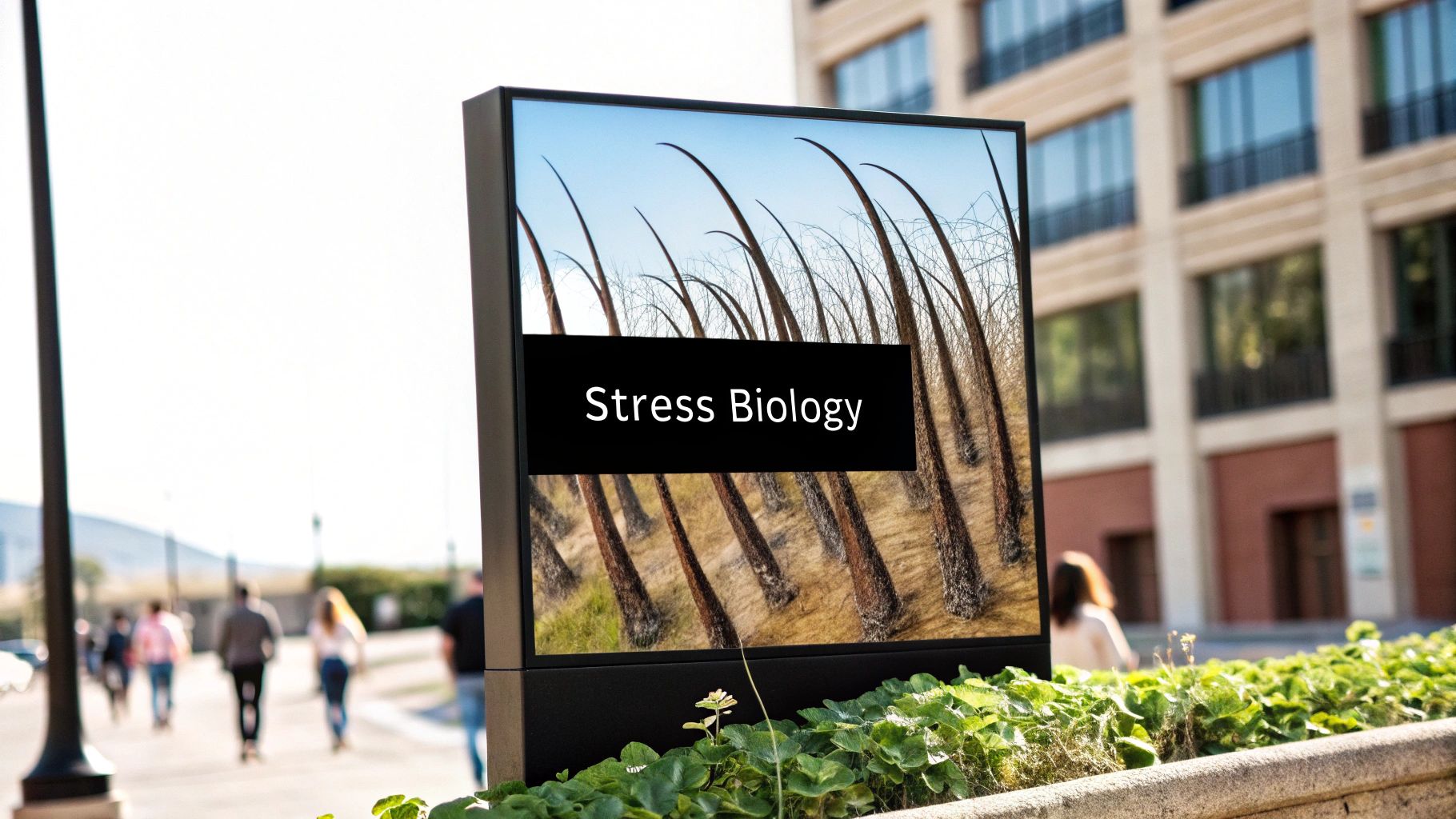
Hair follicles typically cycle through three phases: anagen (growth), catagen (transition), and telogen (resting). A healthy anagen phase can last for several years, while the telogen phase usually lasts just a few months. However, chronic stress can significantly extend the telogen phase.
This means fewer hairs are actively growing, and more are getting ready to fall out. This can result in noticeably thinner hair and increased shedding. Shedding between 50-100 hairs per day is considered normal, but stress can dramatically increase this number.
Research from Harvard University sheds further light on this disruption. The study shows how chronic stress activates the sympathetic nervous system, negatively affecting hair follicle stem cells. This extended resting phase, triggered by the stress hormone corticosterone (the equivalent of cortisol in mice), prevents follicles from entering the vital growth phase needed for healthy hair regeneration.
Recognizing the Early Warning Signs
Early detection of stress-related hair loss is key for effective intervention. One primary indicator is increased shedding. While some hair loss is normal, a sudden, noticeable increase is a cause for concern. Another sign is thinning hair, especially if it's diffuse across your scalp rather than localized.
Finally, pay attention to your scalp. Increased sensitivity or textural changes could point to underlying stress-related issues. These early signs are often overlooked, but recognizing them enables prompt action to address the root cause: stress. Understanding the science empowers you to take proactive steps to restore your hair's natural vitality.
Identifying Your Stress-Related Hair Loss Type
Stress can impact our bodies in many ways, and hair loss is a common manifestation. Understanding the different types of stress-related hair loss is vital for effective treatment. This section will explore the various ways stress can affect your hair, guiding you toward identifying your specific condition. This knowledge empowers you to take the first step toward recovery.
Telogen Effluvium: The Common Culprit
Telogen effluvium (TE) is the most frequently seen type of stress-related hair loss. It's characterized by a sudden, diffuse thinning across the scalp, often noticed a few months after a stressful period. This delay is a key characteristic of TE. The stress effectively pushes a significant number of hair follicles into a premature resting phase (telogen). This results in noticeable shedding, which can be concerning, but is typically temporary. Major life changes like childbirth, job loss, or serious illness can trigger TE. Hair usually regrows naturally after the stressor is resolved.
Alopecia Areata: Patchy Hair Loss
Unlike the diffuse thinning seen in TE, alopecia areata appears as round, smooth patches of hair loss. This autoimmune condition arises when the body's immune system mistakenly targets hair follicles. While the precise cause isn't fully understood, stress is considered a major contributing factor, capable of triggering or worsening the condition. Alopecia areata can range from small, isolated patches to more extensive hair loss, encompassing the entire scalp (alopecia totalis) or even the whole body (alopecia universalis).
Trichotillomania: The Urge to Pull
Trichotillomania is a hair-pulling disorder frequently associated with stress, anxiety, or other underlying emotional challenges. It involves an overwhelming urge to pull out hair from the scalp, eyebrows, eyelashes, or other body areas. This behavior can result in noticeable hair loss and bald patches. Addressing trichotillomania requires a different approach than TE or alopecia areata, often incorporating therapy and stress management strategies.
Stress can indeed manifest as several different types of hair loss. Telogen effluvium involves widespread shedding after a stressful event. Alopecia areata, potentially triggered or aggravated by stress, is an autoimmune condition affecting hair follicles. Lastly, trichotillomania is linked to an urge to pull hair due to underlying emotional factors, often compounded by stress. Learn more about stress and hair loss here.
Identifying Your Type: A Crucial First Step
Accurately identifying your specific type of stress-related hair loss is paramount for selecting the right treatment. Recognizing the patterns, triggers, and specific characteristics of each condition allows you to make informed decisions about your hair health. While TE often resolves independently after the stressor is gone, alopecia areata and trichotillomania may necessitate professional guidance. Later sections will delve further into the psychological impact of hair loss and explore proven recovery techniques.
Breaking the Psychological Cycle of Hair Loss

The emotional impact of hair loss can create a difficult cycle. Traditional treatments often overlook this crucial aspect, but addressing the psychological component is essential for effective recovery. This section explores the complex relationship between stress-related hair loss and its emotional effects. We'll discuss practical techniques to manage this often-neglected part of the hair loss journey.
The Emotional Toll of Thinning Hair
Hair loss can be much more than a physical change. It can significantly impact emotional well-being, affecting self-esteem, body image, and even social interactions. This can result in increased anxiety, which, ironically, can worsen hair loss, creating a self-perpetuating cycle.
For example, someone experiencing hair loss might avoid social gatherings, leading to feelings of isolation and increased stress. This added stress can then exacerbate hair loss, making the cycle even more challenging. Hair loss, especially when stress-related, can have profound psychological effects, often causing heightened anxiety, depression, and social phobia.
It impacts an individual's self-esteem and body image. Women experiencing high stress levels are 11 times more likely to experience hair loss than those with lower stress, emphasizing the gender-specific effects. Societal and cultural pressures regarding appearance further contribute to the psychological distress. Learn more about the psychological effects of hair loss here.
Managing Appearance-Related Stress
Breaking this cycle requires a comprehensive approach. It’s essential to address both the physical hair loss and the resulting emotional stress.
- Acknowledge Your Feelings: Don't ignore or downplay your emotions. Recognizing the emotional impact is the first step toward effective management.
- Seek Support: Speaking with a therapist or joining a support group can offer helpful coping strategies. Even confiding in trusted friends and family can make a difference.
- Focus on Self-Care: Participating in enjoyable activities, such as exercise, hobbies, or spending time outdoors, can help reduce stress and boost overall well-being.
Tailored Strategies for Different Demographics
Experiences with hair loss differ across various demographics. Men and women often experience hair loss differently, with cultural factors also playing a significant role. Societal pressure on women to have long, thick hair can intensify the emotional distress associated with hair loss.
This highlights the need for tailored strategies for different groups. Support groups created specifically for women experiencing hair loss can provide a safe and empathetic space to share experiences and develop coping mechanisms.
Rebuilding Confidence During Recovery
While managing stress is critical, rebuilding confidence during recovery is equally important.
- Positive Self-Talk: Challenge negative thoughts and replace them with positive affirmations about your appearance and self-worth.
- Focus on Your Strengths: Remind yourself of your positive attributes and accomplishments unrelated to your hair.
- Explore Style Options: Experimenting with new hairstyles, scarves, or hats can help you find looks that make you feel confident and comfortable.
Addressing the psychological impact of stress-related hair loss can greatly improve your chances of physical recovery. By managing stress and building confidence, you can create a more positive and supportive environment for hair regrowth.
Are You At Risk? Identifying Vulnerability Factors

While stress can trigger hair loss in many, some individuals are considerably more vulnerable. This isn't due to chance, but often a complex combination of genetics, hormones, and lifestyle. Understanding these factors helps you assess your risk and take proactive steps to maintain healthy hair.
The Role of Genetics and Hormones
Genetic predisposition is a key factor in stress-related hair loss. If hair loss is common in your family history, you may be more susceptible. For instance, if your parents or grandparents experienced thinning hair, particularly from stress, your risk could be elevated.
Hormonal fluctuations also play a significant role. Changes during pregnancy, menopause, or thyroid imbalances can impact hair growth cycles. These shifts can disrupt the hair growth cycle, making individuals more prone to shedding.
Lifestyle Factors and Stressful Life Events
Lifestyle factors further influence your vulnerability to hair loss. Nutritional deficiencies, especially a lack of key vitamins and minerals, can weaken hair follicles. This makes them more susceptible to damage from stress. Healthy hair follicles require adequate nutrition.
Significant life events like job loss, divorce, or bereavement can also trigger substantial stress and subsequent hair loss. A study conducted in Al Majma'ah, Saudi Arabia, with 1080 participants, found that 770 (71.3%) reported hair loss. Stress was a major factor, reported by 73.8% of participants. Age also influenced the prevalence, with the 31-40 age group most affected at 80.6%. For more detailed statistics, see this study. Such life events trigger physiological changes impacting hair growth.
The following table summarizes some of the risk factors associated with stress-induced hair loss:
Stress Related Hair Loss Risk Factors
| Risk Factor | Impact Level | Affected Population | Preventative Measures |
|---|---|---|---|
| Genetic Predisposition | High | Individuals with family history of hair loss | Consult a dermatologist for personalized advice |
| Hormonal Fluctuations | Moderate to High | Pregnant women, menopausal women, individuals with thyroid imbalances | Hormone therapy, stress management techniques |
| Nutritional Deficiencies | Moderate | Individuals with poor diet | Dietary supplements, balanced nutrition |
| Stressful Life Events | High | Individuals experiencing significant life changes (job loss, divorce, bereavement, etc.) | Stress management techniques, therapy, support groups |
This table highlights the various factors that can contribute to stress-related hair loss and the populations they affect. Preventative measures vary depending on the specific risk factor.
Heightened Vulnerability Periods and Protective Measures
Certain life stages, such as the postpartum period, increase vulnerability due to significant hormonal changes. Similarly, career changes or major illnesses can induce stress and potential hair loss. These times emphasize the importance of self-care and stress reduction.
Understanding your risk profile allows for proactive preventative measures. These include stress management techniques, improved nutrition, better sleep, and exploring therapies like PRP for HairLoss. PRP treatment can stimulate hair follicles, particularly helpful for men experiencing stress-related thinning. Early intervention is crucial in addressing stress-related hair loss effectively.
Evidence-Based Recovery Strategies That Actually Work
Beyond marketing claims, which hair loss treatments truly deliver when stress is a factor? This analysis examines interventions from both conventional medicine and emerging therapies. We'll delve into the science behind proven methods, discuss reasonable timelines for improvement, and uncover aspects often overlooked in product advertising.
Topical Minoxidil: A Common Starting Point
Minoxidil, available as a topical solution or foam, is frequently the initial treatment recommended for hair loss. It functions by boosting blood flow to the hair follicles, potentially encouraging new growth. While its precise mechanism of action remains partially unclear, minoxidil has demonstrated effectiveness for some individuals experiencing stress-related hair loss, especially telogen effluvium.
However, it's important to maintain realistic expectations. Minoxidil isn't a universal solution, and visible results typically emerge after several months of consistent application. Continued use is essential for preserving any achieved progress. Discontinuing minoxidil often leads to shedding of the regrown hair.
Nutritional Supplementation: Nourishing Hair From the Inside
Nutritional deficiencies can exacerbate hair loss, particularly when coupled with stress. Addressing underlying deficiencies with targeted supplementation can be valuable. Essential nutrients like iron, zinc, biotin, and vitamin D are critical for maintaining healthy hair growth.
Supplements aren't a quick remedy, however. They are most effective when integrated with other treatments and healthy lifestyle choices. Consult a healthcare provider for personalized recommendations if you suspect a nutritional deficiency.
Platelet-Rich Plasma (PRP) Therapy: A Novel Approach
Platelet-rich plasma (PRP) therapy offers a more recent approach to treating hair loss. It involves extracting a small blood sample, processing it to concentrate platelets, and then injecting the PRP into the scalp. The growth factors within platelets are believed to stimulate hair follicle activity. PRP shows particular promise for men experiencing stress-related thinning. Learn more about PRP for hair loss.
Understanding Timelines and Expectations
The timeframe for visible improvement varies depending on the chosen treatment and individual factors. With minoxidil, initial changes may appear after several months, but substantial progress can take longer. Nutritional supplements may require several weeks or even months to produce noticeable effects. PRP therapy typically entails multiple sessions spaced weeks apart, with results gradually emerging over time.
Maintaining realistic expectations is crucial. No single hair loss treatment guarantees a complete cure, and the degree of regrowth can differ greatly from person to person. Factors like age, overall health, and the specific type of stress-related hair loss all contribute to individual outcomes.
Combining Therapies for Enhanced Outcomes
Combining treatments can sometimes yield better results than using a single therapy alone. For instance, using minoxidil in conjunction with nutritional supplements may provide a more comprehensive approach. Similarly, combining PRP with other therapies might amplify its effectiveness.
Seeking Professional Guidance
While some manage stress-related hair loss independently, others significantly benefit from professional guidance. If you are unsure about the nature of your hair loss, experiencing significant emotional distress, or not seeing results with at-home treatments, consulting a dermatologist or trichologist is recommended. They can offer an accurate diagnosis, recommend personalized treatments, and provide support throughout your recovery.
To help you compare various treatment options, we've compiled the following table:
Comparing Stress Related Hair Loss Treatments: An evaluation of various treatment approaches for stress-related hair loss, including effectiveness ratings, time to results, and important considerations.
| Treatment Type | Effectiveness | Timeline | Cost Range | Side Effects |
|---|---|---|---|---|
| Topical Minoxidil | Variable | Months | Moderate | Scalp irritation, unwanted hair growth in other areas |
| Nutritional Supplements | Supporting Role | Weeks to Months | Variable | Generally safe, but consult with a doctor |
| PRP Therapy | Promising but Variable | Months | High | Minimal, may include minor bruising or swelling |
This table provides a comparison of different approaches to treating stress-related hair loss. The effectiveness of each treatment can vary depending on individual circumstances and the specific condition. The timelines provided are approximate durations for visible improvement, while the cost ranges are general estimates. Consulting with a healthcare professional is essential for personalized advice and treatment planning.
Building Your Stress-Resilient Hair Recovery Plan
Managing stress-related hair loss isn't simply about treating the symptoms. It's about cultivating resilience from within. This involves a multifaceted approach addressing stress management, sleep quality, nutrition, and scalp care to encourage healthy hair regrowth.
Mastering Stress Reduction Techniques
Stress hormones, especially cortisol, disrupt the hair growth cycle. Implementing clinically-validated stress reduction techniques can minimize these effects.
-
Mindfulness Meditation: Regular meditation can help regulate cortisol levels and promote relaxation. This creates a more balanced internal environment conducive to hair growth.
-
Cognitive Behavioral Therapy (CBT): CBT provides tools to identify and manage stress triggers, breaking the cycle of anxiety and its impact on hair follicles. For example, by recognizing negative thought patterns about hair loss, you can reframe them and lessen their emotional weight. CBT also helps you develop practical coping mechanisms for stressful situations, reducing their overall physical impact.
-
Yoga and Deep Breathing Exercises: These practices promote relaxation and reduce muscle tension, lowering stress hormone levels. This is important because chronic stress can increase the vulnerability of hair follicles to damage.
Consistent practice of these techniques is key to achieving lasting results and addressing the root causes of stress-related hair loss.
Optimizing Your Sleep for Hair Regeneration
Sleep quality is often overlooked, yet it directly impacts hair health. During deep sleep, your body repairs and regenerates cells, including those within your hair follicles.
-
Establish a Regular Sleep Schedule: A consistent sleep-wake cycle optimizes your body's natural rhythms, improving sleep quality and supporting hair regeneration.
-
Create a Conducive Sleep Environment: This involves a dark, quiet, and cool room. Minimizing electronic device use in the bedroom can greatly improve sleep quality.
-
Prioritize Sleep Hygiene: This includes establishing a relaxing bedtime routine, avoiding caffeine and alcohol before bed, and engaging in regular exercise. These practices prepare your body for truly restful sleep.
Optimizing your sleep supports the body's natural restorative processes, vital for healthy hair.
Developing a Protective Nutritional Protocol
Specific micronutrients are essential for hair health. A balanced diet rich in these nutrients strengthens hair follicles and protects them from stress-related damage.
-
Iron: Iron deficiency is a common cause of hair loss. Ensure adequate intake of iron-rich foods like spinach and lentils, or consider iron supplements after consulting with your doctor.
-
Zinc: Zinc is crucial for cell growth and repair, including the health of your hair follicles. Good sources of zinc include pumpkin seeds and chickpeas.
-
Biotin: Although biotin deficiency is rare, sufficient intake supports healthy hair and skin. This can be addressed through a balanced diet and supplementation, if needed.
-
Vitamin D: Studies suggest a connection between vitamin D deficiency and hair loss. Spending time in sunlight, eating vitamin D-rich foods, or taking supplements can help.
Incorporating these nutrients into your diet strengthens hair follicles, making them more resistant to stress-related damage.
Minimizing Mechanical and Environmental Stress
Protecting your hair from external stressors is also important. Mechanical stress from tight hairstyles or harsh brushing can worsen hair loss. Environmental factors, such as pollution, can also contribute to hair damage.
-
Gentle Scalp Care: Avoid tight braids, ponytails, and harsh chemical treatments that can stress hair follicles. Use a soft-bristled brush and a gentle shampoo.
-
Environmental Protection: Consider using protective hair products when exposed to pollution or harsh weather to add a layer of defense against environmental damage.
Minimizing these external stressors creates a more supportive environment for hair regrowth and reduces the aggravation of stress-related hair loss.
For men dealing with stress-related thinning hair, PRP (Platelet Rich Plasma) therapy can be a promising option to stimulate hair follicles and encourage regrowth. Learn more about this innovative treatment at PRP for HairLoss.
 PRP For Hairloss
Leave a comment