The Frustration of Stalled Hair Growth
Dealing with stagnant hair growth can be incredibly disheartening. For many men, a full head of hair is often associated with youth and vitality, making hair loss a sensitive issue. The desire for thicker, healthier hair has been a human preoccupation for centuries. This has led to various approaches, from traditional remedies to modern medical interventions.
But what truly makes a hair growth strategy effective? It involves several interconnected factors. These include addressing any underlying health problems, nourishing hair follicles with essential nutrients, and promoting healthy blood flow to the scalp. Minimizing damage from harsh chemicals and excessive heat is also key.
Understanding the science behind hair growth and the various solutions available is crucial for choosing the right approach. This knowledge empowers you to take control of your hair health and make informed decisions. This article will explore eight key strategies to combat stalled hair growth.
Diet and Nutrition for Healthy Hair
What you eat directly impacts your hair health. A balanced diet rich in protein, vitamins, and minerals is essential for optimal hair growth. Consider incorporating foods high in:
- Protein: Lean meats, fish, eggs, and beans.
- Iron: Spinach, lentils, and red meat.
- Vitamin C: Citrus fruits, berries, and peppers.
- Biotin: Eggs, nuts, and seeds.
Scalp Stimulation Techniques
Regular scalp massage can help stimulate blood circulation to the hair follicles, promoting hair growth. Try incorporating these techniques:
- Gentle massage: Use your fingertips to massage your scalp in circular motions for 5-10 minutes daily.
- Essential oils: Dilute a few drops of rosemary or peppermint oil in a carrier oil like coconut oil and massage into your scalp.
Clinically Proven Treatments
Several clinically proven treatments can help combat hair loss and promote hair growth.
- Minoxidil (Rogaine): An over-the-counter topical solution that can help stimulate hair growth.
- Finasteride (Propecia): A prescription medication that can help block the hormone responsible for male pattern baldness.
Medical Interventions for Hair Loss
For more advanced cases of hair loss, medical interventions may be necessary.
- Hair transplant surgery: A surgical procedure that involves transplanting hair follicles from one area of the scalp to another.
- Platelet-rich plasma (PRP) therapy: A treatment that involves injecting concentrated platelets from your blood into your scalp to stimulate hair growth.
Reducing Stress and Improving Sleep Quality
Stress and lack of sleep can negatively impact hair growth. Prioritizing stress management and getting adequate sleep is important.
- Stress management techniques: Exercise, yoga, meditation.
- Good sleep hygiene: Establish a regular sleep schedule, create a relaxing bedtime routine.
Avoiding Harsh Chemicals and Excessive Heat
Harsh chemicals and excessive heat styling can damage hair, leading to breakage and slowed growth. Minimize exposure to:
- Chemical treatments: Perms, relaxers, and hair dyes.
- Heat styling tools: Hair dryers, straighteners, and curling irons.
Natural Remedies for Hair Growth
Some natural remedies may help promote hair growth, although scientific evidence supporting their effectiveness is limited.
- Aloe vera: Applying aloe vera gel to the scalp may help soothe inflammation and promote hair growth.
- Onion juice: Some studies suggest that onion juice may help stimulate hair growth.
Consulting a Dermatologist
If you're concerned about stalled hair growth, consulting a dermatologist is important. They can help determine the underlying cause of your hair loss and recommend the best course of treatment.
1. Optimize Your Diet For Hair Growth

Hair loss can be a frustrating experience. Addressing the root cause, such as nutritional deficiencies, is crucial for effective, sustainable results. This is why optimizing your diet is a top solution for hair that isn't growing. Hair follicles, like any other part of the body, need specific nutrients to function. A diet lacking these essential building blocks can lead to stunted growth, thinning, and even hair loss.
This concept has gained traction thanks to dermatologists and nutritionists like Dr. Jessica Wu, author of 'Feed Your Face', and Kimberly Snyder, who emphasize the connection between diet and overall well-being, including hair health. Celebrity hair care specialists like Philip Kingsley also highlight nutrition's role in healthy hair.
How It Works
Hair is primarily composed of keratin, a protein. Therefore, sufficient protein intake is paramount. Beyond protein, specific vitamins and minerals are vital for hair growth and follicle health.
- Biotin: Supports keratin production.
- Vitamins A, C, D, and E: Act as antioxidants, protecting hair follicles from damage.
- Iron: Carries oxygen to hair follicles, which is essential for growth.
- Zinc: Contributes to hair tissue growth and repair.
- Omega-3 Fatty Acids: Promote scalp health and reduce inflammation.
A balanced nutritional approach addresses potential deficiencies, providing the foundation for healthy hair growth.
Real-World Examples
Many cases demonstrate how diet impacts hair growth. Correcting iron deficiency anemia often significantly improves hair growth in those experiencing hair loss due to this deficiency. Similarly, vegetarians and vegans struggling with hair growth often see improvements after increasing their intake of complete proteins like quinoa, lentils, and tofu.
Pros and Cons
Pros:
- Natural Approach: Improves overall health, not just hair.
- No Side Effects (when done properly): A balanced diet is generally safe.
- Addresses Root Causes: Tackles underlying nutritional deficiencies.
- Sustainable Long-Term Solution: Healthy eating habits contribute to long-term hair health.
Cons:
- Results Take Time: Noticeable improvements appear within 3-6 months.
- Requires Consistent Effort: Maintaining a healthy diet takes commitment.
- Supplementation Might Be Necessary: A doctor might recommend supplements for severe deficiencies.
- Won't Overcome Genetics or Serious Medical Conditions Alone: Diet is crucial but can't override genetics or address serious medical conditions causing hair loss.
Practical Tips For Implementation
- Prioritize Protein: Aim for 1-2 servings of complete protein daily (lean meats, fish, eggs, beans, lentils).
- Boost Omega-3s: Include 1 tablespoon of flaxseeds or chia seeds daily.
- Consider a Multivitamin: Talk to your doctor about a multivitamin if you have a restricted diet or suspect deficiencies.
- Hydration is Key: Drink 8-10 glasses of water daily.
- Limit Processed Foods: Reduce intake of processed foods, sugar, and alcohol.
Example Meal Integrations
- Breakfast: Eggs with spinach and whole-wheat toast.
- Lunch: Salmon salad with mixed greens and nuts.
- Dinner: Lentil soup with whole-grain bread.
- Snacks: Greek yogurt with berries, almonds, or trail mix.
By focusing on these dietary changes, men experiencing hair growth issues can proactively work towards a healthier scalp and fuller hair. Consult a healthcare professional or registered dietitian for personalized advice and to rule out underlying medical conditions.
2. Scalp Massage and Stimulation Techniques
One of the easiest and most affordable ways to potentially encourage hair growth is through regular scalp massage and stimulation. This technique increases blood circulation to the hair follicles, delivering vital oxygen and nutrients. Just like watering a lawn helps it flourish, proper blood flow ensures hair roots receive the nourishment they need. Scalp massage also distributes the scalp's natural oils, conditioning the hair and potentially strengthening the roots. Furthermore, massage can help reduce stress, a factor known to contribute to hair loss in some men.
Scalp stimulation can be done in several ways, including manual massage with your fingertips, specialized brushing, or even using scalp massaging tools. This adaptability makes it a practice easily incorporated into any hair care routine.
This technique is included here because it’s a natural, non-invasive, and low-cost way to address hair growth concerns. It also offers the additional benefit of stress reduction, a definite plus for men dealing with hair loss. Its effectiveness is based on simple biology: better blood flow means better nourishment for hair follicles.
Features and Benefits
- Increases blood flow to follicles: The key mechanism by which scalp massage promotes hair growth.
- Can be performed with or without oils: Oils can add to the experience and provide extra benefits, but dry massage is just as effective for stimulating blood flow.
- Only takes 5-10 minutes daily: A small time commitment for potentially noticeable results.
- Non-invasive and natural: This method does not involve any chemicals or medications.
Pros
- Inexpensive and easy to do
- Can be relaxing and reduce stress (a potential cause of hair loss)
- No adverse side effects
- Can boost the effectiveness of hair products by improving absorption
Cons
- Requires consistency to see results
- Results may differ between individuals
- Forceful massage can lead to hair breakage if done incorrectly
- Not a solution for all types of hair loss, such as severe alopecia
Real-World Examples and History
The benefits of scalp massage are not just anecdotal. A 2016 study in Japan found that just four minutes of daily scalp massage for 24 weeks led to increased hair thickness. This practice also has a long history in traditional practices. For centuries, Indian hair oiling and massage rituals have promoted healthy, strong hair. Ayurvedic head massage, or "Champi," has been used successfully for generations and is gaining popularity in Western cultures. Celebrity hairstylist David Mallett and hair expert Philip Kingsley have also advocated for the advantages of scalp massage. Brands like Briogeo and Aveda have even created specialized scalp care product lines based on these principles.
Tips for Implementation
- Use your fingertips (not your nails): Apply gentle pressure in circular motions all over your scalp.
- Massage for 5-10 minutes daily, ideally before washing your hair: This allows the scalp to absorb any oils and clears away loosened debris.
- Consider using warm oil (such as coconut, castor, or jojoba oil) for additional benefits: These oils are known for their nourishing properties and can further condition the scalp and hair.
- Use a wooden bristle brush to stimulate the scalp while detangling: This provides a gentler massage and helps distribute natural oils.
- Try inverted positions during massage (e.g., bending over) to increase blood flow to the scalp: This can further boost the delivery of oxygen and nutrients to the hair follicles.
3. Minoxidil Treatment
If you're noticing a receding hairline or overall thinning, minoxidil might be a solution. Better known as Rogaine, minoxidil is an FDA-approved topical treatment for hair loss. It's one of the few scientifically-backed, non-prescription treatments available for stimulating hair growth, particularly for androgenetic alopecia, also known as male and female pattern baldness.
How Minoxidil Works
Minoxidil works primarily through two mechanisms: prolonging the hair follicle's growth phase (anagen phase) and increasing follicle size. This results in thicker, longer hairs and can even reactivate dormant follicles. While the exact mechanism isn't completely understood, it's thought to improve blood flow to the follicles, providing them with essential nutrients.
Features and Benefits
- Available Forms: 2% or 5% solution or foam. The 5% solution is generally recommended for men.
- Application: Applied directly to the scalp, typically once or twice daily.
- FDA-Approved: Specifically approved for treating both male and female pattern hair loss.
- Accessibility: Available over-the-counter without a prescription.
- Affordability: Relatively inexpensive compared to hair transplants.
Pros and Cons
Pros:
- Clinically Proven: Studies demonstrate its effectiveness in stimulating hair growth. For example, clinical studies showed roughly 40% of women experienced moderate to dense hair regrowth after using 2% minoxidil for eight months.
- Non-Prescription: Easily accessible without a doctor's visit.
- Dual Gender Use: Suitable for both men and women experiencing pattern baldness.
- Cost-Effective: A budget-friendly option compared to surgical solutions.
- Ease of Use: Simple application process for at-home use.
Cons:
- Maintenance: Continued use is required to maintain hair growth.
- Time Investment: Noticeable improvement can take 3-6 months.
- Potential Side Effects: May cause scalp irritation, dryness, or unwanted hair growth on nearby skin.
- Limited Efficacy: Not effective for all types of hair loss.
- Initial Shedding: Some users experience increased shedding initially as new hair pushes out old hairs.
History and Popularity
Initially developed by the Upjohn pharmaceutical company, minoxidil was first used to treat high blood pressure. Researchers noticed hair growth as a side effect, leading to its development as a hair loss treatment. The brand name Rogaine, now owned by Johnson & Johnson, popularized the drug for this purpose. Endorsements from the American Academy of Dermatology and its inclusion in standard hair loss protocols by many dermatologists have solidified its position.
Tips for Effective Use
- Dry Scalp Application: Apply to a dry scalp to maximize absorption.
- Dosage Adherence: Use the recommended amount.
- Patience and Consistency: Results take time.
- Progress Tracking: Take "before" photos to track progress.
- Alternative Formulation: If the liquid irritates, try the foam.
- Pregnancy and Breastfeeding: Women should only use minoxidil when not pregnant or breastfeeding.
While minoxidil offers a viable solution for many experiencing hair loss, it's important to have realistic expectations. Consult a dermatologist if you have concerns or experience any adverse reactions. They can determine if minoxidil is right for you and offer personalized advice.
4. Low-Level Laser Therapy (LLLT)

Thinning hair and receding hairlines are common concerns for many men. While a complete cure remains elusive, Low-Level Laser Therapy (LLLT) presents a non-invasive, drug-free option for potentially stimulating hair growth. Its focus on the biological roots of hair loss at a cellular level makes it a promising alternative or complement to traditional treatments.
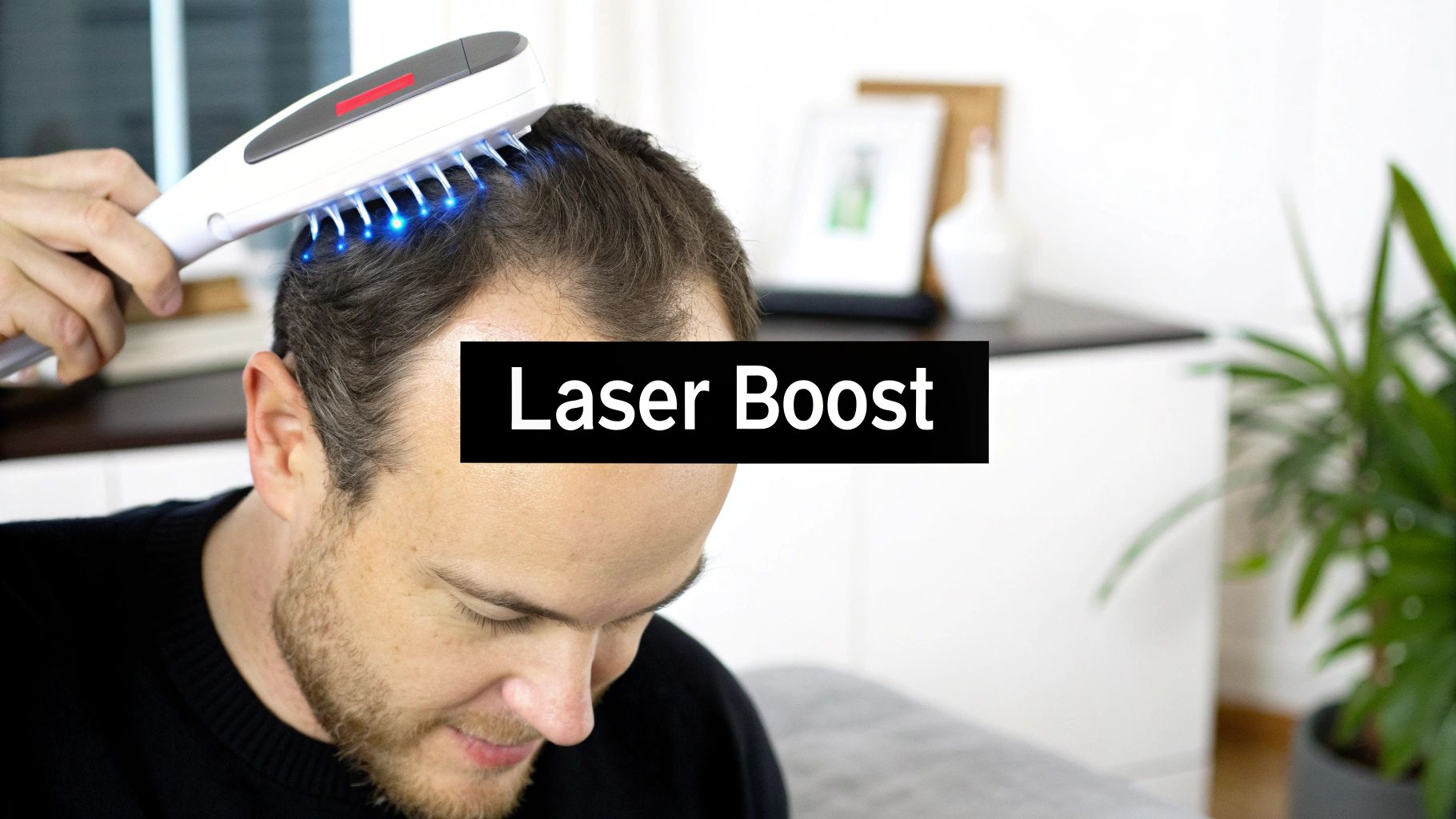
LLLT uses specific wavelengths of red light, typically between 630-670 nm, to energize hair follicles. This process, called photobiomodulation, increases ATP (cellular energy) production within the follicle, boosts blood flow to the scalp, and reduces inflammation. These factors are essential for healthy hair growth. The goal of LLLT is to reactivate dormant follicles and encourage them to enter the anagen (growth) phase.
LLLT is available through various devices, from professional lasers used in clinics to at-home options like caps, helmets, combs, and brushes. This accessibility, coupled with its drug-free nature, makes it attractive for men seeking a convenient and natural solution.
Features and Benefits
- Non-invasive: No surgery or injections are needed.
- Specific Wavelengths: Uses red light in the 630-670 nm range, ideal for follicle stimulation.
- Device Variety: Available in both professional and at-home formats (caps, helmets, combs, brushes).
- Drug-Free: Avoids the need for medications or topical treatments.
- Convenient Treatment: At-home devices offer flexibility and privacy, with sessions usually lasting 15-30 minutes, 3 times a week.
Pros
- FDA-Cleared for Safety: Some LLLT devices have received FDA clearance for safety and effectiveness in treating androgenetic alopecia.
- Painless and Easy: Treatments are comfortable with no downtime.
- Minimal Side Effects: No major side effects have been reported.
- Combinable with Other Treatments: LLLT can be used with other hair growth methods, such as minoxidil, for potentially better results.
Cons
- Cost: Effective LLLT devices can be pricey, ranging from $300 to $3,000.
- Consistency is Key: Results rely on consistent, long-term use.
- Varied Results: Effectiveness can differ significantly among individuals.
- Not for Complete Baldness: LLLT is ineffective in areas of complete hair loss or advanced baldness.
- Limited Large-Scale Studies: While promising, LLLT lacks the extensive research of established drug treatments.
Real-World Examples and Evidence
A 2014 study reported a 47% increase in hair count for men with pattern baldness after 26 weeks of LLLT. HairMax, a leading brand known for their LaserComb, has conducted clinical trials showing efficacy, resulting in FDA clearance. Positive results have also been documented when combining LLLT with minoxidil.
Tips for Implementation
- Clean Scalp: Ensure a clean scalp before each treatment to enhance light penetration.
- Consistency: Follow a regular treatment schedule, typically three times per week.
- Patience: Allow at least 3-6 months to evaluate effectiveness.
- Power Matters: Higher-powered devices tend to produce better results.
- Research: Choose devices supported by clinical studies specific to their model.
Popularized By
Companies like HairMax, iRestore, and Capillus have helped popularize LLLT. Many dermatologists and hair restoration specialists, including experts like Dr. Alan Bauman, often recommend LLLT as a viable treatment.
LLLT represents a promising option for men experiencing hair loss. Understanding its mechanisms, benefits, and limitations will help you decide if it's the right approach for your individual hair loss journey.
5. Essential Oil Treatments
Hair loss can be a frustrating experience for many men, leading them to explore natural alternatives to traditional pharmaceutical solutions. Essential oil treatments have gained popularity as a potentially gentler approach to promoting hair growth and improving scalp health. These potent plant extracts contain bioactive compounds that may address various underlying causes of hair loss, making them a worthwhile consideration for men experiencing thinning hair.
Essential oils work through several mechanisms. They can improve blood circulation to the scalp, delivering essential nutrients to the hair follicles. Some oils help balance sebum production, preventing excessive oiliness or dryness that can hinder hair growth. Additionally, many essential oils possess antimicrobial and anti-inflammatory properties, combating scalp conditions like dandruff or folliculitis that can contribute to hair loss.
Features and Benefits
- Natural and Plant-Derived: Essential oils provide a nature-based alternative for those seeking to avoid synthetic chemicals.
- Targeted Action: Specific oils can be selected to address individual scalp concerns. For example, tea tree oil is known for its antifungal properties, making it suitable for dandruff, while lavender oil can help soothe an irritated scalp.
- Aromatherapy Benefits: The pleasant aromas of essential oils can create a relaxing experience during application.
- Cost-Effective: Compared to prescription medications or procedures, essential oils are a relatively inexpensive option.
Real-World Examples and Research
Research on essential oils for hair loss is ongoing, but some studies show promise. A 2015 study indicated that rosemary oil was as effective as 2% minoxidil in treating androgenetic alopecia. Another study demonstrated that peppermint oil outperformed minoxidil in promoting hair growth in animal models. These findings, combined with the long history of traditional use of oils like bhringraj in Ayurvedic medicine and Chinese medicine, suggest potential efficacy.
Pros and Cons
Pros:
- Minimal side effects when used correctly
- Pleasant aromatherapy benefits
- Relatively affordable
- Improves overall scalp health
- Long history of traditional use
Cons:
- Limited scientific evidence compared to pharmaceuticals
- Potential for allergic reactions or skin irritation
- Modest results compared to medical treatments
- Requires consistent, long-term use
- Quality and potency vary among brands
Practical Tips for Implementation
- Dilution is Key: Always dilute essential oils with a carrier oil like jojoba, coconut, or argan oil. A common ratio is 3-5 drops of essential oil per tablespoon of carrier oil.
- Patch Test: Before applying to your entire scalp, test on a small area to check for allergic reactions.
- Massage and Application: Gently massage the diluted oil into your scalp and leave it on for at least 30 minutes, or overnight, before washing.
- Targeted Blends: Customize blends for specific needs. Combine tea tree and rosemary oil for dandruff, or lavender and cedarwood for stress-related hair thinning.
- Proper Storage: Store essential oils in dark glass containers away from heat and light to maintain potency.
- Discontinue if Irritated: Stop using the oil immediately if any irritation occurs.
Popularity and Evolution
The use of essential oils for hair care has gained traction through recommendations from herbalists, aromatherapists, and practitioners of traditional medicine. Natural hair care companies like Aura Cacia and Now Foods, along with brands specializing in holistic hair care, have contributed to their widespread use. By understanding the potential benefits and limitations, and following these practical tips, men can explore essential oil treatments as a complementary approach to managing hair loss. Consult a dermatologist or healthcare professional before incorporating essential oils into your hair care routine, especially if you have pre-existing scalp conditions or allergies.
6. Hair Growth Supplements
Hair loss can be a frustrating experience. While topical treatments can help, sometimes nourishing your hair from the inside out is key. This is where hair growth supplements come in. These supplements provide vitamins, minerals, and other nutrients designed to support the hair growth cycle. They aim to correct nutritional deficiencies and give your hair follicles the building blocks they need to thrive, potentially reducing thinning, breakage, and slow growth.
These supplements earn a place on this list because healthy hair growth depends on proper nutrition. If your diet is lacking key nutrients, your hair might suffer. Supplements can help fill those nutritional gaps, especially if you're not getting enough through your diet alone.
Features and Benefits
- Targeted Nutrients: These supplements often include biotin, vitamins A, C, D, and E, as well as zinc, iron, and sometimes specialized ingredients like saw palmetto (which may block DHT, a hormone linked to male pattern baldness) or marine collagen (which may support hair structure).
- Various Forms: Available in pills, gummies, powders, and liquids to suit your preference.
- Internal Support: Nourishes hair follicles from within to encourage healthy growth.
Pros of Hair Growth Supplements
- Convenience: An easy way to address multiple nutritional needs at once.
- Dietary Support: Helps compensate for nutritional gaps in your diet.
- Internal Focus: Addresses potential root causes of hair problems by targeting nutritional deficiencies.
- Bioavailable Nutrients: Provides ingredients that can be difficult to absorb sufficiently from food alone.
- Accessibility: Available without a prescription.
Cons of Hair Growth Supplements
- Cost: Can be more expensive than standard multivitamins.
- Regulation: Limited FDA regulation means quality can vary between brands.
- Interactions: May interact with some medications.
- Side Effects: Some individuals may experience digestive issues or other side effects.
- Limited Clinical Trials: While some brands have clinical backing, the supplement category as a whole isn't as rigorously tested as pharmaceuticals.
Real-World Examples and Case Studies
- Nutrafol: A physician-formulated brand, often recommended by dermatologists. A clinical trial showed 90% of women reported improved hair growth and quality after six months. While this study focused on women, the nutritional benefits can apply to men too.
- Viviscal: Known for its marine protein complex. Studies have indicated a 32% increase in hair count after three months.
- Before and After Documentation: Many dermatologists document the positive effects of specific supplement protocols on their patients' hair growth.
Popularity and Evolution
Hair growth supplements have become increasingly popular due to several factors. These include growing awareness of the link between nutrition and hair health, celebrity endorsements (like Khloe Kardashian and Reese Witherspoon), and effective social media marketing (particularly by brands like SugarBearHair). The rise of telehealth and personalized wellness plans has also contributed to this trend.
Tips for Using Hair Growth Supplements
- Consult a Healthcare Provider: This is especially important if you have pre-existing health conditions or take other medications.
- Third-Party Testing: Look for certifications like USP or NSF, which indicate quality and purity.
- Consistency is Key: Take your supplement consistently at the same time each day for best results.
- Track Your Progress: Take photos monthly to monitor any changes in your hair.
- Dosage: Don't exceed the recommended dosage, especially for fat-soluble vitamins like A, D, E, and K.
- Patience: Allow at least three to six months to see if the supplement is working for you.
Hair growth supplements can be a helpful tool, but they aren't a miracle cure. They are most effective as part of a holistic approach to hair health, which might also include topical treatments, stress management techniques, and a balanced diet.
7. Reducing Heat and Chemical Damage
While male pattern baldness is a major concern for men experiencing hair loss, other factors contribute to hair that appears to stop growing. One significant, often overlooked, culprit is damage from excessive heat styling and chemical treatments. Even with active follicle growth, breakage from damage effectively negates this, preventing you from reaching your desired length. That's why minimizing these sources of damage is so important.
This approach focuses on prevention. By minimizing damage, you allow your hair to maintain its natural growth cycle, resulting in visibly longer, healthier, stronger strands. This is particularly important for men who regularly use heat styling tools or undergo chemical treatments to manage thinning hair or create specific styles.
Understanding the Impact of Heat and Chemical Damage
Both heat and chemical treatments weaken the hair shaft, increasing breakage. Heat styling tools like blow dryers, flat irons, and curling irons, used excessively or at high temperatures, can damage hair, stripping its moisture and elasticity. Similarly, chemical processes like perming, coloring, and relaxing alter hair structure, causing dryness, brittleness, and increased breakage.
Real-World Examples
The benefits of reducing heat and chemical damage are well-documented. Celebrity hairstylist Jen Atkin frequently discusses the dramatic hair health improvements she’s seen in clients who reduce heat styling. Social media is full of before/after photos showcasing the recovery of heat-damaged hair. The natural hair movement's advocacy against chemical relaxers has led to countless success stories of improved length retention.
Evolution and Popularity
Minimizing heat and chemical damage has gained traction thanks to movements like the Curly Girl Method by Lorraine Massey, which emphasizes gentle, natural hair care. Stylists like Justine Marjan have popularized heatless styling techniques, showcasing creative, healthy styling options. Social media movements like #naturalhair and #healthyhairjourney have also amplified this message. Even products like the Olaplex haircare system focus on preventing and repairing chemical damage.
Practical Tips for Implementation
This approach requires conscious changes but is cost-effective, often reducing the need for multiple styling products and treatments.
- Limit Heat Styling: Restrict use to once a week or less.
- Use Heat Protectant: Always apply a heat protectant before heat styling.
- Lower the Temperature: Keep styling tools below 350°F/180°C.
- Space Out Chemical Treatments: Extend the time between chemical services.
- Embrace Heatless Styling: Experiment with braids, twists, or sock curls.
- Gentle Drying: Use microfiber towels to reduce friction.
- Sleep on Silk or Satin: Use silk or satin pillowcases to minimize friction.
- Reduce Manipulation: Stretch the time between washes.
Pros and Cons
Pros:
- Cost-effective
- Prevents damage
- Improves overall hair health
- Cumulative benefits
- Complements other hair growth approaches
Cons:
- Requires habit changes
- May initially limit styling options
- Results take time
- May require initial investment in new products/techniques
- Doesn't address internal/medical causes of slow growth
By understanding the damaging effects of heat and chemicals and implementing these tips, you can support your hair’s natural growth and achieve healthier, longer, more resilient strands. Even if experiencing male pattern baldness, minimizing breakage will help you maintain the healthiest possible hair from the follicles that are still active.
8. Prescription Treatments and Medical Interventions
When persistent hair loss doesn't respond to over-the-counter remedies, the underlying cause might be more complex. This is where prescription treatments and medical interventions become crucial, especially for men experiencing significant hair loss. These approaches tackle the root causes, addressing medical conditions, hormonal imbalances, and even genetic predispositions that hinder hair growth.
Unlike over-the-counter options, these treatments target the specific biological mechanisms behind hair loss. Administered under the supervision of a healthcare professional, they offer personalized care and mitigate potential risks. This medical oversight is essential due to the treatments' potency and potential side effects.
Features of Medical Interventions
-
Prescription-Strength Medications: These target specific hair loss causes like DHT sensitivity (a major factor in male pattern baldness) with medications like Finasteride(Propecia). Clinical trials have shown Finasteride can maintain or increase hair count in 83% of cases.
-
Hormone-Regulating Treatments: Conditions such as Polycystic Ovary Syndrome (PCOS) or thyroid disorders can disrupt hair growth. Medical interventions can address these underlying hormonal imbalances.
-
Injectable Treatments: Platelet-Rich Plasma (PRP) therapy involves injecting concentrated platelets into the scalp to stimulate hair follicle activity. Studies have shown PRP therapy can increase hair density by 30% after three months.
-
Surgical Options: Hair transplantation, particularly Follicular Unit Extraction (FUE) techniques, offers a permanent solution with a transplanted follicle survival rate of over 95%. Surgeons like Dr. Jeffrey Epstein have popularized these techniques.
-
Comprehensive Medical Diagnosis: A thorough medical evaluation, often including blood work, helps pinpoint the exact cause of hair loss before any treatment begins.
Pros of Medical Interventions
- Addresses underlying medical causes.
- Supervised by healthcare professionals.
- Often more effective for severe hair loss.
- Offers combination treatment possibilities.
- Backed by scientific research.
- Potential for insurance coverage.
Cons of Medical Interventions
- Higher cost than over-the-counter options.
- Potential for serious side effects.
- Requires ongoing medical appointments.
- Some treatments are invasive (e.g., transplantation).
- Varied results timeframe.
- Not guaranteed to work for everyone.
Examples of Success
-
Successful treatment of traction alopecia (hair loss caused by tight hairstyles) with steroid injections and other therapies, as seen by dermatologists like Dr. Michele Green.
-
Specialized hair clinics like Bernstein Medical and Ziering Medical showcase the effectiveness of tailored interventions.
-
Companies like Merck (finasteride) and Bosley demonstrate the growing research and development in this field.
Tips for Pursuing Medical Interventions
- Consult a dermatologist specializing in hair disorders.
- Get comprehensive blood work.
- Understand the risks and potential side effects.
- Consider combination therapies.
- Document your progress with photos.
- Be patient and allow 6-12 months for results.
- Explore insurance coverage options.
Prescription treatments and medical interventions represent a significant advancement in addressing hair loss. They target the underlying biological mechanisms, offering a more comprehensive approach. While costlier and potentially involving side effects, the possibility of treating the root cause makes them a valuable option for men seeking long-term solutions, offering hope where other treatments may not.
8-Point Hair Growth Strategy Comparison
| Strategy | 🔄 Complexity | ⚡ Resource Requirements | 📊 Expected Outcomes | 💡 Ideal Use Cases | ⭐ Key Advantages |
|---|---|---|---|---|---|
| Optimize Your Diet for Hair Growth | Medium: Requires sustained dietary changes | Low-Medium: Accessible with everyday foods & supplements | Gradual hair improvement over 3-6 months with overall health support | Ideal for addressing nutritional deficiencies naturally | Natural, sustainable, few side effects |
| Scalp Massage and Stimulation Techniques | Low: 5-10 minutes daily routine | Very Low: Minimal tools required | Moderate improvement via enhanced circulation and stress reduction | Suitable for early hair loss maintenance or as a complementary method | Non-invasive, affordable, and stress-relieving |
| Minoxidil Treatment | Medium: Daily application regimen with consistency needed | Low: Over-the-counter product with ongoing costs | Clinically proven density increase over 3-6 months; effects are temporary if stopped | Ideal for androgenetic alopecia in both men and women | Proven efficacy, easy home use, readily available |
| Low-Level Laser Therapy (LLLT) | Medium-High: Requires device use and adherence to schedule | High: Significant initial investment in quality devices | Noticeable hair count increase with regular, long-term use | Ideal for non-pharmaceutical users willing to invest in technology | FDA-cleared, non-invasive, and safe for home treatment |
| Essential Oil Treatments | Low-Medium: Routine application with proper dilution | Low: Affordable essential and carrier oils | Modest improvement in scalp health; supportive effect on hair growth | Ideal for natural remedy enthusiasts and as an adjunct therapy | Natural, cost-effective, with multipurpose benefits |
| Hair Growth Supplements | Low: Simple daily oral supplementation | Medium: Consistent supplement purchase required | Gradual internal improvement over 3-6 months by addressing deficiencies | Ideal for individuals with nutritional gaps impacting hair health | Convenient, comprehensive nutrient support |
| Reducing Heat and Chemical Damage | Low: Involves lifestyle and styling habit adjustments | Low-Medium: Minimal cost; may invest in safer styling tools | Cumulative improvement in hair strength and better length retention | Ideal for those with damage from excessive heat or chemicals | Cost-effective, preventive, and enhances overall hair health |
| Prescription Treatments and Medical Interventions | High: Requires medical diagnosis and professional monitoring | High: Expensive; often requires multiple appointments | Targeted improvement for medically related hair loss; variable timeline | Ideal for severe cases and hormonal or medical-related conditions | Addresses underlying causes with evidence-based methods |
Embracing a Holistic Approach to Hair Growth
Achieving healthy hair growth often requires a multifaceted strategy. Think of it as a combination of different approaches working together. From nutritional adjustments and stress management to targeted treatments and professional guidance, numerous options exist.
We've explored various methods in the past, including the use of hair growth supplements, minimizing heat and chemical damage, and even prescription treatments and medical interventions. While individual solutions can be effective, a holistic approach often yields the best results.
Combining Strategies for Optimal Growth
Consider combining the following:
- Lifestyle Changes: Diet optimization, stress reduction techniques, and scalp massages.
- Targeted Treatments: Exploring options like minoxidil, LLLT (Low-Level Laser Therapy), and essential oils.
- Professional Guidance: Consulting with a dermatologist or trichologist for personalized recommendations.
Remember, patience and consistency are essential. Hair growth is a gradual process, so embrace these strategies and celebrate each step forward.
Personalizing Your Hair Growth Journey
What works for one person may not work for another. Personalization is key. Begin by identifying the potential underlying causes of your hair loss. This could involve blood tests to check for nutritional deficiencies or a thorough review of your current hair care practices.
Once you've identified potential causes, address them systematically. For instance, if stress seems to be a major contributor, incorporate stress-reduction techniques like meditation or yoga into your routine. If nutritional deficiencies are suspected, prioritize dietary changes and consider adding supplements after consulting with a healthcare professional.
Monitoring Progress and Adapting Your Approach
Continuous learning is essential for long-term success. Monitor your progress and adjust your approach as needed. A hair journal can be a valuable tool. Document your routine, track changes, and note any improvements or setbacks. This will allow you to fine-tune your strategy over time.
The field of hair loss treatment is constantly evolving. Stay informed about new developments and advancements, such as platelet-rich plasma (PRP) therapy. This knowledge will empower you to make informed decisions about your hair health.
Key Takeaways:
- Holistic Approach: Combine lifestyle changes, targeted treatments, and professional guidance.
- Patience and Consistency: Hair growth requires time and dedication.
- Personalization: Tailor your approach to your individual needs and circumstances.
- Continuous Learning: Stay updated on the latest advancements and adapt your strategy accordingly.
Ready to explore cutting-edge treatments like PRP? Learn more about this innovative therapy and its potential benefits at PRP For HairLoss. Gain the knowledge and resources you need to make informed decisions about your hair restoration journey.

 PRP For Hairloss
Leave a comment