Unlocking The Healing Power Of Your Own Blood
Imagine accelerating healing, combating hair loss, and rejuvenating your appearance using the regenerative power of your own blood. This is the potential of platelet-rich plasma (PRP) therapy. From its initial use in accelerating wound healing, PRP has rapidly expanded into sports medicine, orthopedics, and cosmetic procedures, becoming a powerful tool in regenerative medicine.
What makes this approach so effective? The key lies in the concentrated growth factors within your blood platelets. These growth factors act as biological messengers, stimulating cell regeneration and tissue repair. This approach, based on the body's natural healing mechanisms, provides a promising alternative to traditional treatments.
Understanding how PRP works and its potential benefits is vital for anyone considering this therapy.
Eight Compelling Examples of PRP Results
This article will explore eight compelling examples of platelet-rich plasma results across various health and aesthetic concerns. We'll demonstrate the breadth and depth of this exciting field, from revitalizing hair follicles to easing joint pain.
-
Hair Restoration: PRP injections can stimulate dormant hair follicles, promoting hair regrowth and combating hair loss.
-
Skin Rejuvenation: PRP can improve skin texture, reduce wrinkles, and address acne scarring, leading to a more youthful appearance.
-
Osteoarthritis: PRP injections can reduce pain and inflammation in affected joints, improving mobility and function.
-
Sports Injuries: PRP can accelerate the healing of tendon and ligament injuries, helping athletes return to activity sooner.
-
Surgical Wound Healing: PRP can promote faster healing and reduce scarring after surgical procedures.
-
Sexual Health: PRP therapy can improve sexual function and address conditions like erectile dysfunction.
-
Chronic Pain Management: PRP injections can offer relief from chronic pain conditions affecting various areas of the body.
-
Facial Aesthetics: PRP can be used in combination with other treatments like microneedling to enhance facial aesthetics.
Discover how PRP is unlocking the body's innate potential to heal and regenerate. For further information, explore resources available online regarding PRP and its diverse applications.
1. Platelet-Rich Plasma (PRP) for Hair Loss Treatment
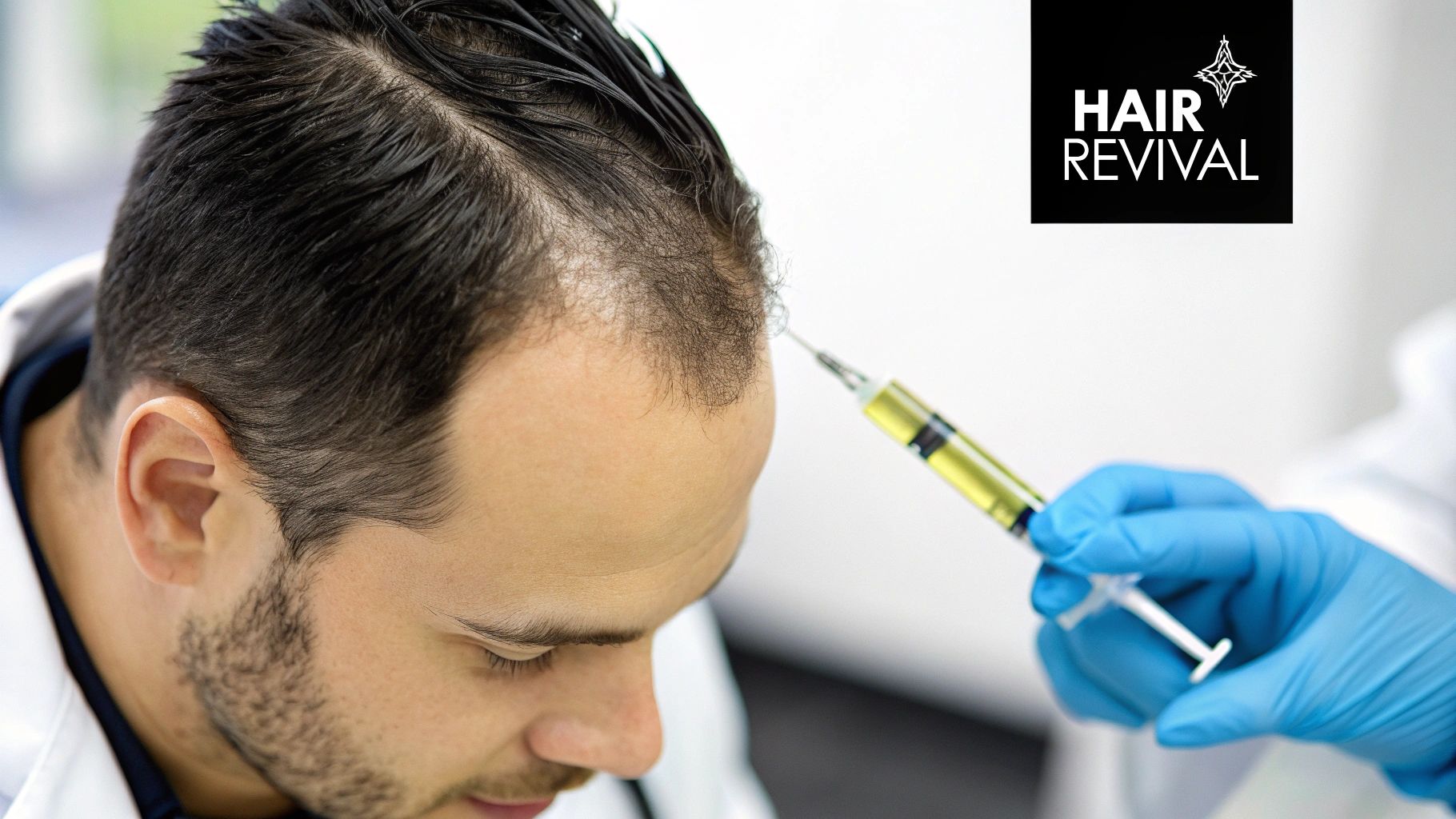
Hair loss can be a distressing experience, impacting both self-esteem and confidence. Many treatments are available, but Platelet-Rich Plasma (PRP) therapy has become a popular option for men experiencing thinning hair or hair loss. This treatment uses the body's own healing capabilities to encourage hair follicle regeneration. Its position on this list is due to its minimally invasive nature, potential effectiveness, and increasing popularity as a non-surgical hair restoration method.
PRP therapy leverages the growth factors present in your blood. The process begins with a small blood sample, much like a standard blood test. This sample is then placed in a centrifuge to isolate the platelet-rich plasma from other blood components. The resulting concentrated PRP, packed with growth factors, is then injected into the specific scalp areas experiencing hair loss. These growth factors stimulate the hair follicles to enter the growth phase, potentially leading to increased hair count, thickness, and a longer growth cycle.
The procedure is autologous, meaning it uses your own blood. This minimizes the risk of allergic reactions or disease transmission. It's also minimally invasive, requiring no incisions or stitches, which allows for a quick recovery. You can usually resume normal activities immediately after treatment.
Features and Benefits
- Autologous Treatment: Uses your own blood, reducing risks.
- Minimally Invasive: No surgery is needed, enabling fast recovery.
- Potential for Increased Hair Density: Studies suggest potential improvements of 30-40% in responsive patients.
- Can Be Combined With Other Treatments: PRP can be used with microneedling or other hair loss therapies for better results.
Pros and Cons of PRP Therapy
Here’s a quick overview of the advantages and disadvantages:
| Pros | Cons |
|---|---|
| Minimal downtime and recovery | Results vary between individuals |
| Low risk of allergic reactions | Multiple sessions required (typically 3-6 initially, followed by maintenance) |
| Potential for significant hair density improvement | Effects may be temporary, needing ongoing maintenance |
| No significant side effects compared to medications | Relatively expensive and often not covered by insurance |
Real-World Examples and Studies
A 2019 study in the Journal of Cosmetic Dermatology found a 30% increase in hair density after three months of PRP treatments. Other studies on male pattern baldness have shown increases in hair count ranging from 19-31%. These results indicate that PRP can provide noticeable improvements for some people.
Evolution and Popularity
PRP therapy for hair loss was initially developed by dermatologists like Dr. Jeffrey Rapaport. Its popularity has surged, driven in part by celebrity endorsements. This increased visibility, coupled with encouraging clinical data, has made PRP a highly sought-after treatment option for men exploring non-surgical hair restoration.
Practical Tips for Implementation
- Early Intervention: PRP typically produces better results when started in the early stages of hair loss.
- Combination Therapy: Consider combining PRP with microneedling, as this can amplify results.
- Realistic Expectations: Understand that individual results differ, and PRP might not completely reverse hair loss.
- Patience is Key: Allow at least 3-6 months for the treatment's full effects to become apparent.
While PRP offers a promising solution for hair loss, consulting with a qualified dermatologist or hair restoration specialist is essential. They can assess your specific condition, determine your suitability for PRP, and develop a personalized treatment plan to optimize your chances of success.
2. PRP For Orthopedic and Sports Injuries
Platelet-Rich Plasma (PRP) therapy is showing promising results for treating orthopedic and sports injuries. Its ability to speed up healing and potentially reduce the need for more invasive procedures earns it a spot on this list. While PRP is also being explored for hair loss, its use in orthopedics and sports medicine truly showcases its regenerative potential. PRP therapy works by concentrating platelets, which are rich in growth factors essential for tissue repair, thus leveraging the body's natural healing process.
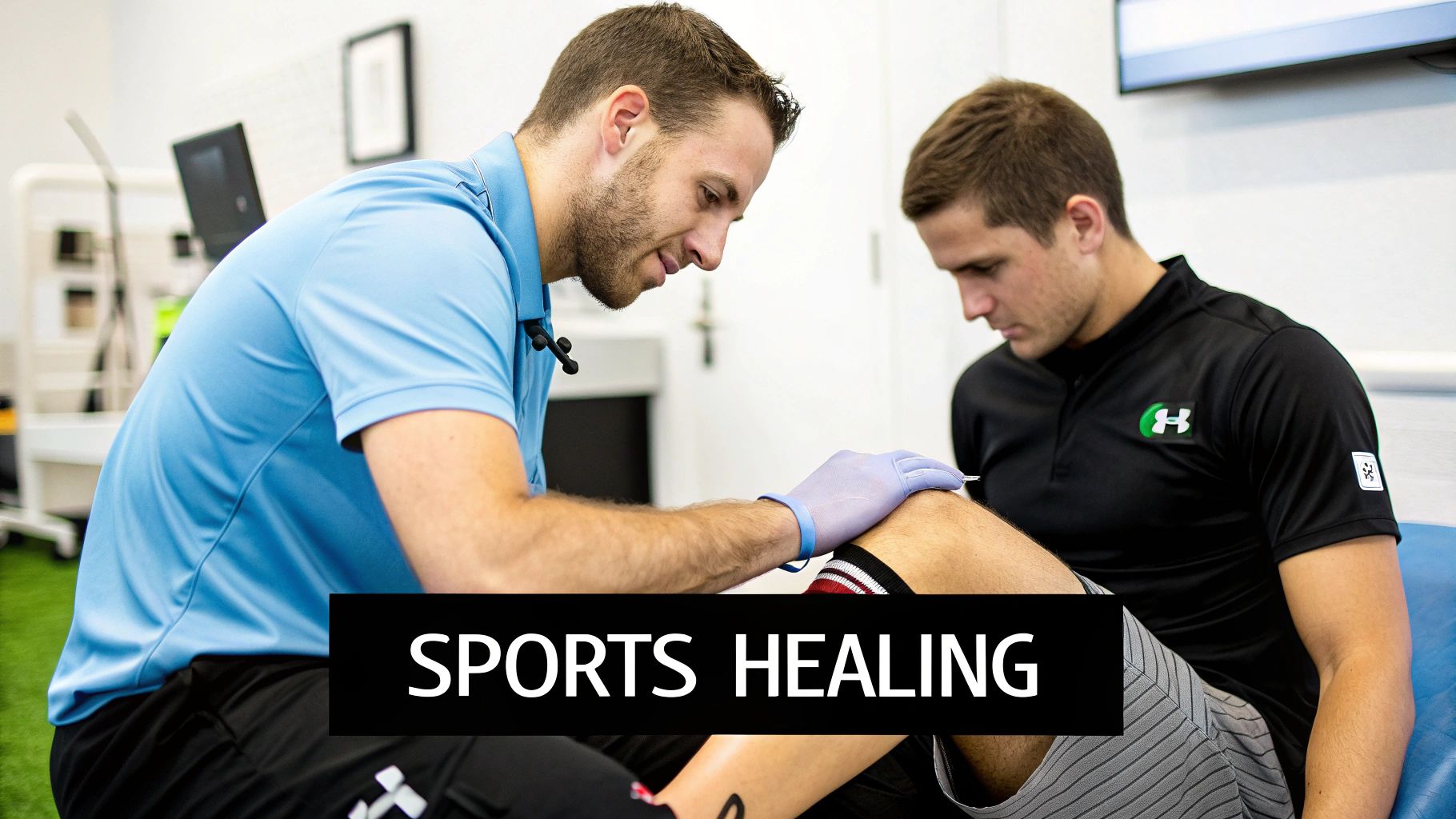
In orthopedic applications, PRP is injected into injured areas like tendons, ligaments, muscles, and joints to stimulate healing. This concentrated solution, typically 5-10 times the normal platelet concentration, delivers a powerful combination of growth factors. These include Platelet-Derived Growth Factor (PDGF), Transforming Growth Factor-beta (TGF-β), Vascular Endothelial Growth Factor (VEGF), and Epidermal Growth Factor (EGF). Working together, these growth factors reduce inflammation and regenerate damaged tissue, particularly in areas with limited blood supply.
Features and Benefits
- Concentrated Platelets: The high concentration of platelets ensures a therapeutic dose of growth factors is delivered.
- Minimally Invasive: PRP injections are an outpatient procedure, usually taking about 30 minutes.
- Precision Application: Ultrasound guidance is often used for precise PRP delivery to the injured area.
- Natural Healing: PRP utilizes the body's own healing processes, potentially lessening the need for anti-inflammatory drugs and surgery.
Pros and Cons of PRP Therapy
Here's a simple breakdown of the advantages and disadvantages:
| Pros | Cons |
|---|---|
| Speeds up natural healing | Effectiveness varies by condition and patient |
| May reduce need for anti-inflammatory drugs | Limited insurance coverage |
| Minimally invasive alternative to surgery | May require multiple injections for best results |
| Low risk of complications or rejection | Standardization issues in PRP preparation methods exist |
Real-World Examples and Growing Popularity
PRP therapy gained considerable attention when high-profile athletes like Kobe Bryant, Rafael Nadal, and Stephen Curry used it for injury recovery. The Pittsburgh Steelers' medical team also incorporated PRP during their 2009 Super Bowl run, further boosting its profile. Pioneering physicians like Dr. Allan Mishra of Stanford University and Dr. Steven Sampson, founder of the Orthohealing Center, have been key figures in promoting and developing PRP therapies. A 2014 study in the American Journal of Sports Medicine indicated an 84% success rate for PRP in treating chronic tennis elbow, compared to a 68% success rate for cortisone injections, showcasing its potential effectiveness.
Practical Tips for PRP Treatment
- Avoid Anti-inflammatories: Don't take anti-inflammatory medications before or after PRP treatment, as they can hinder its effectiveness.
- Follow Rehabilitation Protocols: Stick to the prescribed post-injection rehabilitation plan to optimize healing and recovery.
- Patience is Key: Results usually appear gradually over 4-6 weeks.
- Ideal for Chronic Tendon Injuries: PRP often works best for chronic tendon injuries like tennis elbow and Achilles tendinopathy.
While PRP therapy offers significant promise, consult a qualified medical professional to assess its suitability for your particular condition and to establish realistic expectations. This information is for educational purposes only and is not medical advice.
3. PRP For Facial Rejuvenation (Vampire Facial)
The PRP facial rejuvenation treatment, better known as the "Vampire Facial," offers a fresh approach to fighting the signs of aging and improving skin texture. It combines Platelet-Rich Plasma (PRP), derived from the patient's blood, with microneedling. This stimulates collagen production and accelerates cell turnover, creating a more youthful look. While primarily used for facial rejuvenation, the underlying principles of PRP stimulating collagen and tissue regeneration could benefit other body areas as well.
The procedure begins with a small blood sample from the patient. This sample is then spun in a centrifuge to isolate the PRP, which is rich in growth factors. The PRP is then applied to the face during microneedling. Microneedling creates tiny punctures, allowing deeper PRP penetration and further stimulating the body's natural healing and collagen production. The combined effect of PRP and microneedling results in improved skin texture, fewer fine lines and wrinkles, minimized acne scarring, and a more even skin tone.
This treatment highlights PRP's versatility beyond hair restoration, showing its effectiveness in stimulating cell regeneration and collagen production for overall skin rejuvenation. While men may not typically seek "facials," the science behind PRP's regenerative properties is relevant for anyone interested in addressing skin concerns, including scarring.
What to Expect
A Vampire Facial typically takes 45-60 minutes in a clinical setting. While it's a natural approach using the body's healing mechanisms, it's crucial to understand both the advantages and disadvantages.
Pros of the Vampire Facial
- Stimulates Natural Collagen Production: This leads to firmer, more youthful-looking skin.
- Improves Skin Texture and Tone: Reduces the appearance of pores, unevenness, and blemishes.
- Addresses Fine Lines, Acne Scars, and Sun Damage: Results in a smoother, more even complexion.
- Less Downtime Than Invasive Procedures: Allows for a quicker return to normal activities.
Cons of the Vampire Facial
- Temporary Redness and Swelling: This typically lasts for 1-3 days post-procedure.
- Multiple Sessions Required: Achieving optimal results usually involves a series of treatments.
- Cost: The price can range from $500-$2500 per treatment.
- Not Suitable for Everyone: Those with active skin infections or certain blood disorders may not be candidates.
Results and Evidence
Clinical studies show a 40-60% improvement in skin elasticity after three Vampire Facial treatments. Controlled trials also demonstrate a visible reduction in acne scarring after 3-6 treatments, highlighting the procedure's efficacy.
History and Popularity
The "Vampire Facial" was popularized and trademarked by Dr. Charles Runels. Kim Kardashian's 2013 social media post featuring her undergoing the treatment boosted its fame. Since then, endorsements from numerous celebrities, including Bar Refaeli, have solidified its place in the aesthetic treatment world.
Tips for Optimal Results
- Sun Protection: Avoid sun exposure for at least a week after treatment.
- Preparation: Stop using retinoids and exfoliants 5-7 days prior to the procedure.
- Patience: Visible results typically appear after 3-4 weeks and continue to improve over several months.
- Maintenance: Maintenance treatments every 6-12 months are recommended for lasting results.
4. PRP For Knee Osteoarthritis
Knee osteoarthritis, a degenerative joint disease, affects millions and often causes debilitating pain and reduced mobility. While this article focuses on PRP for hair loss, understanding PRP's wider applications is important. Its success in treating knee osteoarthritis showcases its regenerative potential, making it a relevant topic even for those interested in hair restoration.
This success highlights the versatility of PRP as a treatment modality.
PRP therapy offers a promising alternative to traditional osteoarthritis treatments, especially for those wanting to delay or avoid surgery. It involves injecting a concentrated solution of the patient's own platelets directly into the affected knee joint. These platelets are rich in growth factors, proteins crucial for tissue repair and regeneration.
How PRP Works For Knee Osteoarthritis
The growth factors in PRP stimulate healing within the knee joint by:
-
Reducing Inflammation: PRP helps calm the inflammatory response that contributes to pain and cartilage breakdown.
-
Promoting Cartilage Repair: Growth factors encourage new cartilage cell and matrix formation.
-
Improving Joint Lubrication: PRP may stimulate hyaluronic acid production, a natural joint lubricant.
Features of PRP for Knee Osteoarthritis
-
Targeted Injections: PRP is injected precisely into the affected knee joint compartments.
-
Multiple Injections: Typically, 1-3 injections are given, spaced 2-4 weeks apart.
-
Specialized Preparation: PRP preparation is often modified for joints to optimize growth factor concentration for cartilage repair.
-
Combination Therapy: Sometimes, PRP is combined with hyaluronic acid injections for enhanced lubrication and pain relief.
Pros of PRP for Knee Osteoarthritis
-
Pain Reduction: Many patients experience significant pain reduction for 6-12 months.
-
Improved Joint Function: Increased mobility and range of motion are common.
-
Delayed Surgery: PRP can potentially postpone or eliminate knee replacement.
-
Minimal Side Effects: PRP injections are low-risk compared to corticosteroids.
Cons of PRP for Knee Osteoarthritis
-
Limited Efficacy in Advanced Cases: PRP is less effective in severe osteoarthritis with significant cartilage loss.
-
Age and Severity Impact: Effectiveness decreases with age and disease severity.
-
Diminishing Returns: Benefits may decrease, requiring repeat treatments.
-
Lack of Standardization: Variations in preparation methods can affect outcomes.
Real-World Examples and Research
-
A 2021 study in JAMA Network Open showed 58% of patients receiving PRP for knee osteoarthritis had at least a 50% pain reduction at one year, compared to 25% receiving saline.
-
A 2017 systematic review of 14 randomized trials found PRP superior to hyaluronic acid injections for pain relief and functional improvement.
Practical Tips for PRP Treatment
-
Ideal Candidates: Patients with mild to moderate osteoarthritis (Kellgren-Lawrence grades 1-3) benefit most.
-
Post-Injection Care: Activity modification is recommended for 24-48 hours post-injection.
-
Combined Therapy: Combining PRP with physical therapy often yields best results.
-
Age Factor: Patients under 67 tend to have better outcomes.
Pioneers and Popularization of PRP
Experts like Dr. Brian Halpern at the Hospital for Special Surgery and Dr. Scott Rodeo, orthopedic surgeon for the NY Giants, have championed PRP for knee osteoarthritis. Research by organizations like the International Cartilage Repair Society has also contributed to its growing popularity.
While not directly related to hair loss, PRP's success with knee osteoarthritis demonstrates its regenerative properties and validates its potential in various medical fields. This underscores the relevance of understanding PRP therapy, even for those primarily interested in hair restoration.
5. PRP For Chronic Tendinopathy
Chronic tendinopathy, a persistent tendon injury, can significantly impact quality of life, especially for active individuals. While this article focuses on general PRP applications, its benefits extend to men, including those experiencing hair loss, who may also suffer from tendon injuries. PRP therapy offers a promising solution for these stubborn conditions by utilizing the body's natural healing abilities. It deserves a place on this list due to its potential to resolve chronic inflammation and regenerate tissue where other treatments have failed.
PRP therapy for chronic tendinopathy involves injecting a concentrated platelet solution, derived from the patient's own blood, directly into the affected tendon. These platelets release growth factors that stimulate cell growth and tissue repair, accelerating the natural healing process. This is especially beneficial for tendons, which often have poor blood supply, hindering their ability to heal effectively on their own.
How It Works
PRP injections target the tendon-bone interface or the tendon itself. Ultrasound guidance ensures accurate placement. The procedure may involve a single injection or a series of 2-3 injections, depending on the individual's response and injury severity. Two main formulations exist: leukocyte-rich PRP and leukocyte-poor PRP, and the optimal preparation is still under debate.
Conditions Treated
PRP effectively treats various chronic tendinopathies, including:
- Tennis elbow (lateral epicondylitis)
- Achilles tendinopathy
- Rotator cuff injuries
- Patellar tendinopathy
Benefits (Pros)
- Reduces chronic inflammation: PRP addresses the underlying problem, not just the symptoms.
- Avoids corticosteroid side effects: Unlike corticosteroid injections, PRP doesn't weaken the tendon over time.
- May eliminate the need for surgery: PRP offers a less invasive alternative.
- Promotes healing: Encourages actual tissue regeneration.
Drawbacks (Cons)
- Initial pain flare: Around 15-20% of patients experience temporarily increased pain post-injection.
- Variable results: Success rates depend on the injury's chronicity and location.
- Requires activity modification: Temporary activity restrictions are necessary after the procedure.
- Optimal protocol debated: Research continues to determine the most effective PRP preparation and injection protocol.
Real-World Examples and Case Studies
Studies show 85-95% success rates for chronic tennis elbow treated with PRP after conservative treatments fail. Professional baseball pitchers with partial UCL tears have returned to play 20-30% faster after PRP treatment. Athletes like Rafael Nadal using PRP for patellar tendinopathy has highlighted its potential.
Rise in Popularity
PRP therapy for tendinopathy gained traction thanks to pioneering research by individuals like Dr. Allan Mishra at Stanford and standardized protocols like the Orthohealing Method by Dr. Steven Sampson. These advancements, along with successful treatment of high-profile athletes, contributed to its wider adoption.
Practical Tips for Implementation
- Avoid NSAIDs: Refrain from NSAID use for 7-10 days before and after the injection.
- Rehabilitation is key: A progressive loading rehabilitation program is essential.
- Patience is required: Results typically appear 6-12 weeks post-injection.
- Vitamin D: Consider vitamin D supplementation before treatment if deficient.
By understanding the benefits, drawbacks, and practical considerations, individuals can make informed decisions about PRP therapy for chronic tendinopathy.
6. PRP For Wound Healing and Diabetic Ulcers
While Platelet-Rich Plasma (PRP) therapy is often discussed regarding hair restoration, it also has a remarkable track record in accelerating the healing of chronic wounds, especially diabetic ulcers. This application highlights PRP's power to stimulate tissue regeneration on a broader scale, making it a valuable tool in wound care.

For individuals suffering from slow-healing wounds, particularly those with diabetes, PRP offers a potential lifeline. Diabetic ulcers are notoriously difficult to treat and often lead to serious complications, including amputation. PRP therapy utilizes the concentrated growth factors in your own blood to kickstart the healing process in these stubborn wounds. The platelets release proteins that attract stem cells, promote the formation of new blood vessels (angiogenesis), and stimulate the production of extracellular matrix – the building blocks for new tissue.
How It Works
PRP can be applied directly to the wound bed as a gel, injected into the surrounding tissue, or incorporated into wound dressings. It's often used in conjunction with standard wound care protocols and may require weekly applications until the wound heals.
Features and Benefits
-
Stimulates Tissue Regeneration: PRP accelerates the body's natural healing mechanisms.
-
Improves Blood Supply: Angiogenesis, stimulated by PRP, brings vital nutrients and oxygen to the wounded area.
-
Reduces Infection Rates: A faster healing time inherently reduces the risk of infection.
-
Effective in Wounds with Poor Vascularization: This is particularly important for diabetic patients who often suffer from compromised circulation.
Pros and Cons of PRP Therapy
Here's a quick breakdown of the advantages and disadvantages:
| Pros | Cons |
|---|---|
| Significant acceleration of healing | Requires specialized equipment |
| Reduction in infection rates | Multiple applications are needed |
| Potential to reduce amputation rates | Not effective for all wound types |
| Effective in wounds with poor circulation | Challenging to standardize protocols |
Real-World Examples and Case Studies
A 2018 systematic review revealed an 87% healing rate for diabetic foot ulcers treated with PRP, compared to just 43% with standard care. Controlled studies have also shown an average 40% reduction in healing time for venous leg ulcers.
Evolution and Popularity
Dr. Robert Marx is considered a pioneer in using PRP for wound healing. The therapy has gained significant traction in wound care centers at major institutions, such as Harvard's Joslin Diabetes Center, and has been adopted by the VA hospital system for treating veterans’ chronic wounds. These real-world applications demonstrate its efficacy and solidify its position as a valuable treatment option.
Practical Tips for Implementation
-
Debridement: Removing necrotic (dead) tissue before PRP application improves results.
-
Offloading: Combine with appropriate offloading techniques for diabetic foot ulcers to relieve pressure on the wound.
-
Monitoring: Closely monitor the wound for any signs of infection.
-
Comprehensive Approach: Best results are achieved when PRP is integrated into a comprehensive wound care approach.
This application of PRP deserves recognition due to its potential to dramatically improve the lives of those suffering from chronic wounds. While it may not be a primary concern for men experiencing hair loss, understanding the broader regenerative capabilities of PRP provides context for its effectiveness and demonstrates its potential beyond cosmetic applications. It showcases the versatile nature of this therapy and its ability to address a variety of medical concerns.
7. PRP For Sexual Health and Dysfunction
Platelet-rich plasma (PRP) therapy is becoming increasingly recognized for its potential in addressing sexual health concerns. While often associated with hair restoration, PRP's versatility extends to other areas of health and wellness, making it a relevant topic even for those primarily focused on hair loss. This minimally invasive procedure involves injecting concentrated platelets, derived from the patient's own blood, into specific genital tissues. This stimulates regeneration and enhances blood flow.
How Does It Work?
PRP contains growth factors that encourage tissue repair and the formation of new blood vessels. For men, the Priapus Shot (P-Shot) involves injecting PRP into the penis. This can potentially treat erectile dysfunction (ED) and Peyronie's disease, a condition causing curvature of the penis. For women, the O-Shot targets the clitoris and vaginal areas. This potentially addresses decreased sensitivity, painful intercourse (dyspareunia), and even urinary incontinence.
Features and Benefits of PRP Therapy
- Minimally Invasive: The procedure typically takes 30-45 minutes and uses topical anesthetics for patient comfort.
- Targeted Approach: Injections are administered to specific tissues based on the patient's gender and individual condition.
- Combination Therapy: PRP for sexual health can be combined with other therapies. These may include acoustic wave therapy or hormone optimization for potentially enhanced results.
- Potential Benefits: Reported benefits may include improved sensitivity, enhanced sexual function, and increased relationship satisfaction. Some men report improved firmness and potential size increases. Some women may experience increased lubrication and orgasm intensity.
Real-World Examples and Case Studies
While large-scale clinical trials are still limited, smaller studies and case series suggest promising outcomes. Some studies have shown 65-75% satisfaction rates among women receiving the O-Shot for various sexual health concerns. Case series for the P-Shot have reported improvement in erectile function scores by 5-7 points on the International Index of Erectile Function (IIEF) scale.
Evolution and Growing Popularity
The O-Shot and P-Shot were popularized by Dr. Charles Runels, bringing them to the attention of specialists in anti-aging and regenerative medicine. Growing awareness of PRP's potential, coupled with the demand for non-surgical solutions for sexual dysfunction, has contributed to its rising popularity in sexual health clinics, especially in metropolitan areas.
Weighing the Pros and Cons
Pros:
- Potential improvement in sensitivity and sexual function
- Non-pharmaceutical approach with minimal side effects
- May address multiple sexual health issues concurrently
- Potential for improved quality of life and relationship satisfaction
Cons:
- Limited large-scale clinical trials validating long-term efficacy
- Varied results between individuals
- Multiple treatments often required for optimal and lasting results
- Can be expensive and is rarely covered by insurance
Practical Tips for Implementation
- Lifestyle Modifications: Combining PRP therapy with a healthy lifestyle, including regular exercise, a balanced diet, and stress management techniques, may yield the best results.
- Realistic Expectations: It’s important to have realistic expectations regarding the timeline for visible results, which can typically range from 4-12 weeks.
- Hormonal Status: Evaluating and optimizing hormonal balance before PRP treatment is advisable, as hormones significantly influence sexual function.
- Severity of Dysfunction: PRP therapy may be most effective for mild to moderate sexual dysfunction.
While PRP for sexual health appears promising, consulting a qualified healthcare professional is essential to determine its suitability for your individual needs. They can assess your specific situation, discuss potential risks and benefits, and create a personalized treatment plan.
8. PRP For Dental And Oral Surgery Applications
While often associated with hair restoration, platelet-rich plasma (PRP) also plays a significant role in accelerating healing and improving outcomes in dental and oral surgery. This makes it a relevant topic even for those primarily interested in hair loss, as it demonstrates the diverse regenerative capabilities of PRP and the broader potential of this therapy.
PRP, in dental applications, involves concentrating platelets from a patient's own blood and applying this concentrate to surgical sites. The concentrated growth factors within PRP stimulate bone regeneration, soft tissue healing, and reduce post-operative complications. This can be particularly valuable after tooth extractions, implant placements, bone grafts, periodontal treatments, and even complex procedures like maxillofacial reconstruction and sinus lifts.
How It Works:
PRP is prepared chairside by drawing a small amount of the patient's blood and spinning it in a centrifuge to separate the platelet-rich plasma from other blood components. This concentrate can be applied directly to extraction sockets, implant sites, or surgical wounds. It's often combined with bone grafting materials to enhance their effectiveness and can even be prepared in a membrane form for guided tissue regeneration.
Features And Benefits:
-
Accelerated Bone Formation: Studies show a remarkable 40-60% faster bone formation in extraction sites treated with PRP, crucial for successful implant integration.
-
Improved Implant Stability: Research indicates a 9-15% improvement in implant stability quotient at 4 weeks when PRP is utilized.
-
Reduced Post-Operative Discomfort: PRP minimizes post-operative pain, swelling, and inflammation, leading to a more comfortable recovery.
-
Enhanced Soft Tissue Healing: Improved soft tissue healing contributes to better aesthetics and overall functional outcomes.
-
Increased Implant Success Rates: By promoting bone growth and integration, PRP can contribute to higher implant success rates, especially in challenging cases.
Pros and Cons
Pros:
- Accelerates bone formation around dental implants
- Reduces post-operative pain and swelling
- Improves soft tissue healing and aesthetics
- May improve implant integration success rates
Cons:
- Adds time and cost to dental procedures
- Benefits may be subtle in healthy patients
- Technique-sensitive preparation process
- Results depend on operator experience
Evolution And Popularity
Pioneering work by figures like Dr. Eduardo Anitua, a leader in plasma-rich growth factors, and Dr. Joseph Choukroun, developer of Advanced Platelet Rich Fibrin (A-PRF) techniques, has significantly advanced the field of PRP in dentistry. Major dental implant manufacturers now offer PRP preparation systems, reflecting the growing acceptance and integration of this therapy into standard practice.
Practical Tips For Implementation
-
Target Patients: PRP offers the most significant benefits in complex cases, patients with compromised healing (e.g., smokers, diabetics), or those undergoing extensive procedures.
-
Combine Therapies: For optimal results, combine PRP with appropriate antibiotics and, when applicable, autologous bone grafts.
-
Consider Leukocyte-Poor PRP: Using leukocyte-poor PRP can minimize inflammation and further enhance healing.
-
Operator Expertise: The success of PRP treatment depends on the operator's experience and technique, so choosing a qualified practitioner is crucial.
PRP in dentistry showcases the versatility of this regenerative therapy. While the focus may be on hair loss, understanding the broader applications of PRP helps highlight its potential as a powerful tool for tissue regeneration and healing across various medical fields.
8-Point PRP Outcome Comparison
| Treatment | 🔄 Implementation Complexity | ⚡ Resource Requirements | 📊 Expected Outcomes | 💡 Ideal Use Cases | ⭐ Key Advantages |
|---|---|---|---|---|---|
| PRP for Hair Loss Treatment | Minimally invasive; multiple sessions; can combine with microneedling | Uses autologous blood; moderate cost; requires processing equipment | ~30-40% density improvement; variable and temporary effects | Early hair loss; cosmetic restoration | Low downtime; low allergy risk; natural stimulation |
| PRP for Orthopedic and Sports Injuries | Outpatient procedure (~30 min); ultrasound-guided for precision | Requires specialized protocols; moderate resources and expertise | Accelerates healing; reduced inflammation; high success rates in chronic conditions | Sports injuries; tendon/ligament repair | Minimally invasive; natural healing; low complication risk |
| PRP for Facial Rejuvenation (Vampire Facial) | In-office, 45-60 min procedure; combined PRP with microneedling | Specialized equipment; relatively high cost | Improved collagen production and skin texture; noticeable improvements within weeks | Facial aging; acne scarring; skin tone issues | Natural rejuvenation; minimal downtime; multi-sign improvement |
| PRP for Knee Osteoarthritis | Intra-articular injections; series of 1-3 treatments | Modified preparation methods; may combine with hyaluronic acid | Pain reduction; improved joint function; benefits typically temporary | Mild to moderate osteoarthritis; delaying surgery | Low side effects; non-surgical; extended pain relief |
| PRP for Chronic Tendinopathy | Targeted tendon injections; often ultrasound-guided; may require 2-3 sessions | Specialized formulation (leukocyte-rich/poor); expert preparation | Reduction in chronic inflammation; healing generally seen in 6-12 weeks | Tennis elbow; Achilles or rotator cuff injuries | Avoids corticosteroids; addresses underlying pathology; speeds recovery |
| PRP for Wound Healing and Diabetic Ulcers | Applied as gel/injection; often requires weekly applications | Specialized equipment; integrated with standard wound care protocols | Accelerated wound healing; reduced infection rates; significant outcome improvement | Chronic, non-healing wounds; diabetic foot ulcers | High healing rate; potential reduction in amputation risk; effective in poor vascularization |
| PRP for Sexual Health and Dysfunction | Minimally invasive; 30-45 min procedure; often combined with adjunct therapies | Requires specialized PRP prep; may need additional modalities | Potential improvement in sexual function; variable results; gradual progress | Erectile dysfunction; Peyronie’s disease; decreased sensitivity | Non-pharmaceutical; minimal side effects; multi-issue improvement |
| PRP for Dental and Oral Surgery Applications | Applied intraoperatively; chairside preparation; technique-sensitive | Requires specialized dental equipment and protocols | Accelerated bone and soft tissue healing; enhanced implant integration; reduced post-op complications | Dental surgeries; implant placements; maxillofacial reconstruction | Improved healing; reduced pain and swelling; enhanced surgical outcomes |
The Future of PRP: What's Next?
Platelet-rich plasma (PRP) therapy has shown promising results in a variety of applications. These range from hair restoration and sports injury recovery to facial rejuvenation and wound healing. PRP leverages the body's natural healing mechanisms to stimulate tissue repair and regeneration. This addresses concerns like hair loss, joint pain, and skin aging.
While individual responses to PRP vary, its potential to provide a minimally invasive, natural alternative to traditional treatments remains a consistent theme. Applying these concepts involves careful consideration of individual needs. A consultation with a qualified medical professional is crucial to determine if PRP is the right solution.
Learning and adapting are cornerstones of PRP therapy’s advancement. Ongoing research continues to refine PRP preparation techniques, optimize injection protocols, and expand our understanding of its biological mechanisms.
This constant evolution allows medical practitioners to tailor PRP treatments more effectively to individual patient needs and specific conditions. Future developments are particularly exciting, with studies exploring the combined use of PRP with other therapies.
Emerging Trends in PRP Therapy
Some of these emerging trends include:
- Combining PRP with stem cells
- Combining PRP with growth factors
- Development of more precise delivery systems
- Personalized PRP formulations based on individual patient profiles
These advancements aim to further enhance regenerative outcomes.
Key Takeaways:
- PRP harnesses the body’s own healing power for natural rejuvenation.
- Individual results may vary, but the potential benefits across various conditions are substantial.
- Consult a qualified professional to assess if PRP is right for you.
- Ongoing research and development continue to refine PRP techniques and expand its applications.
Are you ready to explore the potential of PRP for hair loss? Reclaim your confidence and discover a natural solution for a fuller, healthier head of hair. Visit PRP For HairLoss to learn more about this innovative treatment option and take the first step towards regaining your youthful look.

 PRP For Hairloss
Leave a comment