Nourish Your Hair From Within
A thick, healthy head of hair is often seen as a sign of vitality and youth. Hair loss, particularly for men, can be a major source of insecurity. While topical products and shampoos have their place, true hair health begins internally. Understanding the link between nutrition and hair growth is essential for unlocking your hair's full potential.
This concept isn't new. Throughout history, different cultures have understood the impact of diet on hair health. They’ve incorporated specific foods believed to promote growth and strength. From ancient remedies using natural ingredients to modern research on vitamins and minerals, the pursuit of thicker, healthier hair has always been important.
The Building Blocks of Healthy Hair
So, what makes a dietary approach to hair growth effective? It comes down to supplying your body with the necessary building blocks for hair production. Hair is primarily made of keratin, a protein. Its growth depends on a consistent intake of specific nutrients, including vitamins, minerals, and healthy fats.
Nutrient deficiencies can lead to thinning, breakage, and slower growth. This is where focusing on a healthy diet can make a real difference. By providing your body with the right nutrients, you support the natural growth cycle and maintain the strength of your hair.
Nature's Hair Growth Boosters
In this guide, we'll explore the top 10 foods rich in these vital nutrients—nature’s own hair growth boosters. Discover which everyday ingredients can revitalize your hair follicles, strengthen your strands, and promote healthy growth from the inside out. We’ll examine the science behind their effectiveness and how adding them to your diet can significantly improve your hair's health and appearance.
1. Eggs

Eggs have long been recognized as a nutritional powerhouse for hair growth, particularly for men looking to combat hair loss. Their rich nutrient profile supports overall health and specifically targets key areas essential for strong hair development.
Why Eggs Deserve a Place on the List
Eggs are considered a top food for promoting hair growth, primarily due to their impressive protein content. Hair follicles are largely made up of protein, so ensuring adequate intake helps stimulate hair strength and regrowth. The yolk, specifically, is packed with biotin, a B vitamin essential for keratin production. Keratin is the structural protein that forms hair strands. Getting enough biotin helps maintain and develop strong, healthy hair.
Features and Benefits
- High in Protein: Each egg provides approximately 6g of high-quality protein, a complete protein source containing all the essential amino acids.
- Rich in Biotin (B7): Eggs are a great source of biotin, crucial for keratin synthesis and healthy hair.
- Contains Zinc, Selenium, and B Vitamins: These micronutrients play a role in the proper function of hair follicles, supporting cellular repair and growth cycles.
These features work together to strengthen hair structure and stimulate growth, making eggs a valuable dietary addition for those experiencing hair loss.
Real-World Examples and Usage
Many athletes, bodybuilders, and individuals experiencing hair loss have incorporated eggs into their diets with positive results. Numerous fitness enthusiasts, for example, report improved hair density and reduced shedding after adding eggs to their weekly meals. Eggs have transitioned from a breakfast staple to a key ingredient in health-conscious diets and even homemade topical treatments.
One case study involved a group of men with early hair thinning. After including 2-3 eggs per week in their diet, along with topical applications like an egg hair mask (a mixture of beaten egg and olive oil), they noted less hair fall and a healthier scalp after several months.
Practical Tips for Implementation
- Dietary Consumption: Try to eat 2-3 eggs per week for noticeable benefits. Consume both the white and the yolk to obtain the full spectrum of nutrients.
- Versatile Preparation: Enjoy eggs scrambled, boiled, poached, or added to a salad. Their versatility makes them easy to incorporate into any meal plan.
- DIY Egg Hair Mask: For a direct nutrient boost, combine a beaten egg with olive oil and apply it to your scalp. Leave it on for 20 minutes before rinsing with a mild shampoo.
- Combine with Other Protein Sources: To maximize hair health benefits, pair eggs with other protein-rich foods like lean meats, legumes, or dairy.
Pros and Cons
-
Pros:
- Affordable and readily available.
- Nutrient-dense composition supports keratin production and hair health.
- Provides both protein and healthy fats important for maintaining healthy hair growth.
-
Cons:
- Can be an allergen for some.
- Some individuals may need to monitor their intake due to dietary cholesterol.
- Not suitable for vegans or those following a plant-based diet.
Eggs deserve their place among the best foods for hair growth due to their proven ability to provide high-quality protein and essential nutrients for a healthy scalp and strong hair. If you're looking for natural ways to combat hair loss, adding eggs to your diet can be a smart strategy.
For more information on a hair-healthy diet, visit Our Website.
2. Fatty Fish: A Nutritional Powerhouse for Thicker, Healthier Hair
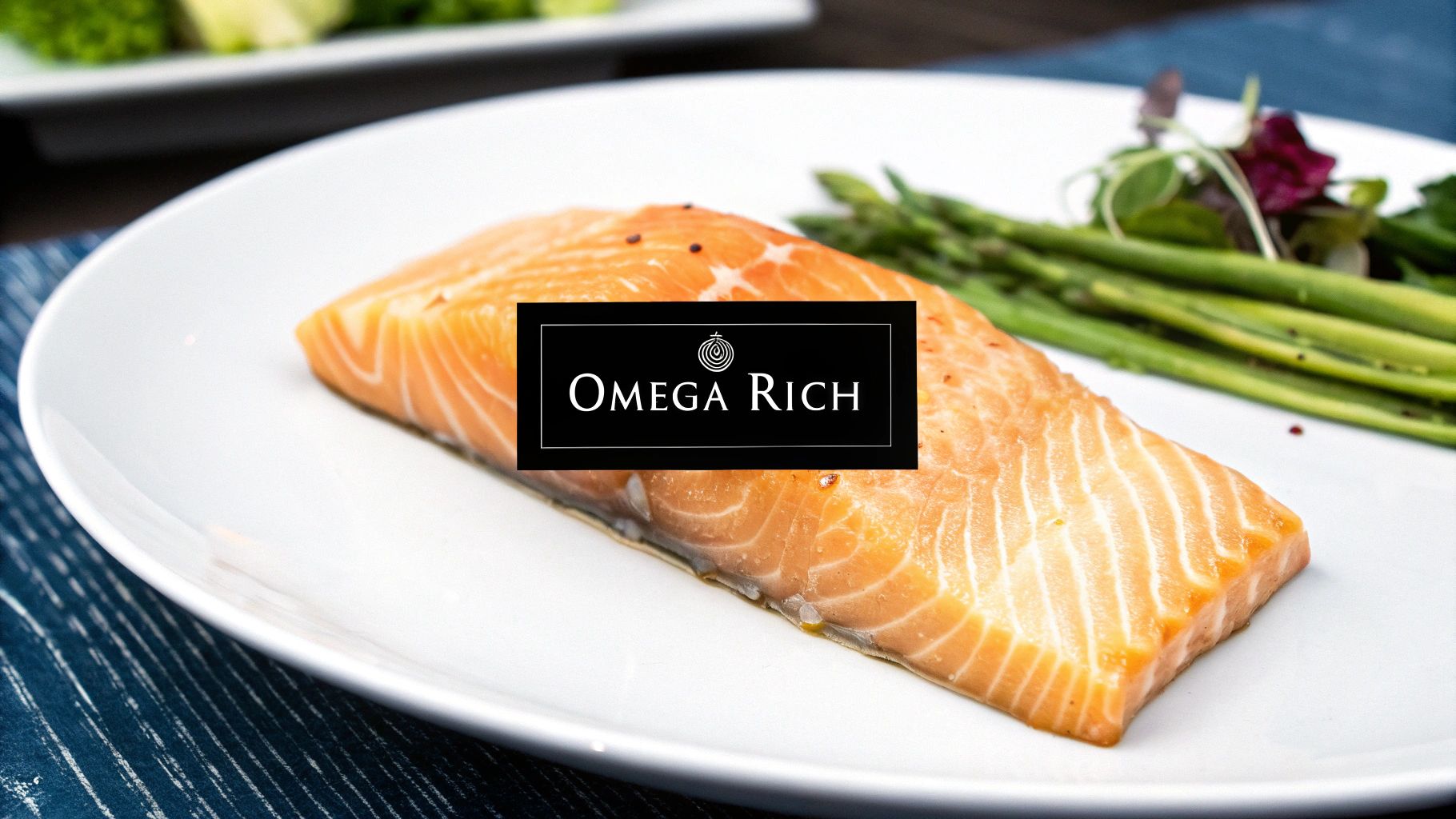
For men experiencing hair loss or simply wanting to improve their hair health, adding fatty fish to their diet is a smart move supported by science. Salmon, mackerel, and sardines are prime examples of fatty fish rich in omega-3 fatty acids, especially EPA and DHA. These essential fats are crucial for hair growth and overall well-being, but our bodies can't produce them. We have to obtain them through our diet.
How Omega-3s Support Hair Growth
Omega-3s are vital components of the cell membranes in our scalp and hair follicles. They provide the oils that keep the scalp hydrated, preventing dryness, flakiness, and breakage – all of which can contribute to hair loss. These essential fats also boost hair thickness and shine, resulting in a fuller, healthier look. In addition to hydration, omega-3s have powerful anti-inflammatory properties, reducing inflammation that can impede hair growth.
A Bounty of Hair-Boosting Nutrients
Fatty fish offer more than just omega-3s. They are packed with other essential nutrients for hair growth:
- Vitamin D: Often called the "sunshine vitamin," Vitamin D plays a crucial role in hair follicle cycling and can even help stimulate new follicle growth.
- Protein: Hair is primarily made of protein, making adequate protein intake vital. Fatty fish are an excellent source of high-quality protein.
- B Vitamins, especially B12: B vitamins contribute to red blood cell production, which ensures efficient oxygen delivery to hair follicles.
- Selenium: This mineral helps protect hair from damage and contributes to a healthy scalp.
The Science Behind the Benefits
Studies have shown a link between regular fatty fish consumption and reduced hair loss. One study, for example, demonstrated reduced hair shedding in participants who included fatty fish in their diets. Further evidence comes from observational studies of traditional Japanese diets, which are typically rich in fish. These populations often exhibit better hair health. A 100g serving of salmon provides approximately 2.3g of omega-3s.
Pros and Cons of Incorporating Fatty Fish
Pros:
- Reduces inflammation that can hinder hair growth
- Improves hair density and diameter, creating a fuller appearance
- Provides essential nutrients for optimal scalp health
- Offers various overall health benefits beyond hair growth, including improved heart health and cognitive function
Cons:
- Can be pricier than other protein sources
- May contain environmental contaminants (like mercury) if not sourced responsibly. Choosing smaller fish like sardines minimizes this risk.
- Not suitable for vegetarians or vegans
- Requires proper storage to maintain freshness
Practical Tips for Implementation
- Aim for 2-3 servings of fatty fish per week for optimal results.
- Opt for wild-caught varieties whenever possible, as they generally have higher omega-3 levels.
- Combine fatty fish with leafy greens, which are rich in iron and other minerals that work synergistically with the nutrients in fatty fish, to maximize nutrient absorption.
The Rise of Fatty Fish in Hair Health
The benefits of fatty fish for hair health have gained popularity thanks to proponents of the Mediterranean diet, which emphasizes fish consumption, and nutritionists focusing on anti-inflammatory foods. The growing understanding of the link between inflammation and various health issues, including hair loss, has further cemented fatty fish's place as a dietary staple for healthy hair.
3. Spinach: The Leafy Green Powerhouse for Thicker Hair
Spinach is a true nutritional powerhouse packed with vitamins and minerals that contribute to hair growth and scalp health. Addressing nutritional deficiencies is often a crucial first step for men experiencing hair loss, and spinach can be a valuable addition to their diet.
This leafy green is particularly rich in iron, a mineral often lacking in men experiencing hair loss. Iron deficiency is a well-documented contributor to hair thinning and shedding. While often associated with women, men are also susceptible. A study published in the Journal of Korean Medical Science found a correlation between iron deficiency and various types of hair loss, including male pattern baldness. Spinach provides a good source of iron (2.7mg per 100g), helping to combat this deficiency. It's important to note that spinach contains non-heme iron, which is less readily absorbed than the heme iron found in animal sources.
Spinach also boasts an impressive profile of other hair-healthy nutrients. Vitamin A promotes sebum production, a natural oil that keeps the scalp moisturized and prevents dryness, which can lead to breakage. Vitamin C is vital for collagen synthesis, a structural protein that strengthens hair follicles and promotes healthy growth cycles. Vitamin C also aids in iron absorption, maximizing the benefits of spinach's iron content. Spinach is also a good source of folate (194mcg per 100g), a B vitamin essential for cell growth and repair, including the cells within hair follicles.
Features & Benefits
- High in iron: Combats iron deficiency, a known contributor to hair loss.
- Excellent source of folate: Supports cell growth and repair in hair follicles.
- Rich in vitamins A, C, and K: Promotes scalp health, collagen production, and overall hair strength.
- Contains antioxidants: Protects hair follicles from damage caused by free radicals.
Pros
- Extremely nutrient-dense for few calories: An easy way to boost your nutrient intake.
- Versatile in preparation: Enjoy it raw in salads, blended into smoothies, or cooked in various dishes.
- Helps prevent anemia-related hair loss: Addresses a common underlying cause of hair thinning.
- Supports overall scalp health: Provides essential nutrients for a healthy scalp environment.
Cons
- Contains oxalates: These compounds can inhibit calcium absorption, so moderation is key.
- Iron is non-heme type: Less bioavailable than iron from animal sources.
- Requires consistent intake for significant benefits: Incorporate a substantial amount of spinach into your diet to see results.
Tips for Maximizing Benefits
- Pair with vitamin C foods: Enhance iron absorption by combining spinach with foods like citrus fruits, bell peppers, or strawberries.
- Add lemon juice to cooked spinach: The vitamin C in lemon juice helps convert the non-heme iron into a more absorbable form.
- Consume 1 cup daily for noticeable benefits: Aim for a consistent intake to ensure you're getting enough of the key nutrients.
- Lightly cook to reduce oxalate content while preserving nutrients: Steaming or lightly sautéing spinach can reduce oxalate levels.
By incorporating spinach into your diet, you can leverage its nutritional profile to support healthy hair growth and combat hair loss. A balanced diet rich in a variety of nutrient-rich foods is essential for optimal hair health.
4. Sweet Potatoes: Fueling Hair Growth From Root to Tip
Sweet potatoes, a common food in many cultures known for longevity, are a valuable addition to your diet if you're looking to promote healthy hair growth. These vibrant tubers offer more than just great taste; they're packed with essential nutrients that support a healthy scalp and strong, shiny hair. Their impressive beta-carotene content is a key factor.
The hair-boosting power of sweet potatoes comes from this rich beta-carotene, which your body converts into vitamin A. Vitamin A is essential for cell growth, including the cells in your hair. It also plays a role in producing sebum, the natural oil that moisturizes your scalp and hair, preventing dryness and dullness, a common concern for men experiencing hair loss.
Sweet potatoes offer more than just beta-carotene. They also contain vitamins C and E, which act as antioxidants, protecting hair follicles from damage. Potassium and iron further contribute to overall hair health, promoting optimal growth and strength. The complex carbohydrates in sweet potatoes provide sustained energy, essential for various bodily functions, including hair growth.
What Makes Sweet Potatoes Stand Out?
-
More Nutritionally Dense: Compared to regular potatoes, sweet potatoes have a richer nutritional profile, making them a better choice for overall health and hair growth.
-
Affordable and Accessible: Sweet potatoes are readily available and easy on the budget, making them a simple addition to any meal plan. Their long shelf life also reduces food waste.
-
Versatile Preparation: From roasting and mashing to adding them to stews and curries, sweet potatoes offer endless culinary possibilities. This versatility ensures you can enjoy their benefits in a variety of dishes.
-
Dual Benefits: Sweet potatoes aren't just good for your hair; they're excellent for skin health too, contributing to a vibrant, healthy complexion.
Pros and Cons for Men
Pros: The benefits for hair and skin, combined with affordability and versatility, make sweet potatoes a valuable asset in your hair growth journey.
Cons: Sweet potatoes have a high glycemic index, which might be a concern for men managing their blood sugar. While vitamin A is important for hair growth, excessive intake can ironically lead to hair loss. Moderation is key.
Tips for Maximizing Benefits
-
Choose Orange Varieties: Orange-fleshed sweet potatoes typically contain higher levels of beta-carotene than white or purple varieties.
-
Enhance Absorption: Pairing sweet potatoes with a small amount of healthy fat, like olive oil or avocado, can improve beta-carotene absorption.
-
Eat the Skin: Don't discard the valuable nutrients in the skin! It contains extra fiber and other beneficial compounds.
-
Roast, Don't Boil: Roasting helps preserve more nutrients than boiling.
-
Moderate Consumption: Enjoy a medium-sized sweet potato a few times a week to reap the benefits without overdoing it.
The traditional use of sweet potatoes in longevity-focused cultures suggests their benefits have long been recognized. Modern science now confirms their nutritional power. By incorporating this versatile and affordable superfood into your diet, you can nourish your body from the inside out, supporting healthy hair growth and overall well-being.
5. Avocados: Fueling Hair Growth From the Inside Out
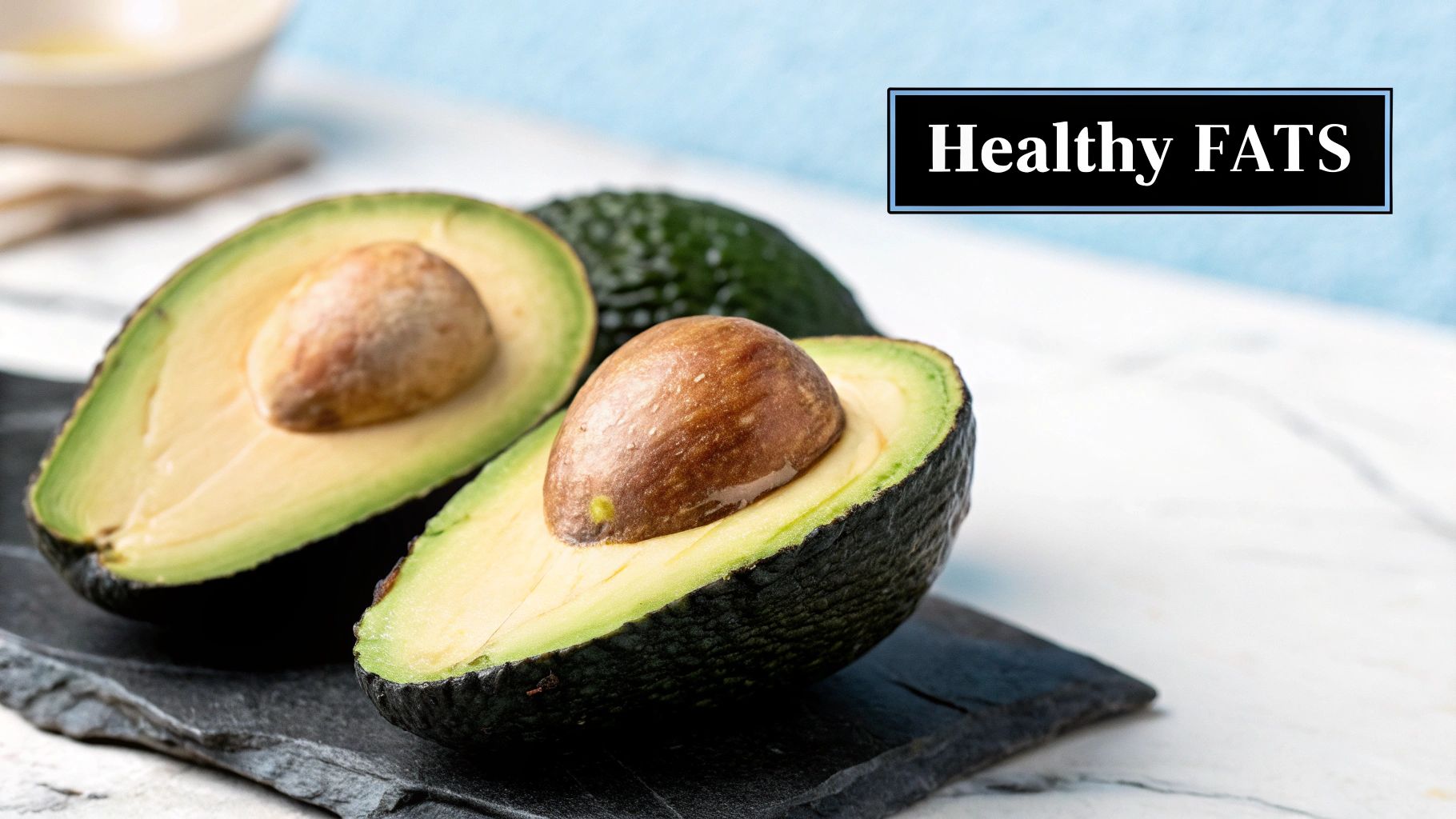
Avocados have earned a reputation as a powerhouse for healthy hair, particularly for men experiencing hair loss or thinning. Their rich concentration of nutrients directly combats common hair problems like dryness, breakage, and scalp inflammation. And this isn't just folklore; it's supported by scientific research.
Avocados are packed with monounsaturated fatty acids and essential fatty acids. These healthy fats are vital for locking in moisture within the hair shaft, increasing its elasticity, and preventing breakage – a frequent concern for men. They also contain a substantial dose of vitamin E (2.7mg per avocado), a powerful antioxidant that shields scalp cells from oxidative stress and damage, a contributing factor to hair loss. Beyond these, avocados offer biotin and other B vitamins known to promote hair growth, along with copper, a mineral vital for hair pigmentation, helping you maintain your natural color.
Benefits for Your Hair
- Improved Hair Elasticity and Reduced Breakage: The healthy fats strengthen hair, making it more resistant to damage.
- Deep Moisturization: Avocados hydrate hair from within, promoting a healthy shine and combating dryness.
- Reduced Scalp Inflammation: Vitamin E's anti-inflammatory properties soothe the scalp, fostering a better environment for hair growth.
- Supports Collagen Production: Avocados contribute to the production of collagen, essential for strong and healthy hair follicles.
Pros and Cons of Using Avocado for Hair
Here's a quick overview of the advantages and disadvantages of incorporating avocados into your hair care routine:
| Pros | Cons |
|---|---|
| Noticeably improves hair elasticity | High calorie density (around 240 calories per avocado) |
| Prevents breakage | Relatively expensive |
| Deeply moisturizes hair | Short shelf life once ripened |
| Reduces scalp inflammation | |
| Supports collagen production for stronger hair |
Real-World Application and Scientific Backing
Clinical studies show that vitamin E supplementation can increase hair count in individuals experiencing hair loss. The use of avocado in DIY hair masks also has a long-standing tradition in many Latin American cultures, demonstrating its effectiveness as a natural hair care ingredient.
Tips for Incorporating Avocados into Your Routine
- Dietary Intake: Consume 1/2 to 1 avocado 2-3 times a week for internal benefits.
- Hair Mask: Create a mask by mashing ripe avocado and applying it directly to your hair for 20-30 minutes before rinsing. This delivers intense moisture directly to the hair shaft.
- Pairing for Optimal Nutrition: Enhance nutrient absorption and prevent browning by combining avocado with citrus fruits rich in vitamin C, such as lemon or lime.
- Choosing the Right Avocado: Opt for slightly soft avocados for ideal nutrient content and easy application in hair masks.
The Rise of the Avocado in Hair Care
Avocados gained traction in the hair care world thanks to the increasing popularity of the clean eating movement, endorsements from celebrity nutritionists, and beauty influencers promoting natural hair care. This combined effort highlighted the fruit’s numerous benefits, establishing its position as a key ingredient in many hair health regimens.
By including avocados in your diet and hair care routine, you can leverage their potent nutrients to fight hair loss, improve hair quality, and support overall hair health.
6. Nuts and Seeds: Tiny Powerhouses For a Fuller Head of Hair
Nuts and seeds are nutritional powerhouses, packing a serious punch when it comes to hair health. Their rich concentration of vitamins, minerals, and healthy fats makes them a valuable addition to any diet, especially for men concerned about hair loss. These nutritional building blocks play crucial roles in hair follicle strength, healthy hair production, and maintaining a healthy scalp environment. This is why they deserve a prominent spot on our list of best foods for hair growth.
These tiny but mighty foods are brimming with features beneficial to hair growth:
-
High in Plant-Based Protein: Hair is primarily composed of protein, and nuts and seeds provide a readily available source to fuel hair growth.
-
Rich in Vitamin E and B Vitamins: Vitamin E acts as an antioxidant, protecting hair follicles from damage, while B vitamins, like biotin, contribute to hair strength and thickness.
-
Excellent Source of Zinc and Selenium: Zinc plays a vital role in hair tissue growth and repair, while selenium protects against oxidative stress, which can contribute to hair loss.
-
Contain Omega-3 Fatty Acids: These healthy fats, particularly abundant in walnuts, flaxseeds, and chia seeds, nourish the scalp and prevent dryness, promoting optimal hair growth.
Real-World Impact of Nuts and Seeds on Hair Growth
While individual results may vary, numerous studies demonstrate the positive impact of these nutrients on hair health. For example, a study published in the Journal of Cosmetic Dermatology found that supplementing with omega-3 and omega-6 fatty acids along with antioxidants led to a reduction in hair loss and an increase in hair density in women with female pattern hair loss. While this study focused on women, the underlying principles of nutrient support for healthy hair growth apply to men as well.
Nuts and Seeds: From Ancient Remedy to Modern Superfood
The use of nuts and seeds for medicinal and nutritional purposes dates back centuries. Traditional medicine across cultures recognized their value in promoting overall health and well-being, including hair health. Modern science has now confirmed the presence of these vital nutrients, solidifying their position as nutritional powerhouses.
Pros of Consuming Nuts and Seeds
-
Convenient and Portable: Easy to grab on the go, making them an ideal snack for busy lifestyles.
-
Long Shelf Life: Can be stored for extended periods without spoiling, especially when refrigerated.
-
Variety: A wide range of nuts and seeds ensures you can find options that suit your palate and prevent dietary boredom.
-
Benefits Extend Beyond Hair: These nutritional benefits also contribute to healthy skin and nails.
Cons of Consuming Nuts and Seeds
-
High Calorie Density: Requires portion control to avoid weight gain. Stick to a small handful (1-2oz) daily.
-
Common Allergens: Tree nuts, in particular, are a common allergen, so exercise caution if you have allergies.
-
Phytic Acid: Nuts and seeds contain phytic acid, which can inhibit mineral absorption. Soaking nuts overnight can help reduce phytic acid content.
-
Cost: Premium varieties can be expensive.
Examples and Tips For Implementation
-
Brazil nuts: Boast the highest natural source of selenium (68-91mcg per nut). Just one or two a day can contribute significantly to your selenium intake.
-
Walnuts: Have the highest omega-3 content among nuts (2.5g per ounce), making them a great choice for scalp health.
-
Pumpkin seeds: Provide one of the highest plant sources of zinc (7mg per 100g), essential for hair tissue growth and repair.
Practical Tips for Incorporating Nuts and Seeds
-
Consume a small handful (1-2oz) daily, rotating varieties to maximize nutrient intake and prevent boredom.
-
Soak nuts overnight in water to reduce phytic acid and improve digestibility.
-
Store nuts and seeds in the refrigerator to preserve their delicate fatty acids and prevent them from going rancid.
-
Choose raw, unsalted varieties for maximum nutritional value and to avoid excess sodium.
By incorporating a variety of nuts and seeds into your daily diet, you can provide your body with the necessary building blocks to support healthy hair growth and combat hair loss. Remember to listen to your body and consult with a healthcare professional or registered dietitian if you have any concerns or allergies.
7. Berries
Berries deserve a prominent spot in any discussion about hair growth. Their potent combination of vitamin C and antioxidants offers a natural way to support stronger, healthier hair, especially for men experiencing hair loss or thinning.
Berries are packed with vitamin C, vital for collagen synthesis. Collagen is a structural protein crucial for hair strength and elasticity. Adequate vitamin C intake can help prevent hair breakage. Strawberries are a particularly rich source, containing even more vitamin C per serving than oranges.
Berries are also rich in anthocyanins, powerful antioxidants that give them their vibrant colors. These antioxidants combat free radicals, unstable molecules that can damage hair follicles and contribute to premature aging, thinning, and hair loss. This protective effect is particularly important for men experiencing hair loss, as oxidative stress is often involved. Blueberries are known for their high antioxidant capacity.
Features and Benefits
- Extremely high in vitamin C: Supports collagen production for stronger hair.
- Rich in anthocyanins and other antioxidants: Protects hair follicles from damage.
- Low glycemic impact: Berries won't cause blood sugar spikes.
- Provide dietary fiber: Supports gut health, indirectly influencing hair health.
- Improve iron absorption: When eaten with iron-rich foods, berries can boost iron levels, another key nutrient for healthy hair.
- Support microcirculation in the scalp: Improved blood flow delivers essential nutrients to hair follicles.
Pros and Cons of Including Berries in Your Diet
Here's a quick breakdown of the advantages and disadvantages:
| Pros | Cons |
|---|---|
| Helps prevent hair breakage | Relatively expensive, especially out of season |
| Protects follicles from oxidative stress | Short shelf life |
| Improves iron absorption | Potential pesticide exposure with conventional varieties |
| Supports scalp health |
Real-World Observations
Traditional Scandinavian diets, rich in various berries, are associated with healthy hair. While more research is needed to isolate the specific impact of berries, this observation suggests a potential link between berry consumption and hair health.
Growing Popularity
The benefits of berries for overall health, including hair health, have gained recognition among nutritionists and those in the health and wellness fields. As research continues to uncover the potent effects of antioxidants and vitamin C, berries have become increasingly popular as a natural approach to hair care.
Practical Tips for Incorporating Berries
- Consume at least 1/2 cup daily: Incorporate them into breakfast, smoothies, or snacks.
- Choose organic when possible: This is especially important for strawberries, to minimize pesticide exposure.
- Consider frozen berries: They retain most nutrients and are a more economical option than fresh, out-of-season berries.
- Pair with seeds or nuts: Nuts and seeds are excellent sources of healthy fats and minerals that also support hair growth.
By regularly incorporating berries into your diet, you can harness their nutritional power to support stronger, healthier hair and potentially minimize the effects of hair loss.
8. Oysters: A Pearl of Wisdom for Hair Growth
Oysters are often associated with romantic dinners, but their benefits extend far beyond the realm of romance. These unassuming shellfish are nutritional powerhouses, packed with nutrients that can revitalize your hair. This makes them a strong contender on the list of best foods for hair growth, particularly for men experiencing hair loss.
Oysters are known as the richest natural source of zinc, a mineral crucial for hair follicle development and repair. Just a 3-ounce serving provides a remarkable 32mg of zinc, well exceeding the recommended daily intake. Zinc deficiency is often linked to hair loss, dandruff, and slow hair growth, problems many men encounter. While zinc supplements can help, oysters offer a natural and more bioavailable alternative. Clinical studies show that dietary zinc, especially from shellfish, is absorbed more efficiently than supplements, leading to quicker results.
Beyond zinc, oysters offer a complete protein source, containing all nine essential amino acids, the very building blocks of hair. They're also rich in copper, which aids in melanin production, the pigment responsible for hair color. This makes oysters valuable for preventing premature graying. Furthermore, oysters contain vitamin B12 and iron, both essential for hair follicle health and preventing thinning.
Why Oysters Are a Top Choice for Hair Health
- Unmatched Zinc Content: Directly addresses a key deficiency linked to male pattern baldness.
- Holistic Nutritional Approach: Provides a comprehensive array of vitamins and minerals vital for hair growth, strength, and color retention.
- Hormonal Balance: Zinc plays a crucial role in testosterone regulation, a factor that can influence hair loss. Oysters can be especially helpful for men experiencing hormone-related thinning.
Pros and Cons of Oysters for Hair Growth
| Pros | Cons |
|---|---|
| Superior Zinc Absorption | Higher Cost Compared to Plant-Based Sources |
| Complete Nutritional Profile for Hair | Not Suitable for Certain Dietary Restrictions |
| Effective for Hormone-Related Hair Loss | Sustainability and Availability Concerns |
| Supports Both Growth and Color Preservation | Short Shelf Life |
A History of Hair Health
The hair-boosting benefits of oysters aren't a recent discovery. Traditional coastal communities with oyster-rich diets, such as those in France, often report lower rates of hair loss. French beauty traditions have long recognized the hair-enhancing properties of oysters. More recently, the paleo diet and practitioners focused on fertility and hormone health have further popularized oysters as a natural remedy for hair loss.
Incorporating Oysters Into Your Diet
- Weekly Intake: Aim for 6-8 oysters per week to maximize hair benefits.
- Sourcing: Opt for farmed oysters from certified clean waters to reduce contamination risks.
- Alternative Option: Canned oysters provide a convenient and budget-friendly alternative.
- Cooking Methods: Light cooking enhances food safety with minimal zinc loss. Steaming or grilling are recommended.
Adding oysters to your diet is more than just a culinary indulgence. It's an investment in the health and vibrancy of your hair. Their unique nutritional composition makes them a powerful tool against hair loss and premature graying, paving the way for a fuller, healthier head of hair.
9. Legumes: Tiny Powerhouses for Thicker Hair
Legumes, including lentils, beans, and chickpeas, might not be the first foods that spring to mind when considering hair growth. However, these nutritional powerhouses deserve a place in your diet. Packed with protein, iron, zinc, and biotin, they offer a potent blend of nutrients essential for combating hair loss and promoting strong, healthy hair.
The science behind their effectiveness lies in the fundamental role of protein in hair structure. Protein forms the building blocks of keratin, the primary structural component of hair. Legumes are excellent plant-based protein sources, providing 15-18g per cup cooked, giving your body the raw materials needed for hair synthesis.
The Role of Minerals and Carbohydrates
Iron, abundant in legumes (6.6mg of non-heme iron per cup of lentils), is vital for transporting oxygen and nutrients to the scalp and hair follicles, effectively fueling hair growth. Zinc and biotin, also present in significant amounts, contribute to hair follicle health and strength. The complex carbohydrates in legumes offer sustained energy, crucial for the metabolically active process of hair growth, preventing energy dips that could indirectly impact hair health.
Legumes have a long history of use in various cultures for their health benefits. Chickpeas, for example, have been used in Ayurvedic hair treatments for centuries, demonstrating their traditional importance in hair care. Their growing popularity in Western diets reflects increased awareness of plant-based eating and mounting research highlighting their numerous health advantages, including their positive effects on hair.
Why Legumes Are Beneficial for Hair
For men experiencing hair loss, legumes offer a budget-friendly and versatile nutritional strategy. Their long shelf life in dried form makes them a practical pantry staple. They easily integrate into any dietary pattern, including vegan and vegetarian lifestyles. Additionally, their high fiber content supports gut health, increasingly recognized as vital for nutrient absorption, which indirectly impacts hair health.
Pros:
- Cost-effective: An affordable source of essential nutrients.
- Long shelf life: Dried legumes store well.
- Dietary versatility: Suitable for various diets.
- Stable blood sugar: Supports consistent hair growth.
Cons:
- Phytates: Can inhibit mineral absorption (mitigated with proper preparation).
- Preparation time: Requires soaking and cooking.
- Digestive issues: May cause gas or bloating (tolerance often improves).
- Non-heme iron: Less bioavailable than iron from animal sources (enhanced by consuming with vitamin C).
Legume Examples and Their Benefits
- Lentils: High in folate, crucial for cell growth and repair in hair follicles.
- Black Beans: Rich in anthocyanin antioxidants, protecting hair follicles from free radical damage.
- Chickpeas: Traditionally used in Ayurvedic hair masks and treatments.
Tips for Maximizing Legume Benefits
- Soaking: Soak dried legumes overnight to reduce phytates and improve mineral absorption.
- Vitamin C Pairing: Combine with vitamin C-rich foods to boost iron absorption.
- Sprouting: Sprouting increases zinc bioavailability.
- Regular Consumption: Aim for at least 3 cups of cooked legumes per week.
By strategically incorporating legumes into your diet, you can leverage their nutritional power to promote healthy hair growth and combat hair loss. They present a practical, affordable, and adaptable way to nourish your hair from within.
10. Bell Peppers: A Colorful Weapon Against Hair Loss
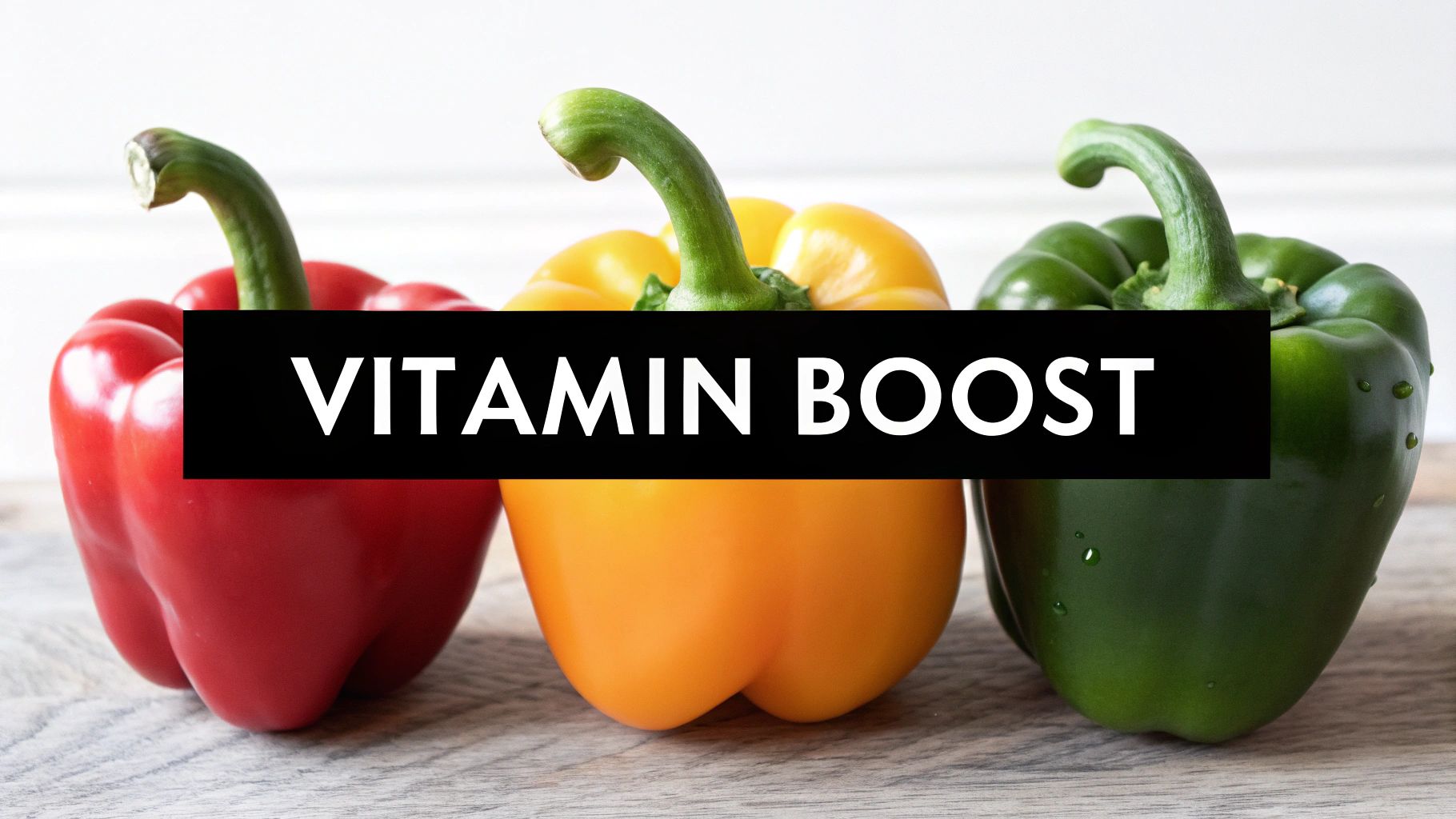
Bell peppers, particularly the vibrant red variety, deserve a place on this list. They offer a potent mix of nutrients that combat hair loss and encourage healthy growth. For men experiencing thinning hair, this everyday vegetable can be surprisingly beneficial. Their secret? A remarkably high concentration of vitamin C, providing almost 300% of the recommended daily intake in a single pepper.
Vitamin C is vital for more than just immune health. It plays a critical role in synthesizing collagen, the protein that forms the structural foundation of hair strands. Stronger collagen translates to less breakage and a fuller, healthier appearance. This is particularly important for men, as hair thinning and loss can be a major concern. Bell peppers strengthen hair from the inside out.
Beyond vitamin C, bell peppers offer other hair-boosting nutrients. Vitamin A precursors, such as beta-carotene, support healthy scalp function and hair follicle development. Silica contributes to hair strength and thickness. Antioxidants like quercetin and luteolin protect follicles from oxidative stress, a known factor in hair loss.
Bell peppers also enhance iron absorption from other foods. Iron deficiency is a common cause of hair loss, making this added benefit especially valuable.
The link between bell peppers and hair health has been highlighted by various experts, from anti-aging nutritionists to plant-based diet advocates. One compelling observation is the correlation between traditional Korean diets rich in kimchi (which often includes peppers) and lower rates of premature graying. This suggests peppers may offer protection against age-related hair changes.
Pros:
- Low in calories and nutrient-dense, easily incorporated into any diet.
- Enhances iron absorption, combating iron-deficiency hair loss.
- Supports collagen structure, leading to stronger hair.
- Bright colors indicate high antioxidant content, protecting hair follicles.
Cons:
- As a nightshade vegetable, they may cause sensitivities in some people.
- Conventionally grown bell peppers can have high pesticide residue; organic options are preferable.
- Seasonal price fluctuations can affect affordability.
- Vitamin C degrades with cooking; raw or lightly cooked consumption is best.
Tips for Implementation
- Eat them raw: Slice into salads, add to sandwiches, or enjoy with hummus to maximize vitamin C intake.
- Pair with iron-rich foods: Combine bell peppers with spinach, lentils, or lean meats for better iron absorption.
- Variety is key: While red peppers offer the most nutrients, all colors provide benefits. Include a mix in your diet.
- Consistency is crucial: Aim for one medium bell pepper 3-4 times a week for noticeable hair health improvements.
By adding this vibrant vegetable to your meals, you can support stronger, healthier hair. For men concerned about hair loss, bell peppers offer a delicious and effective strategy.
Top 10 Hair Growth Foods: Quick Comparison Matrix
| Food | Implementation Complexity (🔄) | Resource Requirements (⚡) | Expected Outcomes (📊) | Ideal Use Cases (💡) | Key Advantages (⭐) |
|---|---|---|---|---|---|
| Eggs | Low – versatile, minimal prep | Affordable, widely available | Boost keratin production; strengthen hair | 2-3 eggs weekly; DIY hair masks | Rich in protein and biotin |
| Fatty Fish | Moderate – requires proper sourcing/storage | Moderately priced; fresh/wild-caught preferred | Enhance hair density; reduce inflammation | 2-3 servings weekly for scalp and hair health | High in omega-3 fatty acids and vitamin D |
| Spinach | Low – can be used raw or cooked | Budget-friendly, readily available | Prevents anemia-related hair loss; supports scalp health | Daily leafy green; pair with vitamin C foods | Nutrient-dense in iron, vitamins, and antioxidants |
| Sweet Potatoes | Low – simple preparation (prefer roasting) | Affordable, common in most markets | Promotes sebum production and healthy hair cell growth | Regular consumption several times weekly | Exceptionally high in beta-carotene |
| Avocados | Low to moderate – minimal prep; check ripeness | Moderately expensive; seasonal availability | Improves hair elasticity; prevents breakage | 1/2 to 1 avocado 2-3 times weekly; also used as topical hair masks | Rich in monounsaturated fats and vitamin E |
| Nuts and Seeds | Low – ready-to-eat, portable snack | Variable cost; portion control recommended | Strengthens hair follicles; reduces inflammation | Daily small handful; mix varieties to avoid monotony | Concentrated sources of vitamin E, zinc, and omega-3 |
| Berries | Low – minimal processing needed | Can be expensive out-of-season | Boost collagen production; protect hair follicles from oxidative stress | Daily consumption raw or as frozen options | High in vitamin C and antioxidants |
| Oysters | Moderate – requires careful sourcing and storage | Expensive; seasonal and limited in some areas | Rapidly improves zinc status; supports hair repair cycles | Weekly consumption for a quick nutrient boost | Highest natural source of zinc |
| Legumes | Moderate – requires soaking/cooking | Very cost-effective, broadly available | Provides protein and iron; aids keratin formation | At least 3 cups per week; ideal for vegetarian/vegan diets | Rich plant protein with iron and fiber |
| Bell Peppers | Low – best consumed raw to preserve nutrients | Moderately priced; seasonal | Enhances collagen formation; improves iron absorption | Daily inclusion with iron-rich meals; raw consumption preferred | Exceptionally high in vitamin C and antioxidants |
Eating Your Way To Healthier Hair
Incorporating the best foods for hair growth into your daily diet is a simple yet effective way to achieve vibrant, healthy hair. These foods include eggs, fatty fish, spinach, sweet potatoes, avocados, nuts and seeds, berries, oysters, legumes, and bell peppers. Packed with essential vitamins, minerals, and proteins like biotin, zinc, iron, and omega-3 fatty acids, these nutritional powerhouses are crucial for hair follicle health and growth. Remember, consistency is key. Combining these foods with a balanced lifestyle that includes stress management and regular exercise will maximize your results.
Implementing these changes can be easy. Try swapping unhealthy snacks for a handful of nuts, adding spinach to your morning smoothie, or choosing salmon for dinner. Start small and gradually incorporate more of these hair-healthy foods into your diet. Experiment and find what works best for you.
Paying attention to how your body responds to dietary changes is a crucial part of this journey. Adjust your diet accordingly. Keeping a food journal can help you track your progress and identify potential triggers or sensitivities. Staying informed about ongoing research and future developments in nutritional science related to hair health can further refine your approach. For example, research into the impact of gut health on hair growth is opening up new avenues for dietary interventions.
Key Considerations For Healthy Hair Growth
-
Prioritize protein: Hair is primarily composed of protein. Ensure you're getting enough from sources like eggs, fish, and legumes.
-
Focus on micronutrients: Vitamins and minerals like biotin, zinc, iron, and omega-3 fatty acids are essential for healthy hair growth.
-
Consistency is key: Make these dietary changes a regular part of your routine for long-term benefits.
-
Listen to your body: Adapt your approach based on how your body responds and stay informed about new research.
While a healthy diet is crucial for supporting hair growth, sometimes you need additional support. If you’re experiencing hair loss and looking for solutions, PRP For Hair Loss offers valuable information on male pattern baldness and innovative treatments like Platelet-Rich Plasma (PRP) therapy. Learn more about this treatment and discover if it's right for you. Visit PRP For HairLoss today and start your journey towards a fuller, healthier head of hair.

 PRP For Hairloss
Leave a comment