Understanding Your Hair Loss: The Science Behind Thinning
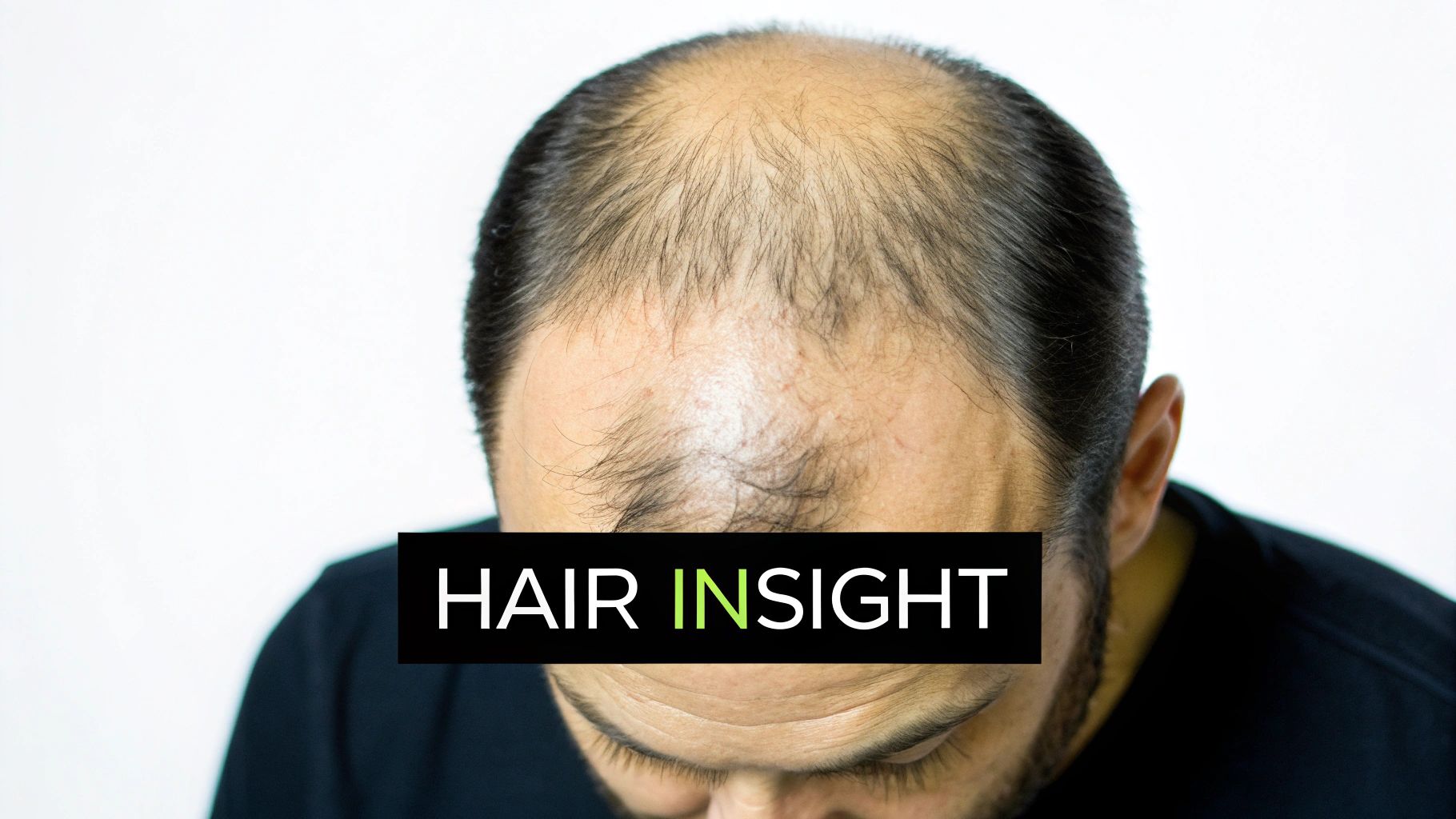
Before exploring natural solutions for balding, it's essential to understand the science behind hair loss. This knowledge helps you select effective, targeted treatments based on your specific needs, rather than relying on generic approaches.
Different Types of Hair Loss
Hair loss isn't a monolithic condition. Several distinct types exist, each with its own characteristics. The most common is androgenetic alopecia, also known as male or female pattern baldness. This type is primarily driven by genetic and hormonal factors, particularly the hormone dihydrotestosterone (DHT).
Another form, alopecia areata, is an autoimmune disorder. In this condition, the body's immune system mistakenly attacks the hair follicles, resulting in patchy hair loss. Lastly, telogen effluvium is a temporary form of hair shedding often triggered by stress, illness, or nutritional deficiencies.
The Role of DHT, Genetics, and Stress
Understanding the root causes of these conditions is crucial for effective treatment. For instance, in androgenetic alopecia, hair follicles miniaturize due to a sensitivity to DHT. This genetic predisposition causes follicles to shrink and weaken, producing progressively finer hairs until growth eventually ceases.
Chronic stress can also disrupt the hair growth cycle, forcing more hairs into the shedding phase. Managing stress through techniques like mindfulness and ensuring adequate sleep becomes crucial for maintaining healthy hair.
Nutritional Deficiencies and Hair Loss
Nutritional deficiencies also significantly impact hair health. Just like plants, hair follicles require specific nutrients to thrive. Without essential vitamins and minerals from a balanced diet, hair can become brittle and prone to breakage, worsening hair thinning.
Androgenetic alopecia, in particular, affects a substantial portion of the global population. In the United States alone, over 50 million men and 30 million women experience this condition. This widespread occurrence highlights the need for effective treatments, including natural remedies. For more detailed statistics, visit: Learn more about hair loss prevalence. By understanding the science behind your specific type of hair loss, you can begin a more focused and effective path toward natural hair regrowth.
Nutrition Strategies That Actually Regrow Hair

As we've discussed, several factors contribute to hair loss, and nutrition plays a crucial role. Just as a healthy diet fuels overall well-being, it directly impacts the health of your hair follicles. This section explores the specific nutrients essential for hair growth and how to incorporate them into your diet to naturally combat balding.
Key Nutrients for Healthy Hair Growth
Certain nutrients are especially vital for robust hair growth. Biotin, a B vitamin, is crucial for producing keratin, the primary protein forming hair structure.
Zinc is another essential nutrient, playing a key role in cell growth and repair, directly impacting hair follicle health.
Vitamin D can stimulate both new and existing hair follicles. Iron deficiency, common among individuals experiencing hair loss, can worsen the problem. Finally, omega-3 fatty acids, known for their anti-inflammatory properties, contribute to a healthier scalp. These nutrients work together to support the entire hair growth cycle.
Incorporating Hair-Boosting Foods Into Your Diet
Putting this nutritional knowledge into practice involves changing your diet. Think of your hair follicles as tiny gardens needing specific nutrients to flourish. This means focusing on a diet rich in the nutrients highlighted above.
To boost your biotin intake, include eggs, nuts, and seeds in your meals. For zinc, oysters are an excellent source, as are red meat and poultry.
Vitamin D can be obtained from fatty fish like salmon, fortified foods, and safe sun exposure. Boost your iron levels with lean red meat, spinach, and lentils. Finally, incorporate omega-3s by regularly consuming fatty fish, flaxseeds, and walnuts.
The Importance of Meal Planning and Nutrient Absorption
Simply eating these foods isn't enough; proper nutrient absorption requires thoughtful meal planning. For example, combining iron-rich foods with vitamin C-rich foods, like citrus fruits, significantly improves iron absorption.
Certain dietary habits can hinder hair growth. Highly processed foods, excessive sugar, and crash diets deprive your follicles of essential nutrients, potentially worsening hair loss. This emphasizes the importance of a balanced, whole-foods diet. A well-structured meal plan ensures consistent nourishment for thriving hair follicles.
To illustrate the importance of a balanced diet and proper nutrient intake, let's take a look at the following table:
Hair-Boosting Nutrients and Their Food Sources
| Nutrient | Benefits for Hair | Best Food Sources | Daily Recommended Intake* |
|---|---|---|---|
| Biotin | Keratin production, hair growth | Eggs, nuts, seeds, sweet potatoes | 30 mcg |
| Zinc | Cell growth and repair, follicle health | Oysters, red meat, poultry, legumes | 8-11 mg |
| Vitamin D | Follicle stimulation, hair cycle regulation | Fatty fish, fortified foods, sun exposure | 600 IU |
| Iron | Oxygen transport, hair growth | Lean red meat, spinach, lentils, beans | 8-18 mg |
| Omega-3 Fatty Acids | Scalp health, anti-inflammatory | Fatty fish, flaxseeds, walnuts, chia seeds | 1.1-1.6 g |
*Daily recommended intake can vary based on age, sex, and overall health. Consult with a healthcare professional for personalized recommendations.
This table highlights the key nutrients and their dietary sources for promoting healthy hair growth. By incorporating these foods into a well-balanced diet, you can ensure your hair receives the nutrients it needs to thrive.
Supplementing Your Diet for Hair Growth
While a balanced diet is the foundation, supplements can target specific deficiencies. Consult a healthcare professional for guidance on appropriate dosages and potential interactions. Supplements should complement, not replace, a healthy diet. They provide an added boost, especially if your diet lacks certain nutrients. By understanding hair nutrition and applying these strategies, you can nourish your hair from within, supporting natural regrowth.
Essential Oils That Outperform Commercial Products
While proper nutrition is foundational for healthy hair, topical treatments can directly address scalp and follicle health to combat hair loss naturally. Stepping away from the marketing claims of commercial products, let's explore essential oils and their proven effectiveness in stimulating hair regrowth.
Rosemary Oil: A Natural Alternative
Rosemary oil has become recognized as a potent natural treatment for hair loss. Some studies even suggest results comparable to Minoxidil, a popular hair growth medication. Rosemary oil works by stimulating blood circulation to the scalp, nourishing hair follicles and encouraging growth. It may also inhibit DHT, a hormone linked to androgenetic alopecia (male and female pattern baldness). This dual action makes rosemary oil a promising natural solution.
Peppermint Oil: Invigorating Growth
Peppermint oil is another powerful essential oil for hair growth. Like rosemary oil, its stimulating properties increase blood flow to the scalp. Peppermint oil also encourages the proliferation of dermal papilla cells, specialized cells within hair follicles vital for growth. This invigorating effect can revitalize dormant follicles and promote thicker, healthier hair.
Carrier Oils: Enhancing Effectiveness
Essential oils are potent and require dilution with carrier oils before scalp application. These carrier oils not only ensure safe application but also contribute to hair health.
- Jojoba oil: Mimicking the scalp's natural sebum, jojoba oil regulates oil production and prevents follicle-clogging buildup. This makes it suitable for all scalp types.
- Coconut oil: Known for its moisturizing and anti-inflammatory properties, coconut oil soothes the scalp and reduces irritation, particularly beneficial for dry or sensitive scalps.
- Argan oil: Packed with antioxidants and vitamin E, argan oil strengthens hair, reducing breakage and promoting overall health, complementing the effects of essential oils.
Blends and Application
To optimize results, combine the strengths of these oils. A blend of 2% rosemary oil, 2% peppermint oil, and 96% carrier oil (jojoba, coconut, or argan, depending on your scalp type) can be very effective.
Apply this blend daily, massaging gently for several minutes to improve absorption. Consistency is essential with essential oils, and noticeable results may take several months.
Scalp Sensitivity and Cleanliness
While natural, essential oils can cause scalp sensitivity. Always perform a patch test before widespread use. Product buildup can also hinder effectiveness. Regularly clarifying your scalp with a gentle cleanser helps maintain a healthy environment for hair growth. Integrating these essential oils and techniques into a consistent routine allows you to utilize nature's power to combat hair loss and promote healthy, vibrant hair.
Microcirculation Techniques for Stronger Follicles

Just as a thriving garden needs consistent watering, healthy hair follicles rely on robust blood flow. This microcirculation provides essential oxygen and nutrients, creating a healthy environment for hair regeneration. This section explores practical techniques to improve scalp circulation and potentially combat hair miniaturization, a significant factor in hair loss.
Manual Scalp Massage: A Simple Yet Powerful Approach
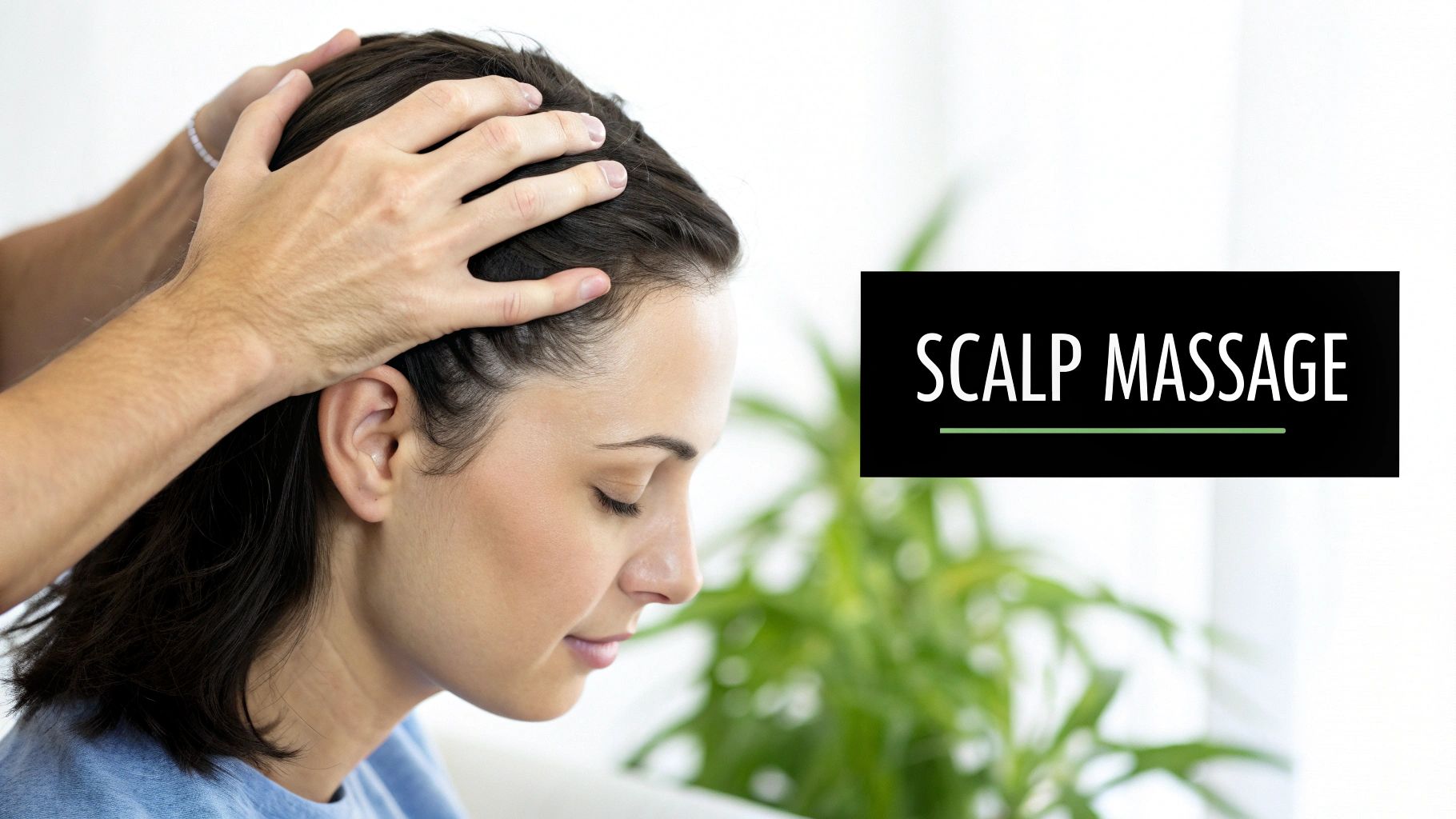
One of the easiest ways to boost microcirculation is through manual scalp massage. This technique involves using your fingertips to apply gentle, firm pressure in circular motions across your scalp. This direct stimulation encourages blood flow to the hair follicles.
For the best results, dedicate 5-10 minutes each day to this practice. Consistency is crucial for experiencing noticeable benefits. Concentrate on areas where thinning is most apparent, but massage your entire scalp to promote overall hair health.
Tools to Amplify Microcirculation
Beyond manual massage, several tools can further enhance scalp circulation.
-
Scalp brushes: These brushes, typically featuring soft silicone bristles, provide a more thorough and consistent massage than fingertips alone. They also gently exfoliate, removing dead skin cells and product buildup that can negatively impact follicle health.
-
Dermarollers: These tools utilize microneedles to create tiny punctures in the scalp’s surface, stimulating collagen production and boosting blood flow. However, use dermarollers with caution, carefully following product instructions to avoid any potential damage. Choosing the correct tool and technique is vital for achieving maximum benefits without causing irritation or inflammation.
Step-by-Step Scalp Massage Guide
Follow this simple protocol for an effective scalp massage:
- Step 1: Begin with dry or slightly damp hair. Wet hair is more delicate and prone to breakage.
- Step 2: Using your fingertips or a scalp brush, apply gentle pressure to your scalp, working from front to back.
- Step 3: Employ circular motions, dedicating approximately 30 seconds to each area.
- Step 4: Continue massaging for 5-10 minutes, ensuring you cover your entire scalp.
- Step 5: For enhanced results, add a few drops of rosemary or peppermint essential oil diluted in a carrier oil, such as jojoba or coconut oil.
Consistent application of these steps can significantly improve scalp blood flow. Ongoing research in hair growth continues to uncover promising new possibilities. For example, 2-deoxy-D-ribose (2dDR), a naturally occurring sugar, has shown potential in promoting hair regrowth in mice by stimulating new blood vessel formation, a crucial element of healthy hair growth. Discover more insights about this breakthrough. This highlights the exciting developments in natural hair loss treatments.
Incorporating Microcirculation into Your Routine
Integrating these techniques into your current hair care routine is simple. Perform scalp massages before bed, in the shower, or even while watching TV. Find a convenient time and maintain consistency for optimal results. This proactive approach supports a healthier scalp and fosters the ideal environment for natural hair regrowth, potentially reversing follicle miniaturization, a key factor in addressing hair loss naturally.
Stress Management That Preserves Your Hairline
Chronic stress negatively impacts your entire body, including your hair. The link between stress and hair loss is often overlooked. Understanding the underlying mechanisms can help you take control of your hair health. This section explores how stress hormones affect the hair growth cycle and offers practical stress management techniques to protect your hair follicles.
The Stress-Hair Loss Connection
Stress hormones, especially cortisol, disrupt the natural hair growth cycle. Imagine your hair follicles as tiny factories. When cortisol levels increase, these factories can temporarily shut down, forcing more hairs into the shedding phase, known as telogen effluvium. Stress can also worsen existing hair loss conditions, like androgenetic alopecia, by speeding up the miniaturization of hair follicles. Managing stress isn't just about feeling better; it's essential for keeping a healthy head of hair.
Evidence-Based Stress Reduction Techniques
Several proven methods effectively reduce stress and positively influence hair retention. Mindfulness meditation, for example, helps calm the mind and regulate cortisol. Even short, 5-10 minute daily meditation sessions can be beneficial. Focusing on the present moment reduces anxiety about the past or future, which frequently contributes to stress.
Targeted breathing exercises, or diaphragmatic breathing, activate the body's relaxation response, lowering cortisol and promoting calmness. These exercises are convenient and can be practiced anytime, anywhere. Finally, quality sleep is crucial. During deep sleep, your body repairs and regenerates, including hair follicles. Aim for 7-9 hours of quality sleep per night to support healthy hair growth.
Identifying and Managing Your Triggers
Everyone experiences hair loss and stress differently. Identifying your personal stress triggers is key to developing a personalized resilience strategy. Common triggers include work pressure, relationship challenges, and financial concerns.
Once you've identified your triggers, you can create effective coping mechanisms. This could involve setting boundaries at work, improving communication in relationships, or seeking professional financial advice. Addressing the root causes of your stress can considerably reduce its impact on your hair.
Building a Stress-Resilient Lifestyle
Stress management isn't a one-size-fits-all solution. Building a stress-resilient lifestyle involves finding practices that work best for you. To help illustrate these techniques, let's look at the table below:
Stress Reduction Techniques for Hair Health: Comparison of different stress management methods and their benefits for preventing hair loss.
| Technique | How It Helps Hair | Time Investment | Difficulty Level | Scientific Evidence |
|---|---|---|---|---|
| Mindfulness Meditation | Lowers cortisol, promotes relaxation | 5-20 minutes/day | Beginner-Intermediate | Strong |
| Deep Breathing | Activates relaxation response | 1-5 minutes/session | Beginner | Strong |
| Sleep Optimization | Allows for follicle repair and regeneration | 7-9 hours/night | Varies | Strong |
| Exercise | Reduces stress hormones, improves mood | 30 minutes/day | Varies | Moderate |
| Yoga/Tai Chi | Combines physical activity and mindfulness | 30-60 minutes/session | Beginner-Intermediate | Moderate |
This table highlights the various techniques, their impact on hair health, the required time commitment, difficulty level, and the available scientific evidence supporting their effectiveness. Incorporating these techniques can significantly benefit your overall well-being and hair health.
Building a stress-resilient lifestyle incorporates practices that work best for you, including:
-
Daily Stress Reduction: Practice mindfulness meditation, deep breathing exercises, or gentle exercise such as yoga or tai chi.
-
Long-Term Lifestyle Changes: Prioritize getting enough quality sleep, maintaining a balanced diet, and participating in enjoyable activities to improve your emotional well-being.
-
Professional Guidance: Consider seeking professional help from a therapist or counselor to develop personalized coping strategies.
This proactive approach helps regulate cortisol levels, creating the best conditions for natural hair regrowth. By understanding the connection between stress and hair loss and implementing these strategies, you can develop a holistic approach to hair preservation that addresses the root causes of thinning.
Natural DHT Blockers That Deliver Results
Dihydrotestosterone (DHT) plays a significant role in pattern baldness. Naturally regulating DHT levels offers a promising way to manage hair loss. This section explores natural DHT blockers that may support hair retention and growth.
Saw Palmetto: A Traditional Remedy
Saw palmetto, derived from the berries of the Serenoa repens plant, is a popular herbal remedy for hair loss. It inhibits 5-alpha-reductase, the enzyme converting testosterone to DHT. By reducing DHT production, saw palmetto may slow or prevent hair follicle miniaturization. Saw palmetto is available in both oral and topical forms.
Pumpkin Seed Oil: Nutrient-Rich Support
Pumpkin seed oil is another natural DHT blocker gaining recognition for its hair health benefits. Like saw palmetto, it can impede 5-alpha-reductase activity. It's also rich in essential fatty acids and antioxidants, nourishing the scalp and hair follicles for a healthier growth environment. Pumpkin seed oil is mainly used topically.
Pygeum: Targeting Inflammation
Pygeum, an extract from the African cherry tree bark, may also manage hair loss. While primarily used for prostate health, pygeum may reduce scalp inflammation, creating a better environment for hair growth. This anti-inflammatory action complements other natural DHT blockers. Pygeum is generally taken orally.
Combining DHT Blockers for Synergy
Combining natural DHT blockers can sometimes create a synergistic effect, yielding better results than using just one. For example, combining saw palmetto and pumpkin seed oil may enhance DHT inhibition. However, be cautious when combining supplements, as interactions can occur. Consulting a healthcare professional before combining natural DHT blockers is always recommended.
Dosing, Interactions, and Realistic Expectations
Understanding dosage and potential interactions is crucial for safe and effective use of these natural DHT blockers.
-
Dosage: Effective dosages vary. Start with the recommended dosage on the product label and consult a healthcare professional for personalized advice.
-
Interactions: Some supplements can interact with medications. Inform your doctor about all supplements you're taking.
-
Realistic Timelines: Be patient. Noticeable results typically take several months of consistent use. It's a long-term strategy, not a quick fix. Consistent application and monitoring are key.
Sourcing Quality Supplements and Monitoring Results
Supplement quality matters. Choose products from reputable manufacturers that use third-party testing to ensure purity and potency. Track your progress with regular hair photos. This helps visually assess the effectiveness of your chosen DHT blockers and adjust your regimen as needed. This approach allows for informed decisions. Incorporating these natural DHT blockers into a holistic hair preservation plan can naturally support healthier hair growth and potentially slow or reverse DHT-related hair loss. Remember, consistency is essential. Regular use, combined with other beneficial practices, can contribute significantly to your hair goals.
Building Your Complete Hair Preservation System
It's time to bring together the individual strategies we've covered and create a complete system for naturally addressing hair loss. This section will guide you in developing a personalized plan tailored to your unique hair loss pattern and lifestyle. This personalized approach is essential for achieving lasting results.
Creating a Synergistic Regimen
Think of your hair preservation system as a well-coordinated team. Each element – nutrition, topical treatments, stress management, and DHT blockers – plays a vital role. When these elements work together effectively, they create a synergistic effect, amplifying their individual benefits.
Using practical frameworks developed with trichology experts, you'll build a routine that targets your specific needs. For example, if your hair loss is primarily stress-related, your regimen will focus on stress management techniques alongside supporting practices like dietary adjustments and topical applications of essential oils.
Personalized Protocols for Different Hair Loss Types
Different types of hair loss call for different strategies. Here are examples of morning, evening, and weekly protocols tailored to specific needs:
-
Androgenetic Alopecia:
- Morning: Saw palmetto supplement, topical pumpkin seed oil application.
- Evening: Scalp massage with rosemary oil blend, mindfulness meditation.
- Weekly: Deep conditioning hair mask.
-
Telogen Effluvium:
- Morning: Iron supplement, stress-reducing breathing exercises.
- Evening: Gentle scalp massage, sleep optimization practices (consistent sleep schedule, calming bedtime routine).
- Weekly: Nutrient-rich hair and scalp treatment.
-
Alopecia Areata: This condition often requires professional guidance, and natural strategies can provide additional support.
- Consult a dermatologist or trichologist to determine the best course of action alongside stress management techniques and a nutrient-rich diet to promote overall hair health.
These protocols are flexible. Adjust them according to your individual response and lifestyle. Consistency and monitoring are essential for success.
Tracking Effectiveness and Making Adjustments
Just as a gardener monitors their plants, track your progress to evaluate how well your regimen is working. Regular hair photos, taken in consistent lighting, can visually document changes over time. Also, maintain a journal noting any changes in shedding, hair texture, and overall scalp health.
This data offers valuable insights, allowing you to make informed adjustments to your system. If you don't see the desired results after consistently following your regimen for a reasonable period, consult with a healthcare professional.
Recognizing When Professional Intervention Is Necessary
While natural remedies can be very effective, they aren't always a replacement for professional advice. If your hair loss is sudden, patchy, or accompanied by other symptoms like scalp inflammation or pain, seek expert advice. A dermatologist or trichologist can accurately diagnose your condition and recommend a personalized treatment plan.
Adapting to Challenges
Establishing a new system takes time and commitment. You may face challenges like scalp sensitivity to topical treatments, finding time for stress reduction, or simply forgetting a step in your routine.
Don't be discouraged! These challenges are normal. Adjust your routine to fit your life. For instance, if morning meditations aren't feasible, try incorporating them into your evening routine. If you experience scalp sensitivity, try different carrier oils or reduce the essential oil concentration.
Building a successful hair preservation system involves consistency, adaptability, and a commitment to ongoing learning. It's about developing sustainable habits that promote long-term hair health. For a comprehensive guide on preventing hair loss with PRP therapy, visit PRP for Hairloss to explore this treatment option.

 PRP For Hairloss
Leave a comment