Reclaiming Your Crown: Navigating the Best Hair Loss Treatments
Hair loss can be a distressing experience, affecting both self-esteem and confidence. However, it's a common issue faced by millions of men. Fortunately, there are many effective treatments available, ranging from topical solutions and medications to advanced procedures and devices. This guide explores the 10 best hair loss treatments for 2025, empowering you to take control of your hair restoration journey.
Choosing the right treatment depends on various factors, including the root cause of your hair loss, budget, and desired outcome. Some treatments aim to stimulate inactive hair follicles, while others work by blocking hormones that contribute to thinning hair. Some are simple procedures, while others involve daily applications or medication.
Effectiveness also varies. Some solutions maintain existing hair, while others promote significant regrowth. Costs range from affordable over-the-counter products to more expensive clinical procedures. Understanding these factors is key to making an informed decision about your hair restoration.
Understanding Your Options
This guide delves into the science behind each of the top 10 treatments, outlining the benefits, potential drawbacks, expected results, and estimated costs. Whether you're considering topical medications like Minoxidil, exploring laser therapy, researching surgical options like hair transplants, or investigating combination therapies, this guide provides the information you need to make the best choice for your individual needs. Let's explore these solutions for achieving a fuller, healthier head of hair.
1. PRP For Hair Loss
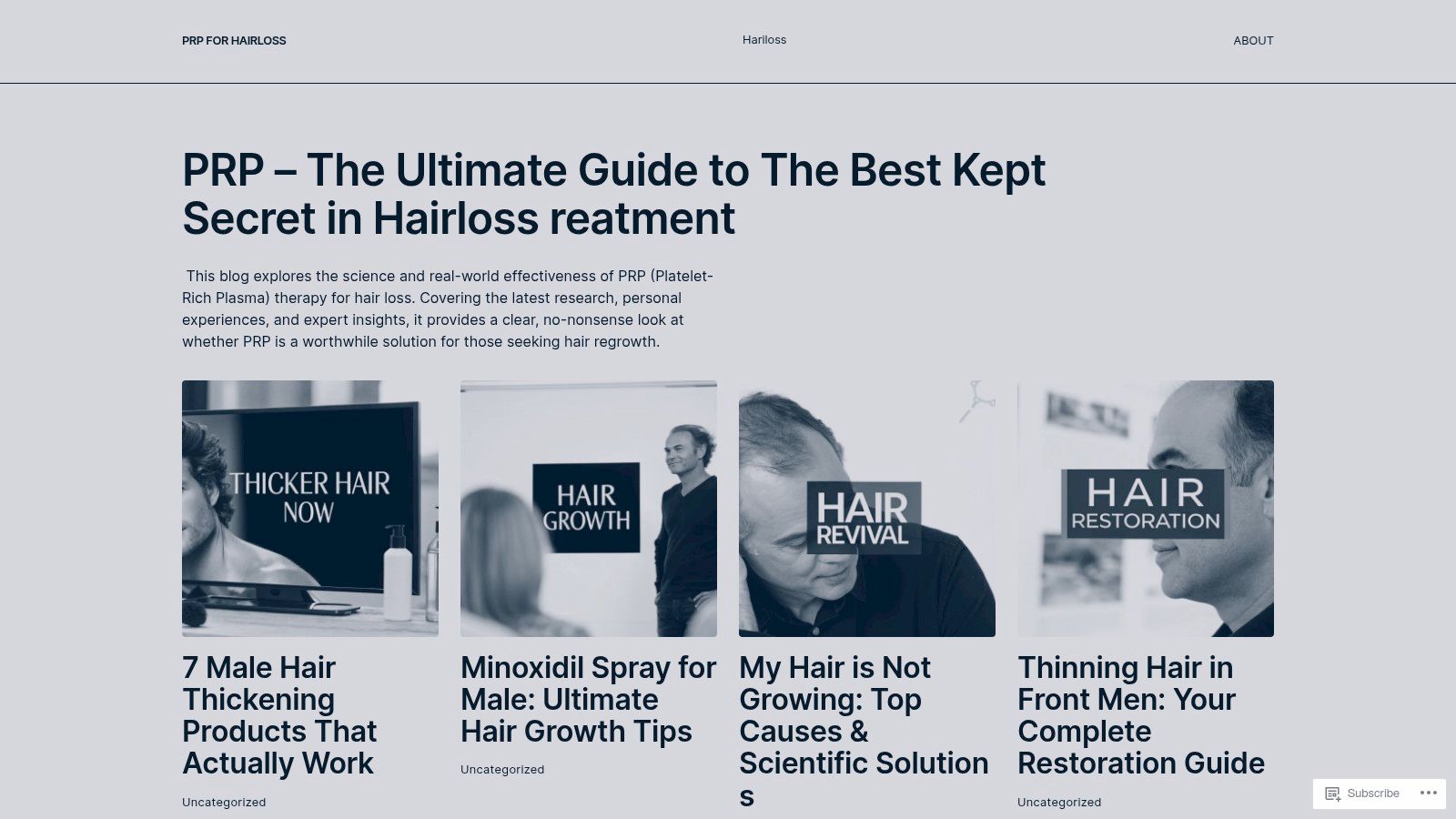
For men experiencing male pattern baldness, understanding available treatments is crucial. PRP For Hair Loss offers a dedicated resource exploring the science and application of Platelet-Rich Plasma (PRP) therapy for hair restoration. This makes it a valuable tool for men seeking informed choices in their hair loss journey.
This blog provides a male-centric perspective on PRP, addressing the specific concerns men face with this common condition. It moves beyond basic explanations, providing research-backed insights, expert opinions, and personal accounts of PRP therapy. This blend of science and personal stories allows men to build a realistic understanding of the treatment's potential benefits and drawbacks.
Practical Applications & Use Cases
-
Researching PRP Therapy: The site delivers a complete overview of PRP, explaining the procedure, potential efficacy, and what to expect. This is particularly helpful for men beginning to research hair restoration.
-
Comparing Treatment Options: PRP For Hair Loss discusses other hair loss solutions, enabling comparison of PRP with other approaches like medication or transplants. This helps determine the best path based on individual needs.
-
Finding Qualified Practitioners: While not providing medical advice, the blog helps readers formulate the right questions to ask when consulting with a hair restoration specialist. This aids in locating a qualified and trustworthy practitioner.
-
Managing Expectations: Real-life experiences presented on the blog promote realistic expectations about PRP therapy outcomes. It recognizes that individual results may vary and that PRP is not a universal solution.
Pros
- Provides scientifically-backed information on PRP therapy for hair loss
- Presents content tailored for men experiencing male pattern baldness
- Integrates expert opinions, real-life experiences, and practical guidance
- Offers a broad overview of various hair restoration treatments
- Clarifies the often complex landscape of hair loss treatments
Cons
- As a blog, it does not replace personalized medical consultations. Always consult a medical professional for diagnosis and treatment.
- Certain content may be interpreted as anecdotal rather than conclusive clinical evidence.
Pricing & Technical Requirements
Accessing the PRP For Hair Loss blog is free, requiring only an internet connection and a web browser. The blog does not include PRP treatment pricing, as this depends on the provider and individual needs.
Why It Deserves Its Place on the List
PRP For Hair Loss offers a focused and informative resource for men exploring hair restoration. Its commitment to evidence-based content, combined with relatable personal stories, makes it a valuable tool for navigating the complex world of hair loss treatments. It empowers men to make informed decisions based on scientific understanding and real-world results.
2. Minoxidil (Rogaine)
Minoxidil, better known as Rogaine, is a scientifically-backed treatment for male pattern baldness. It's one of the few FDA-approved topical solutions for hair loss, supported by decades of research. A key advantage is its over-the-counter availability, making it a convenient choice for men concerned about thinning hair.
Minoxidil works by dilating blood vessels and opening potassium channels in the scalp. This boosts blood flow, delivering vital oxygen and nutrients to hair follicles. This can stimulate hair growth and slow down further loss. Minoxidil is available as a liquid or foam, in 2% and 5% strengths. Clinical studies show the 5% version is generally more effective, especially for men. It's most effective for hair loss on the crown (vertex baldness), and less so for receding hairlines.
Practical Application and Use
Using Minoxidil is simple. Apply the solution or foam directly to the affected scalp areas twice a day, morning and evening. Consistency is key for best results. Don't expect instant results; noticeable improvements typically take 4-6 months of regular use.
Pricing and Availability
Minoxidil is readily available without a prescription at most pharmacies, both online and in physical stores. Prices vary depending on the type (solution or foam) and strength (2% or 5%), but a month's supply usually costs between $20 and $50. This makes it a relatively affordable long-term option compared to other hair loss treatments.
Implementation Tips
-
Consistency is Key: Apply Minoxidil twice daily, as instructed, even without immediate results. Regular application is crucial for success.
-
Be Patient: Visible results take time. Don't get discouraged if there's no change in the first few months.
-
Initial Shedding: Some men experience increased shedding initially. This is normal and often signals Minoxidil is working, clearing out old hairs for new growth.
-
Scalp Irritation: If irritation occurs, try the foam, which is often gentler. If it continues, consult a dermatologist.
Pros
- Scientifically proven effectiveness
- Over-the-counter availability (no prescription required)
- Relatively affordable
- Minimal side effects for most
Cons
- Initial shedding can be concerning
- Requires consistent twice-daily use
- Results stop when you stop using it
- May cause scalp irritation for some
Minoxidil is a practical option for men experiencing hair loss thanks to its proven results, affordability, and easy access. While it requires consistent use and patience, the potential for regrowth and reduced hair loss makes it worth considering. Always consult a doctor or dermatologist if you have concerns or existing health conditions.
3. Finasteride (Propecia)
Finasteride, known by the brand name Propecia, is a highly effective FDA-approved medication for treating male pattern baldness. Unlike topical treatments, finasteride addresses the hormonal root cause of hair loss. It works by inhibiting the 5-alpha-reductase enzyme, responsible for converting testosterone into dihydrotestosterone (DHT). DHT shrinks hair follicles, leading to thinning hair and eventual baldness.
How does finasteride benefit you? Let's explore how this medication works.
How Finasteride Works
Taken orally once a day, 1mg of finasteride can reduce scalp DHT levels by roughly 70%. This significant reduction effectively halts hair loss progression and can even encourage hair regrowth. The once-daily dosage makes it a convenient addition to your daily routine.
What kind of results can you expect, and when?
Practical Application and Results
Visible results typically appear within 3 to 6 months of consistent use. It's important to remember that finasteride is a maintenance treatment. Continued daily use is essential to maintain its benefits. Stopping the medication will likely lead to further hair loss.
How does finasteride compare to other treatments like minoxidil?
Comparing Finasteride to Other Treatments
While minoxidil is a popular hair loss treatment, finasteride often yields more effective results, especially in preventing further hair loss. Minoxidil stimulates hair growth topically, while finasteride addresses the underlying hormonal imbalance. Some men combine both treatments for enhanced results, but it's crucial to consult a doctor before combining medications.
How do you get started with finasteride?
Implementation and Setup
Finasteride is a prescription medication. You'll need to consult a doctor or dermatologist who can assess your hair loss and determine if finasteride is appropriate for you. The assessment typically includes a discussion of your medical history and potential scalp examinations.
Pricing
Finasteride's cost depends on your location and insurance coverage. Generic versions are typically more affordable than the brand name Propecia. Discuss pricing options with your doctor or pharmacist.
Pros and Cons of Finasteride
Here's a summary of the advantages and disadvantages:
Pros:
- Highly effective, preventing further hair loss in 80-90% of men.
- Convenient once-daily oral dose.
- Often produces better results than minoxidil alone.
- Can promote significant regrowth for some.
Cons:
- Potential sexual side effects (e.g., decreased libido, erectile dysfunction) in a small percentage (2-4%) of users. These often subside with continued use or after stopping the medication.
- Not recommended for women, especially pregnant or potentially pregnant women, due to the risk of birth defects in male fetuses.
- Requires a prescription.
- Continuous use is necessary to maintain results.
Finasteride offers a powerful solution for combating male pattern baldness. While it's crucial to discuss potential side effects with your doctor, its high success rate and ease of use make it a compelling option for many men seeking to preserve and restore their hair.
4. Dutasteride (Avodart)
Dutasteride, sold under the brand name Avodart, is a powerful medication primarily used to treat benign prostatic hyperplasia (BPH). It also offers a viable off-label treatment for men experiencing male pattern baldness, particularly those who haven't found success with finasteride.
Dutasteride works by inhibiting both type I and type II 5-alpha-reductase enzymes. These enzymes convert testosterone into dihydrotestosterone (DHT), the hormone largely responsible for shrinking hair follicles in men with male pattern baldness. Finasteride only inhibits type II, but dutasteride’s dual-action approach can suppress DHT levels by up to 90%, compared to finasteride's 70%. This increased suppression may lead to better hair retention and potentially more regrowth.
Features of Dutasteride
- Prescription Required: A doctor must prescribe Dutasteride. You'll need a consultation to discuss if it’s the right treatment for you.
- Oral Administration: Taken as a once-daily oral capsule, making it easy to incorporate into your daily routine.
- Dual 5-alpha Reductase Inhibitor: Its dual action on both enzyme types results in a more substantial DHT reduction.
- Long Half-Life: With a half-life of roughly five weeks, its effects are long-lasting, offering flexibility if a dose is occasionally missed.
Pros of Using Dutasteride
- Increased Efficacy: Dutasteride can be more effective than finasteride, especially in cases of aggressive hair loss. Some men experience better results in slowing hair loss and promoting regrowth.
- Convenient Dosing: The once-daily dose simplifies the treatment.
- Forgiveness with Missed Doses: The long half-life minimizes the impact of occasional missed doses.
Cons of Using Dutasteride
- Higher Risk of Side Effects: Dutasteride carries a higher risk of sexual side effects, such as erectile dysfunction, decreased libido, and ejaculatory problems. These side effects are typically rare but should be discussed with your doctor.
- Off-Label Use: Using dutasteride for hair loss is considered off-label in many countries. This means it's not specifically approved for this purpose.
- Higher Cost: Dutasteride is typically more expensive than finasteride.
- Limited Long-Term Data for Hair Loss: While long-term safety data exists for BPH, less research focuses specifically on its long-term effects on hair loss.
Comparison with Finasteride
Both dutasteride and finasteride are 5-alpha reductase inhibitors, but dutasteride is more potent. It may be a suitable alternative if finasteride isn’t effective, though the higher potency may also bring an increased risk of side effects.
Implementation/Setup Tips
- Consult a Doctor: Speak with a dermatologist or hair loss specialist. They can evaluate your condition and determine if dutasteride is appropriate for you.
- Follow Prescribed Dosage: Stick to the prescribed dosage and frequency provided by your doctor.
- Be Patient: Like any hair loss treatment, results take time, potentially several months before noticeable changes occur.
- Monitor Side Effects: Report any potential side effects to your doctor.
Pricing
Dutasteride's cost varies based on location and insurance coverage. It’s generally more expensive than finasteride.
Dutasteride is a powerful option for men experiencing significant hair loss or those not responding well to other treatments. Its potential for superior DHT suppression makes it a valuable consideration, but the potential for increased side effects requires careful discussion with a medical professional.
5. Low-Level Laser Therapy (LLLT) Devices
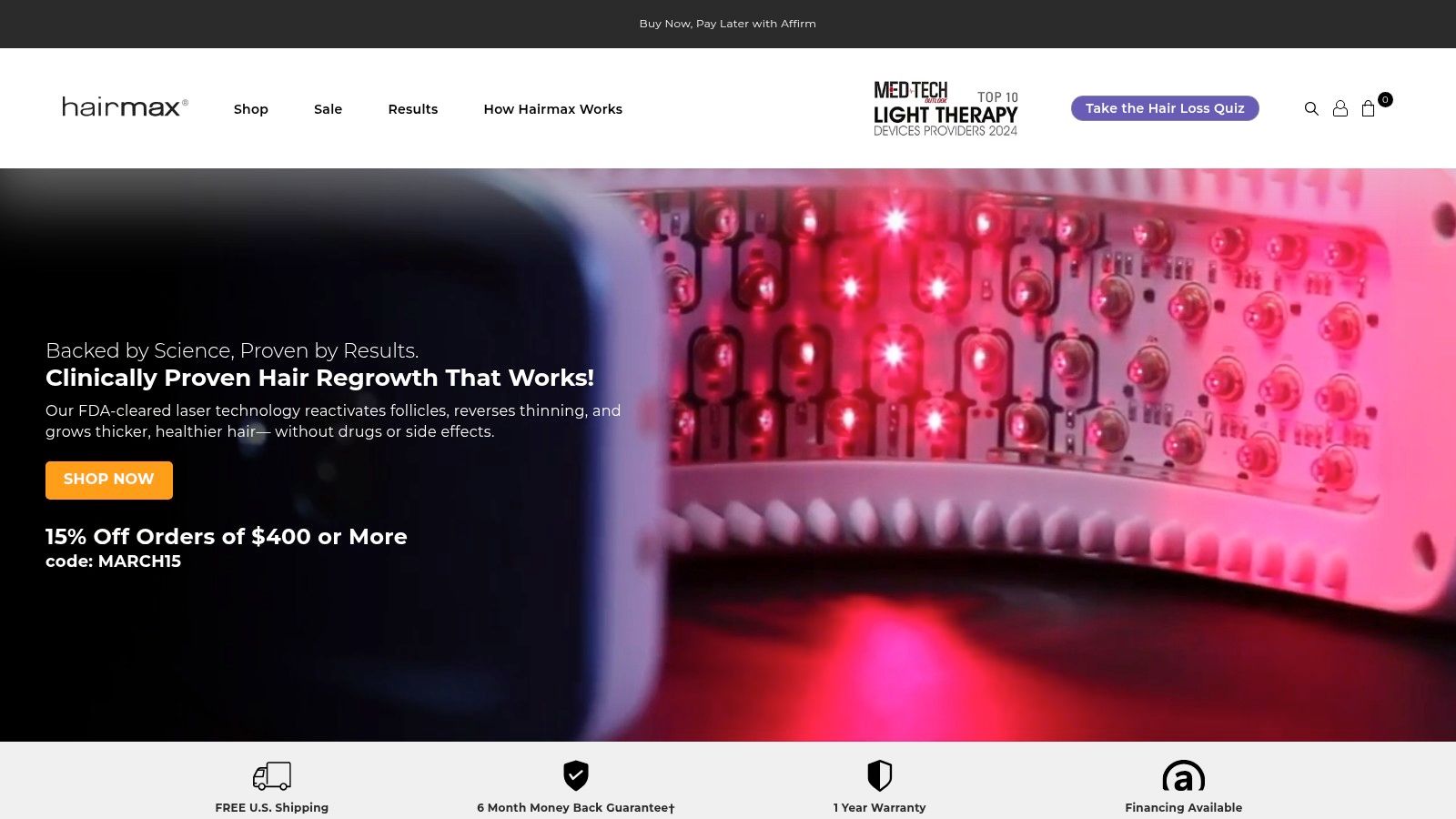
Low-Level Laser Therapy (LLLT) offers a non-invasive, FDA-cleared approach to combating hair loss. This makes it a compelling at-home treatment option for men. LLLT devices use red light wavelengths (630-670nm) to stimulate cellular activity within hair follicles. It's like giving your follicles a revitalizing energy boost.
This boost comes from photons emitted by the device. These photons are absorbed by weakened cells, increasing ATP production (the cell's energy currency) and improving cellular metabolism. This process can potentially revitalize dormant follicles and encourage new hair growth.
LLLT devices come in various forms, including combs, helmets, and caps. This offers flexibility in how you incorporate the therapy into your routine. Popular brands include HairMax and Capillus. Treatments are typically done 3-7 times a week for sessions lasting 10-30 minutes each, all from the comfort of your home. It's as simple as combing your hair or wearing a cap while relaxing.
Practical Application and Use Cases
LLLT is suitable for men experiencing mild to moderate hair loss. It's particularly effective for those in the early stages of thinning. It can also be used alongside other treatments like minoxidil and finasteride for potentially enhanced results. If you're already using these medications, LLLT could provide an additional boost to your hair loss regimen.
Pricing and Technical Requirements
The primary technical requirement is a power source for the device. Pricing varies depending on the device type and brand. Simpler laser combs can start around $300, while more advanced helmet systems can cost upwards of $3,000. This represents a significant upfront investment.
Pros:
- Non-invasive and safe: LLLT has no known serious side effects.
- Cost-effective in the long run: No recurring costs for consumables after the initial purchase.
- Versatile: Can be used by both men and women and alongside other hair loss treatments.
- Convenient: At-home treatment allows for flexible scheduling.
Cons:
- High upfront cost: The initial investment can be substantial.
- Requires consistency: Results are dependent on regular, long-term use.
- Modest results: LLLT typically yields more subtle improvements compared to some medications.
- Time commitment: Regular treatment sessions require dedicated time several times a week.
Implementation Tips
- Consistency is key: Adhere to the recommended treatment schedule.
- Combine with other treatments: LLLT can complement other therapies. Consult with a dermatologist or hair loss specialist for personalized recommendations.
- Research different devices: Compare features, pricing, and user reviews before purchasing.
While LLLT may not be as potent as some pharmaceutical options, it offers distinct advantages. Its non-invasive nature, lack of side effects, and potential for long-term benefits make it a valuable option for men seeking an at-home treatment that easily integrates into their daily routine.
6. Platelet-Rich Plasma (PRP) Therapy
Platelet-Rich Plasma (PRP) therapy is a non-surgical treatment for hair loss that uses your body's own healing abilities to encourage hair growth. It's a natural, minimally invasive option with the potential for noticeable improvement in hair thickness and density, especially for men experiencing male pattern baldness.
This makes it a compelling treatment option for those seeking alternatives to medication or surgery.
How Does It Work?
The process begins with a small blood draw, similar to a standard blood test. This blood sample is then placed in a centrifuge to isolate the platelet-rich plasma (PRP) from the other blood components. The PRP, containing a high concentration of growth factors, is then injected directly into the scalp areas experiencing thinning or hair loss. These growth factors work to stimulate inactive hair follicles, promote the growth phase of current hairs, and enhance blood flow to the follicles. This combined action leads to thicker, healthier hair.
Practical Applications and Use Cases
PRP therapy is primarily used to combat androgenetic alopecia, commonly known as male and female pattern hair loss. It can also complement hair transplant surgery to enhance graft survival and growth. Men experiencing early hair loss or thinning might find PRP therapy particularly beneficial in slowing the progression and promoting regrowth. It's important to understand that PRP isn't a quick fix; most treatment plans involve 3-4 initial sessions spaced 4-6 weeks apart, followed by maintenance treatments every 4-6 months to maintain results.
Features and Benefits
- Utilizes Your Own Blood: This minimizes the chance of allergic reactions or rejection.
- Improves Hair Count and Thickness: PRP can stimulate new hair growth and thicken existing hair.
- Suitable for Both Men and Women: While helpful for male pattern baldness, it can also treat female pattern hair loss.
- Can Be Combined with Other Treatments: PRP can be used with other hair loss treatments like finasteride or minoxidil for potentially improved results.
Pros and Cons
Here's a quick overview of the advantages and disadvantages of PRP therapy:
| Pros | Cons |
|---|---|
| Natural approach | Expensive ($500-$1,000 per session) |
| Minimal risk of allergic reactions/side effects | Results vary |
| Improves hair count and thickness | Requires multiple treatments and ongoing maintenance |
| Suitable for both men and women | Not covered by insurance |
Implementation and Setup Tips
- Consult a qualified dermatologist or hair specialist with PRP therapy experience to evaluate your candidacy.
- Prepare for multiple sessions and continued maintenance treatments.
- Discuss realistic expectations and outcomes with your doctor.
- Ask about package pricing or multiple-session discounts.
Comparison With Similar Tools
Compared to other hair loss solutions like finasteride or minoxidil, PRP is a drug-free alternative. While these medications might be more affordable, they can have potential side effects. Hair transplant surgery is another option, although it's a more invasive procedure requiring more recovery time. PRP can sometimes be used with hair transplants to boost results.
Further Information
- American Academy of Dermatology – Hair Loss Treatment: Injections
7. Hair Transplantation (FUT/FUE)
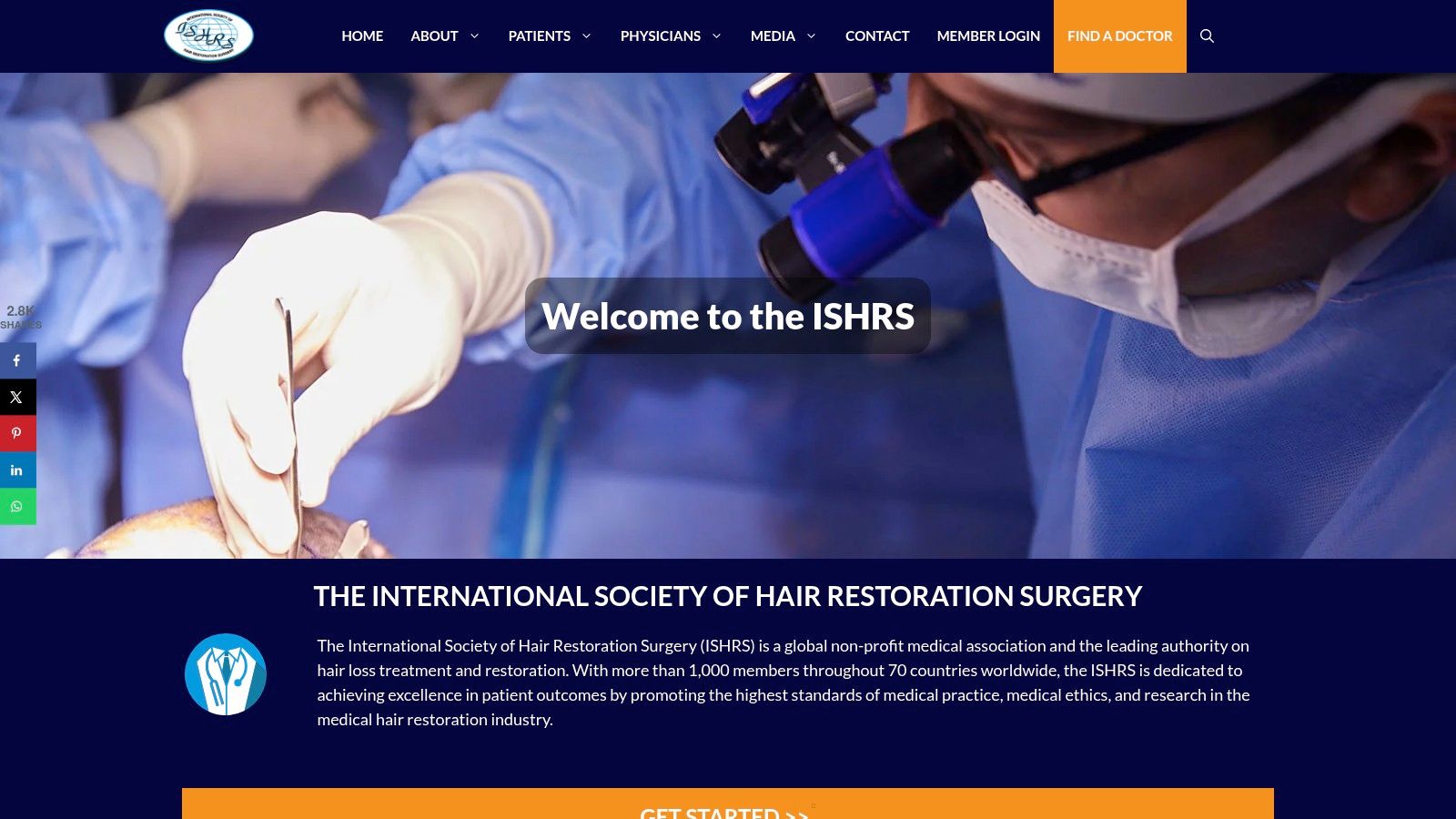
Hair transplantation stands out as the only permanent solution for hair loss using your existing hair. This offers men experiencing significant thinning or pattern baldness a chance to regain a fuller head of hair, especially if other treatments haven't been successful. This surgical procedure involves relocating hair follicles from a donor area, typically the back of the head, to the balding areas.
There are two main techniques to consider:
- Follicular Unit Transplantation (FUT/Strip Surgery): This method removes a strip of scalp from the donor area, then extracts the hair follicles. FUT can harvest a large number of grafts in a single session, but may leave a linear scar.
- Follicular Unit Extraction (FUE): This technique extracts individual follicular units directly from the scalp using a specialized punch tool. While FUE generally results in less noticeable scarring, it can be a more time-consuming process. It might also limit the number of grafts harvested per session.
Modern hair transplantation techniques focus on creating natural-looking results with high graft survival rates. The transplanted hair is resistant to dihydrotestosterone (DHT), the hormone primarily responsible for male pattern baldness. This resistance ensures long-lasting results.
Practical Applications and Use Cases
Hair transplantation is most effective for men with androgenetic alopecia (male pattern baldness) who have enough donor hair. It’s also a solution for restoring hair in areas with scarring or trauma. However, it’s less effective for diffuse thinning or conditions causing more widespread hair loss.
Pricing and Technical Requirements
The cost of hair transplantation typically ranges from $4,000 to $15,000 or more. The final price depends on several factors, including the number of grafts required and the chosen technique. Consulting with a qualified and experienced hair transplant surgeon is crucial. They will assess your specific hair loss, evaluate donor hair availability, and recommend the best approach for your individual needs.
Implementation/Setup Tips
- Thorough Research: Select a board-certified surgeon who specializes in hair restoration. Review before-and-after photos and patient testimonials carefully.
- Realistic Expectations: It's important to understand that results take time. Initial hair growth may be visible within a few months, but the full results usually take 6-12 months to appear.
- Post-Operative Care: Following your surgeon's post-operative care instructions is essential. This includes medication, cleaning routines, and activity restrictions. Careful adherence to these instructions is vital for optimal healing and graft survival.
Pros
- Permanent solution with natural-looking results.
- Primarily a one-time procedure offering long-lasting benefits (though multiple sessions may be necessary in some instances).
- Uses the patient's own hair.
- Modern techniques minimize scarring and recovery time.
Cons
- High cost.
- Carries the risks associated with surgical procedures, including infection, bleeding, and scarring.
- Requires a recovery period of 7-14 days with some initial cosmetic limitations.
- Might not be suitable for everyone, depending on the availability of donor hair.
Website
International Society of Hair Restoration Surgery (ISHRS)
This organization offers valuable resources and information regarding hair restoration surgery. It can also assist you in locating qualified surgeons in your area.
8. Ketoconazole Shampoo (Nizoral)
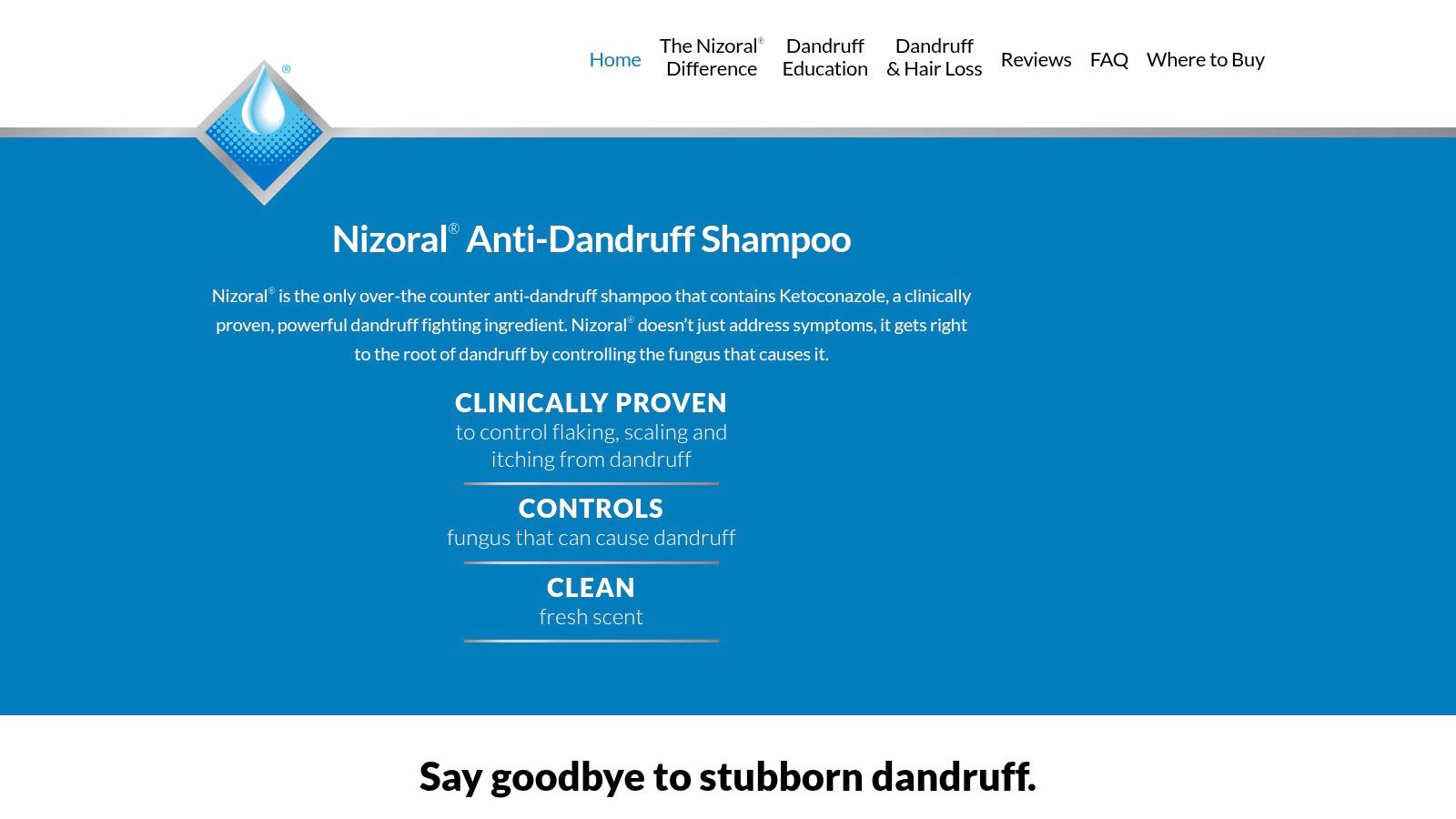
Ketoconazole shampoo, known by the brand name Nizoral, can be a helpful addition to a hair loss treatment regimen. While not a primary treatment like finasteride or minoxidil, its antifungal and anti-inflammatory properties can contribute to a healthier scalp. This healthier environment can be more conducive to hair growth. It may also offer mild DHT-blocking effects directly at the scalp.
How does it work? Ketoconazole is primarily an antifungal agent, effectively treating dandruff and seborrheic dermatitis. These conditions can sometimes worsen hair loss. The potential hair growth benefits come from reducing inflammation and possibly inhibiting the production of DHT at the scalp. DHT, or dihydrotestosterone, is a hormone significantly involved in male pattern baldness.
Practical Application and Usage
Ketoconazole shampoo is available over-the-counter (OTC) in a 1% concentration and by prescription in a stronger 2% formulation. For hair loss, using the shampoo 2-3 times per week is generally recommended. Lather it into your scalp, leave it on for 3-5 minutes, and rinse thoroughly. Overuse can dry out the scalp, so following the recommended usage is essential.
Pricing and Availability
The 1% OTC version is widely available at most pharmacies and online retailers, making it an affordable option, usually between $10-$15 for a standard bottle. The 2% prescription version requires a doctor's visit and may cost more depending on your insurance coverage.
Comparison with Similar Products
While other antifungal shampoos are available, Ketoconazole has shown more promising results in studies related to hair loss. It’s often compared to zinc pyrithione (found in Head & Shoulders), which mainly targets dandruff but lacks the same level of scientific evidence supporting its use for hair loss.
Implementation Tips
-
Consistency is Key: Use Ketoconazole shampoo regularly as directed for the best results. Improvements, if any, are usually gradual.
-
Combine with Other Treatments: Ketoconazole may be more effective when used with other proven hair loss treatments like minoxidil or finasteride. Some studies even suggest it can improve minoxidil absorption.
-
Address Underlying Scalp Conditions: If you think you have a scalp condition like seborrheic dermatitis, see a dermatologist. Treating the underlying condition can significantly improve Ketoconazole’s effectiveness.
-
Monitor for Dryness: Reduce usage frequency or use a moisturizing conditioner if you experience excessive dryness.
Pros and Cons
Pros:
- Affordable and readily available (OTC version)
- Treats dandruff and other scalp conditions
- Minimal systemic side effects
- Can complement other hair loss treatments
Cons:
- Limited effectiveness as a standalone treatment
- Prescription strength (2%) requires a doctor's visit
- Can dry the scalp with overuse
- Results are generally modest
Ketoconazole shampoo offers a practical and affordable way to improve scalp health and potentially support hair growth, particularly as part of a broader hair loss treatment plan. While not a miracle solution, it can be a valuable tool in managing hair loss and maintaining a healthy scalp.
9. Oral Spironolactone (For Women Only)
While this list focuses on hair loss treatments for men, it's important to discuss a medication often prescribed to women experiencing thinning hair: Spironolactone. Men researching hair loss may encounter information about it and should understand its limitations for their own use. Spironolactone is not recommended for men experiencing hair loss.
Spironolactone is a prescription medication primarily used as a potassium-sparing diuretic. However, it also possesses anti-androgen properties, meaning it blocks the effects of male hormones like testosterone and dihydrotestosterone (DHT), key contributors to hair loss. It does this by blocking androgen receptors and reducing testosterone production.
This medication is often prescribed off-label for women with female pattern hair loss or hormone-related hair thinning. This is especially true for women with polycystic ovary syndrome (PCOS) or other conditions linked to excess androgens. Dosages typically range from 50-200mg daily, with results often noticeable after 6-12 months. Treatment usually begins with a low dose, which is gradually increased.
Why It's On the List (For Women)
Spironolactone can be effective for women whose hair loss stems from hormonal imbalances. It has a well-established safety profile and is relatively inexpensive. It may also improve other androgen-related concerns, such as acne.
Why It's NOT Suitable for Men
Spironolactone's anti-androgen effects cause feminizing side effects in men. These can include gynecomastia (breast development), decreased libido, and erectile dysfunction. It is therefore contraindicated for men trying to maintain fertility and generally not a good choice for male pattern baldness. Men with hair loss should explore the other options listed that are designed for their specific needs.
Pros (For Women)
- Effective for hormone-related female hair loss
- May improve acne and other androgen-related conditions
- Relatively low cost
- Well-established safety profile (with proper monitoring)
Cons
- Not suitable for men due to feminizing side effects.
- Requires monitoring of potassium levels and kidney function.
- Possible side effects like irregular periods, breast tenderness, and fatigue.
- Absolutely contraindicated during pregnancy due to the risk of birth defects.
Further Information: American Academy of Dermatology – Spironolactone
While Spironolactone isn't viable for men, understanding its mechanism and limitations helps illustrate the complexity of hair loss. It highlights how treatment approaches can differ based on individual needs and biological sex. Men concerned about hair loss should consult a medical professional to discuss suitable treatment options.
10. Hims/Hers Complete Hair Kit
The Hims/Hers Complete Hair Kit offers a convenient, subscription-based solution for hair loss. Its comprehensive nature and accessibility make it a standout choice. Instead of searching for individual treatments, Hims and Hers provide tailored kits for both men and women, combining FDA-approved medications with supplemental products. This all-in-one approach simplifies the process, especially for those new to hair loss treatments or who prefer a streamlined experience.
How It Works
Hims and Hers connect you with licensed healthcare providers through their online platform. After a virtual consultation discussing your hair loss concerns and medical history, the provider may prescribe medications like finasteride (for men) and/or topical minoxidil. The complete kit also includes other products like DHT-blocking shampoos, biotin gummies, and specialized conditioners. These arrive discreetly at your door regularly as part of your subscription. While biotin is often included, its efficacy for hair loss remains a topic of debate.
Features and Benefits
-
Comprehensive Approach: The kit combines multiple treatments, addressing hair loss from various angles. Finasteride (for men) targets the hormonal aspect of hair loss by blocking DHT, while minoxidil promotes hair growth topically. Supporting products aim to further enhance scalp health and hair thickness.
-
Online Convenience: The entire process, from the initial consultation to prescription and delivery, is managed online. This eliminates the need for in-person clinic visits and saves valuable time.
-
Personalized Plans: While the kits provide a standardized base, prescribed medications and treatment plans are personalized based on your individual needs and the provider's assessment.
-
Regular Delivery: The subscription model ensures a consistent supply of your treatments, a crucial factor for success in hair loss management.
Pricing and Considerations
Pricing varies based on the specific products included in your personalized kit and the chosen subscription plan. Generally, the cost ranges between $40 and $80 per month. Check the Hims website for current pricing.
Pros and Cons
Pros:
- Convenient, regular delivery of all treatments
- Access to medical consultations without in-person visits
- Comprehensive approach combining multiple treatments
- Potential cost savings compared to separate product purchases
Cons:
- Subscription model might be more expensive long-term
- Limited customization within the pre-packaged kits
- Not all products in the kit may be necessary for every individual
- Virtual consultation may not be as thorough as an in-person dermatologist visit. Consult a dermatologist in person for complex cases or unusual side effects.
Comparison to Other Options
While other companies offer individual hair loss treatments, Hims/Hers stands out by bundling these treatments into a convenient subscription package with online medical consultation.
Implementation Tips
Be honest and thorough during your online consultation, providing clear photos and detailed information about your hair loss history. Follow the prescribed treatment plan consistently for best results. Contact your Hims/Hers provider immediately if you have concerns or experience any side effects.
Hims Website
Top 10 Hair Loss Treatments: A Quick Comparison
| Option | Core Features ✨ | Quality ★ | Target Audience 👥 | Value Proposition 💰 | Price Points 💰 |
|---|---|---|---|---|---|
| 🏆 PRP For HairLoss | Expert guides & research-backed insights | ★★★★ | Men experiencing hair loss | Comprehensive & clear information | Free |
| Minoxidil (Rogaine) | OTC topical; clinically proven formulation | ★★★ | Men & Women with pattern loss | Affordable, accessible treatment | Moderate (OTC pricing) |
| Finasteride (Propecia) | Oral medication; hormonal regulation | ★★★★ | Men with pattern baldness | Effective once-daily regimen | Moderate (+ prescription) |
| Dutasteride (Avodart) | Dual DHT blocker; potent oral treatment | ★★★ | Men with aggressive hair loss | Alternative when finasteride is insufficient | Higher cost, prescription |
| LLLT Devices | Laser comb/helmet; non-invasive at-home use | ★★★ | Users preferring at-home treatments | Complements other therapies; one-time purchase | $300–$3,000 |
| PRP Therapy | In-office injectables; stimulates hair follicles | ★★★★ | Men & Women seeking natural methods | Natural hair regrowth using your own blood | Expensive per session |
| Hair Transplantation (FUT/FUE) | Surgical, permanent restoration; natural-looking results | ★★★★★ | Candidates with sufficient donor hair | One-time procedure with lasting benefits | $4,000–$15,000+ |
| Ketoconazole Shampoo (Nizoral) | Antifungal shampoo; reduces scalp inflammation | ★★★ | Users needing scalp condition management | Affordable adjunct therapy | Low (OTC & prescription) |
| Oral Spironolactone | Androgen blocker; hormonal treatment (for women) | ★★★ | Women with hormone-driven hair loss | Cost-effective hormonal regulation | Low, prescription |
| Hims/Hers Complete Hair Kit | Subscription kit; combines multiple treatments | ★★★★ | Men & Women preferring telehealth | All-in-one, personalized treatment plan | Subscription-based |
Choosing Your Path to Hair Restoration
Navigating hair loss treatment options can feel daunting. However, with reliable information, you can make informed decisions. This guide has explored various methods, from topical solutions like Minoxidil and Ketoconazole shampoo to oral medications like Finasteride and Dutasteride. We also discussed procedures such as Low-Level Laser Therapy (LLLT), Platelet-Rich Plasma (PRP) therapy, and hair transplantation. Each has its own advantages, potential disadvantages, and costs.
Selecting the right approach depends on several factors. Consider your hair loss severity, budget, and comfort level with each treatment type.
For early-stage hair loss, topical solutions like Minoxidil can be a good starting point. Hair transplantation might be an option for more advanced cases. For a non-surgical, drug-free alternative, consider PRP and LLLT.
Consistency is crucial for successful treatment. Most hair loss treatments require ongoing use to maintain results. Follow instructions carefully and be patient, as noticeable results can take several months.
Budget is another key consideration. Topical solutions are generally the most affordable, while procedures like hair transplantation are significantly more expensive. Factor in the long-term costs of each treatment when making your decision.
Finally, consider treatment integration and compatibility. Some treatments can be combined for better results, but others might interact negatively. Combining Minoxidil with Finasteride is common, but consult a healthcare professional before combining any treatments.
The ideal hair loss treatment aligns with your individual needs, lifestyle, and budget. Consulting a dermatologist or hair specialist for personalized advice is highly recommended. This guide offers a starting point – your journey to fuller hair begins with informed choices and consistent effort.
Exploring PRP Therapy for Hair Restoration
Are you interested in a non-surgical solution for hair restoration? Consider the potential of Platelet-Rich Plasma (PRP) therapy. PRP For HairLoss provides extensive information on this innovative treatment, empowering you to address your hair loss and regain your confidence. Start your research today and explore the possibilities of PRP for a fuller, healthier head of hair.
 PRP For Hairloss
Leave a comment