The Real Story Behind Men's Frontal Hair Thinning
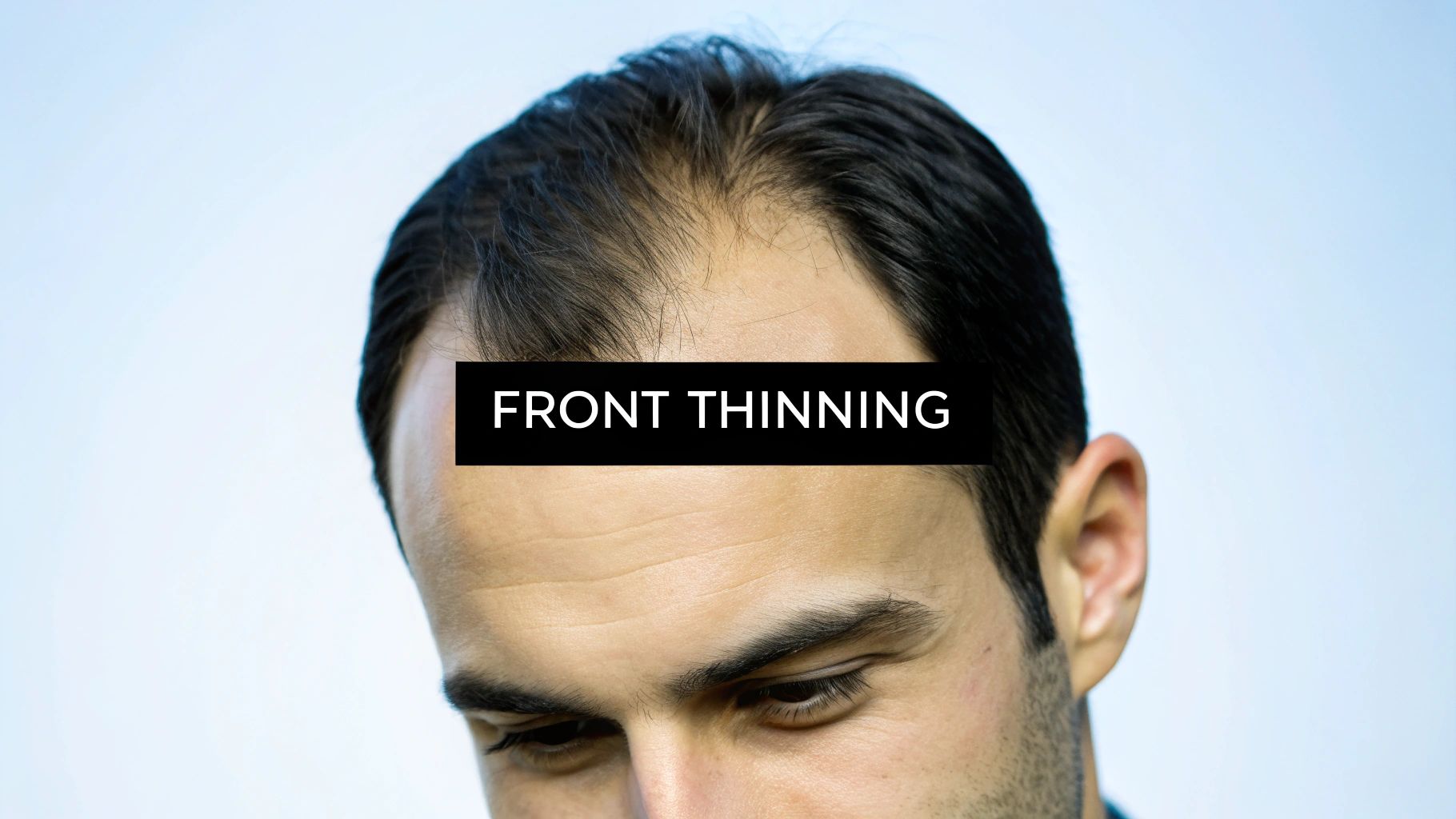
Let's face it: a receding hairline can be a worrying discovery. For men, thinning hair in front is often one of the first signs of male pattern baldness, also known as androgenetic alopecia. But not every hairline change is cause for concern. Understanding the difference between a maturing hairline and actual hair loss is key. This section will help you decipher what your hair is trying to tell you.
Understanding a Maturing Hairline
A maturing hairline is a natural progression for many men, often starting in their late teens or early twenties. This typically involves a gradual recession at the temples, resulting in a more defined, slightly higher hairline. Think of it like the natural changes your face undergoes as you transition from adolescence to adulthood. This kind of recession is usually even on both sides and stabilizes over time.
However, the thinning hair that some men experience can be far more pronounced than a maturing hairline. Androgenetic alopecia, a hereditary condition, causes the progressive miniaturization of hair follicles, especially around the frontal scalp and crown. This leads to thinner, shorter hairs, and eventually, the follicles become inactive.
This thinning can start as early as puberty and often accelerates with age. A study reveals that 42% of men between the ages of 18 and 49 experience moderate to extensive hair loss, with the prevalence increasing with age. 16% of men aged 18-29 experience moderate to extensive hair loss, while that number jumps to 53% for men aged 40-49. More detailed statistics can be found here: https://pubmed.ncbi.nlm.nih.gov/9865198/
Early Warning Signs of Thinning Hair
So, how can you differentiate between a maturing hairline and actual thinning? Be on the lookout for these indicators:
- Increased shedding: While shedding some hair is normal (around 50-100 hairs a day), a noticeable increase, especially in the shower or on your pillow, can be a red flag.
- Thinning or finer hairs: Take note of your hair’s texture. Are the hairs at your temples noticeably thinner or finer? This could be an early sign of miniaturization.
- Uneven recession: A maturing hairline typically recedes evenly. If one temple is receding faster than the other, or if thinning occurs in patches, it could be androgenetic alopecia.
- Visible scalp: If you can easily see your scalp through your hair at the front, particularly under bright light, this suggests significant thinning.
- Itchy or irritated scalp: While not always a direct symptom of hair loss, an itchy, flaky, or irritated scalp can sometimes accompany thinning hair and should be checked.
Talking to a Professional
If you are worried about thinning hair at the front, consulting a dermatologist or a hair restoration specialist is crucial. They can diagnose the cause and recommend the most appropriate course of action. This could range from lifestyle changes to medical treatments or even PRP (Platelet Rich Plasma) therapy, which will be discussed in more detail later. Early intervention is key for effectively managing hair loss, so don't hesitate to seek professional advice.
Why Your Front Hairline Is Thinning: The Science Explained
Thinning hair in the front is a common issue for men. Understanding the science behind it can help you address it proactively. While we've discussed recognizing the signs of a receding hairline, let's delve deeper into the biological mechanisms at play.
The Role of DHT and Genetics
A primary driver of frontal hair thinning in men is dihydrotestosterone (DHT). DHT is a hormone derived from testosterone. It interacts with genetically susceptible hair follicles, causing them to shrink. This process, known as miniaturization, leads to shorter, thinner hairs, and eventually, a receding hairline. The follicles at the front of the scalp are typically the most sensitive to DHT. This makes this area especially vulnerable to thinning. Male pattern baldness, the main cause of this type of hair loss, is significantly influenced by genetics and hormonal factors. In fact, approximately 80% of a man's likelihood of experiencing baldness is attributed to genetic predisposition. Learn more about male pattern baldness here: https://ishrs.org/male-hair-loss-pattern-baldness-in-men/
Stress and Nutritional Deficiencies
Beyond DHT and genetics, other factors can contribute to a thinning hairline. Chronic stress, for example, can disrupt the hair growth cycle. This can force more hairs into the telogen phase, the resting phase of hair growth. The result can be increased shedding and a visibly thinner hairline. Nutritional deficiencies also play a role. A lack of essential vitamins and minerals, such as iron, zinc, and biotin, can impact hair health. Because hair follicles need sufficient nutrients to function correctly, deficiencies can hinder hair growth and cause thinning, often starting at the front.
To further explain common causes of frontal hair thinning, let's look at the following table:
Common Causes of Frontal Hair Thinning in Men
This table compares the primary causes of frontal hair thinning in men, including genetic factors, hormonal influences, and environmental triggers.
| Cause | Prevalence | Typical Age of Onset | Preventability |
|---|---|---|---|
| Male Pattern Baldness | Very Common | 20s-30s | Partially preventable |
| Stress | Common | Varies | Largely preventable |
| Nutritional Deficiencies | Relatively common | Varies | Largely preventable |
As this table indicates, while male pattern baldness is difficult to prevent entirely, managing stress and nutritional deficiencies can significantly impact the health of your hair.
Lifestyle Factors and Early Onset Thinning
Modern lifestyles can introduce factors that worsen hair thinning. A poor diet, inadequate sleep, and exposure to environmental toxins can all disrupt hormonal balance and hinder healthy hair growth. These factors can contribute to early-onset thinning, especially in those genetically predisposed. For instance, a diet heavy in processed foods, sugar, and unhealthy fats can negatively affect nutrient absorption. This can further contribute to hair follicle dysfunction.
Understanding the Hormonal Cascade
The interplay between hormones and hair follicles is complex. DHT binds to receptors in the follicles, triggering a series of events that disrupts the hair growth cycle. This process shortens the anagen phase (the growth phase) and lengthens the telogen phase (the resting phase). The result is hair that spends less time growing and more time resting, leading to a thinner appearance, particularly at the hairline. Understanding this hormonal cascade is crucial to understanding why frontal hair thinning is so prevalent in men.
Treatments That Actually Work for Frontal Hair Loss
Thinning hair, especially at the front, can be a real concern for many men. Fortunately, several proven treatments specifically target frontal hair loss. This offers men viable options for addressing this common issue and potentially regaining hair growth.
FDA-Approved Medications
Two main medications approved by the FDA effectively combat male pattern baldness: Finasteride (Propecia) and Minoxidil (Rogaine). Finasteride is taken orally and works by blocking the production of DHT, a hormone largely responsible for shrinking hair follicles. Minoxidil, a topical solution, increases blood flow to the scalp, stimulating follicle activity.
Both are effective, yet they work differently. Finasteride tackles the hormonal root cause, while Minoxidil directly encourages hair growth where applied. This makes them suitable for different needs and often used in combination.
Emerging Therapies
Beyond these established treatments, exciting developments like Platelet-Rich Plasma (PRP) therapy show promising results. This involves injecting concentrated platelets from your blood into the scalp. These platelets contain growth factors that may stimulate hair follicles and promote new growth. Low-Level Laser Therapy (LLLT), which uses specific light wavelengths to energize cells and boost hair growth, is another emerging option.
While newer, both PRP and LLLT offer encouraging outcomes for men experiencing frontal hair thinning. They provide additional pathways to explore alongside or in conjunction with more established treatments.
Combining Approaches
Often, the best results come from combining treatments. For instance, using Finasteride to address the hormonal side of hair loss and Minoxidil to directly stimulate growth can be more effective than using either treatment alone. Adding PRP or LLLT can further enhance the restoration process. This multi-pronged approach targets the issue from several angles for a more comprehensive solution.
The following table summarizes these treatment options, their effectiveness, cost, and other key considerations:
Treatment Options for Frontal Hair Thinning
| Treatment | Effectiveness for Frontal Loss | Cost Range | Time to See Results | Maintenance Required |
|---|---|---|---|---|
| Finasteride | High | $20-$50/month | 6-12 months | Ongoing |
| Minoxidil | Moderate | $20-$60/month | 4-6 months | Ongoing |
| PRP Therapy | Moderate to High | $500-$2,000 per session (multiple sessions typically needed) | 3-6 months | Ongoing or periodic |
| LLLT | Moderate | $200-$1,000+ for at-home devices; $50-$100 per session for professional treatments | 6-12 months | Ongoing or periodic |
This table provides a quick overview of the common treatments available for frontal hair thinning. As always, consult with a medical professional to determine the best course of action for your individual needs and circumstances.
Realistic Timelines and Measuring Success
It’s important to have realistic expectations. Visible results usually take several months. With Finasteride, you might see slower hair loss within a few months, but significant regrowth can take six months to a year or longer. Minoxidil might work faster, but consistency is vital.
Measuring success goes beyond the mirror. Regular photos, hair counts, and dermatologist assessments provide a clearer picture of your progress. Studies show that almost all men experience some hair loss – approximately 96% to 100%. This underscores the importance of proactive treatment. Learn more about these statistics: Hair Loss Stats
Potential Side Effects
While generally safe, these treatments can have side effects. Finasteride may cause sexual side effects in a small percentage of men, though often temporary. Minoxidil might cause temporary scalp irritation or unwanted hair growth in other areas if the solution drips.
Discussing potential side effects with your doctor is crucial. This helps make informed decisions, manage any concerns, and find the best treatment plan balancing benefits with possible side effects for your specific situation.
Lifestyle Changes That Protect Your Hairline

While medical treatments can be effective, lifestyle choices also play a crucial role in maintaining a healthy hairline. This section explores the important connection between your daily habits and the well-being of your frontal follicles. These evidence-based changes can complement any medical treatments you might be undergoing.
The Nutrition-Hair Connection
The food you eat directly impacts the health of your hair. Just as a plant needs the right nutrients to thrive, so do your hair follicles. Specific nutrients are especially important for strengthening those frontal follicles, particularly the vulnerable hairs at the front of your scalp.
-
Protein: Hair is primarily made of protein. A protein-rich diet provides the necessary building blocks for hair growth. Think of protein as the foundation for healthy hair.
-
Iron: Iron deficiency can lead to telogen effluvium, a form of hair shedding. This often appears as thinning hair, especially noticeable at the hairline.
-
Zinc and Biotin: These micronutrients are essential for hair growth and overall follicle health. A deficiency in either can contribute to thinning hair, particularly in men.
Diets high in processed foods and sugar can also negatively impact nutrient absorption, hindering hair growth. This makes it harder for your body to deliver the necessary nutrients to your hair follicles.
The Impact of Sleep and Stress
Quality sleep isn't just about feeling rested; it directly affects the resilience of your hairline. During sleep, your body repairs and regenerates cells, including hair follicles. Chronic stress can disrupt the hair growth cycle, pushing more hairs into a resting phase and resulting in more shedding. This shedding is often most visible at the front of the scalp for men.
Managing stress effectively, through methods like exercise and mindfulness, can help with hair retention. These activities help regulate hormones and decrease inflammation, positively influencing hair growth. Regular exercise, for example, improves blood circulation, delivering essential nutrients to the scalp.
Environmental Toxins and Your Hair
Everyday products, particularly hair styling products, can contain environmental toxins that hinder hair growth. These toxins can irritate the scalp and damage hair follicles, causing increased thinning, especially along the front hairline.
Choosing natural, toxin-free grooming products can protect your vulnerable frontal hairs. Switching to sulfate-free shampoos, for instance, can minimize scalp irritation and reduce hair breakage.
Making these lifestyle changes can significantly improve the health of your hairline, working in conjunction with any medical treatments you may be pursuing. This comprehensive approach tackles the issue from different directions, increasing your likelihood of maintaining a full, healthy head of hair. This is especially helpful for men experiencing thinning hair at the front.
Mastering Hairstyles That Maximize Thinning Front Hair
While exploring treatments for thinning hair at the front, a well-chosen hairstyle can offer an immediate confidence boost. Understanding how different cuts, styling methods, and products work together can create the illusion of a fuller, healthier hairline.
The Power of the Right Cut
A strategic haircut can significantly minimize the appearance of thinning hair at the front. A textured crop, with its shorter layers, adds volume and distracts the eye from a receding hairline. If your hair has sufficient length and thickness, a fringe can effectively conceal thinning around the temples. Consulting a stylist who specializes in men's hair loss is highly recommended. They can provide personalized advice and suggest the most suitable cut for your individual face shape and hair type.
Styling for Volume and Density
Styling techniques play a pivotal role in creating the appearance of thicker hair. Here are a few key strategies:
- Avoid slicking your hair back: This can expose the scalp and accentuate thinning.
- Use a lightweight volumizing product: Apply to damp hair and focus on lifting the roots while blow-drying.
- Experiment with a side part: This timeless style adds volume and softens the look of the hairline.
- Consider a messy, textured style: This look camouflages thinning areas while providing a contemporary feel.
Common styling errors can inadvertently highlight thinning hair. For example, using heavy products can weigh hair down, making it appear thinner. Similarly, tight hairstyles put stress on hair follicles, potentially exacerbating thinning.
Product Selection and Hair Health
Choosing the right products is essential for maintaining healthy follicles and achieving desired styling results. Look for products designed specifically for thinning hair, as these are often lighter and less likely to clog follicles. Prioritize ingredients known to nourish the scalp and strengthen hair.
The Illusion of Thickness with Color
Strategic coloring techniques can create a surprisingly impactful illusion of thickness. Lowlights, for instance, add depth and dimension, giving the hair a denser appearance. A skilled colorist can develop a customized color strategy that complements your natural hair color and skin tone, subtly enhancing the appearance of fullness without looking unnatural.
Maintenance Routines for Fragile Hair
Protecting fragile hair at the front from further damage requires a consistent maintenance routine. This includes gentle cleansing, conditioning, and minimizing heat styling. Using a wide-tooth comb reduces pulling and breakage. Avoid harsh chemicals and excessive brushing, which can further stress already delicate hair.
Rebuilding Confidence Beyond The Hairline
Thinning hair in front can be more than just a cosmetic issue for men; it can significantly impact self-esteem and confidence. This section explores the psychological effects of hair loss and offers strategies for maintaining a positive self-image during your hair restoration journey.
Understanding The Psychological Impact
It's perfectly normal to feel concerned about changes in your appearance, especially when noticeable to others. Hair is often linked with youth and vitality, so thinning hair can make men feel older or less attractive. This can lead to self-consciousness, anxiety, and even depression. Furthermore, research in sociology and psychology suggests that perceived attractiveness can influence social interactions, and hair loss can negatively affect this perception. The role of appearance in enhancing quality of life is well-documented, with hair playing a key part. To delve deeper into this, explore: The Science of Hair Care
Cognitive Techniques For Managing Anxiety
Cognitive reframing is a powerful technique for managing hair loss-related anxiety. This involves challenging negative thoughts and replacing them with more positive, realistic ones. For instance, instead of dwelling on "My thinning hair makes me look old," reframe it as "My hairline is changing, but I'm addressing it, and other factors contribute to my appearance." This shift in perspective can significantly reduce anxiety and improve self-confidence.
Separating Self-Worth From Appearance
Remember, your self-worth is not defined by your hair. Focus on your strengths, achievements, and qualities that make you unique. Practice positive self-talk and surround yourself with a supportive network of friends and family.
Building Resilience Through Practical Exercises
Self-compassion is crucial. Acknowledge your feelings without judgment, treating yourself with the same kindness you would offer a friend. Engage in activities that bring joy and boost self-esteem, such as hobbies, spending time outdoors, or connecting with loved ones.
Learning From Others’ Experiences
Hearing stories from other men who have successfully managed hair loss can be incredibly empowering. These experiences provide valuable insights, practical tips, and the reassurance that you are not alone. They often highlight the importance of focusing on overall well-being and developing a healthy perspective on appearance.
Ready to take control of your hair loss journey and explore a proven treatment option for frontal hair loss? Discover how PRP therapy can help you regain confidence and restore your hairline. Visit PRP For HairLoss today to learn more.
 PRP For Hairloss
Leave a comment