Receding Temples: Your Hair Loss Rescue Plan
Receding temples can be a worrying sign of male pattern baldness, a condition affecting millions of men. The search for effective hair restoration solutions spans centuries, from traditional remedies to modern technology. What truly makes a treatment effective? Addressing the root causes of hair loss, stimulating follicle activity, and sometimes, transplanting healthy hairs.
Understanding the science behind hair loss and available treatments is vital for making informed decisions. This guide explores seven proven treatment options for temple hair loss, from non-invasive therapies to surgical procedures.
Understanding Hair Loss and Treatment Evolution
Hair loss, particularly around the temples, can be caused by various factors, including genetics, hormonal imbalances, and certain medical conditions. Traditional approaches often focused on topical remedies, but modern science offers more targeted solutions. These advancements have significantly improved the effectiveness and predictability of hair restoration.
Seven Proven Treatment Options
- Minoxidil: Minoxidil is a topical solution that can help stimulate hair growth.
- Finasteride: Finasteride is an oral medication that can help slow down hair loss.
- Platelet-Rich Plasma (PRP) Therapy: PRP therapy involves injecting concentrated platelets from your blood into the scalp to promote hair growth.
- Low-Level Laser Therapy (LLLT): LLLT uses low-level lasers or light-emitting diodes to stimulate hair follicles.
- Hair Transplant Surgery: Hair transplant surgery involves transplanting healthy hair follicles from one area of the scalp to the receding temples.
- Scalp Micropigmentation: Scalp micropigmentation is a cosmetic tattooing technique that creates the illusion of hair follicles.
- Lifestyle Changes: Sometimes, simple lifestyle changes like improving diet and reducing stress can positively impact hair growth.
Choosing the Right Treatment
Each treatment has its own set of pros and cons, expected results, and potential side effects. The best treatment for you will depend on the extent of your hair loss, your overall health, and your personal preferences. Consulting with a qualified dermatologist or hair restoration specialist is essential to determine the most suitable approach.
Empowering Your Hair Restoration Journey
Whether you're experiencing minor thinning or significant recession, understanding your options can empower you to take control of your hair loss. This information can help you make informed decisions and choose the best strategy to regain a fuller head of hair and boost your confidence.
Minoxidil For Temple Hair Loss
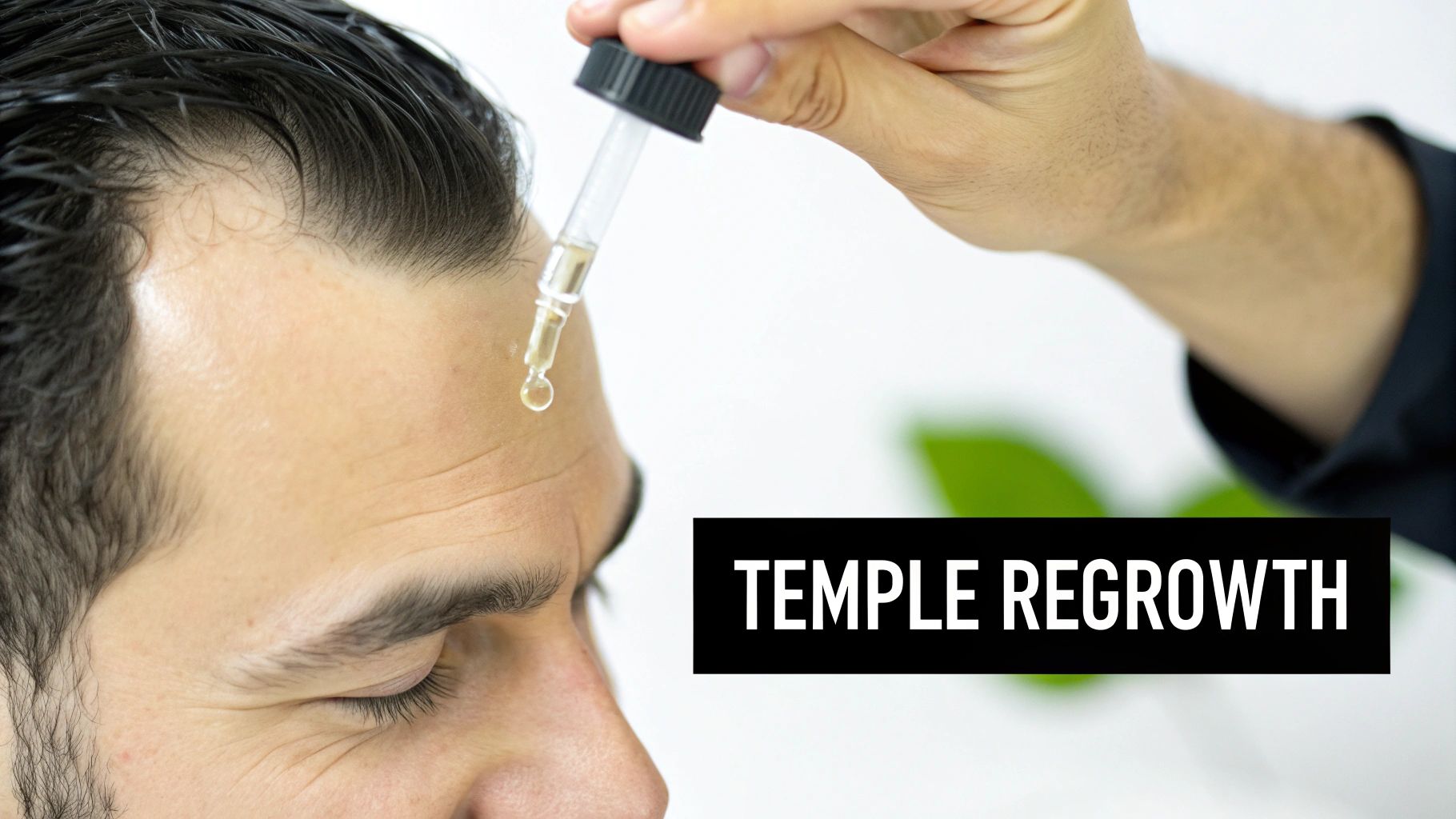
Minoxidil is a highly effective and readily available treatment for combating temple hair loss. This FDA-approved topical medication works by dilating blood vessels and opening potassium channels in the scalp. This boosts blood flow, delivering essential oxygen and nutrients to hair follicles. This encourages them to transition from the resting phase (telogen) back into the growth phase (anagen). This process is especially helpful in addressing temple recession, where hair follicles often shrink, resulting in thinner, shorter hairs.
How Minoxidil Works
Temple hair loss, often one of the first noticeable signs of male pattern baldness, can be particularly concerning. Minoxidil tackles the root cause of follicle miniaturization by improving blood circulation to the affected areas. This can lead to the regrowth of thicker, healthier hair at the temples, helping to restore a more youthful hairline.
Features and Benefits of Minoxidil
- Over-the-Counter Availability: Available without a prescription in 2% and 5% concentrations, making it easy to obtain.
- Targeted Application: Applied directly to the receding temples twice a day, ensuring focused treatment where it's most needed.
- Proven Results: Noticeable results typically appear within 3-6 months of consistent use, although individual responses can vary.
- Versatile Formulations: Offered in liquid, foam, and spray variations, providing flexibility in choosing the preferred application method.
- Suitable for Men and Women: Effective for both genders experiencing temple hair recession.
Pros and Cons of Minoxidil
Pros:
- Available without a prescription
- Clinically proven to regrow hair at the temples
- Minimal systemic side effects when used correctly
- Can be combined with other hair loss treatments
- Can help prevent further recession when used early
Cons:
- Regrowth diminishes if treatment is stopped
- Can sometimes cause scalp irritation or dryness
- Initial shedding is common during the first few weeks of use
- Less effective for advanced hair loss at the temples
- Requires consistent twice-daily application
Minoxidil: Real-World Results and Popularity
Numerous studies back up the effectiveness of Minoxidil. Rogaine, a leading brand originally developed by Upjohn/Pfizer, conducted clinical trials demonstrating a 26% increase in hair growth in temple regions after 12 months. Kirkland Signature Minoxidil, a well-known Costco brand, also has user studies indicating that 60% of men saw some degree of temple regrowth. Endorsements from dermatologists like Dr. Lindsey Bordone of Columbia University Medical Center reinforce its credibility. These positive results and widespread accessibility have made Minoxidil a staple in non-surgical hair loss treatment.
Tips for Optimal Results with Minoxidil
- Dry Application: Apply Minoxidil to dry hair for optimal absorption.
- Precise Targeting: Use the dropper to accurately apply the solution to the temples, minimizing waste and potential scalp irritation.
- Gentle Massage: Gently massage the temples after application to further enhance blood flow to the follicles.
- Progress Tracking: Take monthly photos to track progress and maintain motivation.
- Combination Therapy: Consider combining Minoxidil with dermarolling, a technique that involves creating micro-injuries to stimulate collagen production and potentially boost Minoxidil's effects.
Minoxidil's proven effectiveness, ease of application, and accessibility make it a valuable option for addressing temple hair loss. While not a quick fix and requiring consistent use, it provides a viable solution for those seeking to restore a fuller hairline and combat the early stages of hair recession.
Finasteride For Treating Temple Hair Loss
Finasteride is a well-known oral medication prescribed for male pattern baldness, and it's especially effective for hair loss around the temples. It addresses the root cause of this condition: dihydrotestosterone (DHT). This makes it a powerful option for those experiencing a receding hairline.
How Finasteride Works
DHT, a hormone derived from testosterone, shrinks hair follicles, resulting in thinner, shorter hairs and eventual hair loss. Finasteride works by blocking the 5-alpha-reductase enzyme, which converts testosterone to DHT. By lowering DHT levels by about 70%, finasteride can halt further temple recession and may even promote regrowth.
Features and Benefits of Finasteride
- 1mg Daily Tablet (Prescription Required): A convenient, once-daily dose.
- Systemic Treatment: Addresses the hormonal cause of hair loss throughout the entire body.
- Targets Male Pattern Baldness: Specifically designed to combat the most common type of hair loss in men.
- Proven Results: Clinical trials have shown that finasteride prevents further hair loss in 83% of men and stimulates regrowth in 66%.
- Noticeable Improvement: Visible results typically appear within 3-6 months, with the full effects realized after 1-2 years.
- Effective for Temple Hair Loss: Many men find it particularly beneficial for receding temples.
Clinical Studies and Real-World Results
Numerous studies confirm finasteride's effectiveness. A five-year study demonstrated that 90% of participants maintained or increased their hair count. Merck, the developer of Propecia (brand name finasteride), reported temple area improvement in 48% of participants after one year in their clinical trials. These results solidify finasteride's role as a leading hair loss treatment.
Development and Growing Recognition
Originally marketed as Proscar (5mg) for prostate issues, researchers discovered its hair growth benefits, leading to the development of Propecia (1mg) for male pattern baldness. Prominent hair loss experts, including Dr. Jerry Shapiro of NYU Langone Health and Dr. Alan Bauman, have championed its use, especially for temple recession, further establishing it as a highly effective treatment option.
Pros and Cons of Finasteride
Pros:
- Effectively prevents further temple hair recession.
- Easy, once-daily dose.
- Scientifically proven mechanism of action.
- Often yields better results than topical treatments alone.
Cons:
- Potential sexual side effects (decreased libido, erectile dysfunction) in 2-4% of users.
- Not FDA-approved for women, particularly those who are pregnant or may become pregnant.
- Requires continued use to maintain results.
- May not fully restore significantly receded hairlines.
- Requires a prescription and can be costly without insurance.
Recommendations for Using Finasteride
- Early Intervention: Start finasteride before significant hair loss occurs for optimal results.
- Combine with Minoxidil: Consider using minoxidil, a topical treatment, in conjunction with finasteride for enhanced effectiveness.
- Be Patient: Allow at least 12 months to assess the full benefits of treatment.
- Baseline Hormone Tests: Get hormone levels checked before starting treatment to monitor for any changes.
- Consult a Doctor: Discuss potential side effects and any pre-existing medical conditions with your physician.
Finasteride offers a proven and effective solution for men experiencing temple hair loss by targeting the underlying hormonal cause. While potential side effects exist, the benefits and convenience make it a valuable option for those seeking to maintain and potentially regrow their hair. Consulting with a medical professional is crucial to determine if finasteride is the right treatment for you.
Platelet-Rich Plasma (PRP) Therapy

Receding temples can be one of the first visible signs of male pattern baldness. This can impact both confidence and appearance. For men experiencing this particular type of hair loss, Platelet-Rich Plasma (PRP) therapy offers a promising, minimally invasive solution. It utilizes the body's natural healing process to encourage hair growth at the temples.
PRP therapy involves a three-step process. First, a small blood sample is drawn. Then, the blood is processed in a centrifuge to separate and concentrate the platelets. Finally, the platelet-rich plasma is injected into the thinning areas of the temples.
The concentrated platelets are rich in growth factors and proteins that work to revitalize dormant hair follicles. These growth factors prolong the hair's growth phase and boost blood supply to the follicles. They may even stimulate the development of new follicles. This focused approach makes PRP especially helpful for treating temple recession where hair follicles are shrinking.
How PRP Works
PRP's effectiveness stems from the 5x concentration of growth factors delivered to the hair follicles. This potent injection activates stem cells within the follicles, essentially "reawakening" dormant hairs and promoting re-entry into the growth phase. The enhanced blood flow nourishes the follicles, fortifying existing hairs and fostering a healthy scalp for new growth.
Features and Benefits
- Minimally Invasive Outpatient Procedure: The entire process takes about an hour, allowing you to return to normal activities right away.
- Uses Your Own Blood: This minimizes the risk of adverse reactions or rejection.
- Targeted Treatment: Injections are accurately targeted to the affected temple areas.
- Potential for Increased Hair Count and Thickness: PRP can improve both the quantity and thickness of hair.
Pros and Cons
Pros:
- Natural treatment using your body's own regenerative abilities.
- Minimal side effects or downtime.
- Effective for both men and women experiencing thinning temples.
- Can be combined with other hair loss treatments like microneedling to improve results.
Cons:
- Expensive ($500-$2,000 per session) and rarely covered by insurance.
- Individual results may vary.
- Requires multiple sessions (typically 3-4 initially, then maintenance every 4-6 months).
- Not a permanent fix; ongoing maintenance is needed.
- Less effective in areas with complete hair loss.
Results and Growing Popularity
A 2019 study in the Journal of Cosmetic Dermatology showed a 30% increase in hair density in temple areas after only three PRP sessions. Celebrity stylist Philip Wolff, known for his work with high-profile clients, states that 60-70% of his PRP patients see noticeable temple regrowth. Leading figures like Dr. Jeffrey Rapaport, founder of the Rapaport Hair Institute, and Dr. Gary Linkov, a facial plastic surgeon specializing in temple restoration with PRP, have further promoted the treatment. Even celebrities like Kim Kardashian have endorsed PRP for hair revitalization, increasing its overall popularity.
Tips for Maximizing PRP Treatment
- Refrain from blood thinners and alcohol for 48 hours prior to treatment.
- Choose a certified and skilled provider who utilizes FDA-cleared PRP systems and proven methods.
- Review before/after photos specifically showcasing temple restoration outcomes.
- Consider combining PRP with microneedling for improved growth factor delivery.
- Take regular progress photos in consistent lighting to monitor improvements.
PRP therapy is a promising, scientifically-supported option for men dealing with temple hair loss. While not a guaranteed fix, it presents a natural way to potentially regrow hair and restore a more youthful hairline. This makes PRP an attractive option for those seeking a non-surgical approach.
Low-Level Laser Therapy (LLLT)

Low-Level Laser Therapy (LLLT) presents a non-invasive, painless way to address temple hair loss. Its clinically proven effectiveness and convenient at-home application make it a compelling option. LLLT uses red light wavelengths, generally between 650-900 nanometers (nm), to stimulate cellular activity within hair follicles.
These light photons are absorbed by cytochrome c oxidase within the mitochondria, the energy centers of cells. This absorption boosts ATP production, the cellular energy currency, which drives the metabolic processes essential for hair growth. This "biostimulation" enhances blood flow to the temples, reduces inflammation, and may even reactivate dormant follicles. This effectively combats the miniaturization process often linked to temple recession.
LLLT is administered through devices designed for home use, like helmets, bands, combs, and caps. This allows for easy self-treatment, typically requiring sessions of 8-30 minutes, three times a week. The FDA has cleared LLLT devices for treating androgenetic alopecia, adding to their credibility.
Features and Benefits
- Non-invasive and Painless: LLLT offers a comfortable experience without needles, surgery, or recovery time.
- FDA-Cleared: The technology is FDA-cleared for treating androgenetic alopecia.
- At-Home Convenience: LLLT devices are designed for self-treatment at home.
- Targeted Wavelengths: Devices utilize specific red light wavelengths shown to stimulate hair follicles.
- Clinically Proven: Studies indicate significant increases in hair count and thickness in temple areas.
Pros
- No Significant Side Effects: LLLT is generally safe with minimal risk of adverse reactions.
- Combination Therapy: It can be used with other hair loss treatments like minoxidil or finasteride.
- Cost-Effective (Long-Term): The initial investment may be higher, but at-home devices eliminate recurring treatment costs.
- Easy to Use: Self-administration is simple with user-friendly devices.
Cons
- Initial Cost: Quality LLLT devices can cost between $300 and $3,000.
- Requires Consistency: Results depend on consistent, long-term use.
- Gradual Results: Noticeable changes usually take 3-6 months.
- Limited Efficacy for Advanced Loss: LLLT may be less effective for significant temple recession.
- Device Variability: Device quality and effectiveness vary. Research is essential.
Real-World Examples and Case Studies
Clinical studies support LLLT's effectiveness. HairMax LaserBand clinical trials showed a 129% increase in hair growth in temple areas after 26 weeks. iRestore clinical trials reported a 43% increase in hair count in receding areas.
Evolution and Popularity
Companies like HairMax pioneered LLLT for hair loss, leading to other devices like iRestore and Capillus. Physicians like Dr. Alan Bauman, an early adopter and LLLT researcher, helped legitimize the treatment. Theradome, developed by a former NASA scientist, advanced the technology with its helmet design.
Practical Tips for Implementation
- Complete Coverage: Ensure the device covers your entire temple area.
- Regular Cleaning: Clean the device regularly for optimal light output.
- Clean, Dry Hair: Use the device on clean, dry hair for best light penetration.
- Consistent Schedule: Maintain a regular treatment schedule.
- Track Progress: Take photos before starting to monitor your progress.
By understanding the science, choosing a reputable device, and using it consistently, men with temple hair loss can potentially see improvements in hair density and thickness.
Hair Transplantation for Receding Temples
Hair transplantation provides a permanent solution for men concerned about receding temples. This surgical procedure takes hair follicles from a donor area, usually the back of the head (resistant to dihydrotestosterone (DHT)), and transplants them to the thinning temples. The transplanted hair grows naturally, rebuilding the hairline and temple points. This method offers long-lasting, natural-looking results.
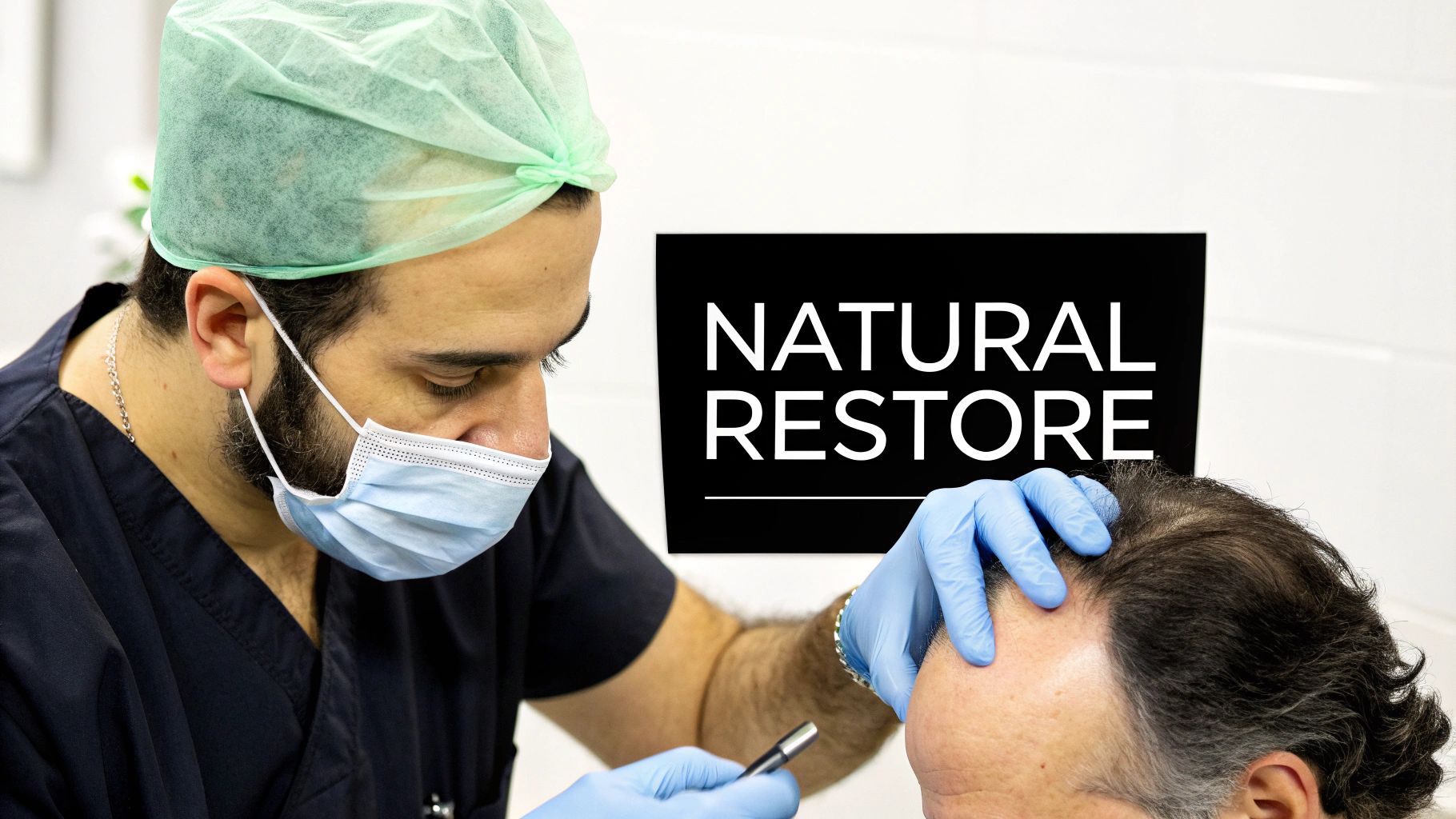
There are two main techniques:
- Follicular Unit Extraction (FUE): Individual follicular units are extracted directly, minimizing scarring. Recovery is discreet, but the procedure can take longer.
- Follicular Unit Transplantation (FUT): A strip of tissue is removed from the donor area and divided into grafts. More grafts can be harvested at once, but a linear scar results.
Features and Benefits of Hair Transplantation
- Permanence: Transplanted hair resists DHT, the hormone primarily responsible for male pattern baldness.
- Natural Appearance: Modern techniques create a natural hairline and temple angle.
- Customization: The procedure can be adjusted to match the patient's desired hairline.
- High Satisfaction: Temple restoration via hair transplantation often boosts self-confidence, with the ISHRS reporting 85% of patients experiencing such improvements.
Pros and Cons of Hair Transplantation
| Pros | Cons |
|---|---|
| Permanent results with DHT-resistant hair | Expensive ($4,000 – $15,000 depending on graft count) |
| One-time procedure (with possible touch-ups) | Requires recovery time (7-14 days) |
| Natural-looking outcome | Risk of shock loss (temporary shedding) |
| Customizable hairline design | Success depends on surgeon's skill |
| Limited donor hair availability | |
| Native hair around temples might continue thinning |
Real-World Examples and Case Studies
Dr. Konior, a renowned hair transplant surgeon, has reported impressive 97% graft survival rates in temple restoration cases. The publicized transformations of celebrities like Elon Musk and Wayne Rooney highlight the procedure's potential.
Advancements in Hair Transplantation
Pioneers like Dr. Robert Bernstein (modern FUE), Dr. William Rassman (ARTAS robotic system), and Dr. Jerry Wong (lateral slit technique) have advanced the field. Technologies like ARTAS and NeoGraft have also made FUE more accessible.
Practical Tips for Hair Transplantation
- Research: Focus on surgeons experienced in temple restoration specifically.
- Before/After Photos: Examine photos of their temple work.
- Conservative Design: Opt for a natural-looking hairline that ages well.
- Post-Procedure Care: Follow instructions carefully to maximize graft survival.
- Combination Therapy: Consider combining transplantation with medication to protect existing hair.
- Recovery Time: Allow for adequate recovery with minimal physical activity.
Careful consideration of the pros and cons, thorough research, and selecting a skilled surgeon can lead to significant, lasting improvements for men experiencing temple hair loss.
Microneedling With Topicals: An Effective Approach for Temple Hair Loss
Temple hair loss can be one of the first noticeable signs of male pattern baldness, and it's often a source of frustration. Microneedling combined with topical treatments offers a potential solution by stimulating hair regrowth in these areas. This method involves using a dermaroller or dermapen, devices with fine needles (0.5-1.5mm long), to create tiny punctures in the skin. These micro-injuries stimulate the body's natural healing process, boosting collagen production and blood flow to the hair follicles. Importantly, they also significantly enhance the absorption of topical hair loss treatments.
This improved absorption is what makes combination therapy so effective. While topicals like minoxidil can work on their own, microneedling creates channels that allow the treatment to penetrate deeper into the scalp, reaching the hair follicles more directly. This essentially amplifies the topical's effect, potentially increasing its efficacy. Some research suggests this can be up to four times more effective. The stimulated healing response also plays a crucial role by releasing growth factors and activating stem cells which can potentially revitalize dormant hair follicles in the temples.
Why This Method Is Effective
This combination therapy is particularly well-suited for early to moderate temple thinning as it tackles multiple factors contributing to hair loss. It's a minimally invasive procedure that can be done at home or by a professional, typically once a week or every two weeks, making it a practical option. It's also comparatively affordable compared to other treatments like hair transplants. A 2018 study in the International Journal of Trichology showed promising results, with 91% of participants experiencing notably improved temple hair growth with microneedling plus minoxidil versus minoxidil alone.
Pros of Microneedling with Topicals
- Cost-effective compared to other treatments
- Enhances topical treatment absorption
- Minimal downtime and side effects (with proper technique)
- Compatible with most other hair loss treatments
- Stimulates collagen and blood vessel growth around hair follicles
Cons of Microneedling with Topicals
- Can cause mild discomfort during the procedure
- Risk of infection if the device isn't properly sterilized
- Requires consistent, ongoing treatment
- Noticeable results can take 3-6 months
- Incorrect technique can lead to scarring or skin damage
Tips for Successful Microneedling
- Sterilization: Always sterilize your device with rubbing alcohol or a sterilizing solution before and after each use.
- Gradual Approach: Start with a shorter needle length (0.5mm) and gradually increase as your skin adjusts.
- Topical Application Timing: Apply topical treatments 24 hours after microneedling to allow the micro-channels to close and minimize irritation.
- Gentle Pressure: Use consistent, gentle pressure. Avoid aggressive needling, as excessive pressure can cause damage.
- Device Quality: Invest in a high-quality dermapen or roller designed for scalp use.
- Consistency: Maintain a regular weekly or bi-weekly schedule for best results.
The increasing popularity of microneedling for hair loss is due in part to ongoing research and development of new techniques and devices, including both professional and at-home options like Dermapen and Dr. Pen. By following the tips above and staying consistent, microneedling with topicals can be a helpful part of addressing temple hair loss.
Dutasteride For Temple Hair Loss
For men struggling with persistent temple hair loss, dutasteride may offer a powerful solution. While finasteride is often the first course of action, dutasteride provides a stronger alternative for those who haven't seen satisfactory results or whose temple recession is particularly aggressive. Its superior DHT-blocking abilities and proven effectiveness in this often challenging area make it a valuable option.
Dutasteride inhibits both type I and type II 5-alpha-reductase enzymes. These enzymes convert testosterone into dihydrotestosterone (DHT), the primary hormone responsible for male pattern baldness. Finasteride only blocks type II, but dutasteride's dual inhibition significantly reduces scalp DHT – approximately 90% compared to finasteride's 70%.
Features of Dutasteride
- 0.5mg daily oral tablet (prescription required)
- Inhibits both type I and II 5α-reductase enzymes
- Reduces scalp DHT by approximately 90%
- Longer half-life (4-5 weeks) for stable hormone reduction
- Often prescribed for those who don't respond to finasteride and have temple recession
Pros of Dutasteride
- More potent DHT inhibition than finasteride
- Studies show superior efficacy for maintaining and regrowing hair at the temples
- Convenient once-daily dose
- Some report temple regrowth after limited success with finasteride
- Effects may appear within 3-6 months
Cons of Dutasteride
- Higher risk of sexual side effects than finasteride (5-7% versus 2-4%)
- Not FDA-approved for hair loss (off-label use)
- More expensive than generic finasteride
- Not suitable for women who may become pregnant
- Requires continuous use to maintain results
Real-World Examples and Studies
Research supports dutasteride's effectiveness for temple hair loss. One Korean study showed that dutasteride outperformed finasteride, with 92% of participants reporting improvement in temple regions compared to 70% in the finasteride group. A 2020 multicenter clinical trial revealed a 15% increase in hair count in temple areas after 12 months of dutasteride versus 10% with finasteride. These studies reinforce dutasteride's potential for addressing stubborn temple recession.
Expert Opinions and Growing Popularity
Marketed as Avodart by GlaxoSmithKline primarily for benign prostatic hyperplasia (BPH), dutasteride's hair loss benefits have been highlighted by researchers like Dr. Jerry Shapiro (NYU Langone Medical Center), Dr. Rodney Sinclair (University of Melbourne), and Dr. John Cole. The Korean dermatological community were early proponents of dutasteride for hair loss, contributing to its increasing use for this purpose.
Practical Tips
- Start With Finasteride: Consider trying finasteride before moving on to dutasteride.
- Hormone Panel: Get a hormone panel before starting treatment to establish a baseline.
- Discuss Side Effects: Talk to your doctor about potential side effects.
- Lower Dose Option: Consider lower doses (0.5mg every other day) if you’re concerned about side effects.
- Synergistic Benefits: Combine with topical treatments like minoxidil for potentially enhanced results.
- Progress Photos: Take photos of your temple regions to track your progress.
Dutasteride offers a more aggressive treatment for temple hair loss, providing a potential solution for men who haven’t found success with other methods. However, consulting with a doctor is essential to discuss potential risks and benefits and determine if dutasteride is right for you.
Temple Hair Loss Treatment: 7-Option Comparison
| Treatment | Mechanism & Features (✨) | User Experience (★) | Value & Cost (💰) | Target & Unique Points (👥🏆) |
|---|---|---|---|---|
| Minoxidil (Topical) | OTC topical; 2% & 5% options; applied twice daily | Improves temple regrowth in 3–6 months; may cause scalp irritation | Affordable; accessible | Men & women; clinically proven with brands like Rogaine & Kirkland |
| Finasteride (Oral) | 1mg daily pill; reduces DHT by ~70% | Convenient once-daily; effective but potential sexual side effects | Prescription; moderate expense | Men; targets hormonal loss with strong clinical backing |
| PRP Therapy | Uses patient’s own concentrated platelets via injections | Natural regeneration; multiple sessions yield gradual improvements | High per session cost ($500–$2,000) | Men & women seeking non-surgical, natural restoration with minimal downtime |
| Low-Level Laser Therapy (LLLT) | Red light stimulation (650–900nm) to boost follicle activity | Painless, at-home or clinic use; gradual hair count and thickness gains | One-time device purchase variable cost | Men with early–moderate loss; non-invasive and easy to use |
| Hair Transplantation (FUE/FUT) | Surgical relocation of follicles; natural hairline design | Permanent results; one-time procedure with recovery time needed | Expensive ($4,000–$15,000) | Men with advanced recession; artistically placed results for natural look |
| Microneedling with Topicals | Creates microchannels to enhance topical absorption (0.5–1.5mm needles) | Mild discomfort; boosts minoxidil effectiveness; regular sessions necessary | Budget-friendly per session | Men with early–moderate thinning; effective combo therapy |
| Dutasteride (Oral) | 0.5mg daily; dual inhibition reducing DHT by ~90% | Powerful once-daily treatment; may have higher sexual side effect risk | Prescription; higher cost compared to finasteride | Men non-responsive to finasteride; superior for resistant temple loss |
Reclaiming Your Hairline: A Path to Confidence
Temple hair loss is a common issue for many men, often affecting self-esteem. Restoring your hairline and your confidence is achievable with the right approach. This involves understanding the root causes of hair loss and selecting a tailored treatment strategy.
Numerous effective solutions exist, ranging from topical treatments like Minoxidil to oral medications such as Finasteride and Dutasteride. Other options include advanced therapies like Platelet-Rich Plasma (PRP) therapy, Low-Level Laser Therapy (LLLT), and surgical procedures such as hair transplantation using Follicular Unit Extraction (FUE) or Follicular Unit Transplantation (FUT). Combining methods, such as microneedling with topical solutions, may further enhance results.
Consistency and informed decision-making are key to a successful outcome. Whether you choose medications, minimally invasive procedures, or surgical interventions, sticking to your treatment plan and adapting based on progress is essential. Consultations with a qualified dermatologist or hair restoration specialist offer invaluable personalized guidance. These specialists assess your hair loss pattern, review your medical history, and recommend the most suitable treatment plan.
Staying Informed for Best Results
Staying informed about advancements in hair loss treatments is crucial. The field is constantly evolving, with new research and techniques emerging regularly. This knowledge empowers you to make the best decisions throughout your hair restoration journey.
Adaptability is also important. What works initially might require adjustments over time. Regular evaluations with your specialist and refining your approach ensures long-term success.
Key Takeaways
- Personalized Approach: There's no one-size-fits-all solution. Consult a specialist.
- Consistency Is Key: Adherence to your treatment plan is crucial.
- Informed Decisions: Stay updated on the latest advancements in hair loss treatments.
- Adaptability Matters: Be prepared to adjust your strategy based on progress and professional advice.
Interested in learning more about PRP therapy? PRP For HairLoss provides comprehensive information on male pattern baldness and the benefits of PRP treatment. Visit PRP For HairLoss today to discover how PRP can help restore your hairline and confidence.
 PRP For Hairloss
Leave a comment