Reclaiming Your Crown: Understanding Male Pattern Baldness
Hair loss affects millions of men worldwide, taking an emotional toll and impacting self-confidence. While male pattern baldness (androgenetic alopecia) was once considered an unavoidable part of aging, modern research and treatments have opened up new possibilities for those experiencing hair loss.
Getting to the root cause requires understanding the science behind male pattern baldness. Genetics and hormones play key roles, but breakthroughs in research have expanded both our knowledge and available treatment options. Today, men have access to a range of solutions – from medically-proven topical treatments to advanced surgical techniques.
Finding the right approach depends on several factors:
- Your stage of hair loss
- How you respond to different treatments
- Following a consistent treatment plan
In this guide, we'll explore the fundamentals of male pattern baldness and walk through evidence-based options that can help you take control. You'll learn what works, what to expect, and how to make informed decisions about managing hair loss effectively. With the right knowledge and strategy, you can work towards restoring both your hair and confidence.
1. PRP For HairLoss
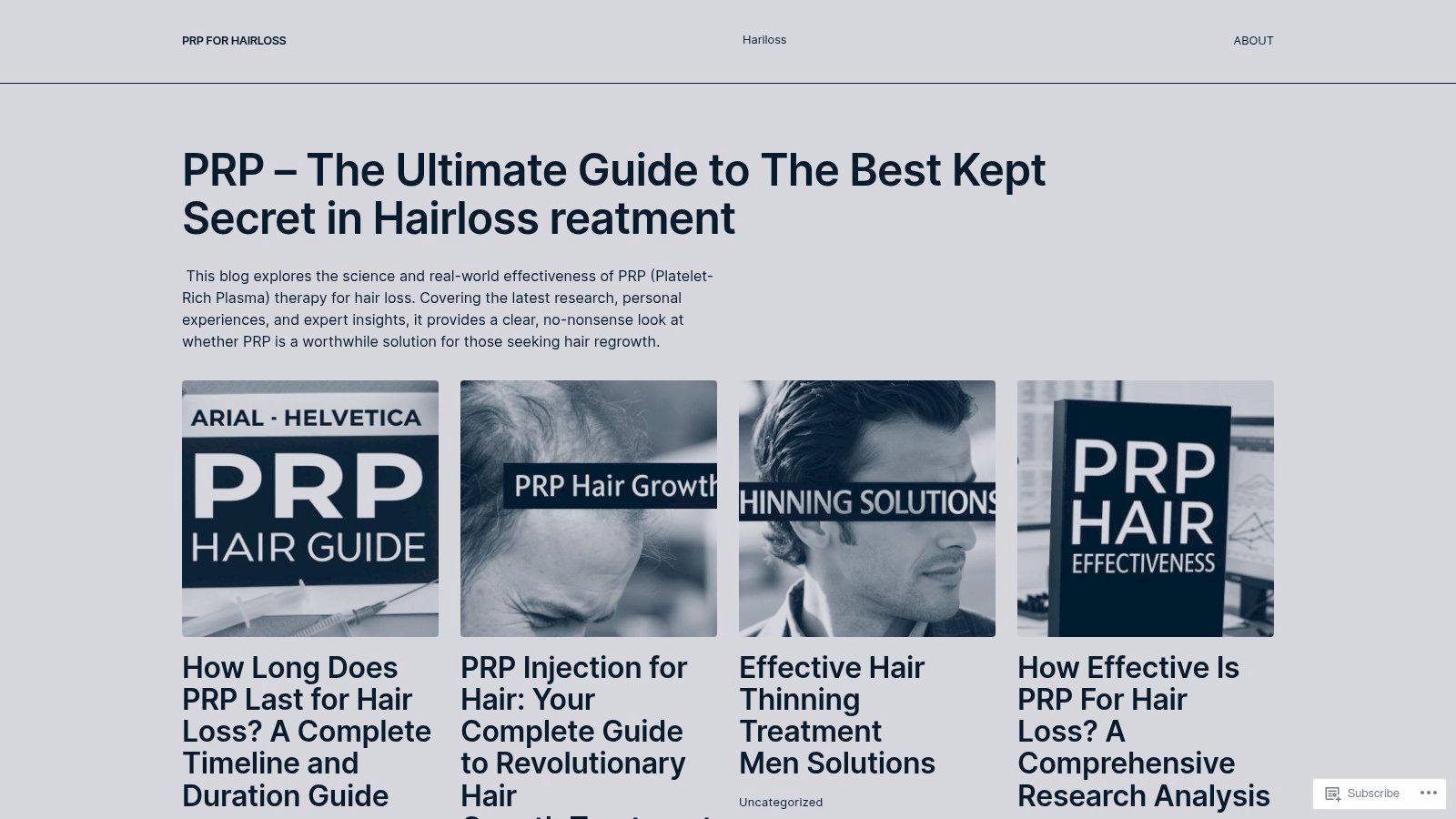
PRP For HairLoss is a leading online resource for men dealing with male pattern baldness who want to learn about Platelet-Rich Plasma (PRP) therapy. The site provides clear, science-backed information about how PRP treatment works and its potential benefits for hair restoration.
The website serves different needs depending on where you are in your hair loss journey. Whether you're just starting to research treatment options, actively considering PRP therapy, or already undergoing treatment, you'll find relevant information about the procedure, costs, timeline, and potential side effects to help guide your decisions.
Key Features:
- Science-Based Content: Clear explanations of how PRP therapy works at a biological level, supported by current research
- Real Patient Stories: First-hand accounts from men who have undergone PRP treatment, along with expert medical perspectives
- Practical Information: Detailed guides covering treatment duration, expected costs, and potential side effects
- Male-Focused: Content specifically addresses male pattern baldness and related concerns
Advantages:
- Research-backed information presented in clear language
- Mix of expert knowledge and patient experiences
- Complete treatment guides with practical details
- Focused specifically on male hair loss
- Makes complex medical concepts easy to understand
Limitations:
- Content focuses only on male hair loss
- Serves as an information source rather than providing direct medical services
Technical Requirements:
The website is free to access and only needs a standard web browser and internet connection. No downloads or special software are required.
How It Compares:
While many resources cover various hair loss treatments, PRP For HairLoss stands out by focusing exclusively on PRP therapy with detailed, research-based information tailored for men. The site successfully bridges the gap between complex medical research and practical guidance for those considering this treatment option.
This resource helps men better understand their options and make well-informed choices about PRP therapy for hair restoration.
2. Finasteride (Propecia®)
Finasteride, available under the brand name Propecia®, is an FDA-approved medication that effectively treats male pattern baldness. Unlike surface treatments, this oral medication targets the underlying cause of hair loss by blocking dihydrotestosterone (DHT) – the hormone that causes hair follicles to shrink. By inhibiting the 5-alpha reductase enzyme, finasteride reduces DHT levels by 70%.
How it Works:
The treatment involves taking one 1mg tablet daily. Regular use is essential for best results. While changes aren't immediate, research shows most men see clear improvements in hair retention and regrowth after 3-6 months of daily use. Studies confirm these benefits continue with ongoing treatment.
Features and Benefits:
- Direct DHT Blocking: Finasteride specifically targets the hormone causing male pattern hair loss
- Strong Success Rate: Studies show effectiveness in 85% of men for stopping loss and encouraging new growth
- Simple Treatment: Just one pill per day makes it easy to maintain
Pros:
- Scientifically proven results backed by research
- Convenient once-daily dosing schedule
- Long-term studies show sustained positive effects
Cons:
- Sexual Side Effects: A small number of users report reduced sex drive, erectile issues or ejaculation changes. These effects typically reverse when stopping treatment. Discuss any concerns with your doctor.
- Continuous Use Required: Results only last while taking the medication. Hair loss usually resumes if treatment stops.
- Not for Women: The medication isn't approved for women, particularly during pregnancy/breastfeeding, due to potential risks.
- Doctor Visit Needed: You'll need a prescription, requiring a medical consultation first.
Pricing and Availability:
Cost varies by location and insurance coverage. Generic versions often cost significantly less than brand-name Propecia®. Check with your healthcare provider for exact pricing.
Implementation Tips:
- Get Medical Advice: Talk with your doctor about benefits, risks and your medical history before starting
- Stay Patient: Give the medication time to work – consistent use over months is key
- Monitor Side Effects: Tell your doctor about any negative effects, especially sexual changes
- Think Long-Term: Plan for ongoing treatment to maintain results
Comparison with Similar Options:
While topical minoxidil can help grow hair, it doesn't address the hormonal cause like finasteride does. Some people get good results using both treatments together.
Website: Propecia.com
3. Minoxidil (Rogaine®)
Minoxidil, also known as Rogaine®, is a proven topical treatment you can buy over-the-counter to fight male pattern baldness. It stands out for its easy accessibility, simple application process, and documented success in helping many men keep and regrow their hair. The medication works to boost blood flow to hair follicles, which can promote new growth while preventing further loss. You can choose between 2% and 5% solutions or foam versions based on what works best for you.
How it Works:
Apply Minoxidil directly to thinning areas of your scalp twice per day. Men typically use the 5% solution, while women often opt for 2% (though some men find the lower strength sufficient). Many users prefer the foam version since it's easier to apply and doesn't leave hair feeling greasy.
Key Features:
- Direct Application: Targets specific areas while limiting side effects elsewhere
- No Prescription Needed: Available at most pharmacies and stores
- Works on Multiple Areas: Effective for both receding hairlines and crown thinning
- Format Options: Choose between liquid or foam based on preference
Main Benefits:
- Limited Side Effects: Since it's applied directly to scalp, fewer whole-body effects
- Simple to Use: Quick and straightforward to add to daily routine
- Research-Backed: Clinical studies show real results with regular use
Potential Drawbacks:
- Twice-Daily Commitment: Must apply morning and night consistently
- Possible Skin Reactions: May cause mild irritation or itching for some users
- Initial Hair Shedding: Temporary increase in hair loss when first starting is normal and expected
Cost and Where to Buy:
Find Minoxidil at most drugstores and online retailers. A monthly supply typically costs between $20-50, varying by concentration and whether you choose liquid or foam.
Usage Tips:
- Stay Consistent: Results take 3-6 months – stick with twice daily use
- Follow Directions: Use as instructed on packaging for best results
- Give it Time: Don't quit if you see initial shedding – this often means it's working
- See a Doctor: Consult a dermatologist if you experience significant irritation
Website: https://www.rogaine.com
While not a magical solution, Minoxidil offers a science-backed option for treating hair loss that's both affordable and readily available. With proper use and realistic expectations, it can help many men maintain and improve their hair growth.
4. Hair Transplant Surgery (FUE/FUT)
For men dealing with pattern baldness, hair transplant surgery stands out as the only permanent solution currently available. This surgical approach moves healthy hair follicles from areas with good growth to thinning or balding spots, creating natural-looking and lasting results.
The procedure involves taking hair follicles from donor sites (usually the back and sides of the head) and placing them where hair loss has occurred. Modern surgical methods have greatly improved outcomes while reducing recovery time. There are two main techniques:
- Follicular Unit Extraction (FUE): Each hair follicle unit is individually removed and transplanted. This method leaves minimal scarring and offers quicker healing.
- Follicular Unit Transplantation (FUT/Strip Method): Surgeons remove a strip of scalp with follicles, separate the units, and implant them where needed. While FUT allows more grafts per session, it leaves a linear scar.
Key Benefits:
- Results Last a Lifetime: Once established, transplanted follicles continue growing naturally
- Looks Natural: Current techniques create hairlines that blend seamlessly with existing hair
- Works With Other Treatments: Can be combined with medication or PRP therapy for better results
- Less Invasive Options: Modern FUE uses small incisions for faster healing
Advantages:
- Long-Term Solution: Results continue for life without ongoing treatments
- Single Procedure: Most patients achieve their goals with one surgery
- Authentic Growth: New hair grows and behaves like your original hair
Drawbacks:
- High Cost: Procedures typically range from $4,000 to $15,000 depending on extent and location
- Healing Period: Initial swelling and scabbing occur, with full results taking several months
- Possible Side Effects: Though uncommon, patients may experience infection, scarring, or unsatisfactory results
Getting Started:
Success depends heavily on choosing a skilled surgeon. Research potential doctors carefully, examining their certifications, past work, and patient results. Schedule consultations with multiple specialists to discuss your specific needs.
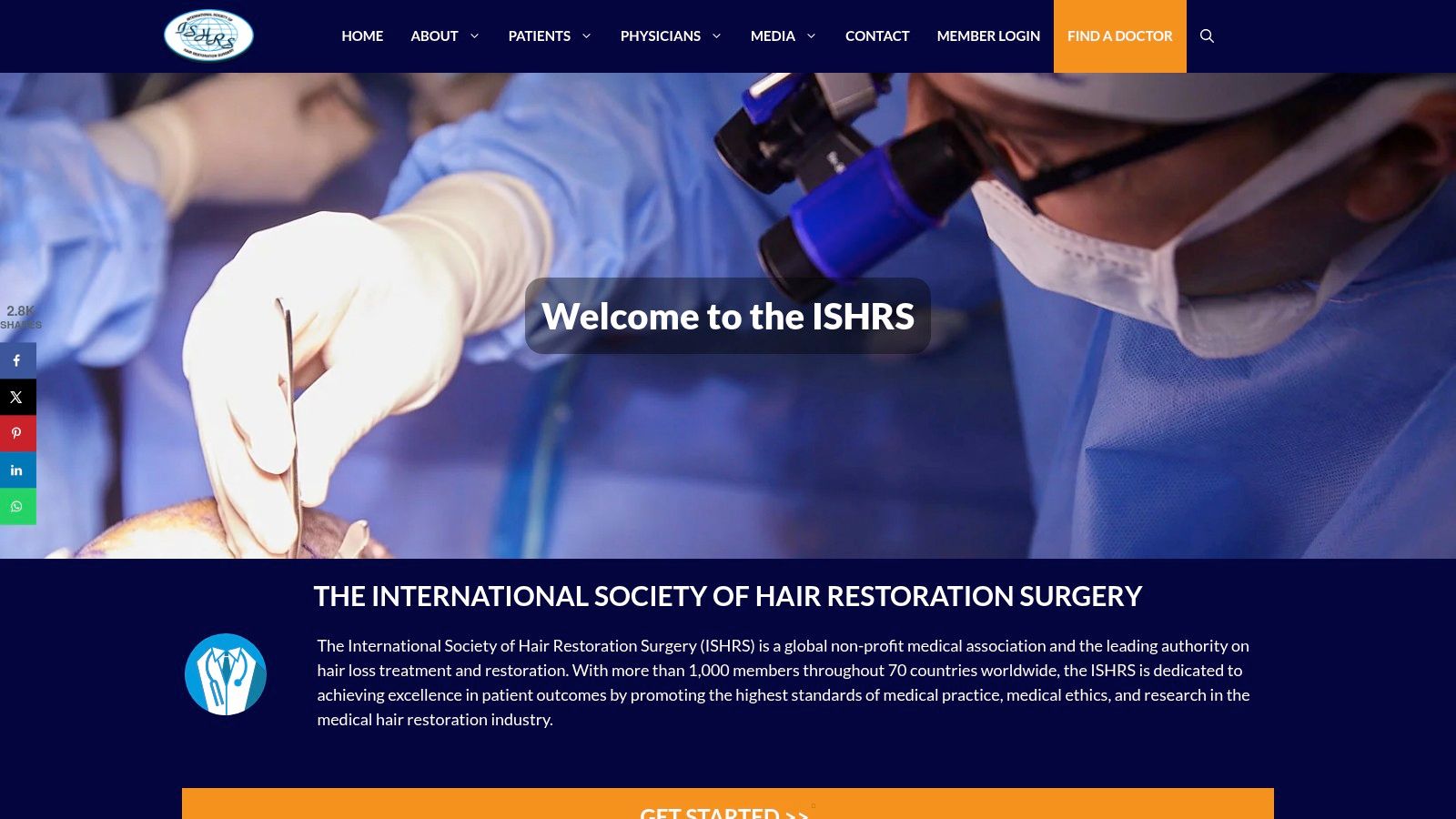
For more information and help finding qualified surgeons, visit the International Society of Hair Restoration Surgery (ISHRS).
5. Low-Level Laser Therapy (LLLT)
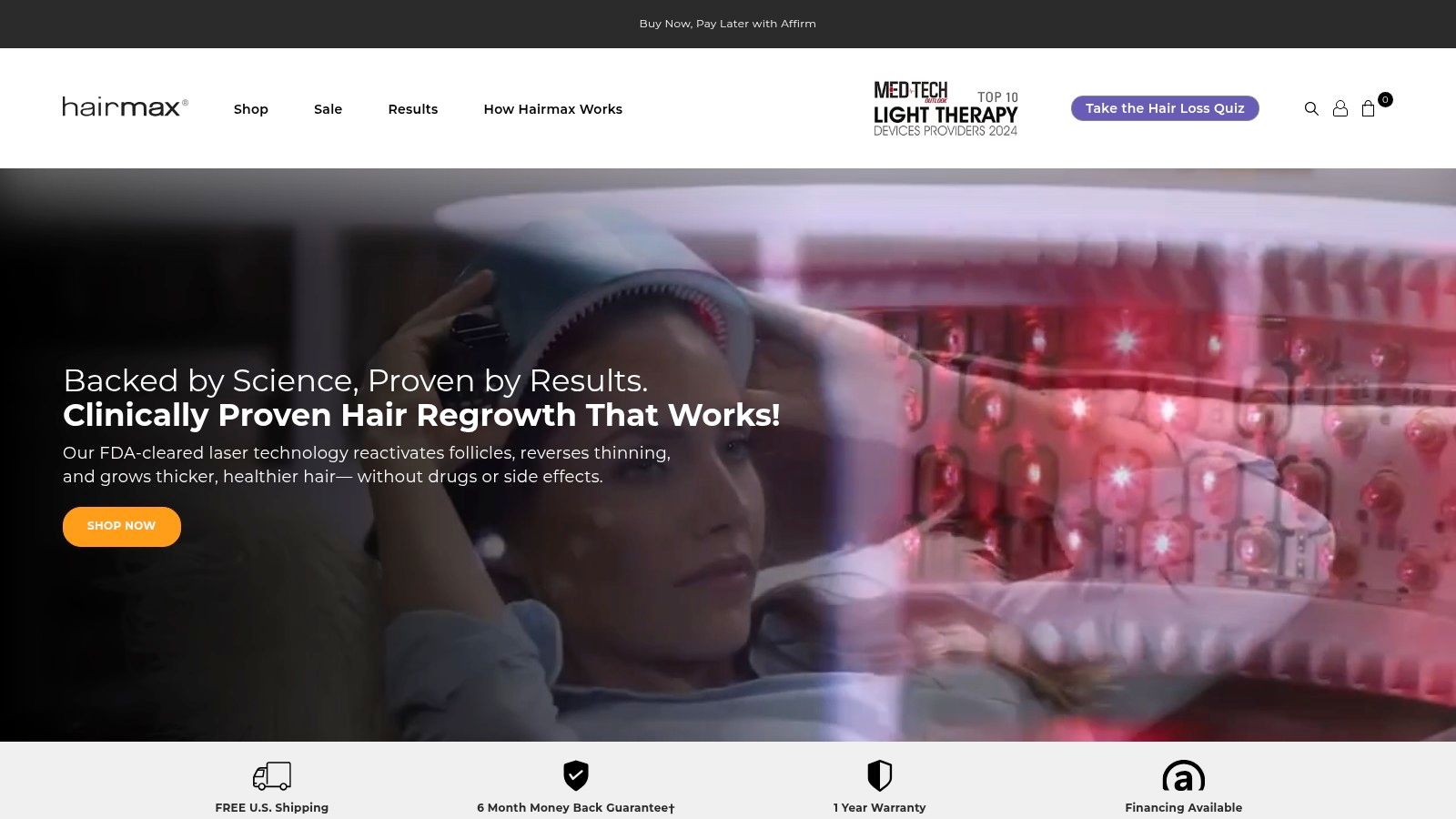
Low-Level Laser Therapy (LLLT), also called red light therapy, uses specific wavelengths of red light to boost hair follicles and support hair growth. It stands out as an FDA-cleared, non-invasive option for treating male pattern baldness that can work alongside or instead of medications and surgeries. You can get LLLT treatments at clinics or use devices at home, making it adaptable to different needs and schedules.
How LLLT Works
LLLT devices come as combs, helmets, or caps that direct low-level laser light into the scalp. The hair follicle cells absorb this light, which may increase their energy production and support growth. While scientists are still studying exactly how it works, research shows LLLT might help cells function better and reduce inflammation, creating better conditions for hair growth.
Practical Applications and Use Cases
The main use for LLLT is treating androgenetic alopecia (male pattern baldness). You can use it by itself or combine it with other treatments like minoxidil or finasteride. It works best for men who are just starting to notice hair thinning or a receding hairline, though results vary between people.
Home Use vs. Clinic Treatments
Professional clinics offer LLLT with high-powered laser equipment operated by trained staff. While these treatments deliver more laser energy, they require regular clinic visits and cost more. Home devices like laser combs and caps offer more flexibility – you can use them whenever it's convenient. Though less powerful than clinic lasers, they're more affordable and easier to access.
Pricing and Technical Requirements
Home LLLT devices typically cost $300 to $1000 or more, with prices varying based on brand quality and number of laser diodes. Most run on batteries or recharge between uses. You don't need special skills to use these devices – they're designed for simple operation.
Implementation/Setup Tips
- Read and follow all manufacturer instructions for best results and safety
- Stick to a regular treatment schedule for several months
- Keep your device clean according to guidelines
- Consider using LLLT along with other hair loss treatments
Pros
- No pain and non-invasive
- Safe with no major side effects reported
- Convenient home treatment option
- Works well with other hair loss solutions
Cons
- Higher upfront cost for devices
- Takes 6+ months to see changes
- Results differ between users
Website: HairMax
LLLT offers a safe way to address male pattern baldness without surgery or medication side effects. The ability to use it at home makes it practical for many men. However, be ready for the initial device cost and understand that seeing results takes time and varies by person.
6. Platelet-Rich Plasma (PRP)
Platelet-Rich Plasma (PRP) therapy offers a promising treatment option for male pattern baldness by using your body's natural healing abilities. The process involves taking a small blood sample, concentrating the platelets and growth factors, then injecting this enriched plasma into your scalp to wake up dormant hair follicles and encourage new growth.
How It Works
The treatment relies on platelets, which contain vital growth factors that repair and regenerate tissue. When injected into the scalp, PRP activates hair follicles that have become miniaturized due to male pattern baldness, helping to produce thicker and healthier hair growth.
Key Benefits:
- Natural Treatment: Uses your own blood, minimizing allergy risks
- Complementary: Can enhance results when combined with other treatments like hair transplants
- Low Risk: Side effects are usually limited to minor soreness or redness at injection sites
Advantages and Drawbacks
Benefits:
- Safe and natural approach
- Minimal recovery time needed
- Works well with other hair loss solutions
Limitations:
- High Cost: Each session runs $1,500-$3,500, with multiple treatments needed
- Time Investment: Several sessions required over weeks/months
- Results Vary: Some see major improvements while others have minimal changes
Best Uses
PRP works best for:
- Early-stage hair loss
- Enhancing hair transplant results
- Patients with active hair follicles
Treatment Tips:
- Find a qualified hair restoration doctor to assess if PRP suits your needs
- Get a customized treatment schedule based on your hair loss
- Plan for periodic maintenance sessions to keep results
Comparison to Other Options
Unlike daily medications such as finasteride or minoxidil, PRP offers a drug-free alternative. While medications are more convenient, PRP provides a natural option for those wanting to avoid potential drug side effects, despite being more expensive and invasive.
Website: PRP Treatments
While not a guaranteed solution for male pattern baldness, PRP can be effective for some men fighting hair loss. Success depends on having realistic expectations, being prepared for the financial commitment, and working closely with a qualified professional to determine if it's right for your specific situation.
7. Scalp Micropigmentation
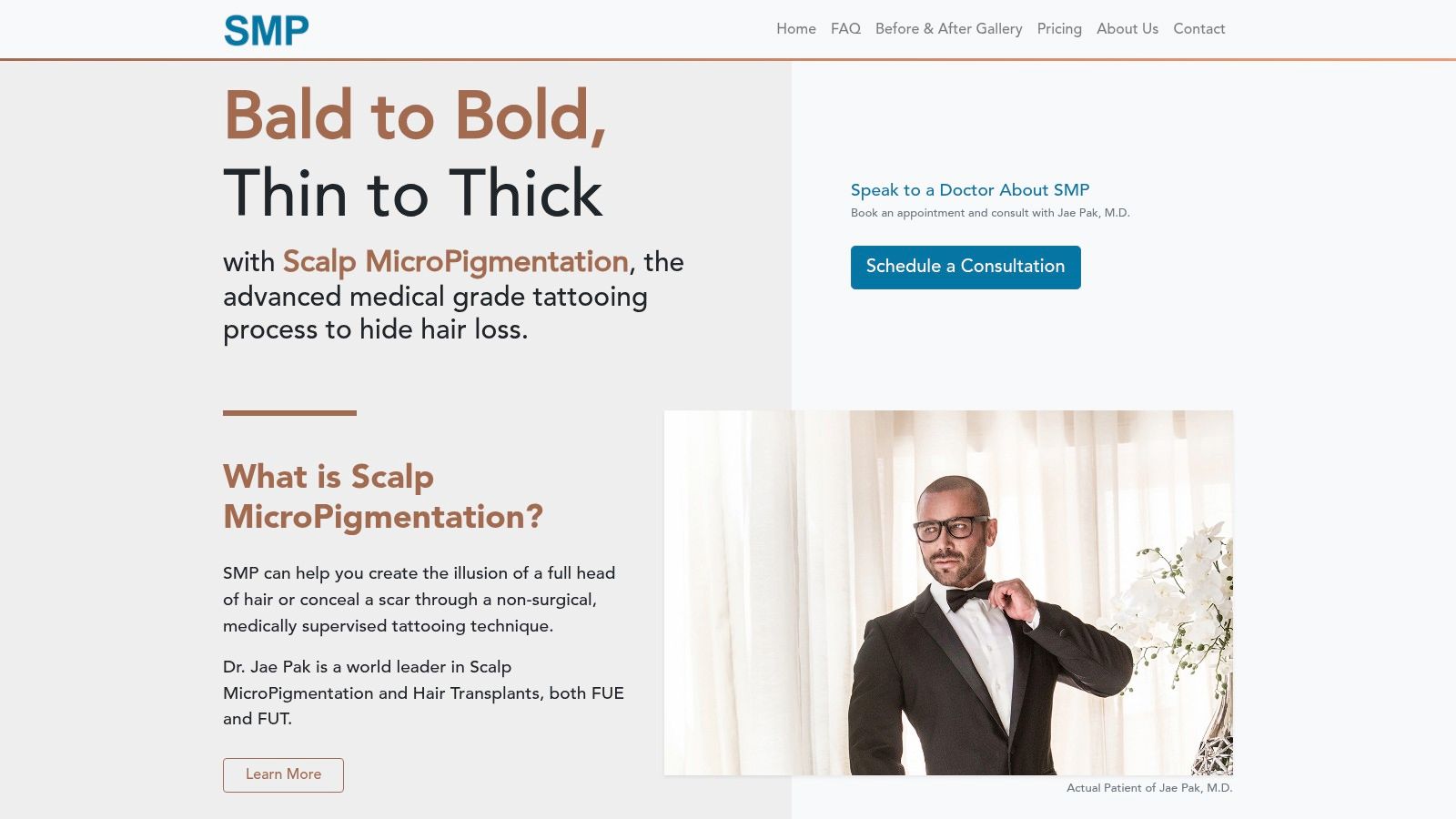
Scalp micropigmentation (SMP) is a non-surgical cosmetic treatment that creates the appearance of a closely-shaved head of hair. Instead of stimulating new hair growth, this technique uses specialized micro-needles to deposit pigment into the scalp, making it look like you have hair follicles. It's an excellent choice for men wanting a defined hairline or the look of a freshly buzzed head.
A skilled technician carries out the procedure using specialized equipment to place pigment into the dermal layer of your scalp. The pigment color is carefully selected to match your natural hair and skin tone. Treatment usually requires multiple sessions to build up the desired density gradually.
Key Features:
- No surgery or recovery time needed
- Results visible right after first session
- Results last several years before needing touch-ups
- Custom hairline and density options
- Works well for all skin types
- Minimal ongoing maintenance required
Advantages:
- See immediate improvement in hair appearance
- Simple upkeep compared to other options
- Suitable across different skin tones and hair colors
Drawbacks:
- Doesn't stimulate actual hair growth
- Requires periodic touch-up sessions
- Limited to buzzed/shaved hairstyles
Cost and Requirements:
The price varies based on treatment area size and number of sessions needed. Consulting a qualified SMP specialist will provide accurate pricing for your situation. Since this is a specialized procedure, choosing an experienced practitioner is essential.
How It Compares:
Unlike hair transplants, SMP doesn't involve transplanting actual hair follicles. Compared to medications like minoxidil or finasteride, it provides faster visual results, though cosmetic rather than biological. It's particularly good for those who aren't candidates for transplants or haven't had success with other treatments.
Getting Started Tips:
- Research and select a well-qualified SMP practitioner
- Know what hairline and density you want
- Have an in-depth consultation to discuss expectations
- Follow all aftercare instructions carefully
Learn More: Scalp Micropigmentation (General resource link, not endorsing any specific provider)
8. Dutasteride (Avodart®)
Dutasteride, sold under the brand name Avodart®, is a prescription medication used to treat enlarged prostate (BPH). While primarily approved for BPH treatment, doctors sometimes prescribe it off-label for male pattern baldness due to its strong DHT-blocking abilities. For men who haven't responded well to finasteride, dutasteride can be an effective alternative since it blocks both types of the enzyme responsible for hair loss.
How Dutasteride Works:
The medication prevents testosterone from converting into dihydrotestosterone (DHT), the hormone that causes hair follicles to shrink in men with pattern baldness. Unlike finasteride which only blocks Type 2 5-alpha reductase, dutasteride inhibits both Type 1 and Type 2 enzymes. This dual action leads to more complete DHT suppression and potentially better results for hair loss prevention.
Key Benefits:
- Strong DHT Blocking: More complete DHT suppression compared to finasteride
- Simple Dosing: One 0.5mg capsule taken daily
- Alternative Option: Can work for those who don't respond to finasteride
Advantages:
- Better DHT Suppression: May provide superior results compared to other treatments
- Easy to Take: Once-daily dosing helps with consistency
- Second-Line Treatment: Offers hope for finasteride non-responders
Disadvantages:
- Side Effect Risk: Though uncommon, sexual side effects like decreased libido and erectile issues may occur more frequently than with finasteride
- Off-Label Use: Not FDA-approved specifically for hair loss treatment
- Higher Cost: Generally more expensive than finasteride
How to Get Started:
You'll need to consult with a doctor or dermatologist for a prescription. Be prepared to discuss your complete medical history and any medications you take. Your doctor will evaluate if dutasteride is appropriate for your situation.
Cost Considerations:
Prices vary by location and insurance coverage, with dutasteride typically costing more than finasteride. Check with your local pharmacy for specific pricing.
Why Consider Dutasteride:
For men who haven't seen results with finasteride, dutasteride offers a more potent option for fighting hair loss. While the increased side effect risk and cost are important factors to consider, its effectiveness in blocking DHT makes it a valuable treatment option.
Always consult a healthcare provider before starting dutasteride. They can properly evaluate your situation and monitor for any potential side effects if treatment is initiated.
8-Point Comparison: Male Pattern Baldness Treatments
| Treatment Option | Core Features ✨ | User Experience ★ | Value Proposition 💰 | Target Audience 👥 |
|---|---|---|---|---|
| 🏆 PRP For HairLoss | Research-backed PRP insights, clear guides | Easy-to-read, expert advice | Free, comprehensive resource | Men facing hair loss |
| Finasteride (Propecia®) | Prescription DHT blocker, daily tablet | Clinically proven, straightforward | Reliable results with sustained use | Men with hair loss |
| Minoxidil (Rogaine®) | OTC topical solution in foam/liquid | Simple application, noticeable regrowth | Affordable and accessible | Men (and others) |
| Hair Transplant Surgery (FUE/FUT) | Permanent transplant, natural-looking results | One-time, lasting procedure | Higher cost for a lasting solution | Men seeking a permanent fix |
| Low-Level Laser Therapy (LLLT) | Non-invasive light therapy, at-home/clinic option | Pain-free with gradual improvement | Cost varies; great as adjunct therapy | Men open to tech-based treatments |
| Platelet-Rich Plasma (PRP) | Natural blood-based therapy, multiple sessions required | Minimal side effects, regenerative | Higher per-session cost, variable results | Men desiring natural treatment |
| Scalp Micropigmentation | Cosmetic pigment implantation, immediate visual boost | Instant enhancement, low maintenance | Semi-permanent with touch-up needs | Men seeking density enhancement |
| Dutasteride (Avodart®) | Potent oral DHT blocker with dual enzyme action | Effective when finasteride fails | More expensive with higher side effects risk | Men unresponsive to finasteride |
Your Path to Hair Restoration: Choosing the Right Approach
Making the right choice for treating male pattern baldness requires careful evaluation of several key factors. Cost, expected results, and potential side effects each play an important role in the decision-making process. Having clear, factual information about each option will help you make the best choice for your situation.
The main treatment options include medications like Finasteride and Minoxidil, surgical procedures like hair transplants, and non-surgical approaches like Low-Level Laser Therapy (LLLT) and Scalp Micropigmentation. Each method has distinct advantages and limitations that you'll need to weigh carefully.
When comparing options, think about your specific hair loss pattern, daily schedule, and financial resources. Taking Finasteride or Dutasteride means remembering a daily pill, while Minoxidil requires applying solution twice per day. LLLT devices need regular use to work effectively. Hair transplant surgery has a longer recovery time but can provide lasting results. Scalp Micropigmentation creates a visual effect of hair density through specialized pigmentation.
Cost is a major consideration. While medications require ongoing purchases, procedures like hair transplants and scalp micropigmentation need larger one-time payments. LLLT devices range widely in price but only require a single purchase. Make sure to calculate both immediate and long-term expenses.
Some treatments work well together. For example, many people use Minoxidil alongside Finasteride for better results. However, you should always talk with a medical professional before combining any treatments. They can review your health history and help determine which options are safe and appropriate for you.
Key Takeaways:
- Research thoroughly: Understand what each treatment involves, including pros, cons, costs and time commitment
- Consult a professional: Get personalized advice from a dermatologist or hair restoration expert
- Consider your lifestyle: Pick treatments that fit your daily routine and goals
- Be patient: Hair restoration takes time – consistency matters most
Ready to explore a natural, non-surgical option for hair restoration? PRP therapy uses your body's own growth factors to stimulate hair growth. Visit the website to learn about the science behind PRP, its benefits, and whether it might be right for your hair restoration journey.

 PRP For Hairloss
Leave a comment