Understanding Your Hair Loss Journey
Getting to know the reasons behind your hair loss is essential for finding the right treatment. By learning about the science, different types, and factors affecting hair health, you can make better decisions about managing your condition.
The Science of Hair Loss
Hair loss occurs for many different reasons. Androgenic alopecia, commonly known as male or female pattern baldness, has strong genetic links. Your genes act like instructions for your hair follicles, determining how sensitive they are to hormones and impacting hair thickness. Changes in hormone levels during pregnancy or menopause can trigger hair loss. Other factors like stress, poor nutrition, and certain hairstyles may also cause shedding.
Telogen Effluvium is a type of hair loss often linked to high stress. It disrupts the normal hair growth cycle, causing more hair follicles to enter the resting phase too early. This leads to increased shedding. Hair loss affects many people – studies show that 85% of men and 33% of women experience some form of hair loss during their lifetime. Find more detailed statistics here.
Common Hair Loss Types
Knowing which type of hair loss you have helps determine the best treatment approach. Here's an overview of the main types and their key characteristics:
| Type of Hair Loss | Primary Causes | Typical Age of Onset | Treatment Options |
|---|---|---|---|
| Androgenic Alopecia | Genetics, Hormones | Puberty onwards | Medications, PRP, Hair Transplant |
| Telogen Effluvium | Stress, Illness, Medications | Any Age | Addressing underlying cause, stress management |
| Alopecia Areata | Autoimmune Disease | Any Age | Corticosteroids, other immunomodulators |
| Traction Alopecia | Tight Hairstyles | Any Age | Changing hairstyle |
Identifying Early Warning Signs
Spotting hair loss early gives you the best chance of successful treatment. Watch for signs like gradual thinning at the crown, a receding hairline, or more hair in your brush than usual. Notice changes in your hair's thickness and texture. While losing some hair daily is normal, a sudden increase in shedding needs attention. Regular checks of your hair and scalp can help you catch problems early and take action before significant loss occurs.
Taking Control: Early Detection Strategies That Work
Finding signs of hair loss early is key to keeping the hair you have. By understanding what to look for and taking quick action, you can protect your hair more effectively. Simply knowing how to spot the difference between normal hair shedding and actual hair loss can make a big difference.
Recognizing the Signs: Normal Shedding vs. Hair Loss
Everyone loses some hair each day as part of the natural growth cycle. But excessive hair loss could signal a problem. Keep track of how much hair you see in your shower drain, on your pillow, or in your hairbrush. Watch for changes in your hair thickness too. Even subtle thinning around your crown or hairline may be an early warning sign.
Practical Monitoring Techniques for Early Detection
Taking an active role in monitoring your hair puts you in control. Take regular photos of your hair from different angles, especially the hairline, crown and part line to track changes visually over time. Use a handheld mirror to check your scalp thoroughly for any thinning patches. You can also try the "pull test" – gently pull on about 40-60 hairs at once. If more than 10-15 come loose, this could indicate active hair loss.
Professional Assessment: What to Expect
Hair specialists use several methods to evaluate early hair loss. Scalp biopsies help determine underlying causes, while trichoscopy examinations use magnification to closely examine hair follicles and density. Recent research shows younger people are experiencing hair loss more frequently than previous generations. A study in China found that 60% of young participants reported significant hair loss, with stress and hair care habits identified as potential factors. Stress can push hair follicles into a resting phase prematurely, leading to more shedding. Learn more about this trend here. Seeing a specialist helps you understand your specific situation and develop an action plan. Early detection gives you more options, from medical treatments like PRP therapy to lifestyle changes that can help stop further hair loss.
Science-Backed Solutions: Medical Interventions That Deliver

Detecting hair loss early is important, but understanding effective treatments is essential for stopping balding. Let's explore proven medical treatments that can help combat hair loss and guide you in making informed decisions about your treatment path.
FDA-Approved Medications: Finasteride and Minoxidil
Two medications have shown strong results in treating male pattern baldness: finasteride and minoxidil. Finasteride is taken orally and works by blocking DHT production, a hormone that shrinks hair follicles. Minoxidil is applied directly to the scalp to boost blood flow and stimulate growth. Many doctors recommend using both medications together for best results.
Let's compare the main treatment options available:
| Treatment | Success Rate | Time to Results | Cost | Side Effects |
|---|---|---|---|---|
| Finasteride | 66% | 3-6 months | $50-70/month | Sexual side effects in 2% of men |
| Minoxidil | 40-60% | 4-6 months | $30-50/month | Scalp irritation |
| LLLT | 40-50% | 3-6 months | $300-1000 device | Minimal |
| PRP | 60-70% | 3-4 months | $1500-3000/session | Temporary soreness |
| Hair Transplant | 90-95% | 6-12 months | $4000-15000 | Post-surgery discomfort |
Low-Level Laser Therapy (LLLT): A Non-Invasive Approach
Low-level laser therapy offers a safe, non-invasive treatment option. Special devices like combs, helmets, and caps use specific light wavelengths to energize follicles and promote growth. LLLT can work well alongside other treatments as part of a complete hair loss plan.
Platelet-Rich Plasma (PRP) Therapy: Using Your Body's Natural Growth Factors
PRP therapy takes a small blood sample, concentrates the platelets, and injects them into your scalp. These platelets contain natural growth factors that can help revive follicles and boost hair growth. For more details about this promising treatment, visit PRP for Hairloss.
Hair Transplantation: A Long-Term Solution
For permanent results, hair transplant surgery moves healthy follicles from the back of your head to balding areas. While more invasive and expensive than other options, it offers lasting results when done by a skilled surgeon. Careful consultation is needed to determine if you're a good candidate.
Male pattern baldness happens due to genetics, stress, and sometimes autoimmune conditions like alopecia areata. The FDA has approved finasteride and minoxidil as effective treatments. Research also supports LLLT as a safe option. Learn more about the science behind hair loss at Medical News Today.
Choosing the Right Approach: Building Your Treatment Plan
The best way to stop balding depends on your specific hair loss type, health status, and personal preferences. Work with a hair loss specialist to create a treatment plan tailored to your needs. They can monitor your progress and adjust treatments as needed for the best outcome.
Mapping Your Hair Loss: Understanding Pattern Progression
Understanding how hair loss develops is essential for selecting treatments and setting realistic goals. By learning the common patterns of male pattern baldness, you can make informed decisions about managing your hair loss. The most important tool for tracking this progression is the Norwood Scale.
The Norwood Scale: A Roadmap for Male Pattern Baldness
The Norwood Scale divides male pattern baldness into seven clear stages, from a normal hairline (Type I) to widespread loss (Type VII). Each stage shows specific areas of recession and thinning. This standardized scale helps doctors and patients communicate clearly about hair loss patterns and treatment options.
- Early Stages (II-III): Shows receding at temples and crown thinning. These stages often respond well to medications like minoxidil or finasteride.
- Mid-Stages (IV-V): Features more pronounced recession and balding on top. Treatment may combine medications with low-level laser therapy (LLLT).
- Later Stages (VI-VII): Shows extensive loss, with hair remaining only on sides and back. Hair transplant surgery is often the best choice at this point.
Predicting Future Hair Loss: Anticipating Change
Knowing your current Norwood stage helps forecast potential future loss. For example, if you're at Type III, understanding Type IV characteristics prepares you for what may come next. This knowledge empowers you to take preventive action before significant progression occurs.
Adapting Treatment Strategies As Needed
Different stages need different approaches. Early stages often benefit from medication, while advanced cases may require surgical solutions. Your treatment plan should evolve as your hair loss changes. Male pattern baldness affects many men – by age thirty-five, two-thirds of American men notice thinning, increasing to 85% by age fifty. Learn more about treatment options on the American Hair Loss Association website.
Tracking Progress and Documenting Change
Regular documentation helps evaluate treatment success. Take photos from multiple angles every few months to monitor changes. Keep notes about shedding patterns, hair thickness, and scalp health. This careful tracking helps you and your doctor assess treatment effectiveness and adjust plans when needed. Just as you would monitor any health condition, tracking hair loss progression is key to achieving the best possible outcome.
Natural Approaches: Evidence-Based Alternative Solutions

For those looking beyond medical treatments, there are several natural approaches to stopping hair loss. This overview examines research-backed alternatives that could help preserve your hair, helping you make informed decisions about which natural methods to include in your hair care routine.
Nutritional Influences on Hair Health: The Building Blocks for Growth
Good nutrition directly impacts hair health and growth. Research shows that iron, zinc, and biotin play essential roles in maintaining healthy hair. For example, when iron levels are low, it can disrupt normal hair growth cycles and lead to increased shedding. Getting enough protein is also crucial since it provides the amino acids needed to produce keratin – the primary protein in hair.
The Power of Plant-Based Remedies: Exploring Natural Extracts
Some plant extracts show real potential for promoting hair growth. Studies suggest that saw palmetto may help block DHT production, a key factor in male pattern baldness. Pumpkin seed oil has also shown positive results in clinical research on hair growth stimulation. More studies are still needed to fully understand optimal use and dosing of these natural options.
Lifestyle Changes That Support Hair Retention: Stress Management and Scalp Care
Your daily habits can significantly affect hair health. High stress levels often disrupt normal hair growth, so stress management through activities like yoga, meditation or time outdoors can help create better conditions for hair growth. Regular scalp cleaning is also important to prevent oil buildup that could clog follicles. The understanding of hair loss has changed greatly over time – from being heavily stigmatized in the early 1900s to today's science-based approach. Learn more about this evolution here.
Integrating Natural and Conventional Treatments: A Balanced Approach
Natural methods can work alongside standard medical treatments to support hair health. For example, combining natural remedies with FDA-approved medications or treatments like PRP therapy may improve overall outcomes. Always check with your doctor before starting any new treatment plan, especially if you take other medications or have health conditions. Taking multiple approaches to address hair loss can help maximize your chances of seeing positive results.
"Your Personalized Hair Retention Plan":
Your Personalized Action Plan for Hair Retention
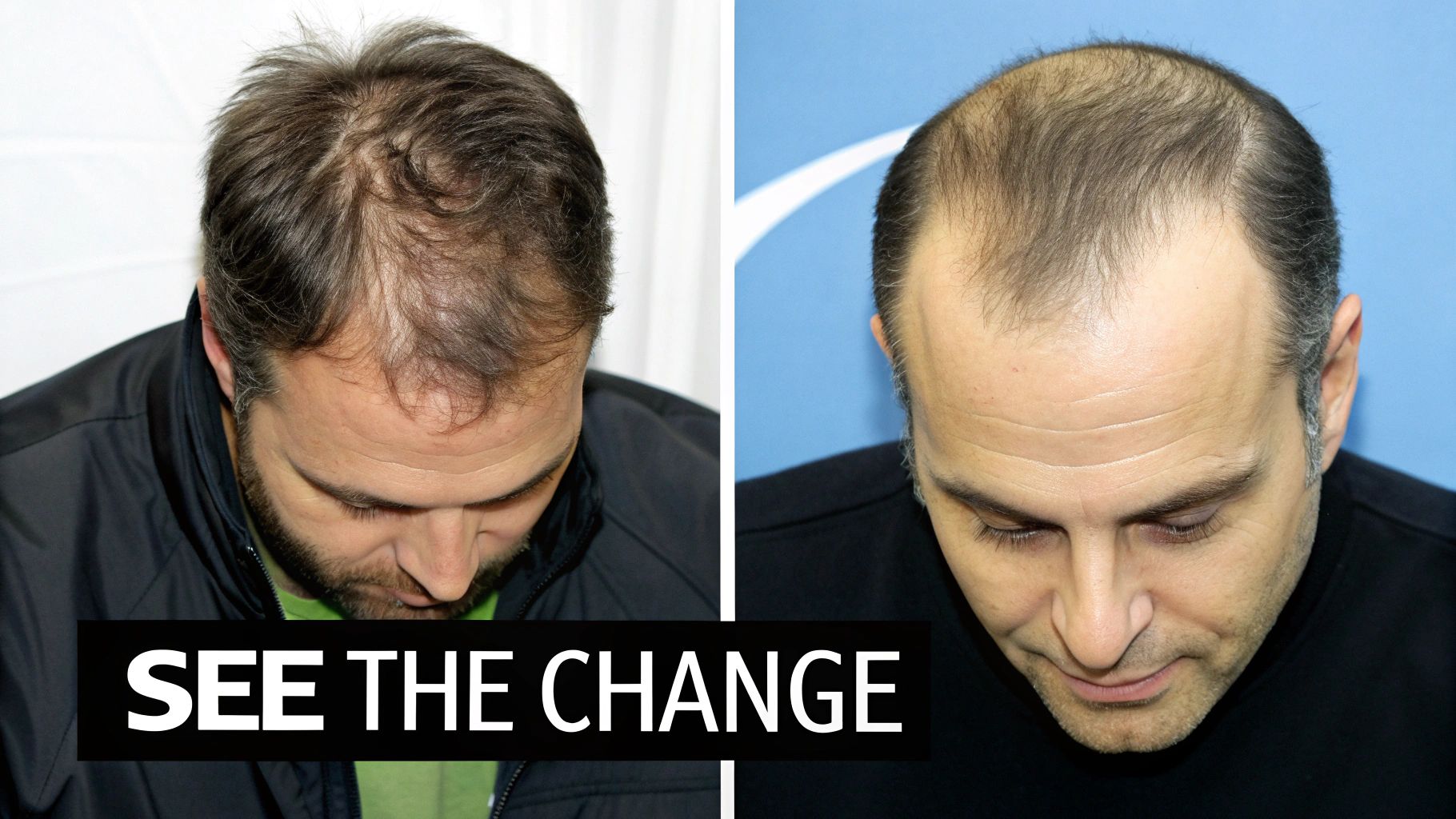
A solid plan makes all the difference when managing hair loss. The key is understanding your specific case, setting clear goals, and being ready to adapt your approach. Let's explore how to create an effective strategy for keeping your hair.
Combining Multiple Methods for Best Results
Using multiple approaches together often works better than relying on just one solution. You might pair medical treatments like minoxidil with better diet and stress management. For example, fixing vitamin deficiencies while using proven hair products can boost your results by tackling both internal and external causes of hair loss.
Understanding Realistic Timeframes
Hair regrowth is like tending a garden – it needs constant care and patience before you see results. Most treatments take several months of consistent use to show visible changes. For instance, minoxidil typically needs 4-6 months of regular application before you notice major improvements. Setting realistic expectations helps you stay motivated during this process.
Working with Hair Loss Specialists
Finding a qualified dermatologist or trichologist is essential for getting expert guidance. These specialists can properly diagnose your hair loss type, recommend the right treatments, and track your progress over time. Think of them as coaches who help fine-tune your approach based on your specific needs and health background.
Monitoring Changes and Adjusting Your Approach
Keep track of your progress to understand what's working. Take regular photos of your hair from different angles and note changes in shedding patterns and hair thickness. This information helps you and your doctor evaluate treatment effectiveness. If you don't see improvements after the expected timeframe, your specialist can modify your treatment plan accordingly.
Staying Committed Long-Term
Success in managing hair loss requires dedication. Celebrate small victories like reduced shedding or thicker-feeling hair. Join online hair loss communities for support and shared experiences. Remember that following your plan consistently, even when progress seems slow, gives you the best chance of keeping your hair.
Want to explore advanced treatment options? PRP for Hairloss offers detailed information about PRP therapy, which uses your body's own growth factors to help restore hair growth.

 PRP For Hairloss
Leave a comment