Understanding the Science Behind PRP Hair Therapy
PRP therapy offers a natural way to address hair loss by using your body's own healing mechanisms. The treatment centers around platelet-rich plasma (PRP), which is concentrated from your own blood and contains powerful growth factors that can help regenerate hair follicles when injected into the scalp.
The Power of Platelets: Growth Factors and Hair Regeneration
Your blood contains tiny cells called platelets that are essential for healing. These platelets contain growth factors – special proteins that signal other cells to grow and repair tissue. Think of growth factors as messengers that tell sleeping hair follicles to "wake up" and start producing hair again.
Here's how these growth factors support hair health:
- They activate dormant follicles: Growth factors can stimulate inactive hair follicles to begin growing hair again
- They improve blood flow: By helping form new blood vessels in the scalp, growth factors ensure hair follicles get proper nutrition
- They reduce scalp inflammation: Less inflammation creates better conditions for healthy hair growth
The PRP Injection Process: From Blood Draw to Scalp Stimulation
Getting PRP treatment starts with a simple blood draw, similar to a regular blood test. Your blood is processed in a centrifuge machine that separates out the platelet-rich plasma. This concentrates the healing factors to levels several times higher than normal blood. A medical provider then carefully injects this PRP solution into specific areas of thinning hair. The whole process usually takes about one hour.
Targeting Hair Loss: How PRP Addresses Different Types
PRP injections can help with several types of hair loss, particularly androgenetic alopecia – the medical term for male and female pattern baldness. The treatment also shows promise for general hair thinning by delivering growth factors right where they're needed most. When injected directly into the scalp, these concentrated growth factors can help restart the natural hair growth cycle in weakened follicles.
Real Results: What Research Reveals About PRP
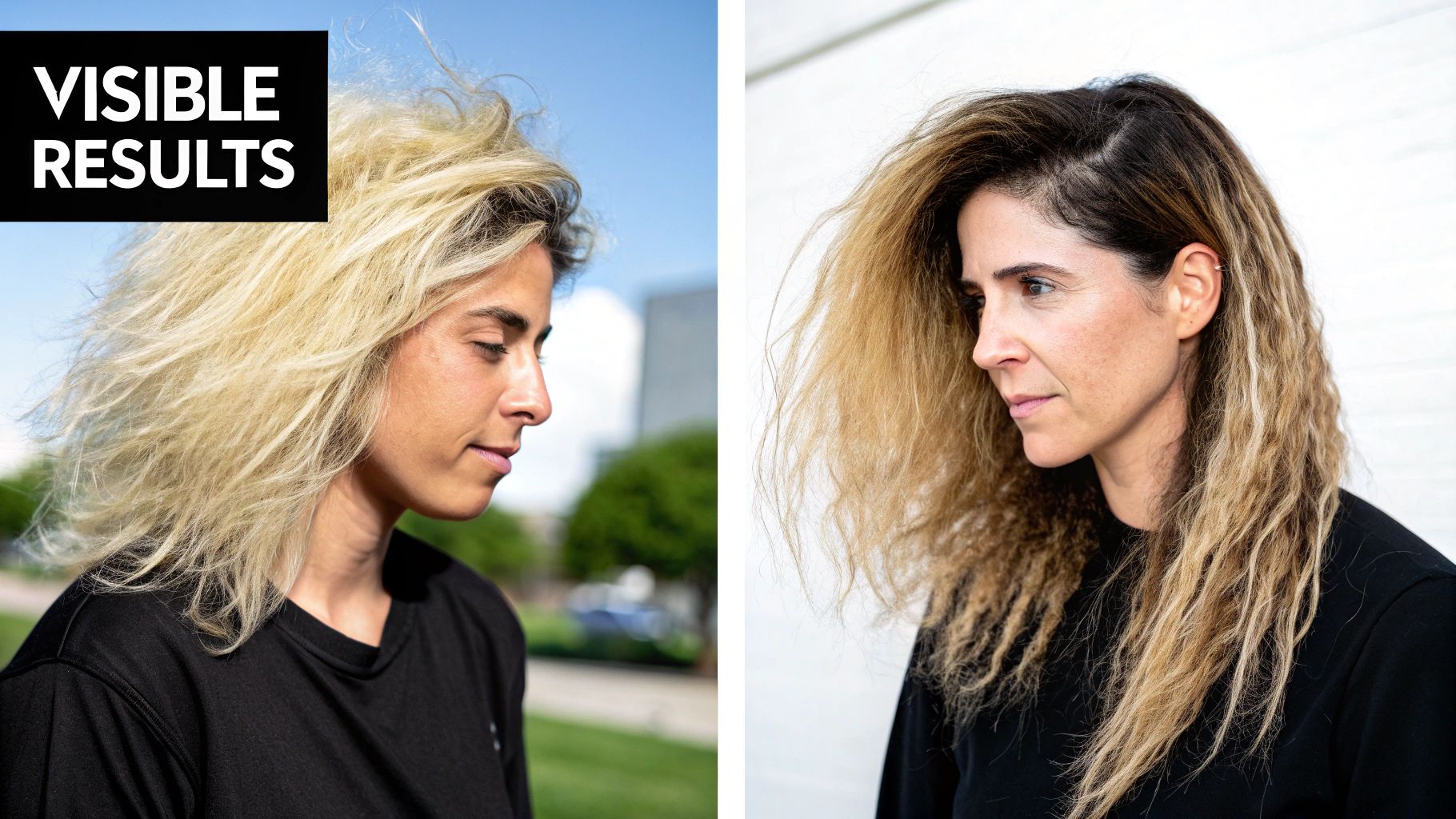
Let's explore what scientific research tells us about PRP's effectiveness for hair restoration. By examining real clinical data and patient outcomes, we can better understand what results you might expect from this treatment.
Analyzing Clinical Evidence: Success Rates and Patient Experiences
Research studies measure PRP's success through several key metrics: hair count, hair thickness, and hair density. Scientists use various methods to track these changes, from standardized photography to advanced imaging that measures follicle density.
Patient feedback adds valuable context to the clinical data. Many individuals report feeling more confident even before seeing major changes in their hair count. These personal experiences highlight how addressing hair loss can improve quality of life beyond just physical changes.
Factors Influencing Outcomes: Why Individual Results Vary
PRP treatment results can differ from person to person. Key factors affecting success include:
- Age and overall health
- Genetic predisposition
- Type and stage of hair loss
- Treatment technique and preparation methods
- Timing of intervention
Early treatment often leads to better results, which is why doctors recommend starting PRP at the first signs of hair thinning.
Recent analysis of 8 clinical studies with 197 participants shows significant improvements in hair growth. The research found an average increase in hair count of 17.90 (95% CI: 5.84–29.95, P=0.004). Two additional studies showed increases of 38.75 and 30.35 hairs per cm² after PRP treatment (P<0.00001). Learn more about PRP research findings here: Clinical research on PRP hair treatments
Promising Findings and Limitations: Making Informed Decisions
While studies consistently show PRP's benefits for hair restoration, it's important to understand its limitations. The treatment:
- May not work for all types of hair loss
- Requires more research on long-term effects
- Needs standardized treatment protocols
This information helps patients make educated choices about whether PRP aligns with their hair restoration goals. Understanding both the potential benefits and limitations leads to more realistic expectations.
Mastering the Treatment Timeline: Protocols That Work
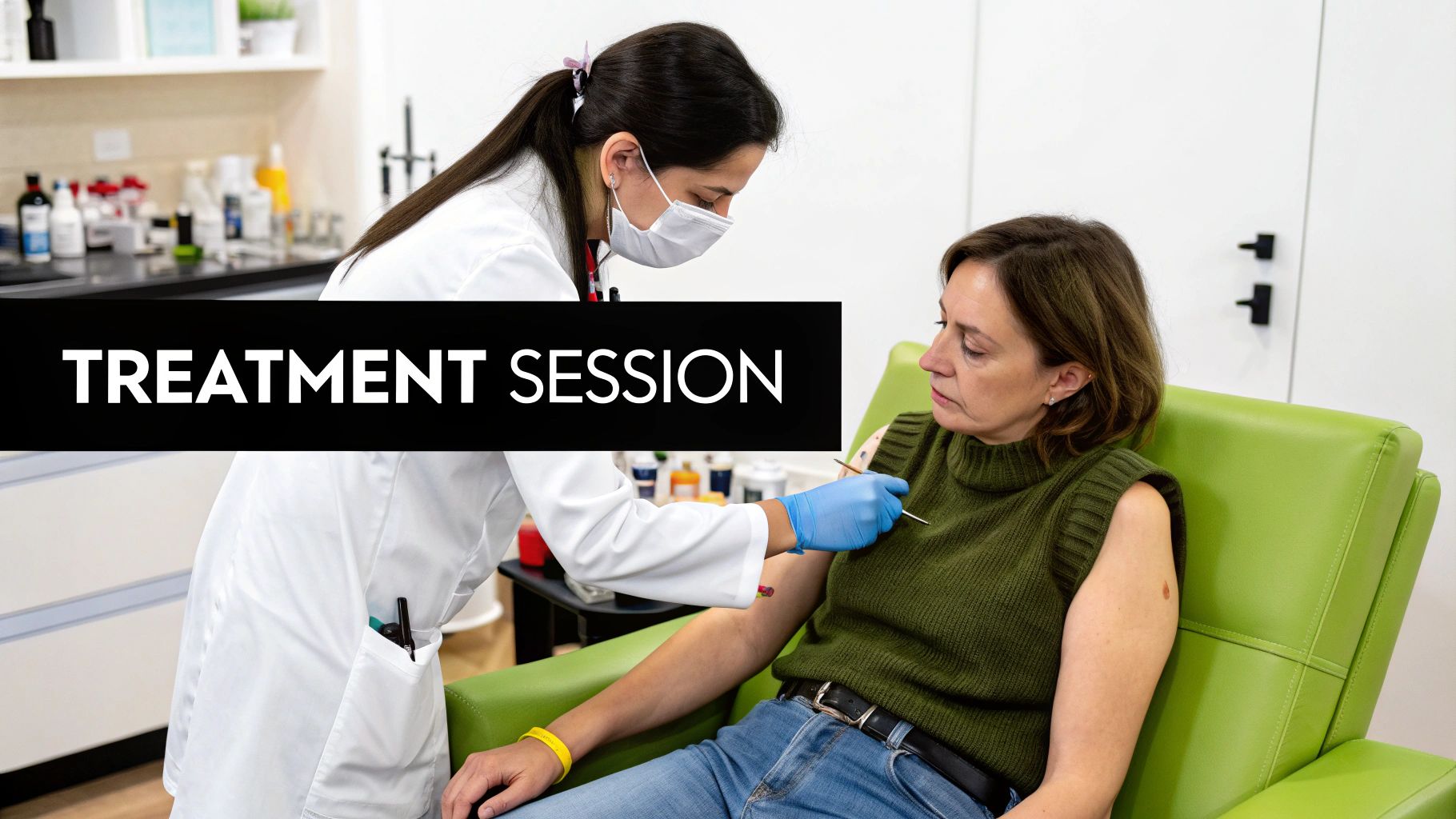
Let's examine the key steps and timelines involved in PRP hair treatment. Understanding these protocols and what to expect during treatment can help you make well-informed decisions.
Standard PRP Injection Protocols: Timing is Key
PRP treatment requires multiple sessions for optimal results. Most medical providers recommend three to four initial treatments, spaced about one month apart. This initial phase helps activate dormant hair follicles and restart the natural growth cycle. Many patients notice visible changes after their second or third session.
Maintenance and Booster Treatments: Sustaining Results Long-Term
After completing the initial treatment series, patients typically need maintenance sessions to keep their results. These follow-up treatments usually occur every three to six months, based on how well you respond and your doctor's assessment. Regular boosters help ensure your hair follicles continue receiving growth factors that support healthy hair production.
Variations in PRP Preparation and Treatment: Impacting Your Outcomes
PRP preparation methods can differ between clinics, which may affect your results. Some clinics use a double-spin process to concentrate growth factors more effectively, while others incorporate special activators. The injection technique also varies – practitioners may use specific needles or devices for precise PRP delivery.
Clinical research supports the importance of proper treatment timing. One study found that patients receiving 3 monthly treatments plus a booster showed better hair growth at 3 months compared to those getting just 2 treatments every 3 months. You can read the complete research findings here.
Success with PRP requires finding a qualified provider who creates a personalized plan based on your specific needs and follows proven protocols consistently. Look for someone who thoroughly evaluates your condition and develops a clear treatment strategy.
Understanding Your Personal Success Potential
Every person responds differently to PRP hair therapy. Before starting treatment, it's essential to understand your individual chances of success. Let's explore the key factors that determine how well this treatment might work for you.
Key Factors Influencing PRP Success
Your potential results from PRP treatment depend on several important factors:
- Age: Younger patients who have recently noticed hair loss tend to see better results than those with long-term thinning. This is because their scalp typically has better blood flow and more active hair follicles.
- Hair Loss Pattern: The type and stage of your hair loss matters significantly. Early-stage hair thinning usually responds better to treatment compared to advanced hair loss.
- Overall Health: Good general health supports better treatment outcomes. Some medical conditions like diabetes may affect how well your body responds to PRP therapy.
- Medical Provider: The skill level of your treatment provider directly impacts results. Choose a doctor with specific experience in PRP hair treatments.
Identifying Ideal Candidates for PRP
Doctors look at specific factors to determine if someone is well-suited for PRP hair treatment. People with early hair loss signs and healthy scalp conditions often make excellent candidates. The best results typically come from patients who understand the treatment process and commit to the recommended schedule.
Some medical conditions might make PRP less effective or unsuitable. This is why a thorough medical consultation is so important – your doctor needs to carefully review your health history and hair loss pattern to determine if PRP is right for you.
Managing Expectations and Tracking Progress
PRP hair treatment works gradually over time. Most people start seeing changes after several months and multiple treatment sessions. Setting realistic goals and understanding the timeline helps ensure satisfaction with your results.
Taking regular photos and noting changes in your hair helps track improvement. 70% of PRP patients see better hair growth and thickness. Studies show success rates between 70% to 80% for both men and women with pattern hair loss. Your results may vary based on factors like treatment technique and overall health. Learn more about success rates at PRP Success Rates and Factors Influencing Outcomes.
Setting Yourself Up for Treatment Success
Getting the best results from PRP hair treatment takes thoughtful preparation beyond just scheduling appointments. The key is having a solid plan that covers finding the right doctor, understanding what makes quality PRP, and preparing your body for optimal results.
Choosing the Right PRP Provider: Expertise Matters
Your choice of medical provider makes a big difference in treatment success. Look for someone who focuses on hair restoration and has deep experience with PRP therapy specifically. Be sure to ask:
- How many PRP procedures they've done
- Their success rate with patients
- To see before/after photos of their work
This information helps you evaluate their skill level and track record.
Quality Indicators in PRP Preparation: What to Look For
The way PRP is prepared matters as much as how it's injected. Ask your provider about their specific preparation method. The double-spin technique is known to concentrate growth factors more effectively. Also check if they use any activating compounds in the PRP solution to boost its effects. Understanding these details helps ensure you're getting high-quality treatment.
Optimizing Your Pre-Treatment Routine: Setting the Stage for Success
Your body's health directly impacts treatment results. Address any underlying issues that could affect hair growth, like thyroid problems or nutrient deficiencies. Have an open discussion with your doctor about your overall health and get any existing conditions under control before starting PRP.
Lifestyle Modifications: Enhancing Your PRP Results
Your daily habits play a big role in treatment success. Focus on eating a balanced diet with key nutrients for hair health – especially iron, zinc, and biotin. Managing stress through activities like meditation can also support healthy hair growth. These changes create better conditions for PRP therapy to work effectively.
Asking the Right Questions: Empowering Your Decision
Before treatment, get answers to these key questions:
- What's your exact process for preparing PRP?
- What injection methods and equipment do you use?
- What side effects might occur and how do you handle them?
- What results can I expect and when?
- What's the full cost including all sessions and follow-ups?
Being thorough with these questions helps you make an informed choice and sets clear expectations for your treatment journey.
Optimizing Your Long-Term Hair Growth Success
Getting the most from your PRP hair restoration requires ongoing dedication to hair wellness. Just like tending a garden, you need to nurture your scalp and hair to achieve lasting results.
Proven Treatment Combinations for Better Outcomes
While PRP gives your hair growth a boost, pairing it with complementary treatments can enhance your results. Low-level laser therapy (LLLT) works alongside PRP by stimulating follicles and reducing inflammation. Your provider may also recommend specific medications or topical products that work together with PRP to maximize new hair growth.
Daily Habits That Support Healthy Hair
What you do each day impacts your hair health significantly. Focus on getting essential nutrients like iron, zinc, and biotin through your diet – these are key building blocks for strong, healthy hair. Regular exercise and stress management techniques can also help minimize hair loss. Making these positive lifestyle changes creates an environment where your hair can thrive.
Smart Hair Care Practices
Choose gentle hair products without harsh sulfates that can strip your scalp's natural oils. Avoid damaging practices like tight hairstyles or excessive heat styling that can harm your follicles. Being consistent with gentle hair care helps your PRP-treated follicles function at their best.
Keeping Your Results Long-Term
Think of PRP maintenance like regular car service – periodic touch-ups help maintain optimal performance. Follow your provider's schedule for maintenance treatments, typically every few months. These booster sessions ensure your scalp continues receiving growth factors to sustain your initial results.
Ready to address your hair loss and work toward thicker, healthier hair? Learn more about PRP hair restoration and schedule a consultation at PRP For HairLoss.
 PRP For Hairloss
Leave a comment