Understanding PRP Hair Treatment Duration and Success Factors

Wondering how long PRP hair treatment results actually last? This is one of the most common questions people have when considering this treatment option. Understanding the timeline and factors involved helps set realistic expectations for your hair restoration goals.
PRP (Platelet-Rich Plasma) therapy works by giving your hair follicles a rejuvenating boost. Think of it like giving nutrients to a plant – the treatment provides growth factors that stimulate weakened follicles, leading to improved thickness and new growth. However, these positive effects need ongoing maintenance to continue.
The results from PRP typically last 16-20 months after completing the initial three treatment sessions, which are spaced 4-6 weeks apart. To maintain the improvements in hair growth and density, yearly touch-up sessions are needed. Learn more details about treatment longevity here. Without maintenance treatments, the benefits will gradually decrease over time.
Factors Influencing PRP Longevity
The duration of your PRP results depends on several key factors related to both the treatment approach and your individual characteristics. Being aware of these variables helps optimize your treatment outcome.
-
Treatment Protocol: Your results are impacted by the number of initial treatments, time between sessions, and consistency of maintenance visits. A strong foundation typically requires three monthly sessions to start.
-
Individual Factors: Your age, health status, type of hair loss, and genetics all affect how well you respond to PRP. Lifestyle elements like nutrition, stress management, and smoking can also influence the lasting power of your results.
Maximizing and Maintaining Your Results
While PRP isn't a permanent fix, you can take steps to get the most from your treatment. Partner with your provider to create a personalized plan, stick to the recommended maintenance schedule, and focus on healthy habits. This strategic approach lets you experience significant improvements in hair growth and thickness over an extended period. Making this ongoing commitment to your hair health can boost your confidence and overall outlook.
Your Complete PRP Results Timeline: From Start to Success
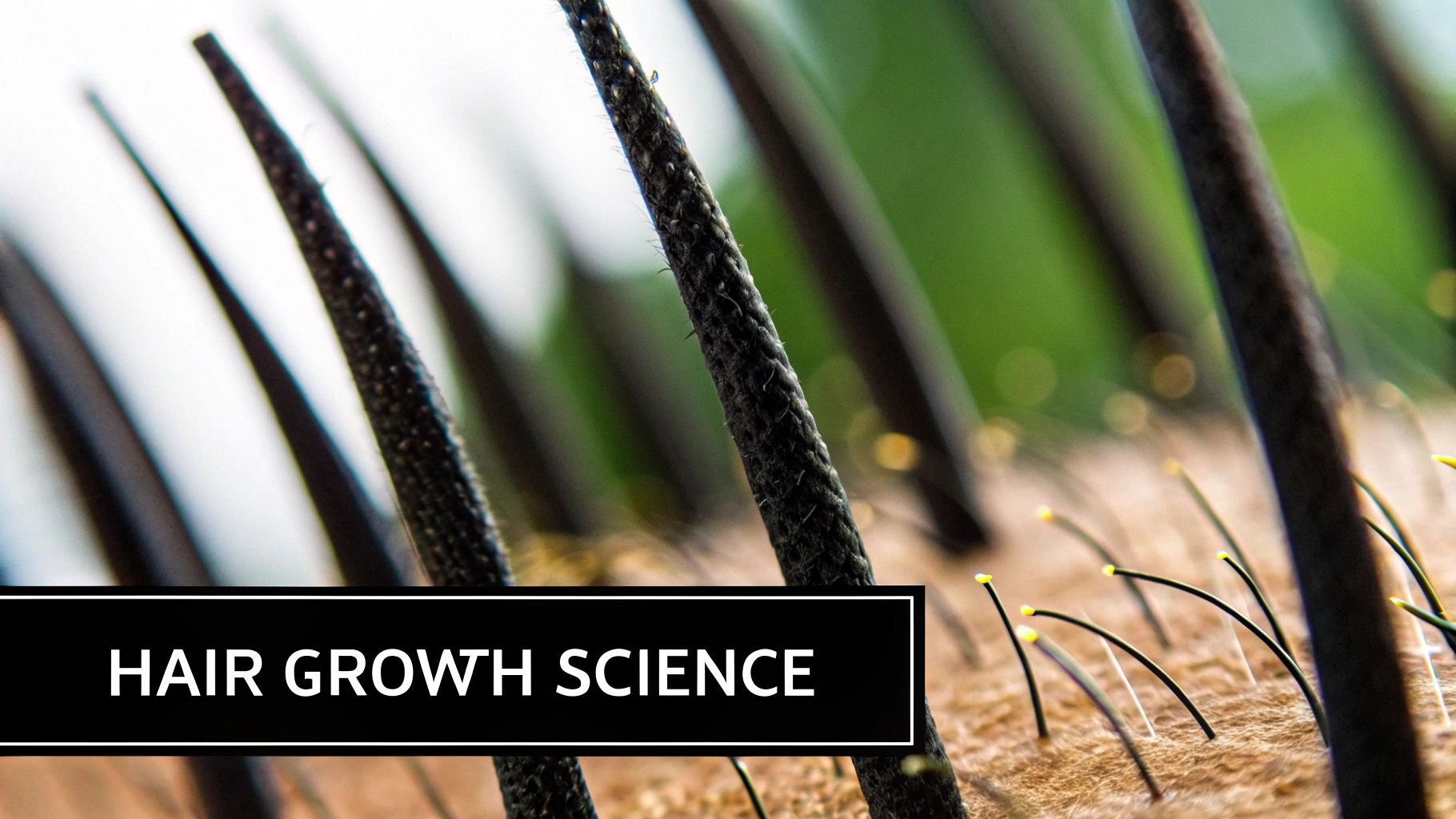
Want to know what to expect after PRP hair treatment? Understanding the timeline helps set realistic expectations. PRP isn't an instant fix – it's a gradual process that unfolds over months as your hair follicles respond to treatment.
Initial Phase: The First Few Months
During the first few months after treatment, changes happen beneath the surface. While you may not see obvious improvements yet, the growth factors from the PRP injections are busy revitalizing your dormant hair follicles. Think of this like planting a garden – the seeds need time underground before new growth appears.
Early Growth Phase: 3-6 Months
Most patients notice their first visible improvements between 3-6 months. Common signs include less hair falling out, softer texture, and tiny new hairs emerging in treated areas. Studies show that while some see changes after one treatment, best results typically come after 2-3 sessions spaced 4-6 weeks apart. Learn more details about the growth timeline here.
Peak Results: 6-12 Months
The most dramatic changes usually appear 6-12 months after starting treatment. This is when you'll likely see noticeably thicker hair and better density overall. Previously thin patches begin filling in, creating a fuller, more youthful look. The months of cellular regeneration really start paying off during this phase.
Maintenance Phase: Beyond One Year
After the first year, focus shifts to maintaining your results. While PRP creates real improvements, it's not a permanent solution for hair loss. Most doctors recommend maintenance sessions every 12-18 months to keep your follicles healthy and prevent regression. This ongoing care helps preserve your thicker, fuller hair for the long term.
Scientific Evidence: Optimal Treatment Frequency for Best Results
Understanding how often to get PRP treatments directly impacts their effectiveness and longevity. This isn't a one-time solution – it requires a planned series of treatments to achieve the best hair restoration outcomes. Let's explore what research tells us about timing your treatments for maximum benefit.
The Value of Regular Treatments
Like how muscles need consistent exercise, hair follicles need regular PRP treatments to thrive. The first few sessions create essential groundwork by delivering concentrated growth factors that wake up dormant follicles and encourage new growth. However, maintaining this stimulation through follow-up treatments is key for continued improvement.
What Clinical Studies Show
Research provides clear data on treatment timing. One noteworthy randomized clinical trial with 40 participants (30 men and 10 women) with androgenetic alopecia (AGA) revealed compelling results. Patients receiving three monthly PRP sessions plus a booster saw much better outcomes versus those getting just two treatments three months apart. The more frequent treatment group noticed significant hair improvement by 3 months, while the other group took 6 months to see similar gains. Read the complete study findings here. This demonstrates that more regular initial treatments lead to faster, more noticeable results.
Latest Treatment Approaches
While typical protocols include three starter treatments and yearly maintenance, new research explores additional options. Some studies indicate maintenance every 3-6 months could extend results further. This field continues to advance, revealing new ways to maximize PRP's hair restoration benefits.
Creating Your Treatment Plan
The ideal treatment schedule depends on factors like hair loss severity, treatment response, and overall health. Working with a qualified PRP specialist is essential to create a customized treatment plan. Understanding the science behind treatment timing helps you make informed choices and get the most value from your investment in healthier, fuller hair.
Key Variables That Impact Your PRP Treatment Success
Several factors affect how well PRP treatments work and how long the results last. Understanding these elements helps you make informed decisions about your hair restoration plan and work effectively with your provider to achieve the best possible outcome.
Individual Biological Factors
Your body's unique characteristics determine how well PRP works for you. Age plays a key role, as younger patients often have better follicle regeneration capacity. Your overall health status matters too – when your body is healthy, it provides better support for hair growth and maintenance of PRP results.
Hair Loss Type and Severity
Different hair loss conditions respond differently to PRP treatment. Androgenetic alopecia (male pattern baldness) may show different results compared to alopecia areata, which has an autoimmune cause. The extent of your hair loss – whether you have mild thinning or significant balding – affects both the visibility of results and how long they last.
Lifestyle Choices and Modifications
Your daily habits directly impact PRP treatment success. A diet rich in protein and essential nutrients helps support healthy hair growth. Regular exercise and stress management create better conditions for treatment effectiveness. Avoiding smoking and maintaining good sleep habits can also help extend your results.
The Importance of a Personalized Approach
Every person's hair loss situation is unique, which is why standardized treatment plans often fall short. Your provider will evaluate your specific case and create a customized plan. This takes into account your biological factors, hair loss pattern, lifestyle, and treatment goals. Active participation in following your treatment plan – including any recommended lifestyle changes or complementary treatments – helps achieve better, longer-lasting results from PRP therapy.
Strategic Maintenance: Maximizing Your PRP Investment
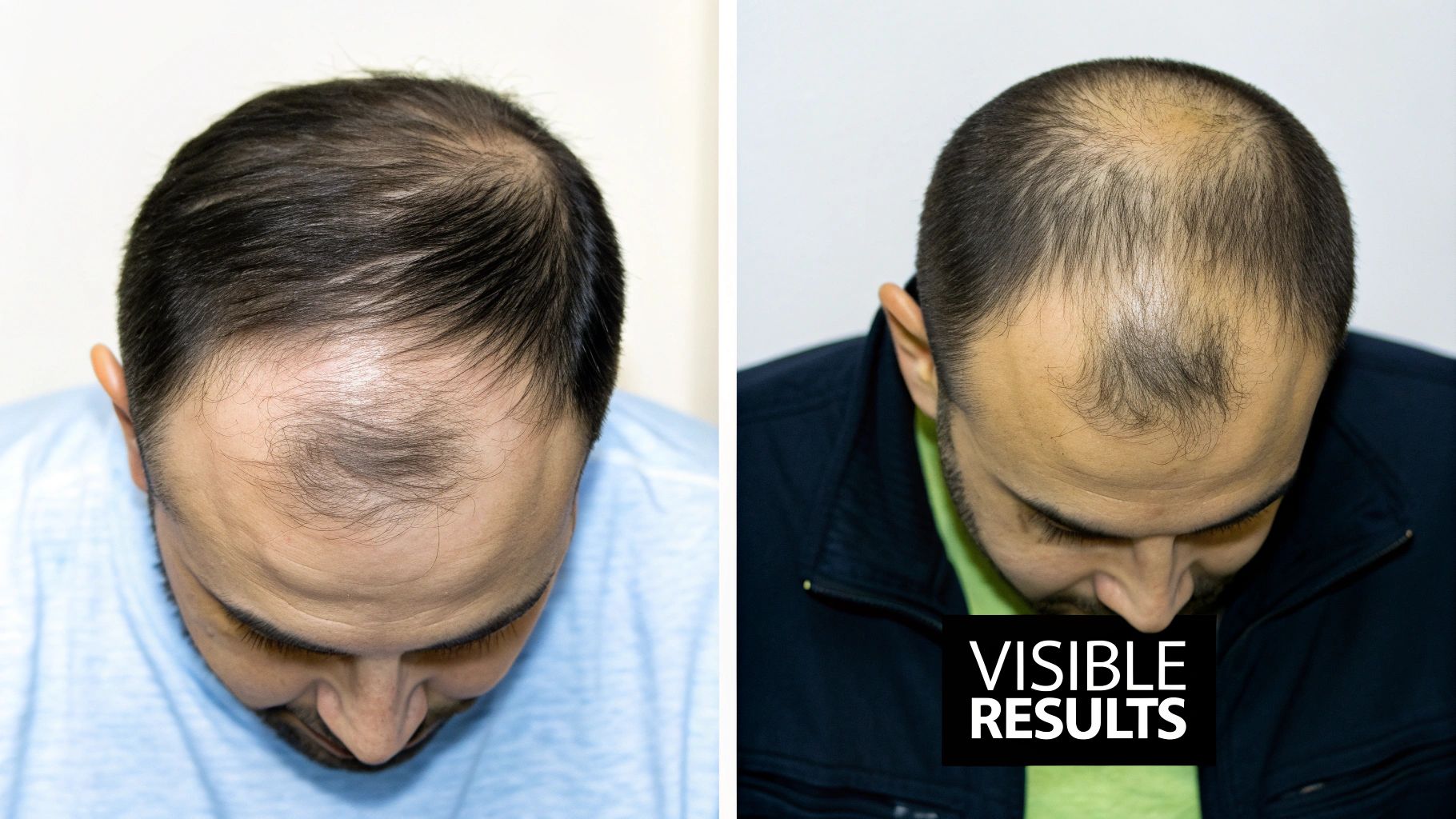
Getting PRP therapy for hair loss is just the first step. Like any effective treatment, the best results come from proper maintenance and ongoing care. Think of it like exercise – consistent effort over time leads to the best outcomes.
The Value of Follow-Up Sessions
The initial PRP treatment typically involves three sessions spaced 4-6 weeks apart. These first treatments kick-start the hair growth process, but maintenance sessions help lock in those gains. Since the growth factors from PRP don't last forever, most hair restoration experts recommend periodic follow-up treatments to keep supporting new hair growth.
Creating Your Maintenance Plan
Your specific maintenance needs will vary based on your individual situation and your doctor's guidance. Most patients do well with maintenance treatments every 12-18 months, though some cases of aggressive hair loss may need sessions every 6 months. Work with your provider to develop the right schedule for your needs.
Complementary Treatment Options
While PRP therapy works well on its own, combining it with other proven hair loss treatments can improve your results. Studies show that using PRP with minoxidil works better than either treatment alone. Other helpful additions include microneedling treatments and low-level laser therapy. These combinations create a more complete approach to restoring hair growth.
Lifestyle Choices Matter
Your daily habits play a big role in maintaining your PRP results. Focus on eating a balanced diet with plenty of protein, iron, zinc and biotin. Regular exercise and stress management techniques help create the right conditions for healthy hair growth. Avoid smoking since it reduces blood flow to hair follicles.
Building Long-Term Success
Think of PRP therapy as an ongoing investment in your hair health. Just like regular exercise and good nutrition support overall wellness, consistent PRP maintenance and healthy lifestyle choices create lasting results. Stay committed to your personalized care plan to enjoy fuller, thicker hair for years to come.
Investment Analysis: Understanding PRP's Long-Term Value
Looking into PRP therapy for hair loss? Making an informed decision requires evaluating both the initial costs and the long-term benefits. Let's break down the key financial aspects and compare them with other treatment options.
Breaking Down the Costs of PRP
PRP treatment costs vary based on your location, provider's expertise, and specific protocol. A single session typically ranges from $400 to $1,000. Most patients need three initial sessions spaced 4-6 weeks apart, bringing the upfront investment to $1,200-$3,000.
To maintain results, follow-up treatments are needed every 12-18 months. While this adds to the overall cost, regular maintenance helps preserve your initial investment and prevents having to restart the entire treatment process.
Comparing PRP to Other Treatments
How does PRP compare to alternative hair loss solutions? Here's a detailed cost breakdown:
| Treatment | Upfront Cost | Maintenance Cost | Duration of Effect |
|---|---|---|---|
| PRP | $1,200 – $3,000 | $400-$1,000/year | 16-20 months |
| Minoxidil | $20 – $50/month | Ongoing | As long as used |
| Finasteride | $20 – $75/month | Ongoing | As long as used |
| Hair Transplant | $4,000 – $15,000+ | Minimal | Potentially permanent |
Hair transplants provide permanent results but require substantial upfront payment. Daily medications like minoxidil and finasteride cost less monthly but need continuous use. PRP offers a middle ground – higher initial cost than medications but longer-lasting effects and lower upfront investment than transplants.
Maximizing Your PRP Investment
To get the most value from your PRP treatment:
- Pick an Expert Provider: Choose someone with proven experience to ensure optimal results and reduce complications risk
- Consider Combination Therapy: Pairing PRP with treatments like minoxidil or microneedling may enhance and extend results
- Focus on Health: Good nutrition, regular exercise, and stress management can improve treatment effectiveness
- Stay Consistent: Following recommended maintenance schedules helps maintain results and protects your investment
Calculating the Real Value
The true worth of PRP extends beyond just numbers. Many patients experience renewed confidence and improved self-image with fuller hair. While these benefits are hard to quantify, they add significant personal value. For some, avoiding daily medication routines or surgery makes PRP particularly appealing.
When weighing your options, consider both the financial aspects and potential quality-of-life improvements PRP can provide.
Ready to explore if PRP is right for your hair restoration goals? Visit PRP for Hairloss today to learn more and schedule a consultation.
 PRP For Hairloss
Leave a comment