Understanding Hair Thinning in Men
Hair loss affects most men at some point in their lives, with research showing it impacts nearly 95% of males as they age. The desire to maintain a full head of hair has motivated countless treatments throughout history – from basic herbal remedies to advanced medical solutions. Before exploring treatment options, it's essential to understand what causes hair thinning and how it progresses.
Across many cultures and time periods, thick hair has symbolized health, youth and vitality. While ancient societies relied on natural treatments with limited success, modern scientific research has revealed the key factors behind male hair loss:
- Genetic predisposition (inherited traits)
- Hormonal changes (particularly DHT)
- Age-related changes to hair follicles
- Environmental and lifestyle influences
Finding an effective solution requires matching the treatment approach to your specific type and cause of hair loss. Success comes from understanding your individual situation, having realistic expectations about results, and consistently following the recommended treatment protocol.
In this comprehensive guide, we'll examine the top 10 proven treatments for male hair thinning. For each option, you'll learn:
- How the treatment works
- Expected timeline for results
- Typical costs and maintenance
- Potential benefits and drawbacks
- What research shows about effectiveness
Armed with this knowledge, you can make an informed choice about the best path forward for addressing your hair loss concerns and restoring both your hair and confidence.
1. PRP For HairLoss
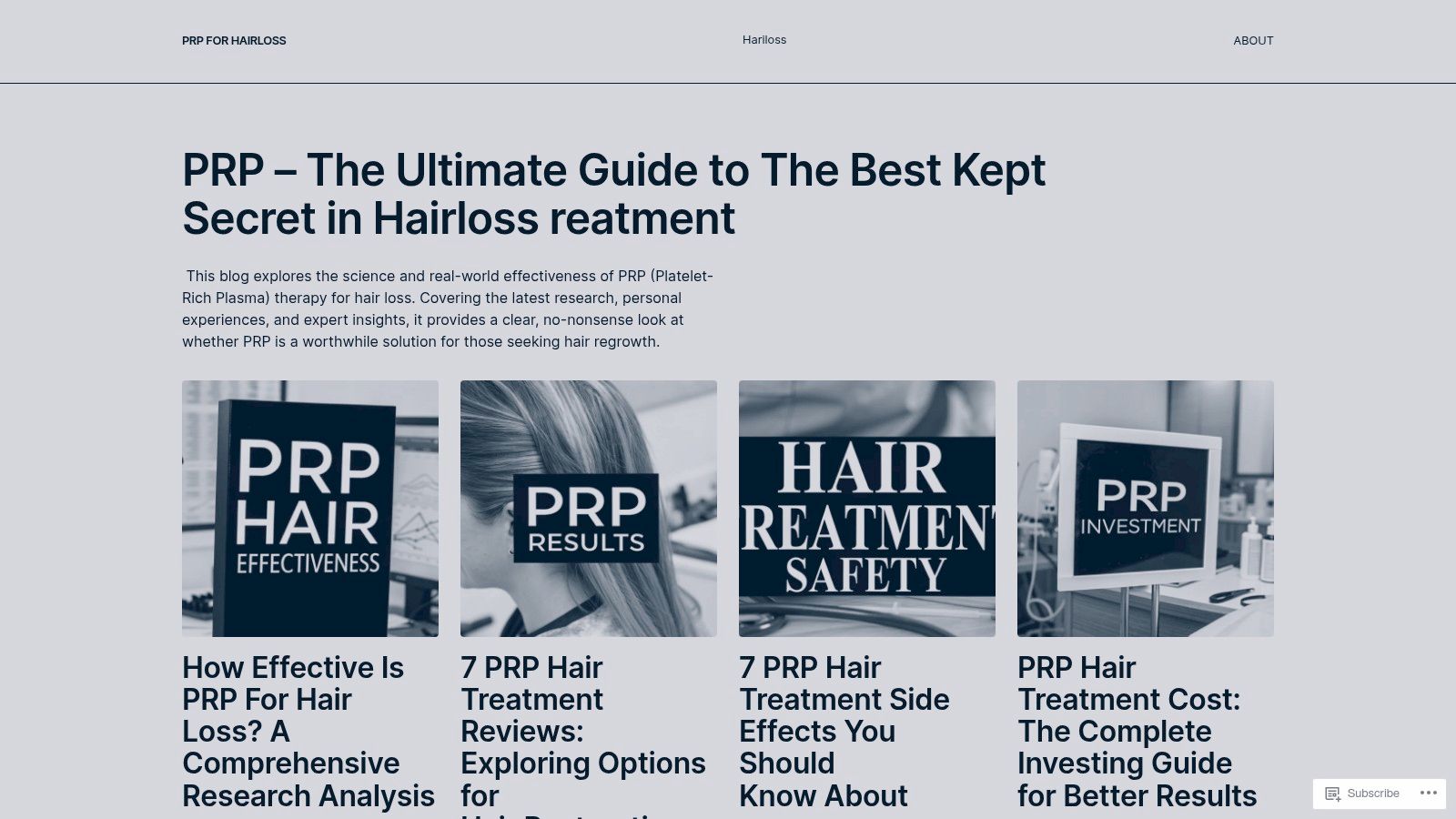
PRP For HairLoss is a detailed resource for men dealing with hair thinning and loss, especially male pattern baldness. The site focuses on Platelet-Rich Plasma (PRP) therapy, providing clear, factual information to help men understand this hair restoration option.
What is PRP Therapy and How Does it Work?
PRP therapy is a medical procedure where a small blood sample is taken from the patient. The blood is processed to concentrate platelets containing growth factors, which are then injected into the scalp. These growth factors aim to boost hair follicle activity and encourage new hair growth.
Key Features and Benefits
The site excels at making complex medical information accessible and practical:
- Expert Treatment Reviews: Get real insights into the PRP process from preparation through recovery, with detailed patient experiences
- Clear Cost Information: Find comprehensive pricing details to understand the financial aspects of treatment
- Safety Information: Learn about potential side effects and safety considerations through honest, factual discussion
- Medical Expert Input: Access insights from hair restoration specialists who explain the science behind PRP
Using the Resource
The website features simple navigation and clear organization. Start with basic PRP information before exploring specific topics like costs, side effects, and treatment experiences. The search function helps locate particular topics quickly.
How It Compares
While many websites cover hair loss treatments broadly, this resource stands out by focusing solely on PRP therapy from a male perspective. The depth of PRP-specific information surpasses what you'll find on general hair loss sites.
Advantages:
- Blends scientific research with real patient experiences
- Provides expert medical perspectives and detailed reviews
- Offers clear cost breakdowns and side effect information
- Creates content specifically for men with hair loss
- Presents medical information in plain language
Limitations:
- Medical terminology may be complex for some readers
- Limited coverage of other hair loss treatment options
This website serves as an essential resource for men researching PRP therapy for hair loss. It provides the key information needed to understand the procedure, evaluate its benefits and risks, and make an educated choice about treatment.
2. Finasteride (Propecia)
Finasteride, also known as Propecia, is an FDA-approved medication for treating male pattern baldness. This prescription medication works by blocking an enzyme called 5-alpha-reductase that converts testosterone into DHT – a hormone that causes hair follicles to shrink in men with genetic hair loss.
How it Works: As a 1mg daily oral tablet, Finasteride offers a simple treatment approach. The medication primarily helps preserve and regrow hair in the crown and middle front areas of the scalp – the most common areas affected by male pattern baldness.
Results and Timing: Hair improvement takes time with Finasteride. Most men notice the first signs of results after 3-6 months of daily use. Studies show that consistent long-term use can maintain and even improve hair density over several years.
Treatment Comparison: Unlike topical treatments or surgical options, Finasteride tackles hair loss at its hormonal source. It can be used alongside topical minoxidil for potentially better results. While hair transplants offer a permanent solution, they are more invasive and expensive.
Getting Started: You'll need to schedule an appointment with a doctor or dermatologist to get a prescription. During the consultation, they will review your medical history and discuss potential side effects to ensure Finasteride is right for you.
Pros:
- Strong Clinical Evidence: Research confirms its effectiveness for male pattern baldness
- Simple Daily Pill: Easy to include in your routine
- Well-Studied: Years of research show lasting benefits with ongoing use
Cons:
- Sexual Side Effects: A small number of men report issues like reduced sex drive or erectile problems, which usually resolve if treatment stops
- Ongoing Treatment: Must continue taking it to maintain results
- Prescription Required: Cannot buy over-the-counter
Cost: Prices vary by location and insurance coverage. Generic versions typically cost less than brand-name Propecia. Check with your healthcare provider about specific pricing.
Website: Propecia Official Website
Finasteride offers an effective medical approach to treating male pattern hair loss by addressing excess DHT production. While it requires a prescription and ongoing use, the proven benefits make it a key treatment option. Just be sure to discuss potential side effects with your doctor before starting.
3. Minoxidil (Rogaine)
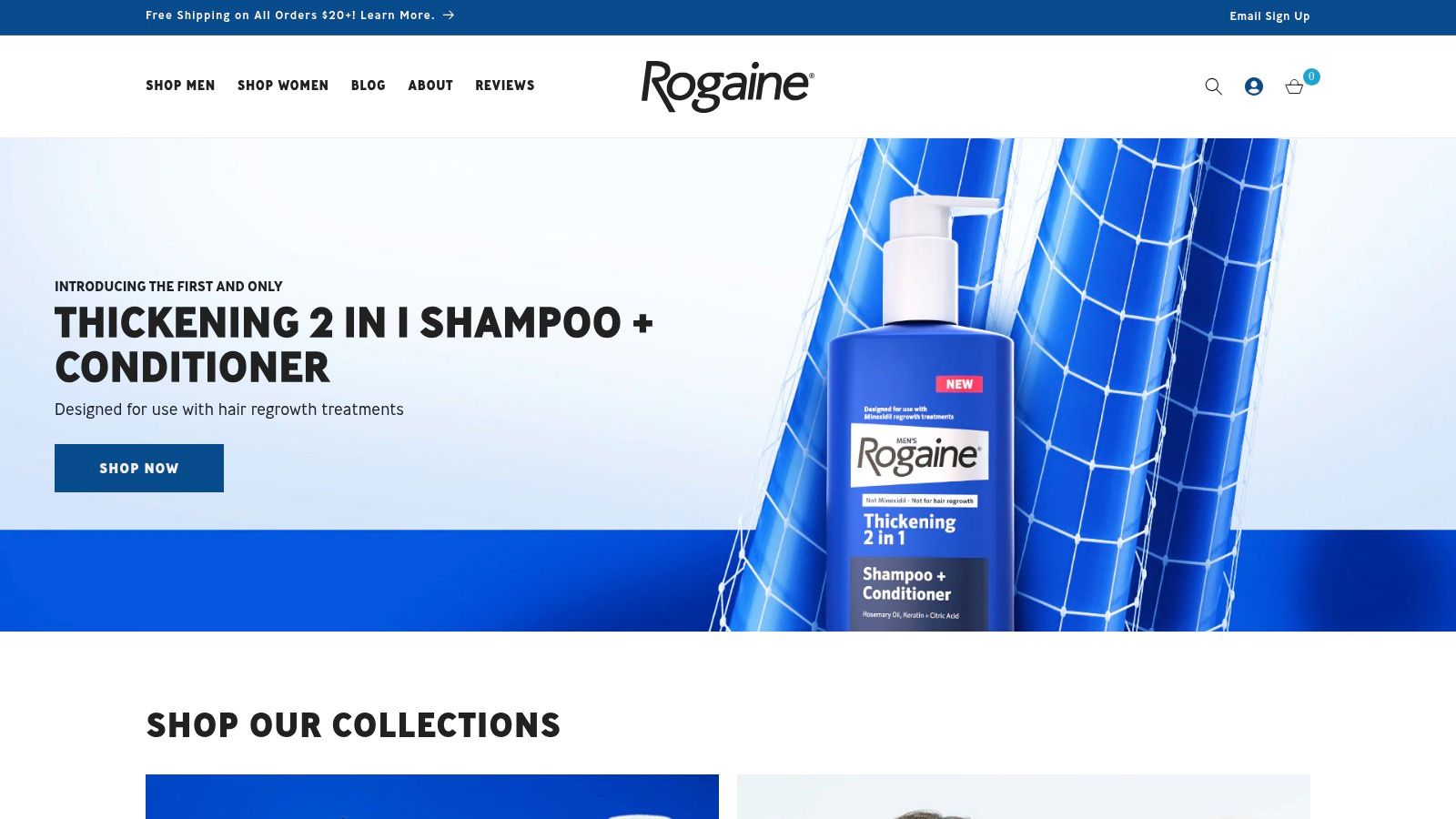
Minoxidil, sold under the brand name Rogaine, is a proven over-the-counter treatment for male pattern hair loss. This topical medication works by boosting blood flow to hair follicles, which helps revive shrinking follicles and stimulate new growth. Men can choose between liquid and foam versions, with a 5% concentration specifically formulated for male use.
How to Use Minoxidil:
The treatment needs to be applied to the scalp twice per day – morning and evening. Whether using foam or liquid, apply it directly to thinning areas using the included applicator. For best results, start with a dry scalp and let the solution dry completely before styling your hair.
Key Benefits:
- Higher Strength Formula: The 5% concentration provides better results compared to lower strengths
- Direct Application: Targets problem areas while limiting effects elsewhere
- Easy Access: Available without prescription at pharmacies and online
- Application Options: Choose between foam or liquid based on your preference – many find foam less messy
Advantages:
- Simple to Use: Fits naturally into daily grooming routine
- Readily Available: Purchase online or at local drugstores
- Generally Safe: Most men experience few side effects
Drawbacks:
- Requires Consistency: Must apply twice daily without fail
- Possible Irritation: Some users report scalp itching or redness
- Takes Time: Results typically appear after 4-6 months of regular use
Cost and Where to Buy:
A one-month supply typically costs $30-50. Multi-month packages often provide better value. Available at major pharmacy chains and through online retailers like Amazon or directly from Rogaine.
Treatment Comparison:
Many men compare Minoxidil to Finasteride (Propecia), an oral prescription medication that blocks DHT production. While Finasteride may work better for some, it carries more potential side effects. Some men use both treatments together for maximum benefit, though doctor consultation is recommended first.
Usage Tips:
- Stay consistent with twice-daily applications even when results aren't yet visible
- If irritation occurs, consider switching formulations or consulting a dermatologist
- Document your progress with photos
- Remember that Minoxidil works best for maintaining existing hair and early-stage regrowth – see a specialist if you have advanced hair loss
4. Low-Level Laser Therapy (LLLT)
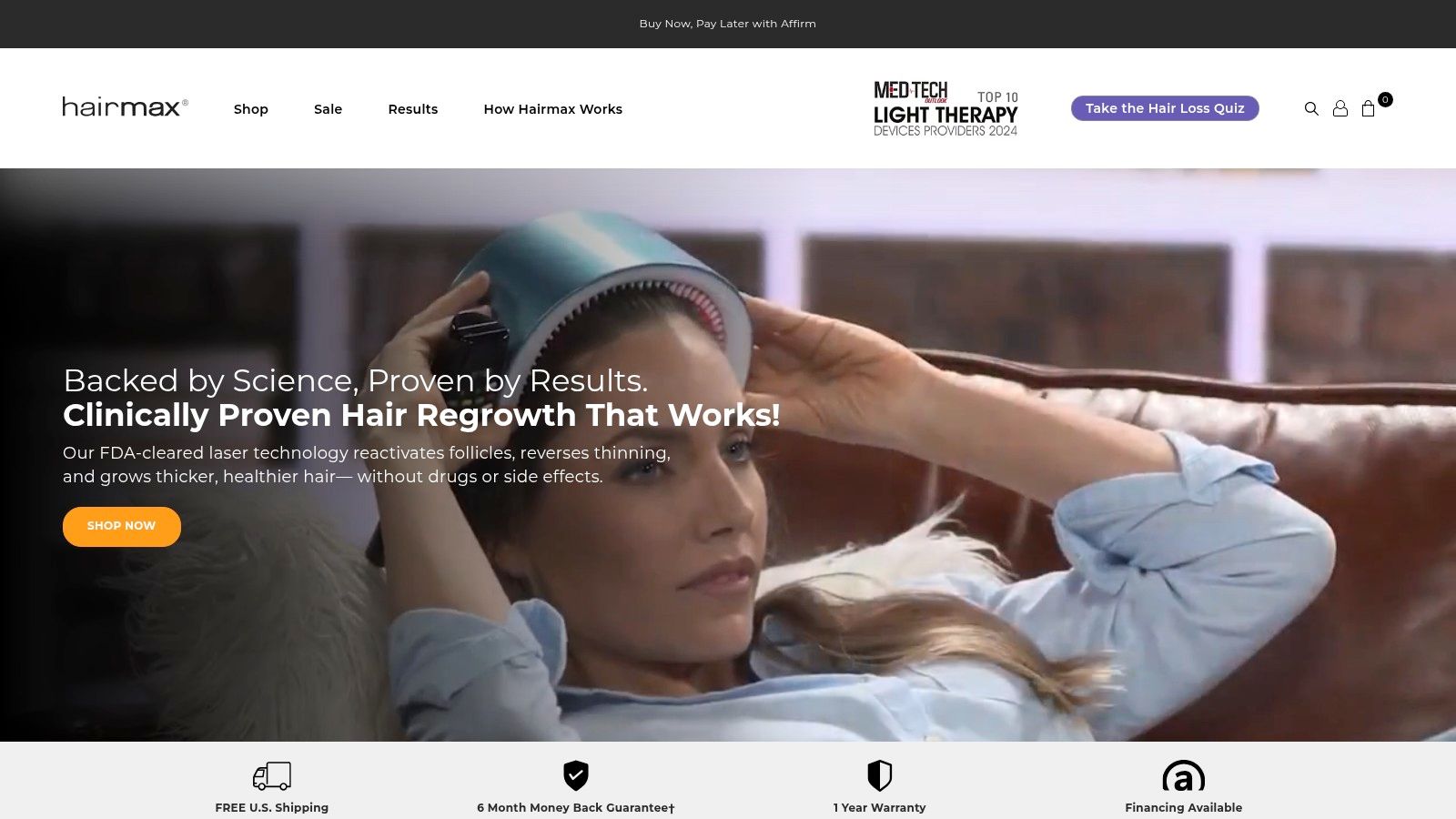
Low-Level Laser Therapy (LLLT), also called red light therapy, is a non-invasive method for treating hair loss and stimulating new growth. This FDA-cleared treatment uses specific red light wavelengths to activate hair follicles at the cellular level, encouraging them to enter a growth phase. For men seeking a medication-free approach to hair loss, LLLT presents an appealing option.
The market offers various LLLT devices designed for home use. Popular options include caps from companies like HairMax, handheld combs, and full helmets. Caps are especially user-friendly – you simply wear them for the prescribed time. While combs require manual movement across the scalp, helmets provide broader coverage but at a higher cost.
Cost and Technical Details
The price range for LLLT devices varies considerably – from $200-300 for basic combs to over $1000 for advanced laser caps and helmets. These devices typically run on batteries or plug into standard outlets. Treatment sessions usually take 10-30 minutes and should be done several times weekly according to manufacturer guidelines.
How It Compares
Unlike treatments such as minoxidil and finasteride that work through hormonal pathways, LLLT directly stimulates hair follicles through light therapy. This makes it particularly suitable for men who prefer to avoid medication. Many users combine LLLT with other treatments to potentially enhance results.
Key Tips for Success
- Be Consistent: Follow the recommended schedule – regular use is essential for seeing results
- Keep Clean: Use on a clean scalp to ensure maximum light penetration
- Stay Patient: Results typically take several months to become visible
- Get Expert Input: Consult a dermatologist to determine if LLLT suits your specific hair loss situation
Advantages:
- Safe with no reported side effects
- Compatible with other hair treatments
- Easy home treatment option
- FDA-cleared technology
Disadvantages:
- Higher upfront equipment costs
- Time commitment required
- Results vary between individuals
Website: HairMax Official Site
5. Hair Transplant Surgery
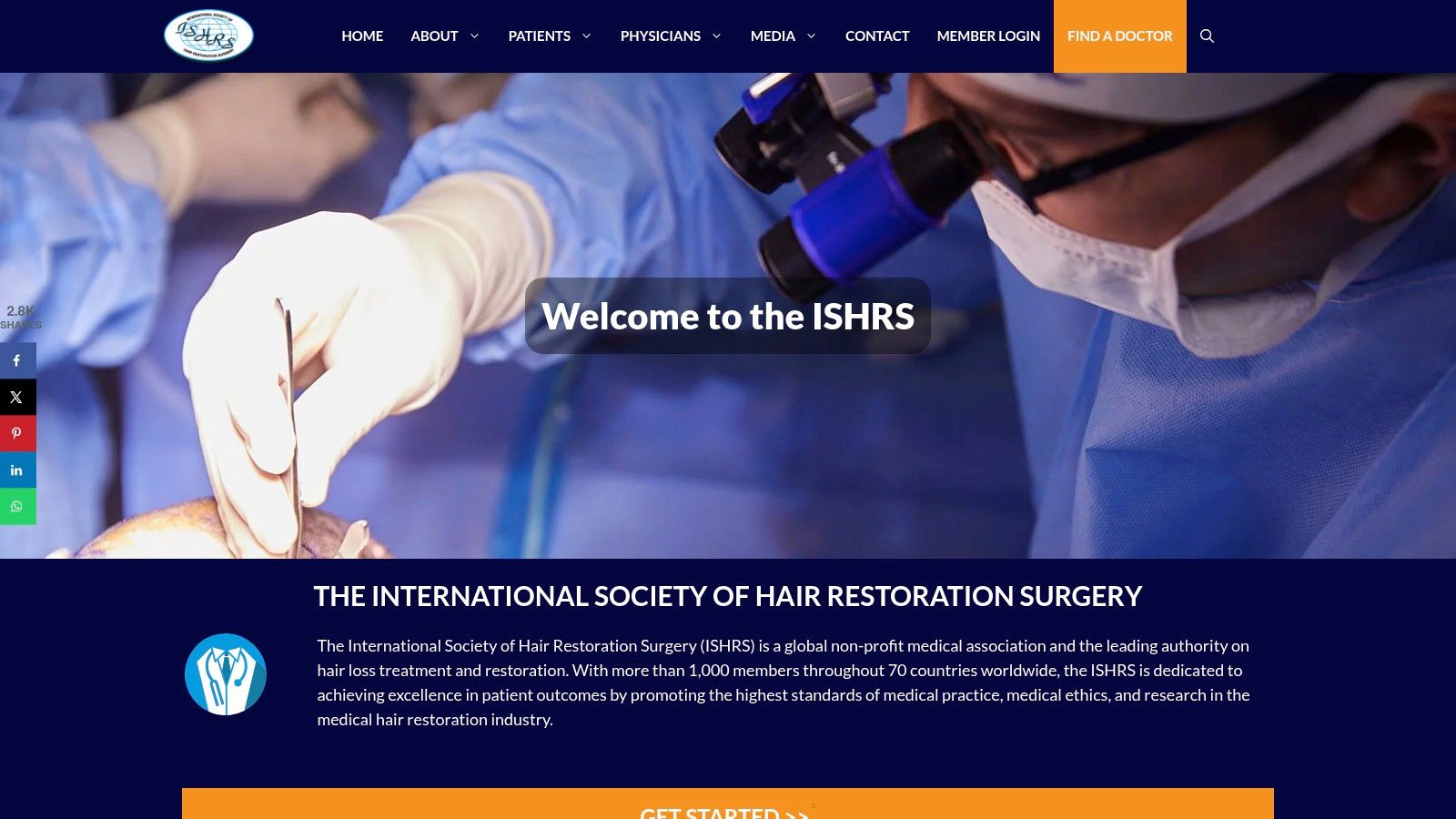
Hair transplant surgery is a permanent fix for hair loss that moves healthy hair follicles from areas with good growth to balding spots. For men dealing with significant hair loss who haven't had success with other treatments, this option provides lasting, natural-looking results.
The procedure uses two main methods:
-
Follicular Unit Transplantation (FUT): The surgeon removes a strip of scalp from the back or sides, separates it into tiny grafts, and places them in the balding areas. While FUT provides many grafts in one session, it leaves a thin line scar.
-
Follicular Unit Extraction (FUE): Individual follicles are taken directly from the donor area using a small tool before being transplanted. FUE causes less obvious scarring but takes longer and may provide fewer grafts per procedure.
Key Benefits:
- Results Last Forever: Once transplanted, the new hair continues growing naturally
- Looks Natural: When done well, transplanted hair blends perfectly with existing hair
- Often One Treatment: Many patients achieve their goals with a single procedure
- Choice of Methods: FUT and FUE allow customization based on patient needs
Advantages:
- Permanent hair restoration
- Natural appearance
- Usually requires just one procedure
Drawbacks:
- High Cost: Prices range from $3,000 to $20,000 depending on technique, graft count, and location
- Recovery Period: Expect swelling and scabbing for several weeks after surgery
- Possible Issues: Though uncommon, risks include infection, scarring, and uneven growth
Important Steps for Success:
- Research Carefully: Find a proven surgeon with extensive transplant experience. Review their before/after photos and patient reviews.
- Get Multiple Opinions: See several qualified surgeons to discuss your case and determine the best approach.
- Set Clear Expectations: Know that final results take months to develop fully.
- Follow Instructions: Stick to all post-surgery care guidelines to ensure optimal healing and results.
For resources and help finding qualified surgeons, visit the International Society of Hair Restoration Surgery.
6. Platelet-Rich Plasma (PRP)
Platelet-Rich Plasma (PRP) therapy offers a natural way to fight hair loss and stimulate new growth. This treatment works by taking your body's own healing abilities and concentrating them where needed. The process involves extracting growth factors from your blood platelets and injecting them directly into your scalp's hair follicles.
The procedure starts with drawing a small blood sample, similar to a routine blood test. Your blood is processed in a centrifuge machine that separates out the platelet-rich plasma containing beneficial growth factors. A medical professional then carefully injects this concentrated solution into specific areas of your scalp where hair growth is desired.
Key Benefits:
- Natural approach using your own blood components
- Minimal recovery time needed
- Can work alongside other hair loss treatments
- Low risk of allergic reactions
- Quick treatment sessions
Main Advantages:
- Safe and natural treatment method
- Flexible – works well with other solutions
- Return to normal activities right after treatment
Potential Drawbacks:
- Multiple sessions required over time
- Higher cost compared to some alternatives
- Results vary between individuals
- Not covered by most insurance plans
Treatment Process:
The procedure should be performed by a qualified dermatologist or hair restoration specialist. Before beginning treatment, have an in-depth consultation to discuss your goals, medical background, and current medications.
Cost Considerations:
Individual PRP sessions typically range from $500 to $1,500. Since you'll need multiple treatments plus maintenance sessions, factor this into your budget planning. Prices vary based on your location and chosen medical provider.
Comparison to Other Options:
PRP offers several advantages over hair transplant surgery – it's less invasive and has shorter recovery time. Unlike daily medications such as finasteride, PRP requires only periodic treatments. However, it tends to cost more than topical solutions like minoxidil.
Learn More: PRP Treatment Information (General PRP information – research local providers for hair restoration specialists)
7. Scalp Micropigmentation
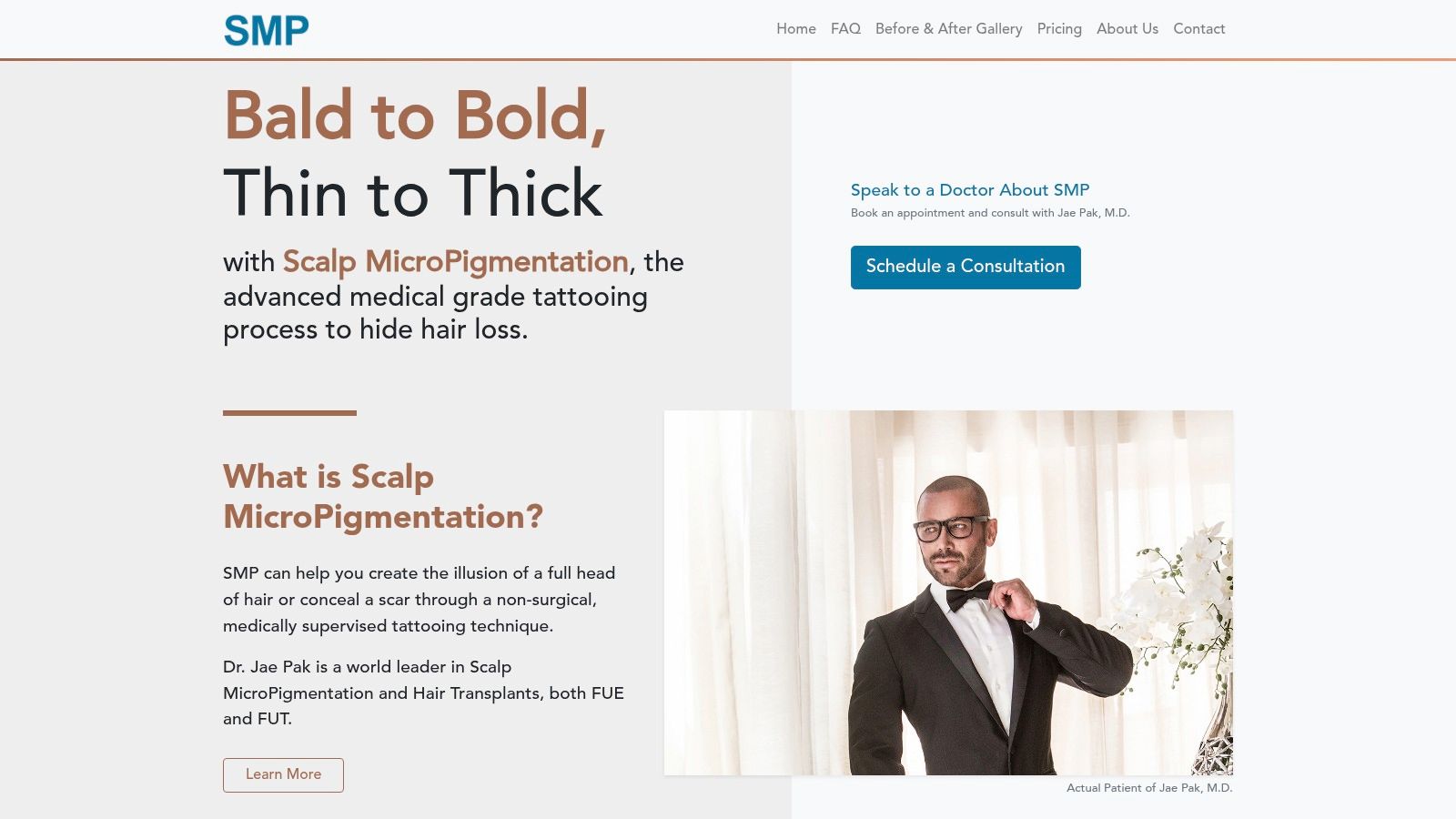
Scalp micropigmentation (SMP) is a practical, non-surgical solution for men dealing with hair loss or thinning. This technique creates the appearance of a fuller head of hair, simulates a buzz cut look, or helps hide hair transplant scars. Unlike treatments focused on stimulating new growth, SMP offers a straightforward cosmetic enhancement that needs minimal upkeep.
The process involves carefully placing tiny dots of pigment into the scalp that look like hair follicles. While similar to tattooing, SMP uses equipment and pigments specifically made for scalp work. The result is a natural-looking hairline and improved visual density that makes thinning less obvious.
Key Features and Benefits:
- No surgery needed: Skip the incisions and recovery time common with hair transplants
- See results right away: Changes are visible immediately after treatment
- Lasts multiple years: Results stay visible for several years before touch-ups are needed
- Custom appearance: Practitioners match the look to your existing hair and preferences, whether you want a shaved style, defined hairline, or filled-in thin spots
Main Advantages:
- Quick improvement: Notice the difference as soon as treatment is done
- Easy maintenance: Minimal ongoing care needed compared to other options
- Long-term results: Benefits last several years between touch-up sessions
Important Considerations:
- Cosmetic effect only: Creates the look of hair but doesn't stimulate actual growth
- Periodic maintenance: Pigment gradually fades and needs refreshing
- Works best short: Most effective for shorter styles; longer hair may show the scalp work
Cost and Requirements:
SMP pricing varies based on the treatment area size and provider expertise, typically ranging from several hundred to a few thousand dollars. Finding a qualified practitioner who uses proper sterile equipment and high-quality SMP pigments is essential.
How It Compares:
SMP offers a less invasive and more affordable option than hair transplants, though it doesn't create real hair growth. Compared to daily topical products, it provides a longer-lasting solution with less day-to-day effort.
Getting Started Tips:
- Do thorough research to find an experienced provider with good before/after examples
- Have a detailed consultation about your goals and expected results
- Follow all aftercare instructions carefully to maintain the results
For men wanting a practical solution to hair loss without surgery, scalp micropigmentation provides a reliable way to restore a fuller appearance and rebuild confidence. Take time to weigh the benefits and limitations while consulting qualified providers to determine if it matches your needs.
8. Ketoconazole Shampoo
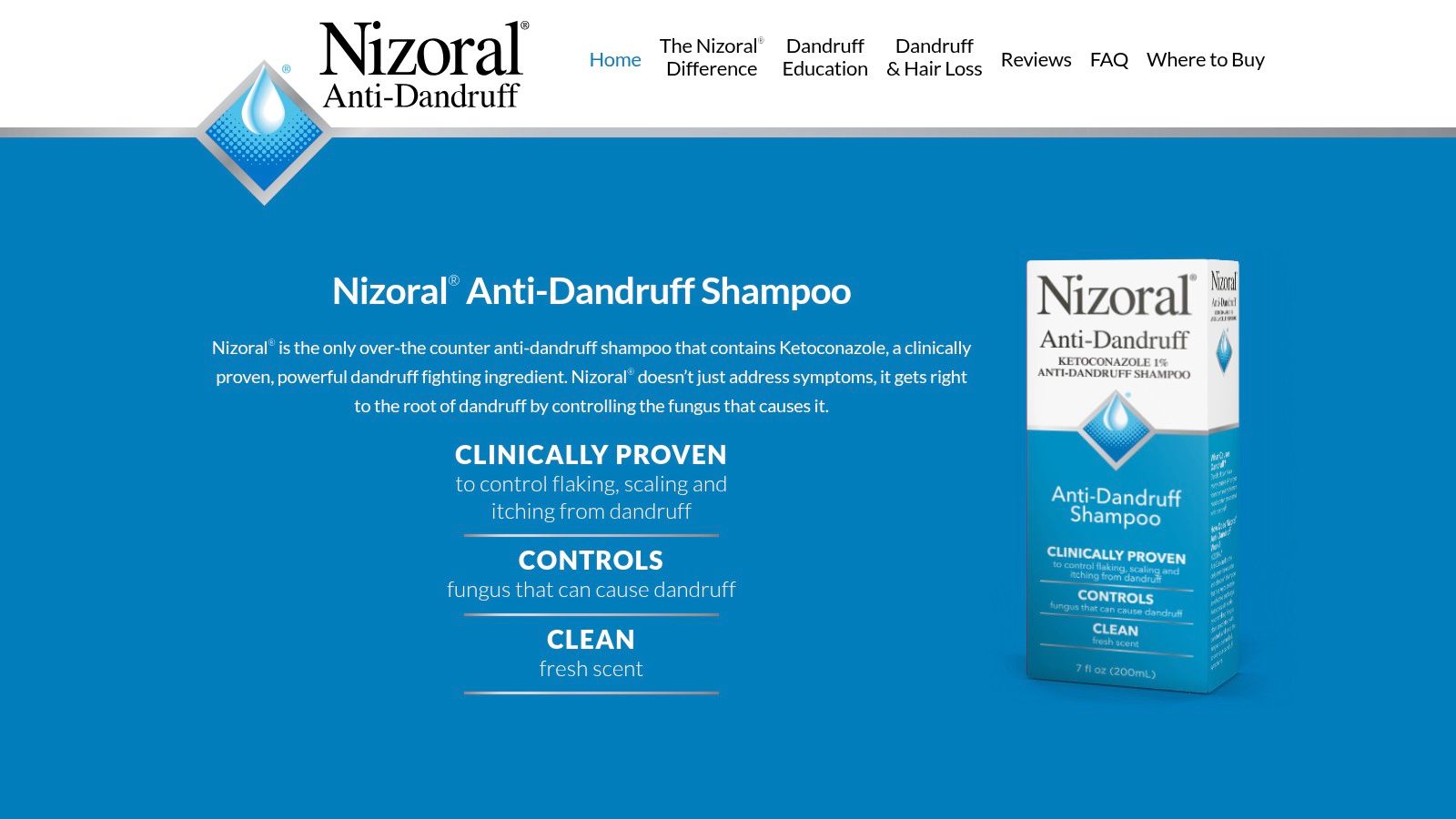
Ketoconazole shampoo is a dual-purpose hair care product that fights both fungal scalp issues and hair loss. While not a primary hair loss treatment like finasteride or minoxidil, it offers notable benefits, especially for those dealing with dandruff or seborrheic dermatitis alongside thinning hair. It works by reducing scalp inflammation and may help block DHT production – the hormone linked to male pattern hair loss.
You can find ketoconazole shampoo in two strengths: 1% over-the-counter formulas at drugstores and 2% prescription versions from dermatologists. The OTC options work well for mild cases, while prescription strength tackles more stubborn scalp conditions.
Features and Benefits:
- Anti-fungal action: Eliminates dandruff and scalp infections that can trigger hair loss
- DHT-blocking potential: Research suggests it may reduce DHT levels on the scalp
- Multiple strengths available: Choose from OTC or prescription versions
- Simple to use: Just swap it for your regular shampoo 2-3 times weekly
Pros:
- Fits easily into existing hair care routines
- Treats multiple scalp problems at once
- More affordable than many hair loss treatments
Cons:
- Limited effectiveness when used alone for hair loss
- Must use consistently for ongoing benefits
- Can dry out hair and scalp without proper conditioning
Implementation Tips:
- Follow package directions carefully – usually involves lathering into scalp and waiting several minutes
- Start with 2-3 applications per week and adjust based on your scalp's response
- Use a moisturizing conditioner after each treatment to prevent dryness
- See a dermatologist for severe hair loss to discuss prescription options
How It Compares:
While zinc pyrithione and selenium sulfide shampoos also fight dandruff, ketoconazole offers extra benefits through its potential DHT-blocking effects, making it more useful for addressing hair loss concerns.
Cost:
OTC ketoconazole shampoo typically costs $10-$20 per bottle. Prescription versions may cost more, depending on insurance coverage.
Website: Nizoral Official Site
Ketoconazole shampoo offers a practical solution for men dealing with both scalp issues and thinning hair. Its combination of anti-fungal properties and possible DHT-blocking effects makes it valuable as part of a complete hair loss treatment plan. However, results vary between individuals, so consulting a dermatologist helps ensure the best approach for your specific needs.
9. Dutasteride
Dutasteride is a medication prescribed to treat male pattern baldness and hair thinning. Like finasteride, it helps prevent hair loss but with greater potency. Many men who haven't seen good results from finasteride find dutasteride to be an effective alternative. While not FDA-approved specifically for hair loss (it's mainly used for enlarged prostate treatment), doctors often prescribe it off-label because it's so effective at blocking DHT.
How Dutasteride Works:
The medication blocks an enzyme called 5-alpha-reductase that turns testosterone into DHT. Since DHT causes hair follicles to shrink and eventually stop producing hair, blocking it can help maintain existing hair and potentially regrow lost hair. Dutasteride blocks DHT more completely than finasteride.
Features:
- Powerful DHT Blocking: Blocks both type 1 and type 2 forms of 5-alpha-reductase enzyme, leading to more DHT reduction than finasteride which mainly affects type 2
- Simple Once Daily Dose: Take one pill per day for consistent treatment
- Stronger Than Finasteride: More potent DHT blocking may help those who don't respond to finasteride
Pros:
- Maximum DHT Reduction: Blocks more DHT than other treatments
- Convenient Dosing: Easy to take once per day
- Alternative to Finasteride: Good option when finasteride isn't effective enough
Cons:
- Side Effect Risk: While most men tolerate it well, there's a higher chance of side effects like decreased sex drive or erectile issues compared to finasteride. These effects are usually temporary but discuss concerns with your doctor
- Not FDA-Approved for Hair: Currently approved only for prostate treatment, though prescribed off-label for hair loss
- Higher Cost: More expensive than finasteride due to stronger formulation and off-label status
Implementation and Setup:
You'll need to get a prescription from your doctor, who will review your medical history and hair loss severity to determine if dutasteride is appropriate. They'll explain potential side effects and monitor your progress over time.
Why Dutasteride Deserves its Place on the List:
For men with substantial hair loss or those who haven't had success with finasteride, dutasteride provides a more powerful treatment option. Its strong DHT-blocking abilities make it effective against male pattern baldness. However, the increased side effect risk and cost mean you should carefully consider it with your doctor's guidance.
Website: Avodart (Official site focuses on prostate treatment. Consult your doctor about hair loss usage.)
10. Hair Building Fibers
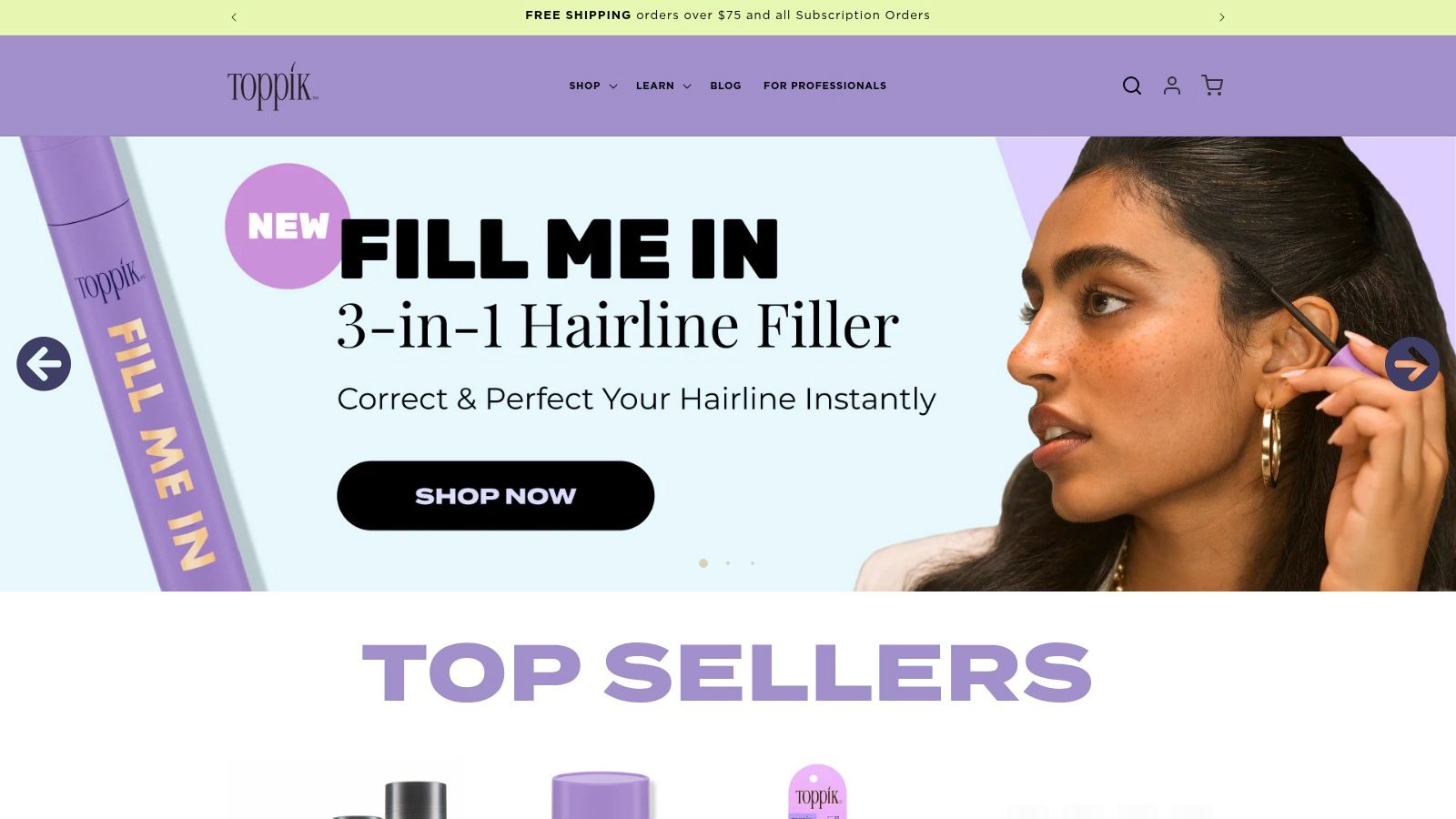
Hair building fibers are a quick solution for men dealing with thinning hair. These specialized keratin fibers attach to existing hair strands to create a fuller, thicker appearance. They work well for special events, photos, or daily confidence boosts.
How They Work: The fibers are made from natural keratin protein that matches your hair structure. When applied to thinning areas, static electricity helps them bond to your existing hair strands, adding volume and reducing visible scalp. The effect is temporary and washes out with regular shampoo.
Key Benefits:
- Quick Results: See immediate improvement in hair fullness within seconds of application
- Color Matching: Available in multiple shades to blend seamlessly with your natural hair color
- Weather Protection: Many brands offer formulas that resist light rain and wind conditions
- Safe Application: As a topical cosmetic product, these fibers typically cause no side effects
- Cost-Effective: Much more affordable than surgical options like hair transplants
Advantages:
- Visible results right away
- No medical side effects
- Budget-friendly option
Drawbacks:
- Results only last until next wash
- Need some existing hair for fibers to attach to
- Application technique takes practice
Application Tips:
- Start Clean: Use on dry, styled hair – wet or oily hair reduces effectiveness
- Use Tools: Consider a hairline optimizer for natural-looking edges
- Layer Carefully: Build coverage gradually for best results
- Set in Place: Light hairspray helps secure fibers (optional)
Product Comparison:
While scalp concealers work by coloring the scalp directly, hair fibers create actual volume by attaching to existing hair. This often looks more natural, though concealers may work better for very thin or bald areas.
Cost Guide:
A month's supply typically costs $20-40. Toppik is a leading brand that offers various colors and application accessories through their website and retailers.
10-Product Comparison: Hair Thinning Treatments for Men
| Option | Core Features ✨ | User Experience ★ | Value Proposition 💰 | Target Audience 👥 |
|---|---|---|---|---|
| 🏆 PRP For HairLoss | Expert insights, cost analysis | Easy-to-navigate, in-depth | Free, comprehensive info | Men facing hair loss |
| Finasteride (Propecia) | Oral 1mg tablet, DHT blocker | Clinically proven | Requires prescription, long-term use | Men seeking medical treatment |
| Minoxidil (Rogaine) | Topical 5% solution, foam/liquid | Simple application, accessible | Affordable OTC option | Men wanting easy treatment |
| Low-Level Laser Therapy | Red light, non-invasive devices | Convenient, minimal side effects | Higher initial cost | Tech-savvy men |
| Hair Transplant Surgery | FUE/FUT techniques, permanent fix | Natural-looking, one-time treatment | Expensive & surgical | Men desiring lasting results |
| Platelet-Rich Plasma (PRP) | Uses enriched blood plasma, minimal invasiveness | Effective with minimal downtime | Costly multiple sessions | Men preferring non-surgical methods |
| Scalp Micropigmentation | Tattoo-like pigment deposits, semi-permanent | Instant visual improvement | Budget-friendly with occasional touch-ups | Men seeking immediate camouflage |
| Ketoconazole Shampoo | Anti-fungal, DHT-reducing formula | Easy integration into routine | Affordable daily use | Men with mild scalp issues |
| Dutasteride | Potent oral DHT blocker, higher strength | High efficacy with increased risk | More expensive, prescription needed | Men unresponsive to finasteride |
| Hair Building Fibers | Keratin fibers for instant thickness | Immediate, effective coverage | Low-cost cosmetic solution | Men wanting a quick aesthetic boost |
Choosing the Right Hair Thinning Treatment
Making a decision about hair loss treatment requires careful consideration of several key factors including the progression of your hair loss, cost considerations, potential side effects, and how the treatment fits into your daily life. Here's a practical guide to help you decide:
Available Treatment Options:
-
Medical Solutions: Prescription medications like Finasteride, Dutasteride, and Minoxidil require daily use and doctor supervision. Starting these treatments early typically leads to better outcomes.
-
At-Home Light Therapy: Low-Level Laser Therapy (LLLT) devices need regular use in your home setting. Consider if you can commit to consistent treatment sessions.
-
Surgical Solutions: Hair transplants represent a bigger investment and are usually best for advanced hair loss cases. Take time to research qualified surgeons and recovery requirements.
-
Additional Options: PRP therapy requires multiple sessions, Scalp Micropigmentation is a cosmetic solution, and Ketoconazole Shampoo works alongside other treatments. Each has specific maintenance needs and varying costs.
-
Cosmetic Products: Hair fibers offer quick visual improvement for special events but don't address underlying hair loss causes.
Financial Planning:
The cost spectrum ranges from basic options like medicated shampoos to more substantial investments in surgical procedures. Remember to account for ongoing expenses like prescription refills or follow-up treatments when planning your budget.
Treatment Combinations:
Some treatments work well together – for example, many doctors recommend using Minoxidil with Finasteride. However, not all combinations are safe or effective. Always check with your healthcare provider before mixing treatments.
Important Guidelines:
- Get Professional Input: Have a doctor evaluate your hair loss and suggest appropriate treatments
- Take Early Action: Treatment success rates are often higher with early intervention
- Match Cost to Results: Pick treatments that fit both your budget and goals
- Stay Committed: Give treatments time to work as directed by medical professionals
Ready to explore a proven treatment option? Learn more about Platelet-Rich Plasma therapy at PRP For HairLoss, where you can find detailed information about the procedure, benefits, and expected results. Take the first step toward healthier hair today.

 PRP For Hairloss
Leave a comment