Understanding PRP Hair Treatment Side Effects
PRP (platelet-rich plasma) therapy offers new possibilities for men struggling with hair loss who want to achieve thicker, healthier hair. This medical treatment works by using growth factors from your own blood to activate dormant hair follicles. While PRP has shown good results as a non-surgical option for hair restoration, it's important to understand the potential risks involved, just like with any medical procedure.
PRP therapy has been used in medicine since the 1970s, starting in heart surgery before expanding to bone and dental treatments. Its application for hair regrowth is more recent, building on research showing that concentrated growth factors can help regenerate cells and repair tissue. Getting optimal results depends heavily on proper concentration and delivery of these growth factors, making the doctor's expertise crucial.
If you're considering PRP hair treatment, you should learn about the possible side effects first. Although PRP is generally safe and most reactions are mild and temporary, having realistic expectations and understanding the risks will help you make an informed choice. This article examines the potential side effects you may experience with PRP hair therapy so you can better evaluate if it's the right option for you.
1. Scalp Pain and Tenderness
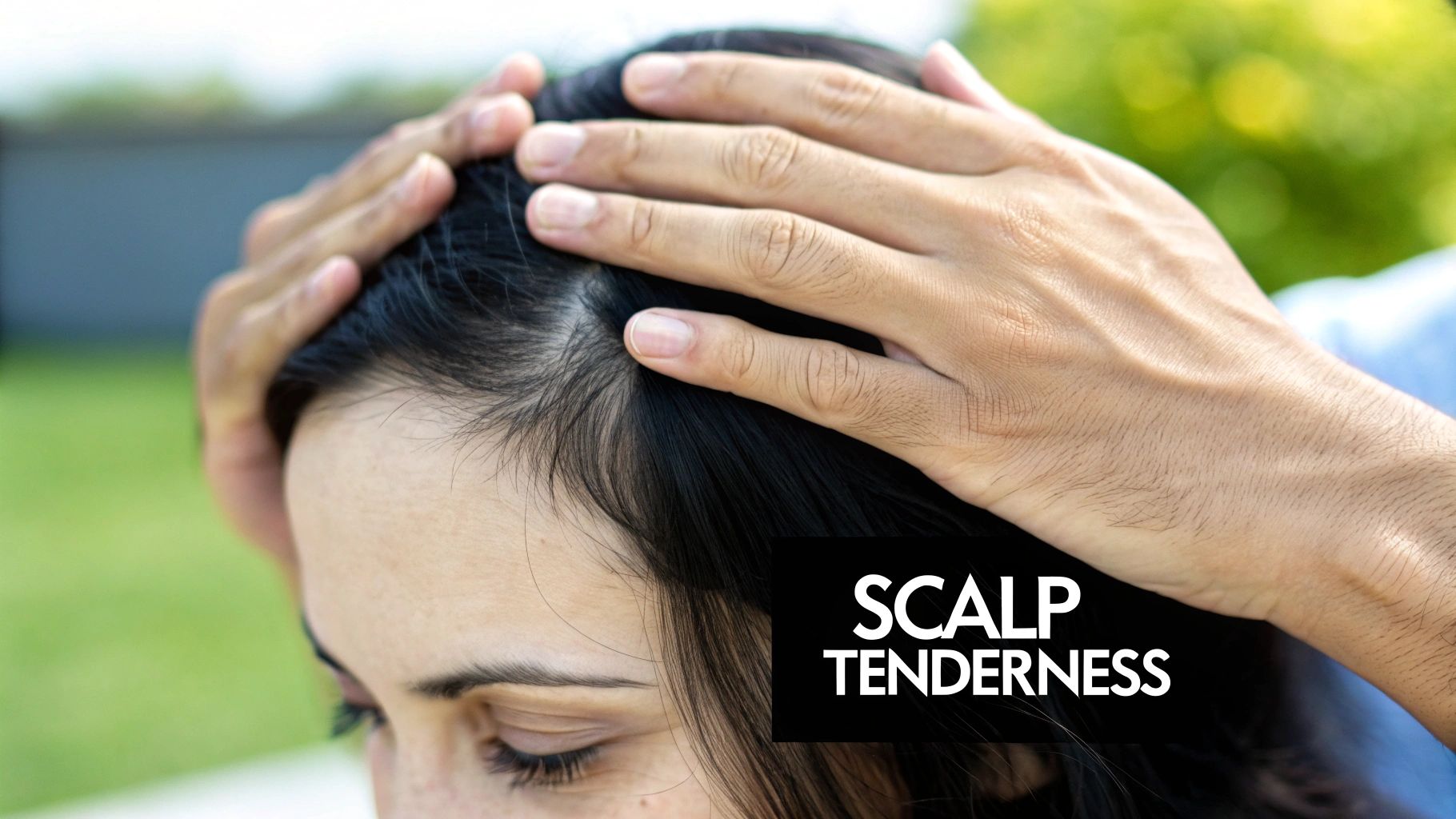
Scalp pain and tenderness is one of the most frequent side effects after getting PRP (Platelet-Rich Plasma) hair treatment. While it may be uncomfortable, this side effect is usually mild and short-lived. The discomfort happens because the treatment involves multiple small injections into your scalp, creating tiny injuries that trigger your body's natural healing response.
Think of it like muscle soreness after exercise – your body is responding to the stimulation, which in this case aims to promote new hair growth.
Common Symptoms:
- Pain at injection sites: Most discomfort centers around where the PRP was injected
- Sensitive scalp: Light pressure or touch may cause discomfort for several days
- Mild to moderate pain levels: Most patients describe it as a dull ache rather than sharp pain
Benefits:
- The tenderness often signals that the treatment is working to stimulate your scalp
- Pain typically goes away on its own within 1-3 days without treatment
Drawbacks:
- Daily activities like wearing hats or styling hair may be uncomfortable
- Finding comfortable sleeping positions can be challenging
How to Manage the Discomfort:
- Take over-the-counter pain relievers as needed, following package directions
- Keep hands off the treatment area for 48 hours to prevent irritation
- Use extra pillows to elevate your head while sleeping
History and Results:
PRP hair treatment has become increasingly popular in the last 10 years. Originally used for healing injuries and wounds, researchers discovered it could also help with hair loss. Many men report seeing improvements in hair thickness and reduced shedding after completing a series of treatments.
The minimal side effects and promising results have made PRP an appealing option for those experiencing hair thinning. Online forums and medical case studies document numerous success stories of improved hair quality following PRP therapy.
While some scalp discomfort is normal at first, it's a small trade-off for the potential long-term benefits. Following the management tips above can help you get through the temporary tenderness and focus on the hair restoration results ahead.
2. Swelling and Inflammation
After PRP hair treatment, swelling and inflammation commonly occur within 24-48 hours after the procedure. These symptoms are part of your body's natural healing response to the micro-injuries from injections and the concentrated growth factors in PRP that stimulate repair in your scalp. While usually mild and short-lasting, understanding what to expect helps ensure a smooth recovery.
Many men experience visible puffiness and mild warmth around injection sites after treatment. Research by Dr. Charles Runels shows these symptoms typically resolve within 72 hours. Though temporary, the swelling can affect appearance and create some social discomfort, especially for men who wish to keep their treatment private.
PRP therapy has become increasingly popular for hair loss treatment as clinical evidence supporting its safety and effectiveness has grown. Studies documented by medical experts continue to demonstrate promising results, making it an appealing option for men experiencing hair thinning.
Here are practical ways to manage post-treatment swelling:
- Apply cold compresses: Use gentle cold compression for 10-15 minutes several times daily to reduce swelling
- Keep head elevated: Sleep with your head propped up to minimize fluid buildup
- Avoid heat exposure: Skip hot showers, saunas, and direct sun for at least 24 hours
- Stay hydrated: Drink plenty of water to support healing
Following these simple guidelines can help you handle the temporary side effects with confidence while achieving optimal results from your PRP treatment.
3. Headache
Headaches commonly occur after PRP hair treatment. While they can be uncomfortable, understanding what to expect helps you prepare and maintain your normal activities.
The headaches tend to be mild to moderate, similar to tension headaches. They typically start around the injection sites and may spread to other parts of the scalp. This happens because of the injections themselves and your body's natural healing response – much like muscle soreness after exercise.
While large studies haven't fully tracked headache frequency after PRP hair treatments, doctors consistently report that most patients experience them. The good news is that these headaches usually go away within 24-48 hours. For example, patients often describe a dull ache around their temples and forehead that fades within a day or two.
Key Characteristics:
- Tension-type pain: Feels like pressing or tightness rather than throbbing
- Spreads from injection areas: Pain may extend beyond the treatment sites
- Responds to basic pain relief: Standard over-the-counter medications usually help
Benefits:
- Short duration: Most headaches clear up within 48 hours
- Simple treatment: Basic pain relievers typically work well
Drawbacks:
- May affect focus: The discomfort can make concentration harder
- Temporary lifestyle impact: Daily activities might need adjustment
Managing Headache Symptoms:
- Stay well hydrated: Regular water intake helps reduce headache intensity
- Follow medication guidance: Take pain relievers as your doctor recommends
- Find a quiet space: Reducing light and noise can help ease discomfort
Understanding these headaches helps put them in perspective – they're a short-term side effect of a treatment that offers long-term hair restoration benefits. While no medical procedure is completely free of side effects, post-PRP headaches are usually mild and manageable with basic care.
4. Bleeding at Injection Sites
Getting PRP treatment for hair restoration can involve some minor side effects that patients should know about beforehand. One of the most common side effects is bleeding around the injection points. While this is a standard part of the procedure, understanding what to expect can help you feel more prepared.
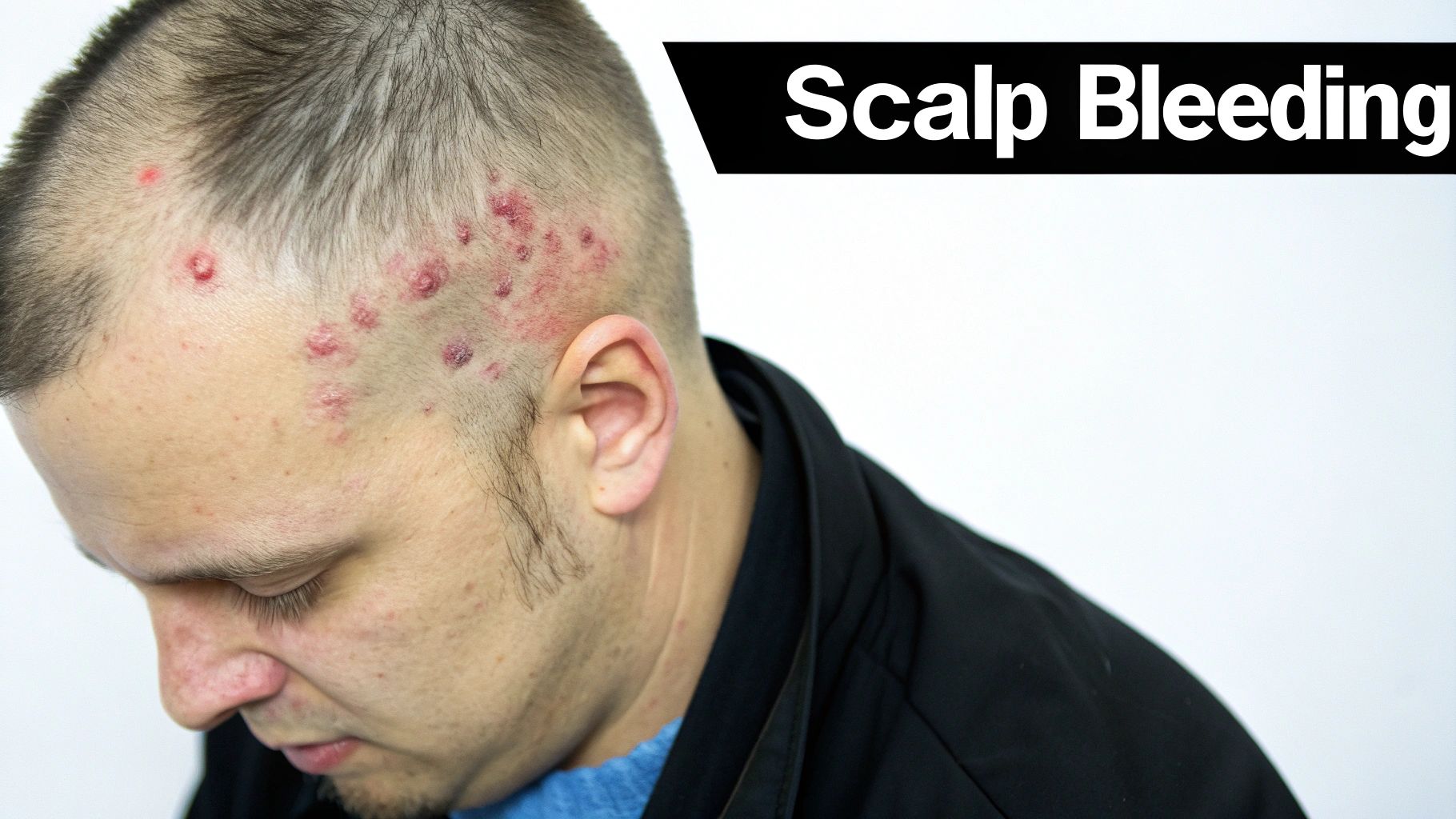
During PRP treatment, your doctor will use thin needles to inject the platelet-rich plasma into specific areas of your scalp. Just like any injection, this process may cause small amounts of bleeding at each injection point. The bleeding typically stops within a few hours, and tiny scabs may form where the needles entered the skin. These scabs are a natural part of healing and will fall off on their own.
Key Features:
- Light bleeding at injection sites
- Formation of small scabs
- Resolves within hours
Why This Matters: Though minor and temporary, bleeding is something patients should be ready for before getting PRP treatment. Having clear expectations helps reduce anxiety and allows for better preparation.
Medical Context: While specific studies on injection site bleeding are limited due to its routine nature, medical centers regularly discuss this expected side effect when educating patients about PRP therapy. Being upfront about all aspects of the procedure, including minor side effects, helps build patient trust and sets realistic expectations.
Benefits and Drawbacks:
- Benefits: The bleeding is minimal and stops on its own. It indicates proper delivery of the PRP solution.
- Drawbacks: May stain clothing temporarily. Some patients feel uneasy seeing blood, even in small amounts.
Post-Treatment Care Tips:
- Choose dark clothing for your appointment to hide potential stains
- Skip hair washing for 24 hours to let injection sites heal
- Don't touch the scabs – let them fall off naturally to prevent complications
Remember that while some bleeding is normal, excessive or prolonged bleeding isn't typical. Always contact your doctor if bleeding continues longer than expected or seems excessive. Having this knowledge lets you approach PRP treatment with confidence and realistic expectations about the recovery process.
5. Infection Risk
While PRP therapy for hair loss has a strong safety record, it's important to be aware of potential infection risks. Even though they are minimal, understanding and preventing infection is key for successful treatment outcomes.
The risk of infection occurs when bacteria enter the scalp through injection sites, typically due to non-sterile equipment, poor hygiene during treatment, or improper aftercare. However, when performed by qualified professionals following medical protocols, infections are extremely rare.
Key Signs of Infection:
- Redness and warmth: Look for increased redness or warmth around injection sites beyond normal post-treatment effects
- Unusual pain: Pain that is more severe than typical post-procedure discomfort
- Other symptoms: Swelling, drainage of pus, or fever may indicate infection
Understanding the Risk Profile:
The positives of PRP's safety record include:
- Very rare complications: Infections occur in only a tiny percentage of cases
- Quick treatment if needed: Early detection allows for swift antibiotic treatment
Potential concerns to consider:
- Medical intervention: If infection develops, antibiotics are required
- Treatment delays: Severe infections could pause your PRP schedule
- Impact on results: In rare cases, infections may affect treatment success
Medical Evidence:
While large studies on PRP injection infections are limited due to their rarity, case reports in medical literature show the importance of proper sterile techniques. One documented case of scalp abscess after PRP treatment reinforces the need for strict disinfection protocols.
Safety Improvements:
As PRP hair treatments have grown more common, medical facilities have developed detailed safety protocols. These include specific guidelines for sterilization and patient aftercare that have made an already safe procedure even more secure.
Essential Safety Tips:
- Choose qualified providers with proper medical credentials and PRP experience
- Follow all aftercare instructions precisely
- Watch for any signs of problems and contact your doctor promptly if concerns arise
By taking basic precautions and working with qualified professionals, you can feel confident about the safety of your PRP hair restoration treatment. The risk of infection is minimal when proper protocols are followed.
6. Temporary Hair Shedding
One common but often misunderstood side effect of PRP hair treatment is temporary hair shedding in the first few weeks after the procedure. This effect, known as "shock loss," can be concerning for men getting treatment for hair loss. Understanding that this shedding is actually a positive sign of the hair renewal process can help reduce anxiety during treatment.
Most patients notice shedding starting 2-3 weeks after treatment, which typically resolves within 1-2 months. This occurs because PRP injections jumpstart the hair growth cycle, causing older and weaker hairs to fall out so new, healthier hair can grow in their place. Think of it like a garden – sometimes you need to clear out old growth to make room for new plants.
Key Aspects of Temporary Shedding:
- When it starts: 2-3 weeks post-treatment
- How long it lasts: 1-2 months typically
- What causes it: Natural hair renewal triggered by PRP
Benefits:
- Shows the treatment is actively working
- Makes way for stronger, healthier hair growth
Challenges:
- Can cause emotional stress
- Hair may look thinner temporarily
What Research Shows:
Medical studies indicate that up to 80% of patients experience some degree of shedding before seeing new growth. This high percentage confirms that shedding is a normal part of the process. Research by Dr. Jeffrey Rapaport has helped explain how this shedding phase signals active follicle stimulation.
How to Handle the Shedding Phase:
- Give it time – remember this phase is temporary
- Keep your doctor informed about any concerns
- Support hair health with good nutrition and rest
- Avoid harsh styling methods
- Try gentle scalp massage to boost circulation
While seeing more hair fall out can feel scary, knowing it's part of the hair regeneration process can help you stay positive. The shedding phase often means the PRP treatment is doing its job, paving the way for healthier hair growth. Your doctor can provide specific guidance and support as you go through this phase of treatment.
7. Itching and Tingling
Most men will experience mild itching and tingling on their scalp in the first week after PRP hair treatment. While these sensations might seem worrying at first, they're typically a good sign that the treatment is working effectively.
What's Behind These Sensations?
The itching and tingling occur when the growth factors in the PRP activate nerve endings and start the healing process in your scalp. As these factors work to revive hair follicles, they trigger mild sensory responses. Most patients describe the feeling as similar to a light sunburn or a healing scratch.
Why Include This as a Side Effect?
Medical professionals list these sensations as side effects to properly inform patients and set clear expectations. This helps prevent unnecessary worry – when men know these feelings are normal, they won't mistake them for complications or allergic reactions.
Key Characteristics:
- Timing: Peak sensations usually occur in the first few days after treatment
- Duration: Most cases resolve within 1-2 weeks
- Intensity: Typically mild to moderate discomfort
Benefits:
- Shows active healing is taking place
- Symptoms are short-term and manageable
Drawbacks:
- Can be distracting for some patients
- May cause mild discomfort during recovery
Research Background:
Multiple clinical studies examining PRP for hair loss have documented these sensations as standard recovery symptoms. While specific case studies focusing solely on itching and tingling are limited, these effects are well-known among practitioners and regularly discussed during patient consultations.
Managing the Symptoms:
- Don't scratch: Scratching can disrupt healing and risk infection
- Follow product guidelines: Use only the scalp care products recommended by your doctor
- Maintain cleanliness: Keep the treated area clean and dry to support proper healing
Understanding that these sensations are normal and temporary helps patients stay focused on their treatment goals rather than worrying about the recovery process. With proper care and patience, most men find these mild symptoms very manageable.
Comparative Analysis of 7 Common Side Effects of PRP Hair Treatment
| Method | Difficulty | Time Required | Results | Best For | Key Benefit |
|---|---|---|---|---|---|
| Scalp Pain and Tenderness | 🔄 Moderate discomfort | ⚡ 1–3 days | 📊 Mild to moderate pain | Patients needing treatment feedback | ⭐ Indicates treatment activity |
| Swelling and Inflammation | 🔄 Low-to-moderate | ⚡ 1–4 days | 📊 Temporary puffiness | Those monitoring post-treatment changes | ⭐ Sign of active healing |
| Headache | 🔄 Mild-to-moderate | ⚡ 24–48 hours | 📊 Responsive to relief | Individuals with low pain tolerance | ⭐ Easily managed with medication |
| Bleeding at Injection Sites | 🔄 Minor | ⚡ Few hours | 📊 Small, self-limiting spotting | Patients comfortable with minor effects | ⭐ Quick resolution |
| Infection Risk | 🔄 Rare but cautionary | ⚡ Immediate care | 📊 Preventable with proper care | Patients in sterile settings | ⭐ Low incidence under proper protocols |
| Temporary Hair Shedding | 🔄 Moderate psychological impact | ⚡ 1–2 months | 📊 Precedes new growth | Those undergoing hair renewal | ⭐ Indicator of new hair cycle |
| Itching and Tingling | 🔄 Mild | ⚡ Several days | 📊 Common healing sign | Sensitized scalps | ⭐ Supports nerve regeneration |
Making Informed Decisions about PRP
Understanding potential side effects is essential when considering PRP hair treatment. While generally safe, patients may experience mild and temporary effects like scalp pain, swelling, headache, minor bleeding, or itching. Some patients report temporary shedding and there is a small risk of infection. Severity and duration of side effects vary between individuals.
Communication with your healthcare provider is key to a successful treatment experience. Share your complete medical history, current medications, and any concerns during consultation. This allows your doctor to assess if PRP is right for you and help set realistic expectations about potential side effects.
Take time to thoroughly research and prepare for the procedure. Ask detailed questions about what to expect during treatment and recovery. Pay close attention to how your body responds after each session and promptly report any unusual or prolonged reactions to your doctor.
Key Takeaways:
- PRP side effects are typically mild and resolve on their own
- Have an in-depth discussion with your doctor about your medical history
- Do thorough research to understand the procedure fully
- Monitor and report any concerning reactions
- Stay updated on the latest PRP treatment developments
Take control of your hair loss journey with confidence. PRP For HairLoss offers comprehensive resources about male pattern baldness and PRP treatment options. Learn how PRP therapy may help you achieve thicker, fuller hair by visiting PRP For HairLoss today.
Article created using Outrank

 PRP For Hairloss
Leave a comment